About this artwork
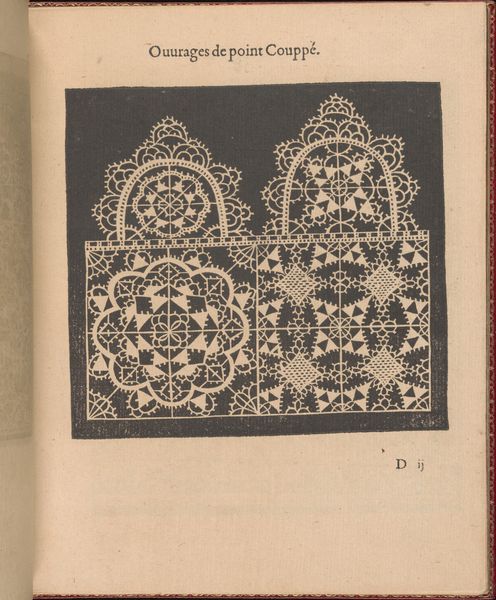
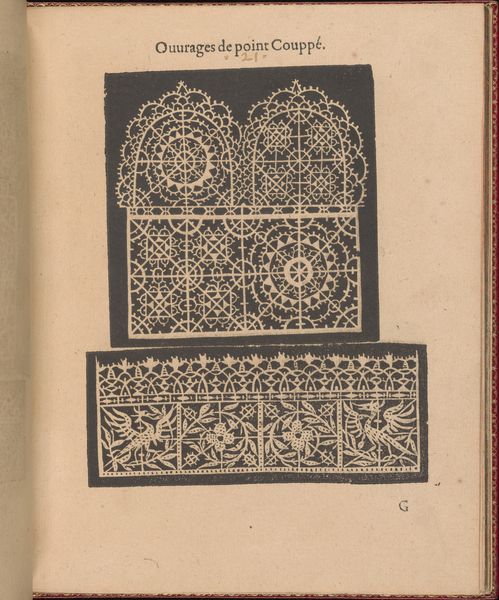
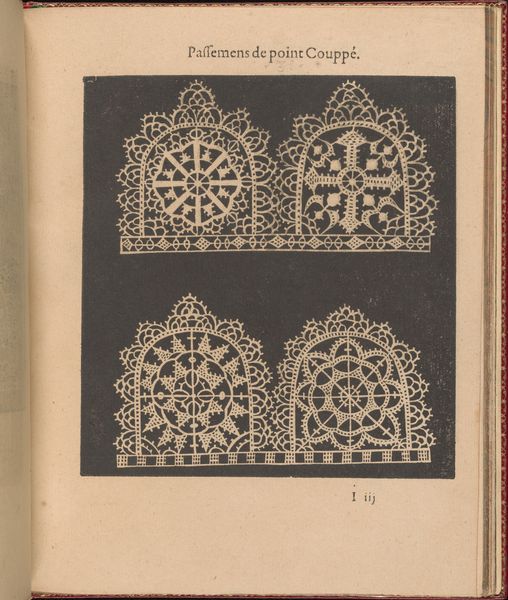
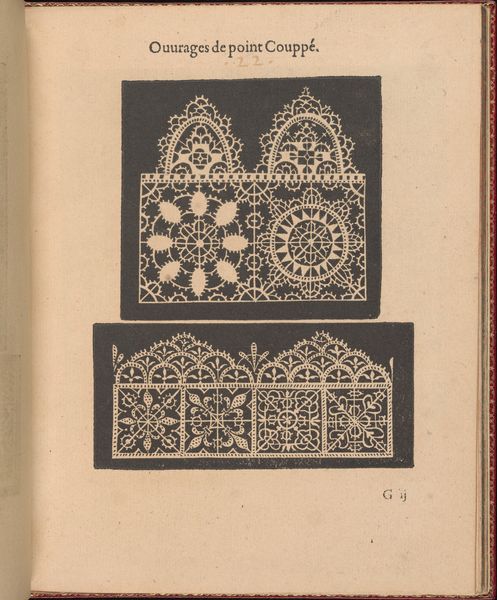
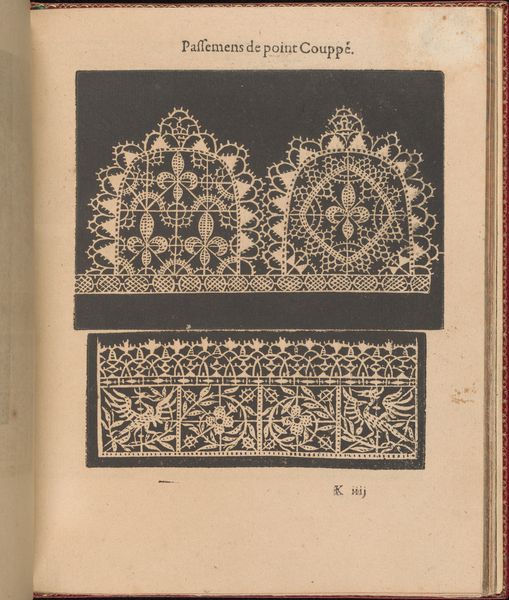
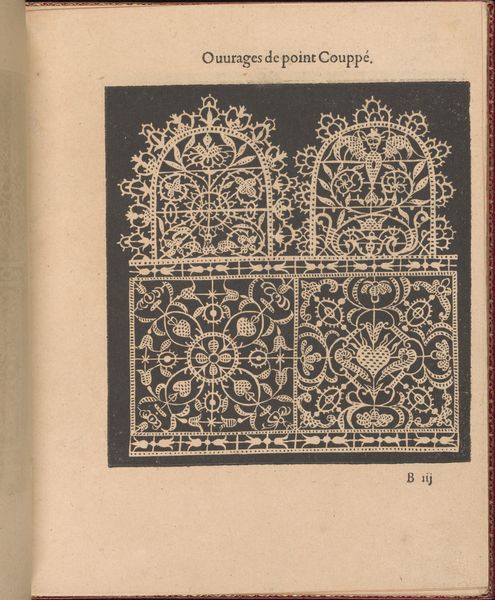
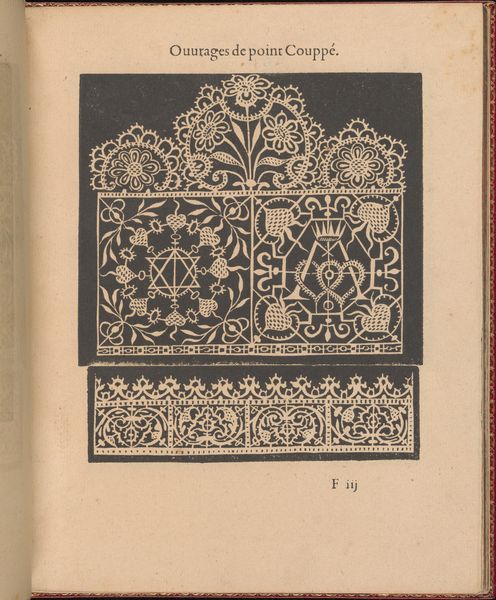
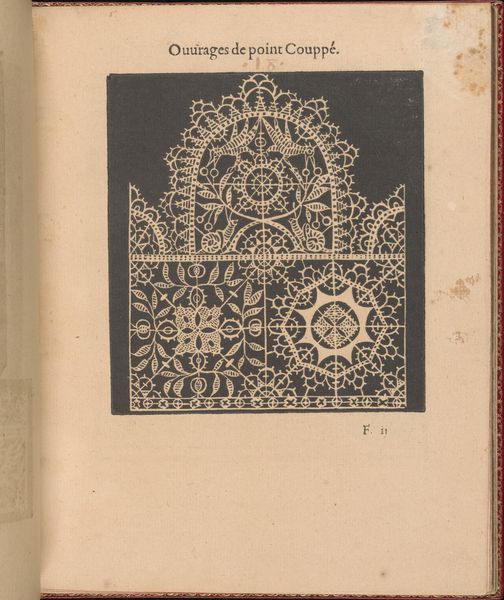
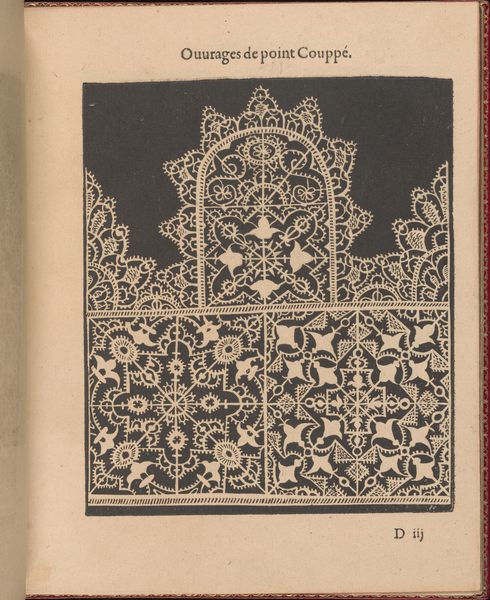
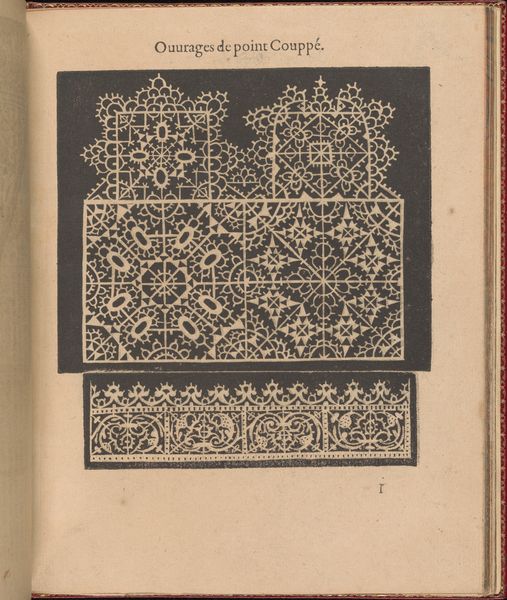
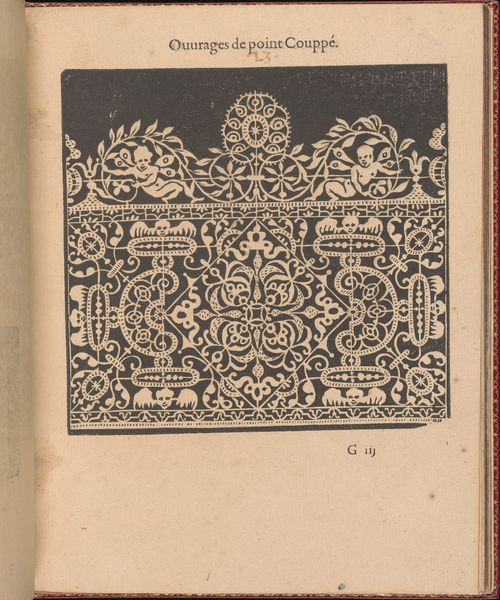
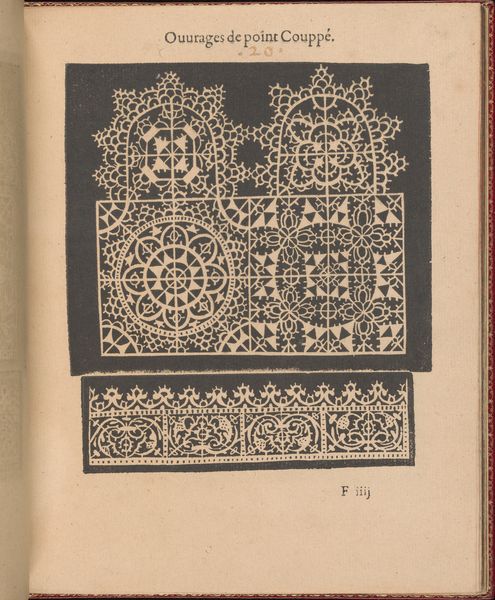
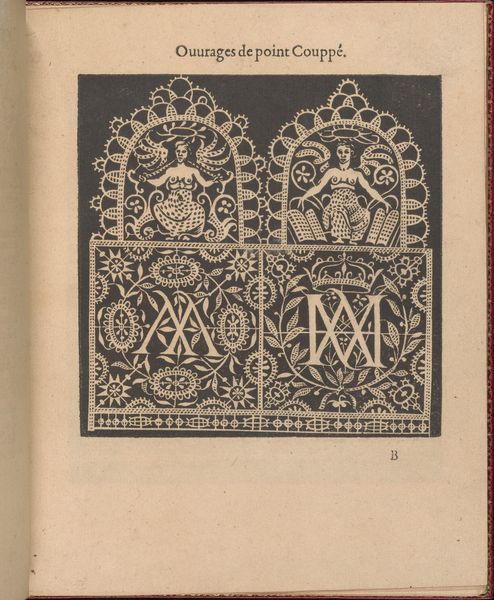
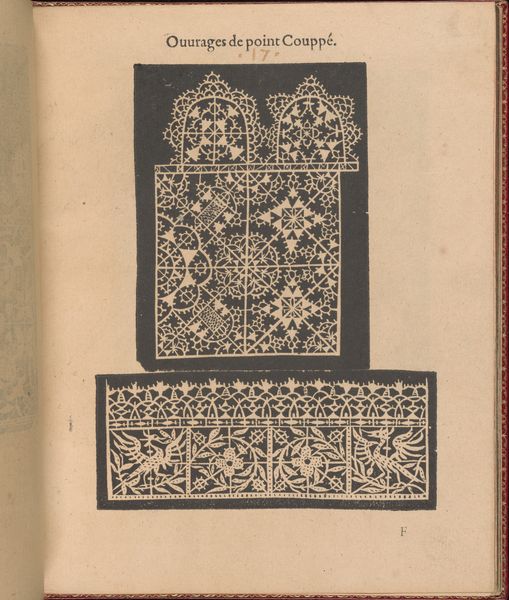
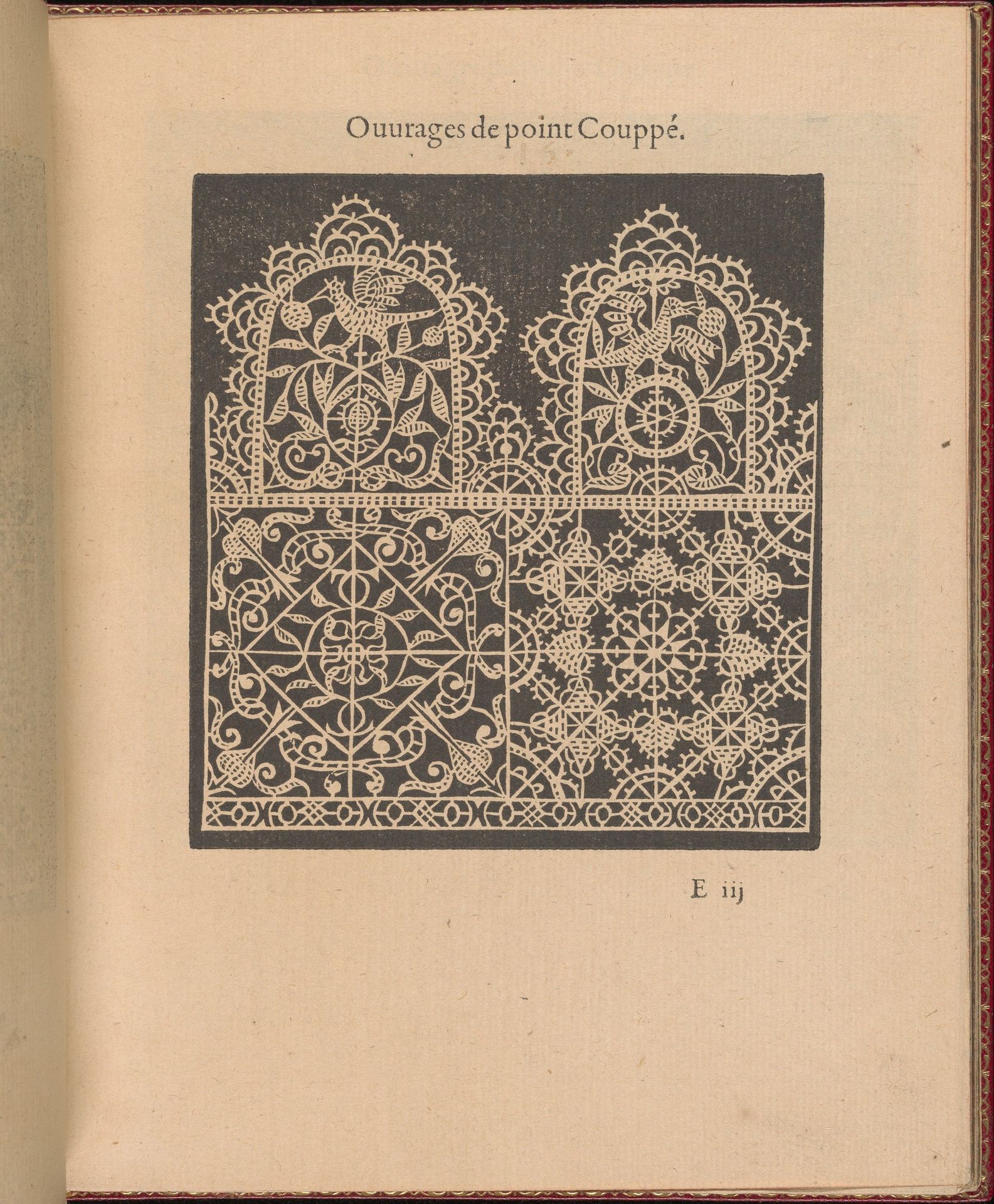
This is a page from "Les Singuliers et Nouveaux Portraicts...", a book of lace patterns created by Federico de Vinciolo in the late 16th century. Lace making during this period was more than just a craft. It was deeply embedded in the social and economic fabric of Europe. Lace served as a visual marker of status and wealth. The intricate designs and delicate craftsmanship reflected the identities of those who wore it, often signaling membership in elite circles. But who made this lace? Predominantly women. Lace making provided economic opportunities, but it also reinforced gendered divisions of labor. The patterns in Vinciolo's book, with their geometric precision and stylized motifs, offered women inspiration. They allowed them to engage in a creative practice that both conformed to and subtly challenged social norms. This page, therefore, is a window into a world where artistry, commerce, and gender intersect. It reveals the complex dynamics shaping women's lives in Renaissance Europe.
Les Singuliers et Nouveaux Portraicts... page 19 (recto) 1588

Federico de Vinciolo
1582 - 1599
The Metropolitan Museum of Art
Metropolitan Museum of Art, New York, NYArtwork details
- Medium
- drawing, print, woodcut
- Dimensions
- Overall: 8 1/16 x 6 5/16 in. (20.5 x 16 cm)
- Location
- Metropolitan Museum of Art, New York, NY
- Copyright
- Public Domain
Tags
drawing
11_renaissance
geometric
woodcut
decorative-art
Comments
No comments
About this artwork
This is a page from "Les Singuliers et Nouveaux Portraicts...", a book of lace patterns created by Federico de Vinciolo in the late 16th century. Lace making during this period was more than just a craft. It was deeply embedded in the social and economic fabric of Europe. Lace served as a visual marker of status and wealth. The intricate designs and delicate craftsmanship reflected the identities of those who wore it, often signaling membership in elite circles. But who made this lace? Predominantly women. Lace making provided economic opportunities, but it also reinforced gendered divisions of labor. The patterns in Vinciolo's book, with their geometric precision and stylized motifs, offered women inspiration. They allowed them to engage in a creative practice that both conformed to and subtly challenged social norms. This page, therefore, is a window into a world where artistry, commerce, and gender intersect. It reveals the complex dynamics shaping women's lives in Renaissance Europe.
Comments
No comments