About this artwork
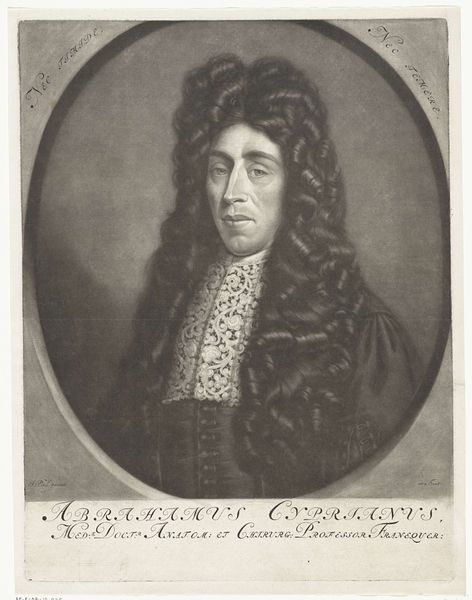
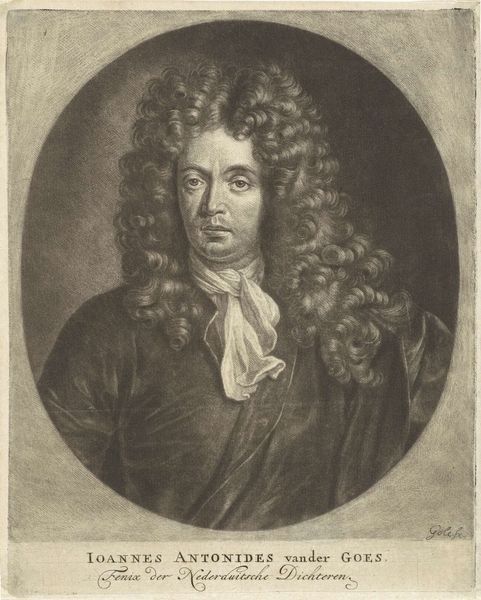
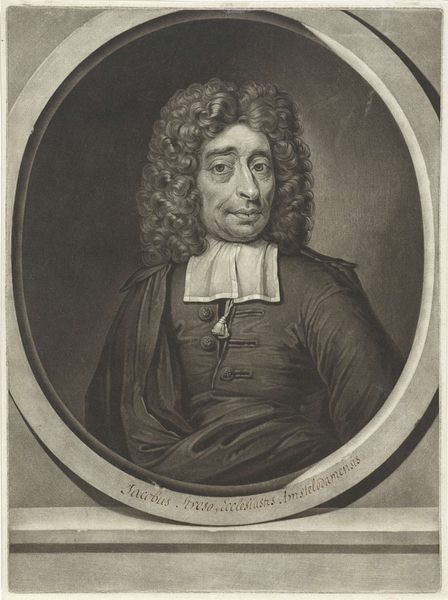
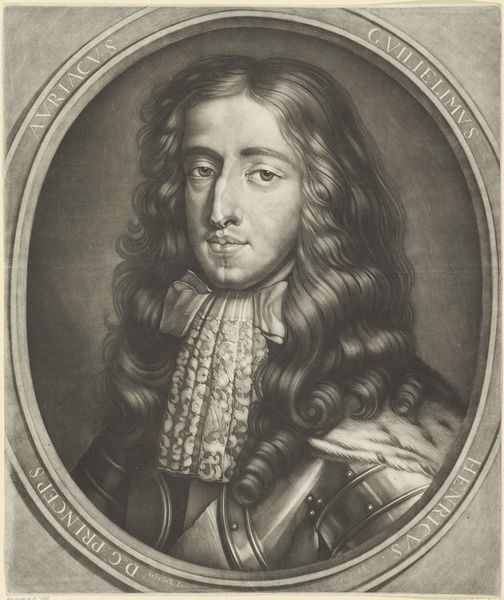
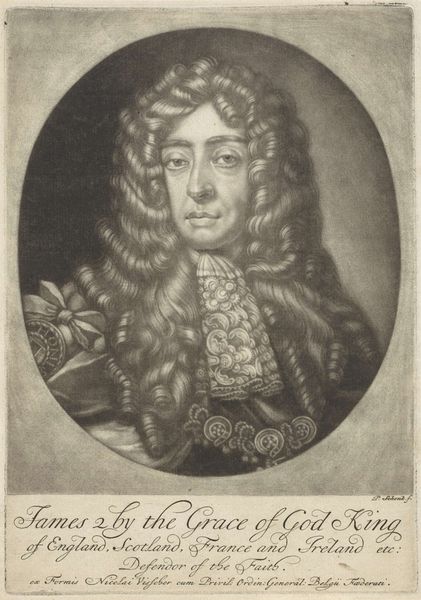
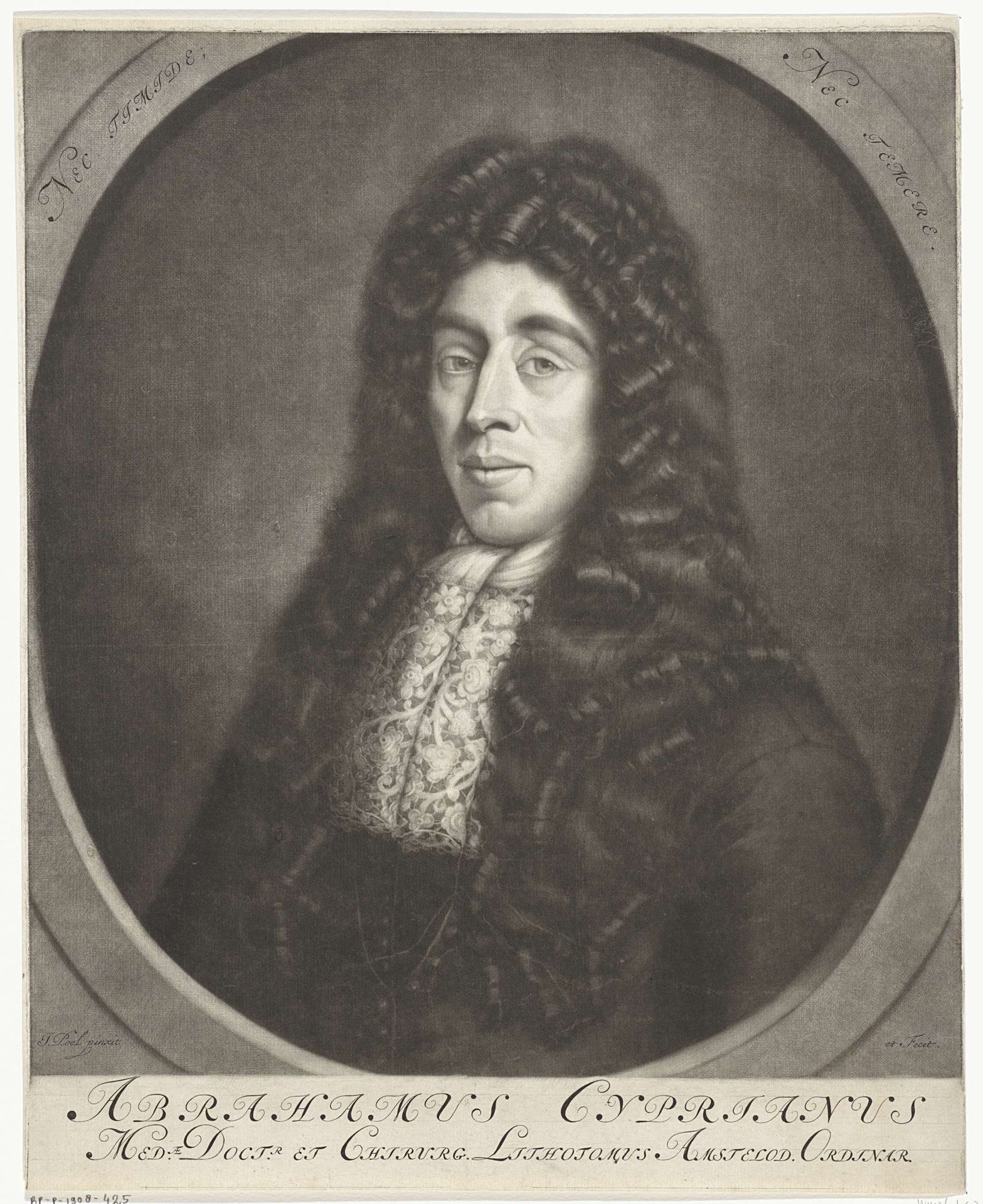
Juriaen Pool created this print of Abraham Cyprianus, a doctor, at an unknown date. It is a formal portrait, typical of the Dutch Golden Age, but it also reveals much about the status and self-image of professionals in 18th-century Amsterdam. The trappings of status are all here: the elaborate wig, the fine lace collar, and the confident gaze of a man who is literate, affluent, and esteemed. But Cyprianus was not simply wealthy; as the inscription tells us, he was a medical doctor, surgeon, and 'Lithotomus' - a specialist in the removal of bladder stones, a painful and often fatal condition. The print subtly elevates the status of medicine, presenting Cyprianus as a learned and skillful professional, not just a tradesman. To understand this image more fully, we might consult medical directories, guild records, and perhaps even patient testimonials. These sources would help us to understand the changing social role of doctors in this period. Ultimately, this print is a reminder that art is always embedded in a specific time, place, and set of social relations.

Artwork details
- Medium
- ink, engraving
- Dimensions
- height 338 mm, width 272 mm
- Location
- Rijksmuseum
- Copyright
- Rijks Museum: Open Domain
Tags
portrait
baroque
dutch-golden-age
charcoal drawing
ink
pencil drawing
portrait drawing
engraving
Comments
No comments
About this artwork
Juriaen Pool created this print of Abraham Cyprianus, a doctor, at an unknown date. It is a formal portrait, typical of the Dutch Golden Age, but it also reveals much about the status and self-image of professionals in 18th-century Amsterdam. The trappings of status are all here: the elaborate wig, the fine lace collar, and the confident gaze of a man who is literate, affluent, and esteemed. But Cyprianus was not simply wealthy; as the inscription tells us, he was a medical doctor, surgeon, and 'Lithotomus' - a specialist in the removal of bladder stones, a painful and often fatal condition. The print subtly elevates the status of medicine, presenting Cyprianus as a learned and skillful professional, not just a tradesman. To understand this image more fully, we might consult medical directories, guild records, and perhaps even patient testimonials. These sources would help us to understand the changing social role of doctors in this period. Ultimately, this print is a reminder that art is always embedded in a specific time, place, and set of social relations.
Comments
No comments