About this artwork
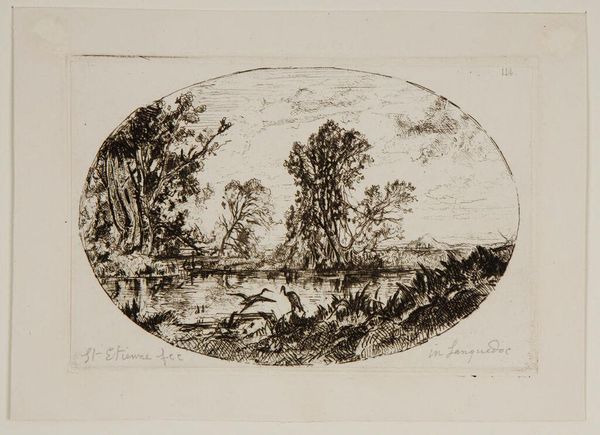
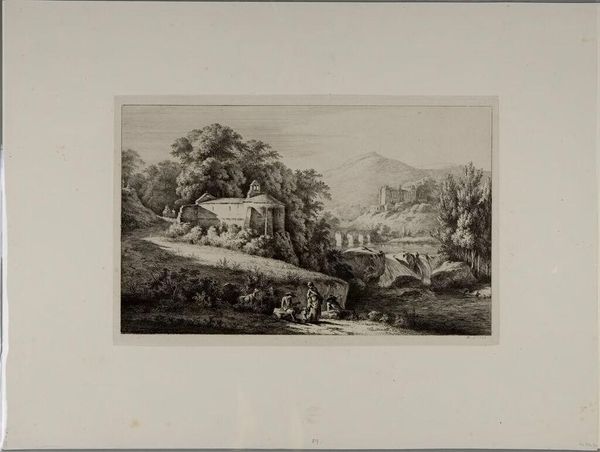
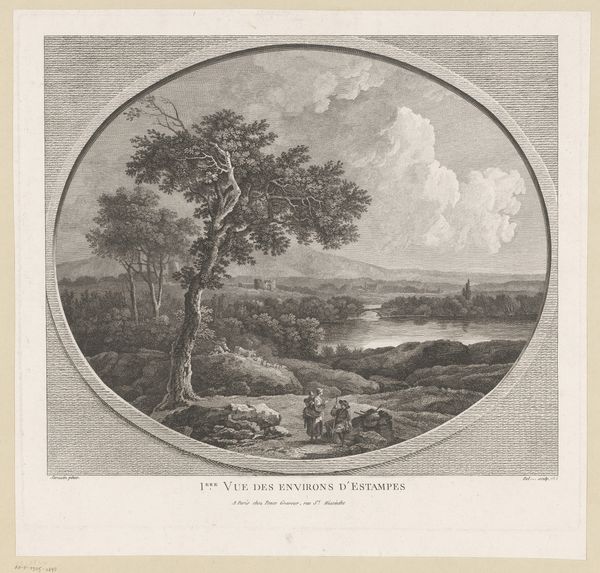
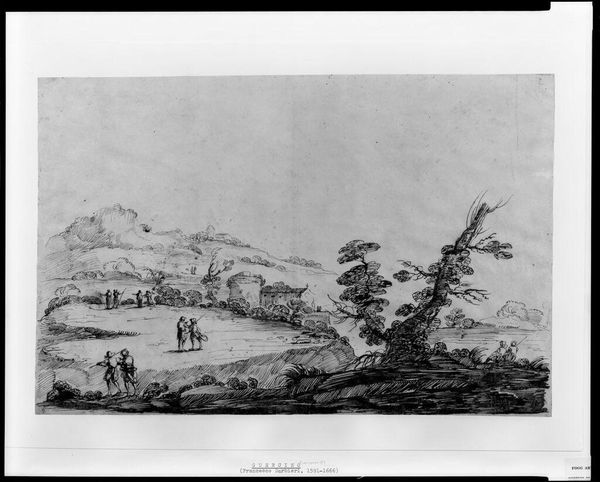
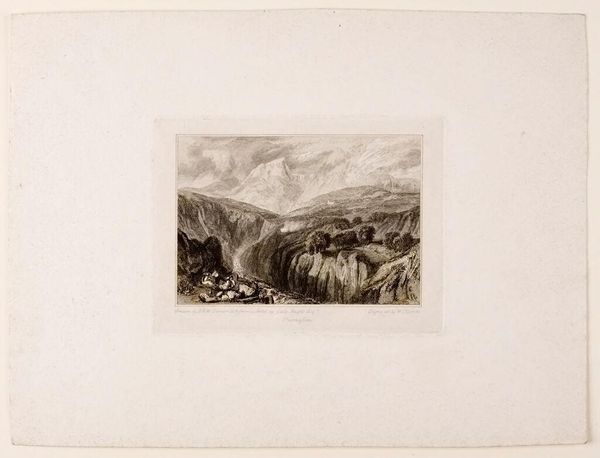
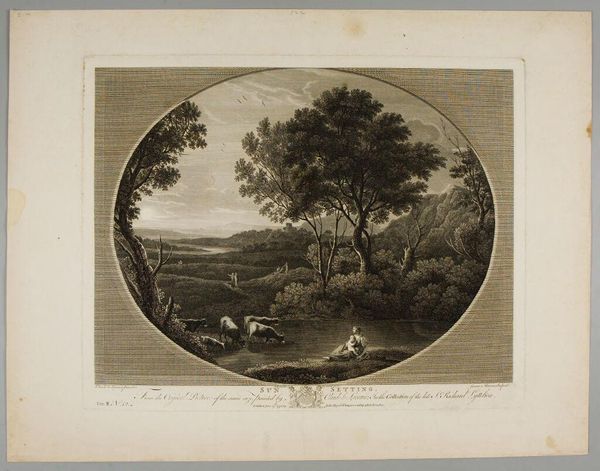
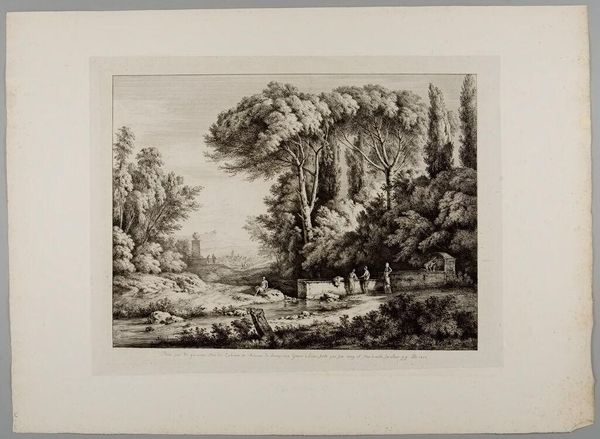
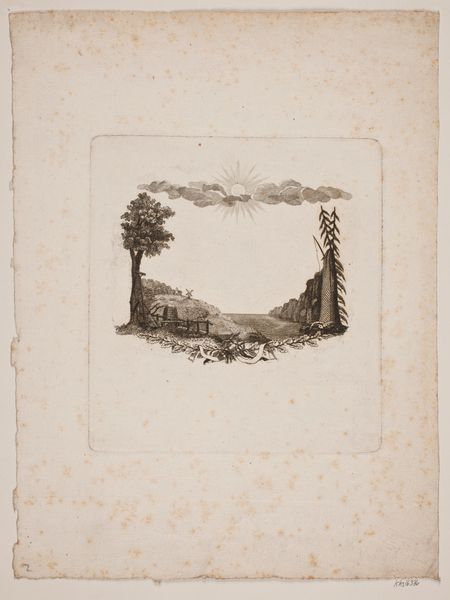
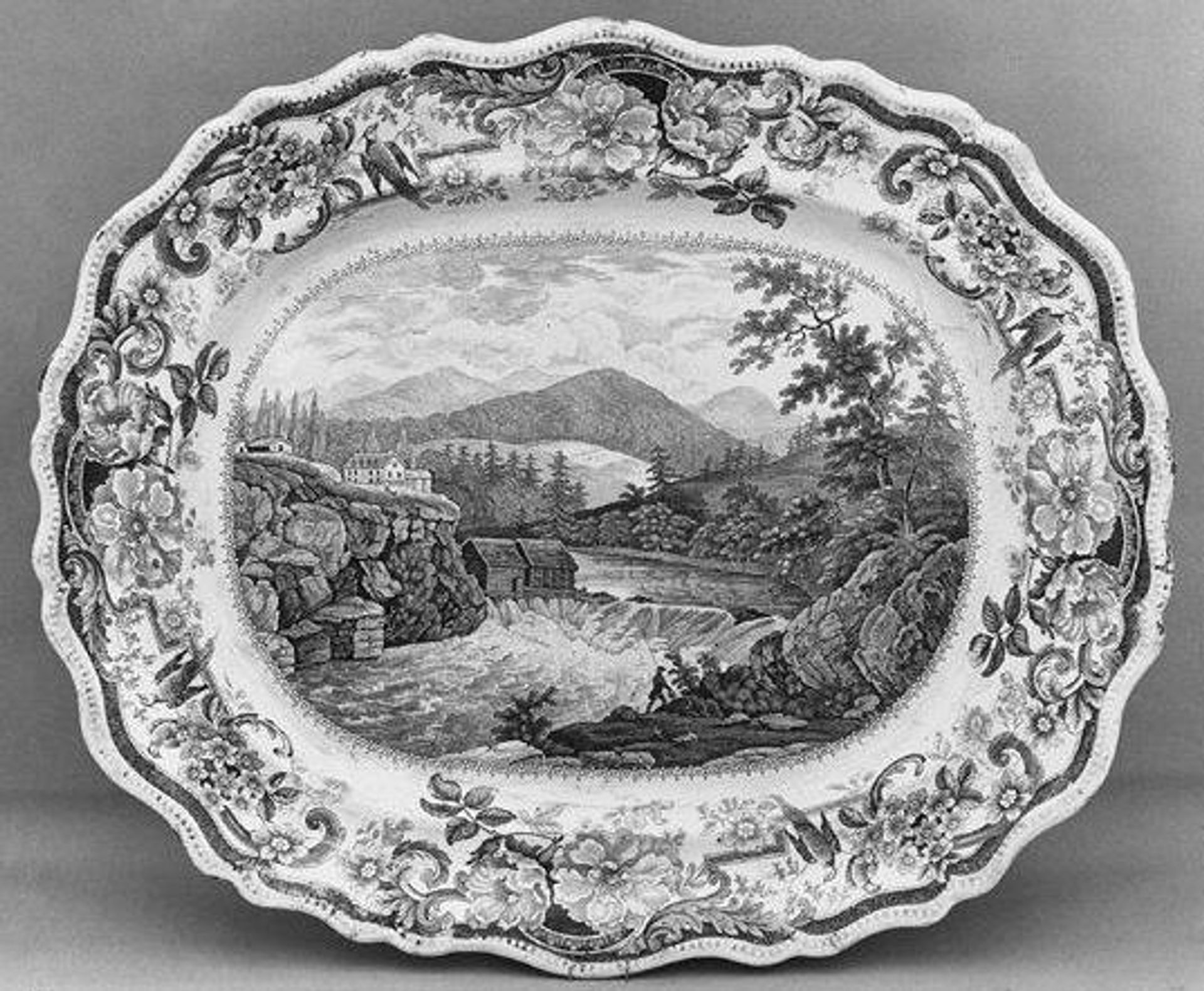
This ceramic platter depicting a pastoral scene was made in England by James and Ralph Clews in the early 19th century. The picturesque imagery, framed by a decorative floral border, speaks to the romantic idealization of nature popular at the time. But these idyllic scenes also served a specific social function. Mass-produced ceramics like this one, with transfer-printed designs, brought affordable art into middle-class homes. They served as a kind of aspirational display, suggesting good taste and a connection to the genteel values of the landed gentry. Consider the social conditions of early industrial England: rapid urbanization, growing class divisions, and anxieties about the loss of rural life. By examining trade records, census data, and design catalogs, the historian can understand how this seemingly innocent platter participated in the construction of social identity and the dissemination of cultural values. Art objects like this are never simply decorative; they actively shape our understanding of the world.
Platter
1818 - 1837

James and Ralph Clews
1813 - 1836
The Metropolitan Museum of Art
Metropolitan Museum of Art, New York, NYArtwork details
- Medium
- painting, ceramic
- Dimensions
- 14 3/8 x 17 5/8 in. (36.5 x 44.8 cm)
- Location
- Metropolitan Museum of Art, New York, NY
- Copyright
- Public Domain
Tags
Comments
Share your thoughts
About this artwork
This ceramic platter depicting a pastoral scene was made in England by James and Ralph Clews in the early 19th century. The picturesque imagery, framed by a decorative floral border, speaks to the romantic idealization of nature popular at the time. But these idyllic scenes also served a specific social function. Mass-produced ceramics like this one, with transfer-printed designs, brought affordable art into middle-class homes. They served as a kind of aspirational display, suggesting good taste and a connection to the genteel values of the landed gentry. Consider the social conditions of early industrial England: rapid urbanization, growing class divisions, and anxieties about the loss of rural life. By examining trade records, census data, and design catalogs, the historian can understand how this seemingly innocent platter participated in the construction of social identity and the dissemination of cultural values. Art objects like this are never simply decorative; they actively shape our understanding of the world.
Comments
Share your thoughts