About this artwork
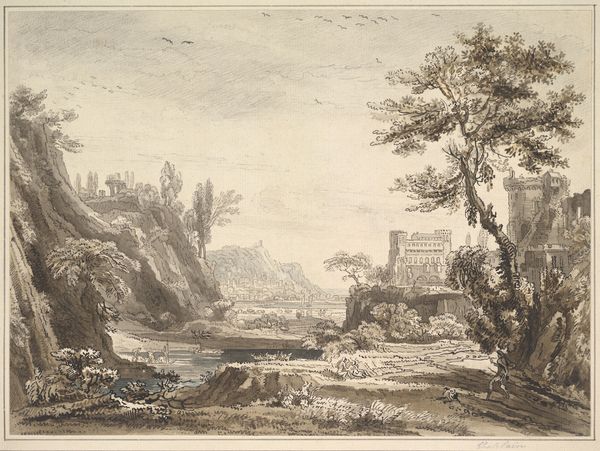
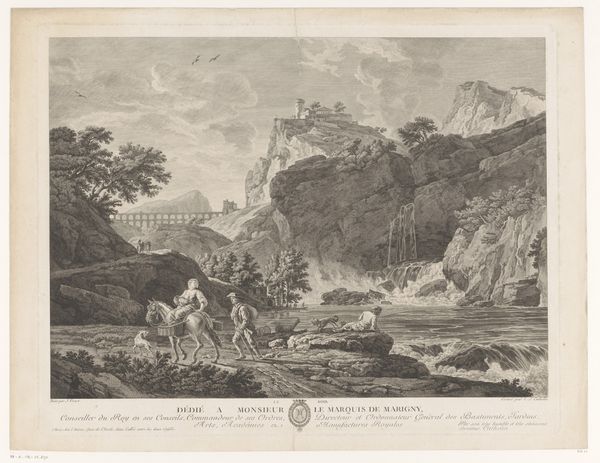
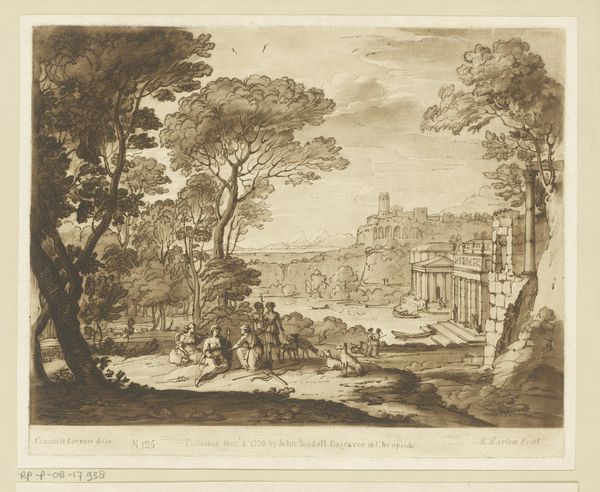
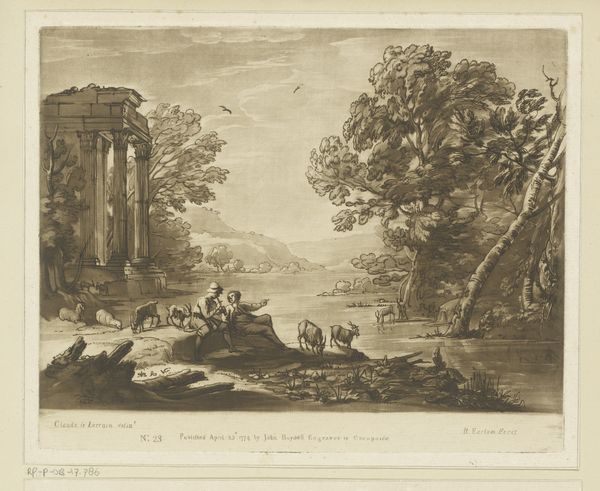
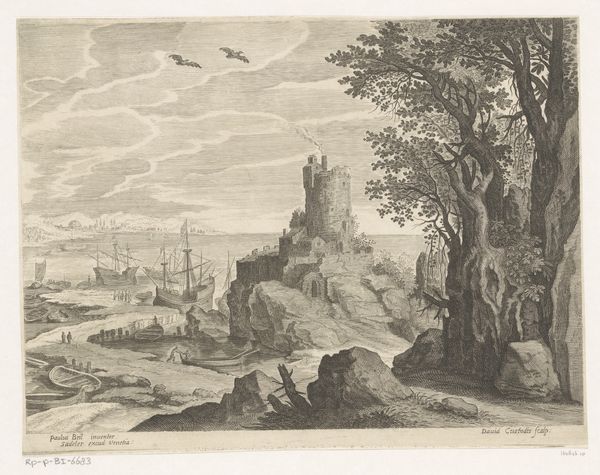
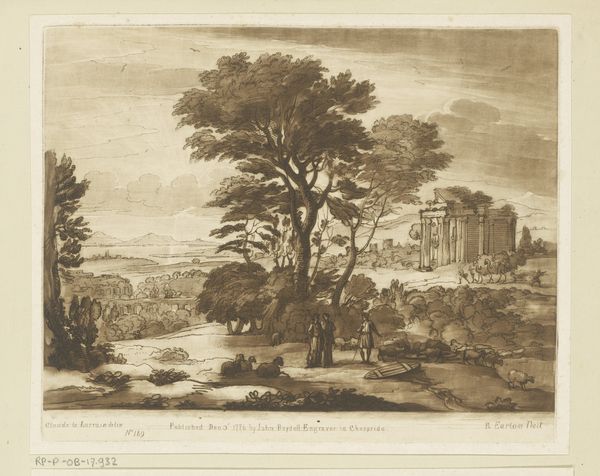
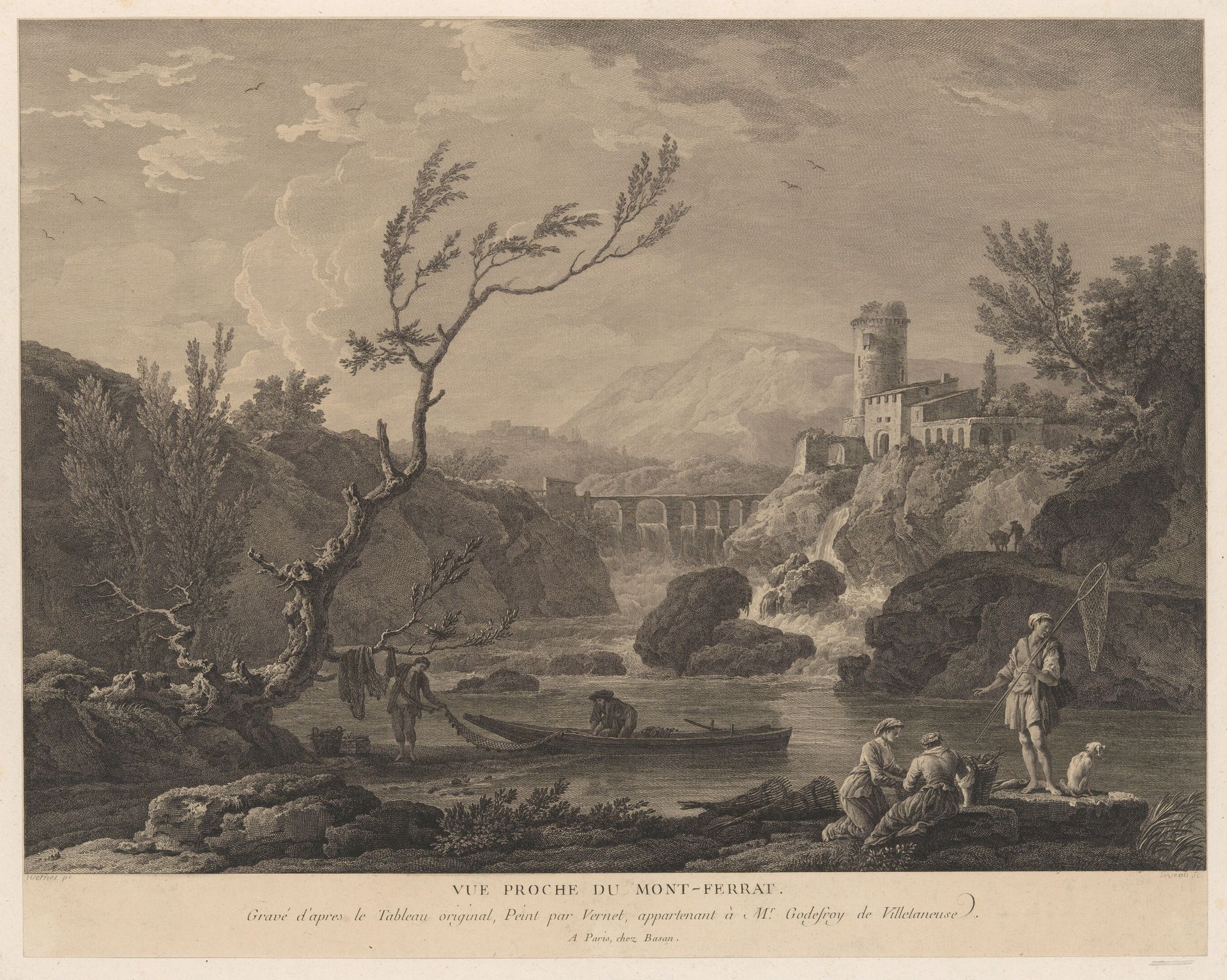
Jean Jacques Le Veau's "Vue Proche du Mont-Ferrat," crafted in the 18th century, presents us with a scene teeming with subtle yet potent symbols. At first glance, it's a tranquil waterside setting, but look closer and the figures and structures speak volumes. Consider the fisherman, a figure echoed through time, from ancient pastoral scenes to modern existentialist art. The act of fishing symbolizes patience, anticipation, and the human desire to extract something valuable from the depths. The fortress, often perched atop a hill, suggests safety, power and control. The bridge connects two separate points over the abyss. These motifs, however, aren't confined to this singular image. The image of flowing water appears through time as a symbol of purification, renewal, and the inexorable passage of time. Such symbols tap into our collective memory, triggering subconscious responses. The fortress perched high, a beacon of power, echoes in the fortifications of ancient Rome, medieval castles, and even the skyscrapers of our modern cities. The emotional resonance of this artwork lies in its depiction of man's connection with nature. It evokes a sense of calm, and a longing for a simpler, more idyllic existence. The symbols weave a tale that continues to evolve, adapting to different epochs, yet retaining a core of primal meaning that still resonates deeply today.
Vue Proche du Mont-Ferrat
1729 - 1785

Jean Jacques Le Veau
1729 - 1786
The Metropolitan Museum of Art
Metropolitan Museum of Art, New York, NYArtwork details
- Medium
- drawing, print, engraving
- Dimensions
- sheet: 15 1/2 x 19 5/8 in. (39.4 x 49.8 cm)
- Location
- Metropolitan Museum of Art, New York, NY
- Copyright
- Public Domain
Tags
Comments
Share your thoughts
About this artwork
Jean Jacques Le Veau's "Vue Proche du Mont-Ferrat," crafted in the 18th century, presents us with a scene teeming with subtle yet potent symbols. At first glance, it's a tranquil waterside setting, but look closer and the figures and structures speak volumes. Consider the fisherman, a figure echoed through time, from ancient pastoral scenes to modern existentialist art. The act of fishing symbolizes patience, anticipation, and the human desire to extract something valuable from the depths. The fortress, often perched atop a hill, suggests safety, power and control. The bridge connects two separate points over the abyss. These motifs, however, aren't confined to this singular image. The image of flowing water appears through time as a symbol of purification, renewal, and the inexorable passage of time. Such symbols tap into our collective memory, triggering subconscious responses. The fortress perched high, a beacon of power, echoes in the fortifications of ancient Rome, medieval castles, and even the skyscrapers of our modern cities. The emotional resonance of this artwork lies in its depiction of man's connection with nature. It evokes a sense of calm, and a longing for a simpler, more idyllic existence. The symbols weave a tale that continues to evolve, adapting to different epochs, yet retaining a core of primal meaning that still resonates deeply today.
Comments
Share your thoughts