About this artwork
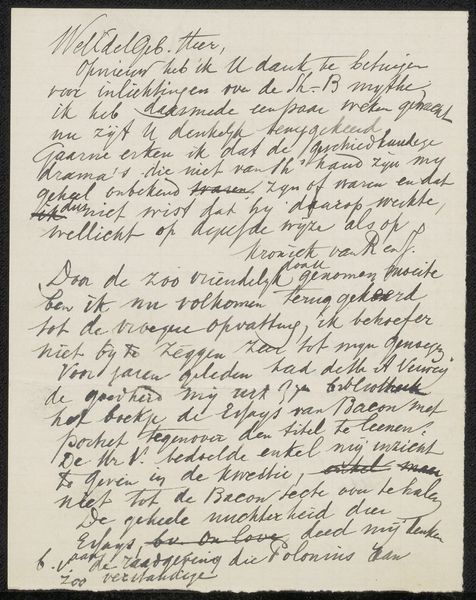
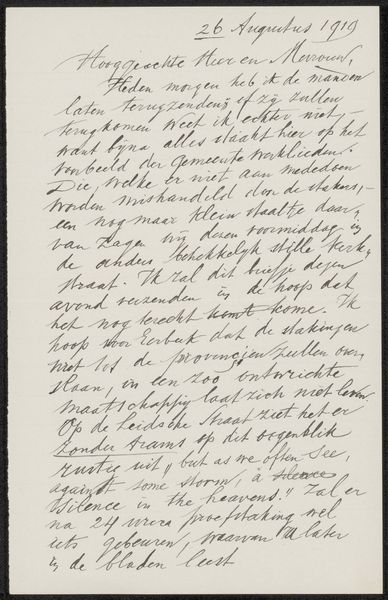
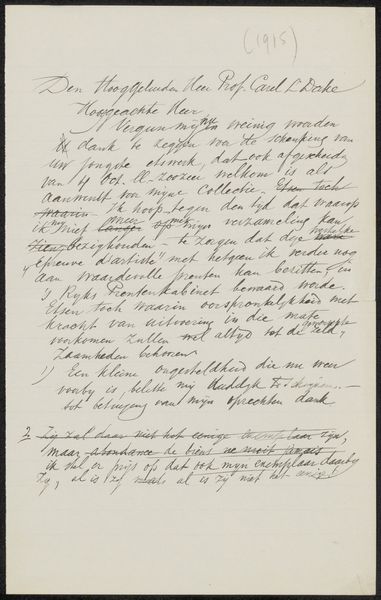
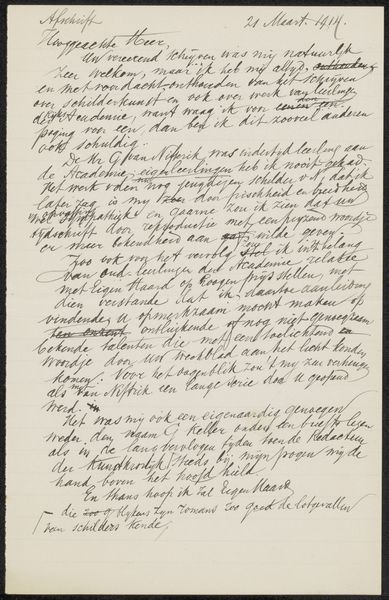
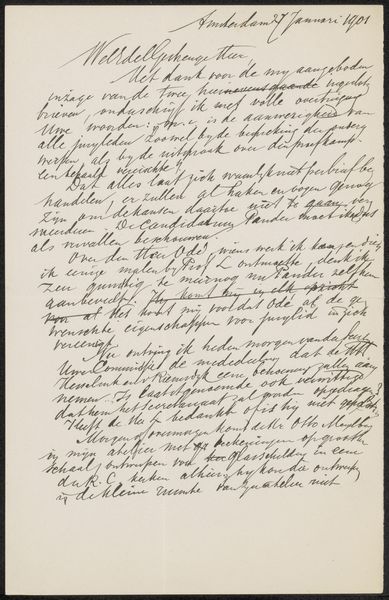
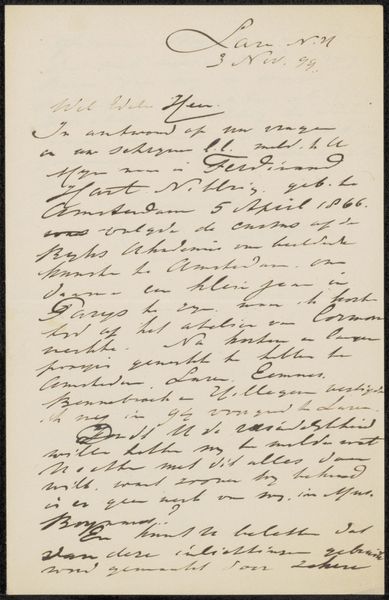
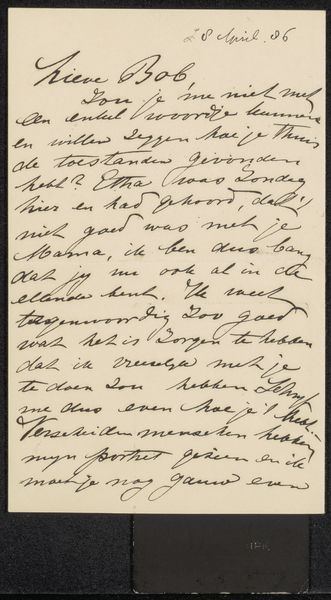
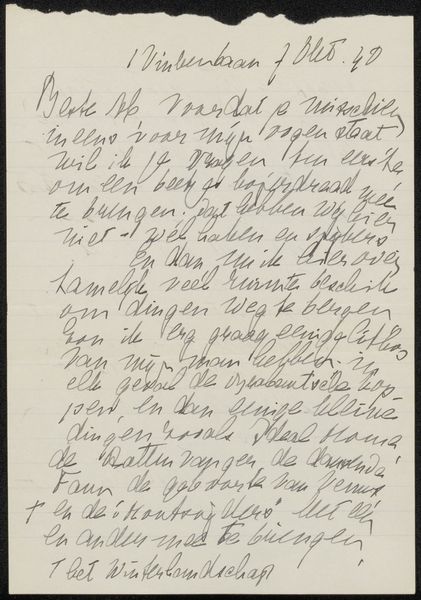
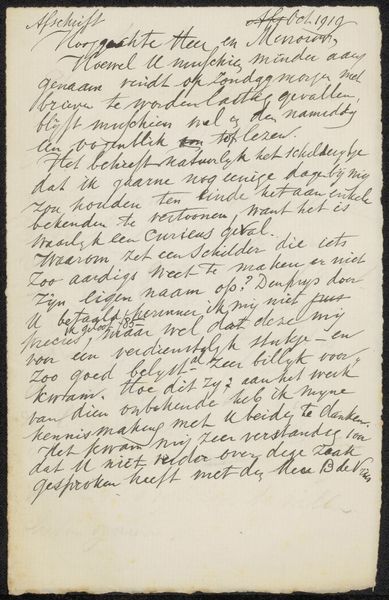
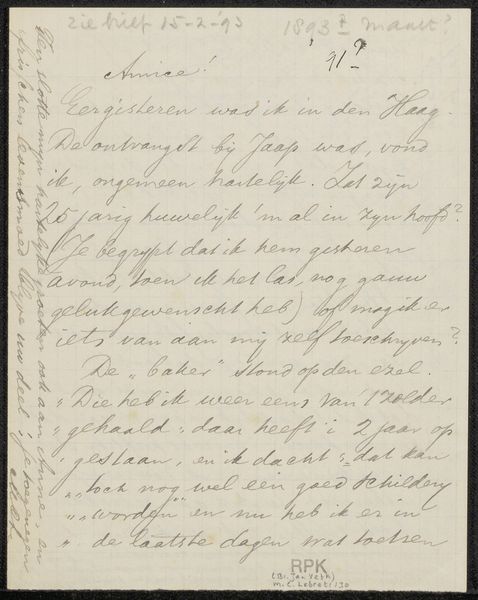
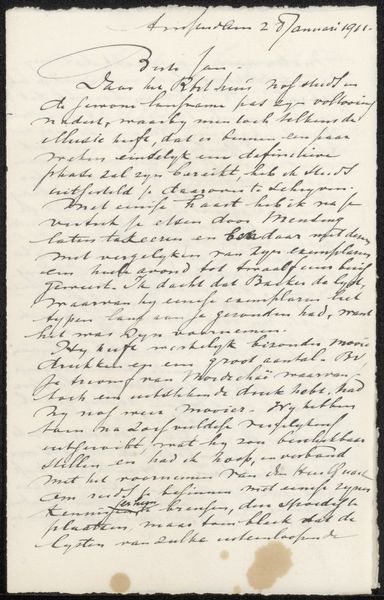
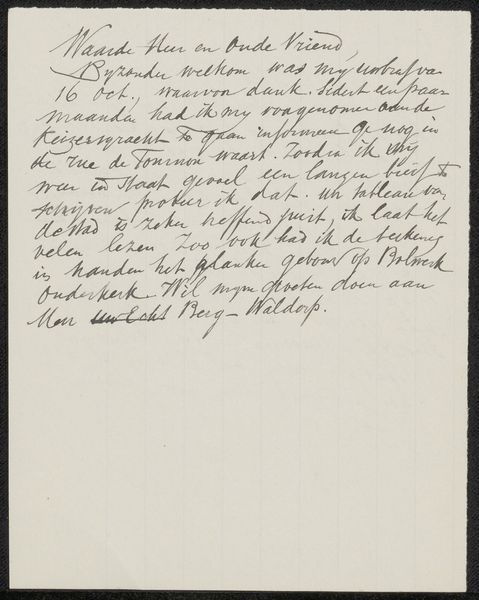
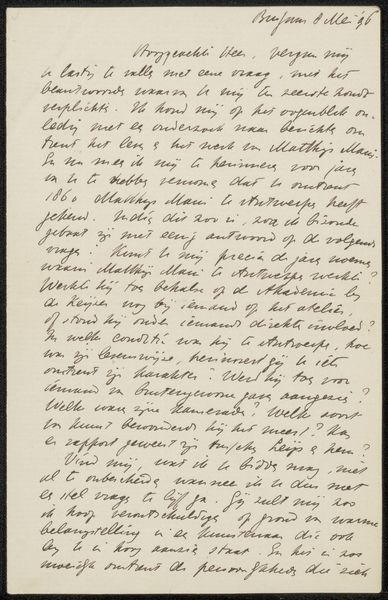
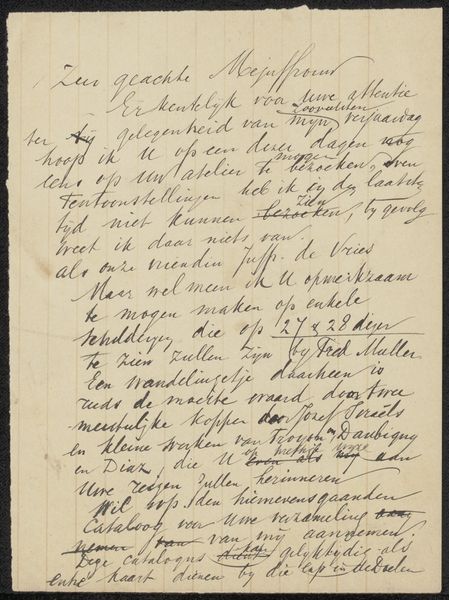
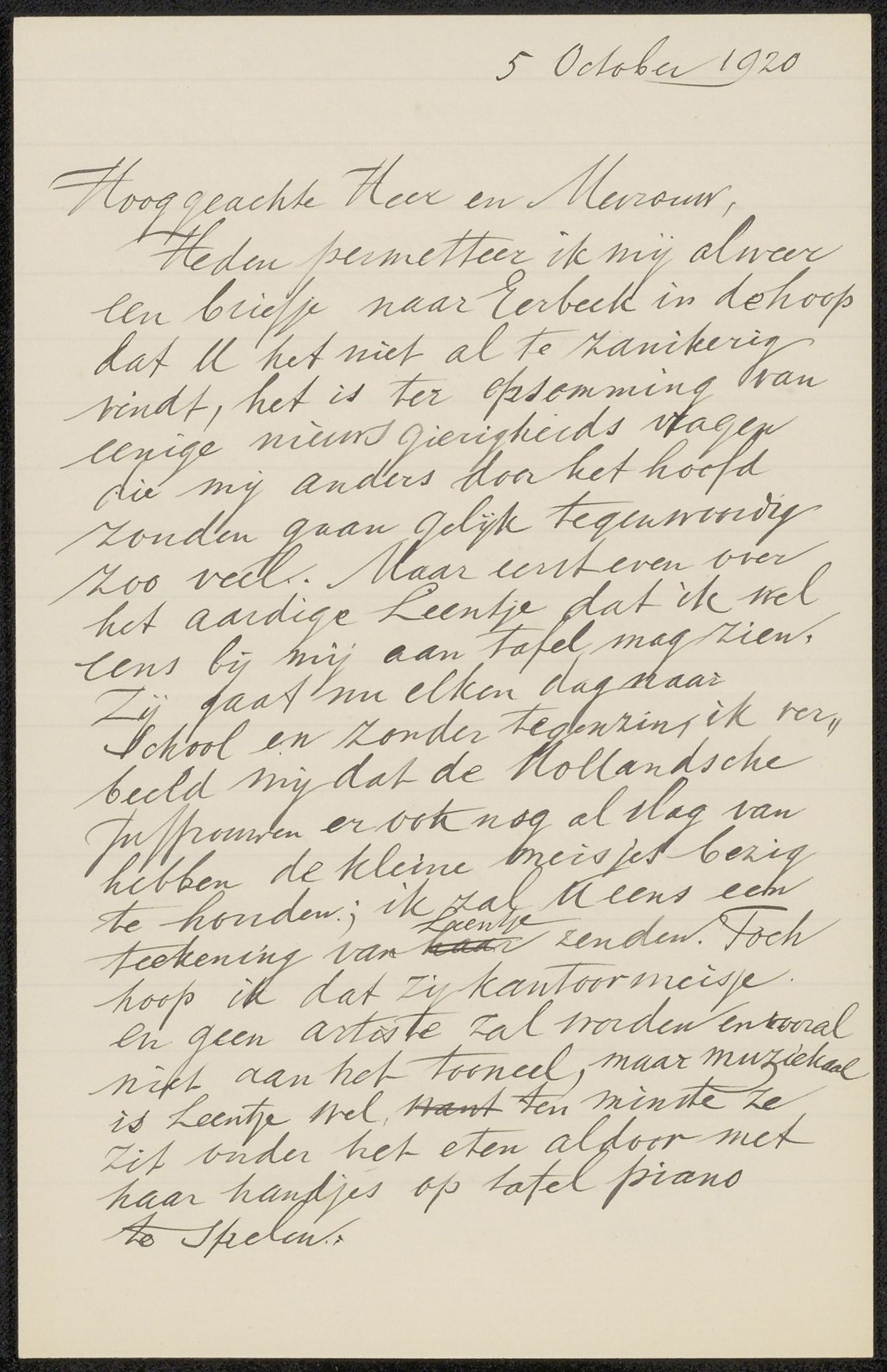
In front of you is a letter written by August Allebé on October 5, 1920. Allebé, a well-regarded painter and professor at the Rijksakademie in Amsterdam, penned this note to Max Wilhelm Carl Weber and Anne Antoinette Weber-Van Bosse. What’s striking about this correspondence is its intimacy. Beyond the formal salutations, Allebé shares personal reflections, mentioning a certain "Leentje," who he enjoys seeing at the table each day. He describes her as someone who, despite not being an artist, finds solace and expression through music, especially while playing the piano. Writing during the Interwar period, when the Netherlands was navigating the aftermath of World War I, Allebé seems to offer a glimpse into the everyday lives of those around him. There’s a sense of searching for comfort in simple joys, like the presence of Leentje at the table. While the world was changing rapidly, he chose to focus on this individual's creativity and resilience. We are left wondering about Leentje’s story and the role of art in her life.
Brief aan Max Wilhelm Carl Weber en Anne Antoinette Weber-Van Bosse
Possibly 1920

August Allebé
1838 - 1927Location
RijksmuseumArtwork details
- Medium
- drawing, ink, pen
- Location
- Rijksmuseum
- Copyright
- Rijks Museum: Open Domain
Tags
drawing
hand-lettering
hand drawn type
hand lettering
ink
intimism
pen work
pen
calligraphy
Comments
Be the first to share your thoughts about this work.
About this artwork
In front of you is a letter written by August Allebé on October 5, 1920. Allebé, a well-regarded painter and professor at the Rijksakademie in Amsterdam, penned this note to Max Wilhelm Carl Weber and Anne Antoinette Weber-Van Bosse. What’s striking about this correspondence is its intimacy. Beyond the formal salutations, Allebé shares personal reflections, mentioning a certain "Leentje," who he enjoys seeing at the table each day. He describes her as someone who, despite not being an artist, finds solace and expression through music, especially while playing the piano. Writing during the Interwar period, when the Netherlands was navigating the aftermath of World War I, Allebé seems to offer a glimpse into the everyday lives of those around him. There’s a sense of searching for comfort in simple joys, like the presence of Leentje at the table. While the world was changing rapidly, he chose to focus on this individual's creativity and resilience. We are left wondering about Leentje’s story and the role of art in her life.
Comments
Be the first to share your thoughts about this work.