About this artwork
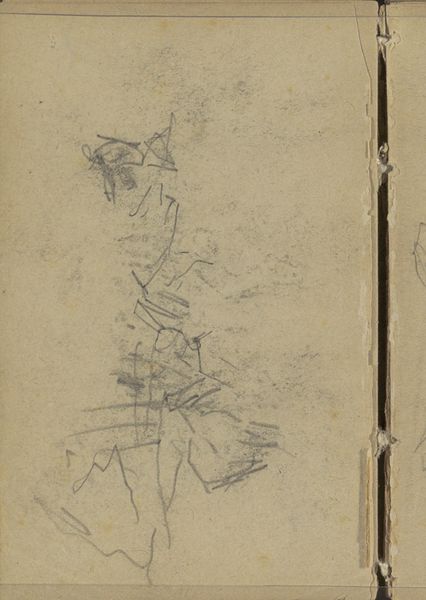
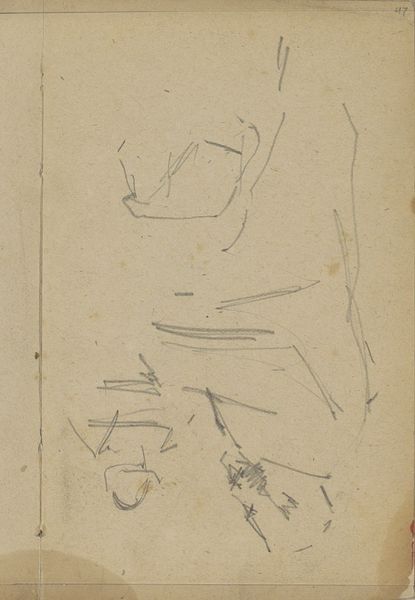
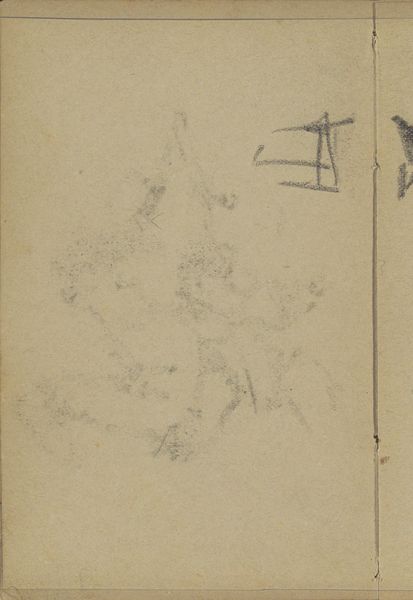
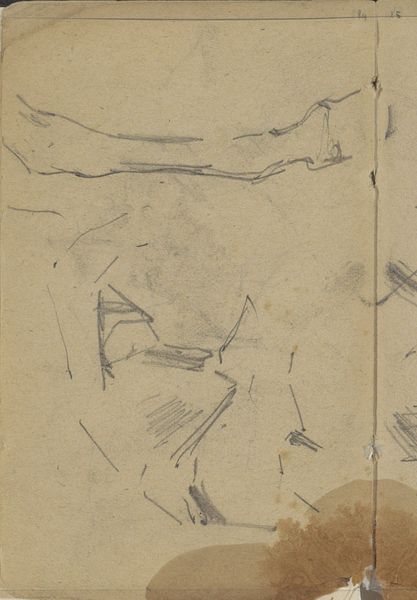
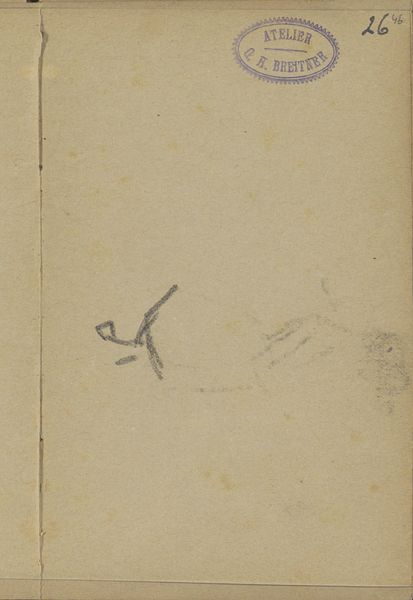
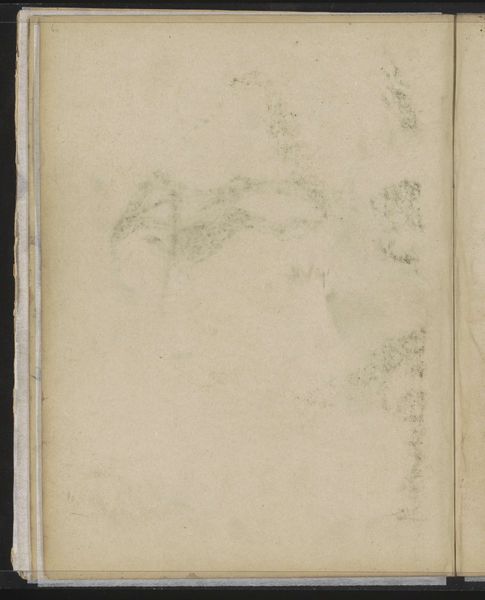
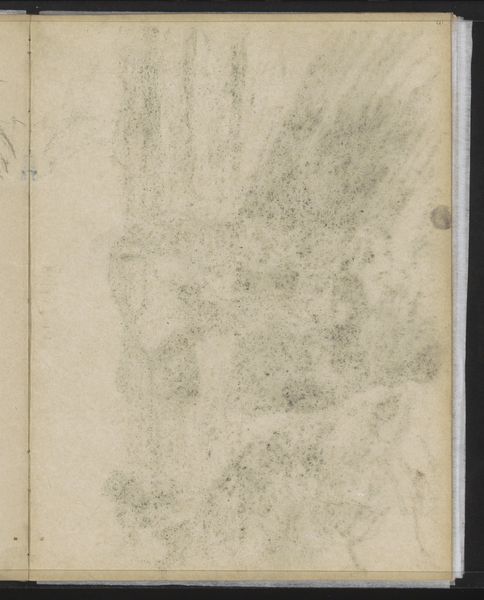
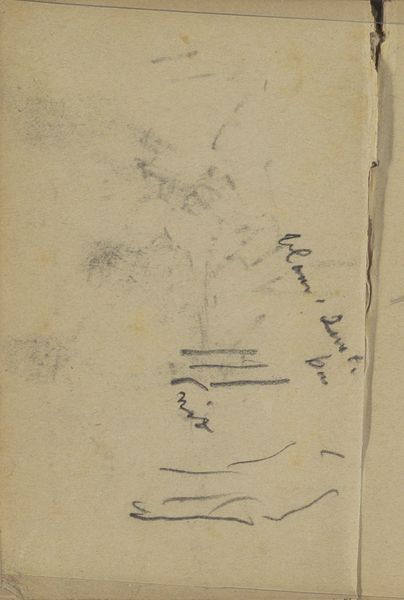
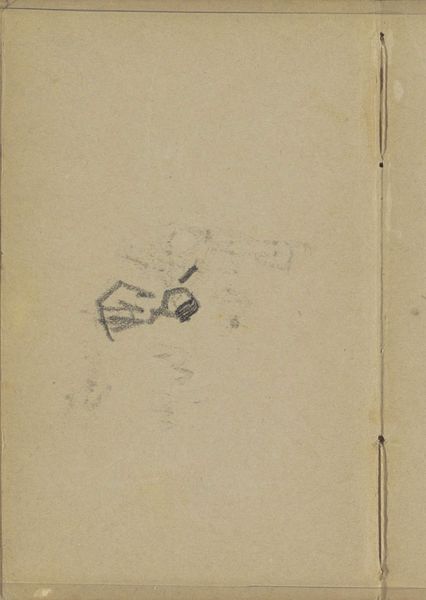
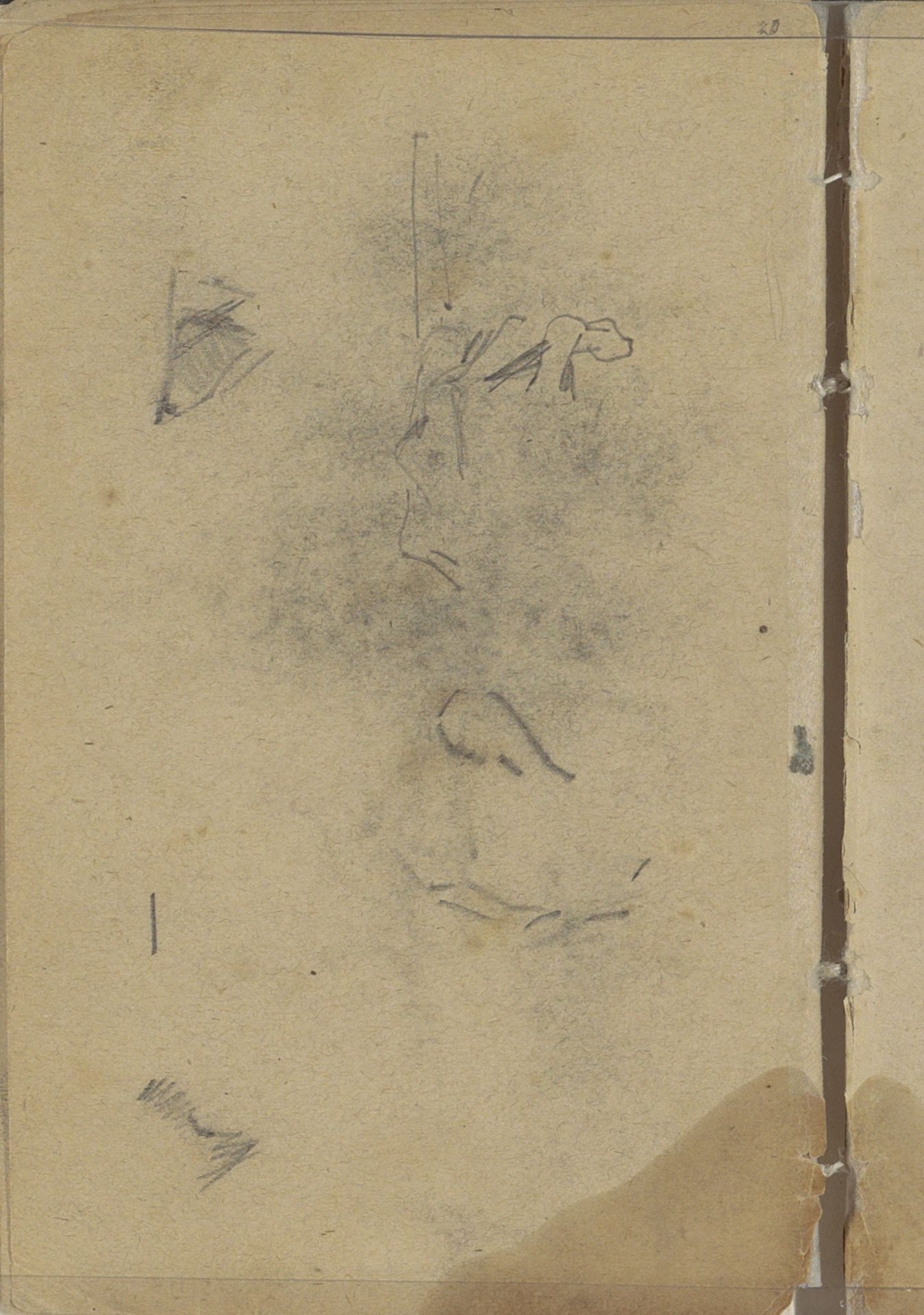
George Hendrik Breitner created this sketch, titled Studieblad, with pencil on paper. Here, we see a series of seemingly unrelated facial features and abstract shapes, each rendered with a nervous, almost frantic energy. The eye and nose, sketched with bold, decisive lines, bear a resemblance to the classical profile. The nose, a symbol that has traveled through time, often represents identity, character, and even destiny. In ancient cultures, prominent noses were signs of nobility and strength. Consider the Roman busts, where the aquiline nose signifies power and authority. This symbol's presence in Breitner's sketch suggests a subconscious echo, a reaching back to classical ideals of beauty and strength even within a modern context. This motif has resurfaced, evolved, and taken on new meanings in different historical contexts.

Artwork details
- Medium
- drawing, pencil, graphite
- Location
- Rijksmuseum
- Copyright
- Rijks Museum: Open Domain
Tags
Comments
Share your thoughts
About this artwork
George Hendrik Breitner created this sketch, titled Studieblad, with pencil on paper. Here, we see a series of seemingly unrelated facial features and abstract shapes, each rendered with a nervous, almost frantic energy. The eye and nose, sketched with bold, decisive lines, bear a resemblance to the classical profile. The nose, a symbol that has traveled through time, often represents identity, character, and even destiny. In ancient cultures, prominent noses were signs of nobility and strength. Consider the Roman busts, where the aquiline nose signifies power and authority. This symbol's presence in Breitner's sketch suggests a subconscious echo, a reaching back to classical ideals of beauty and strength even within a modern context. This motif has resurfaced, evolved, and taken on new meanings in different historical contexts.
Comments
Share your thoughts