About this artwork
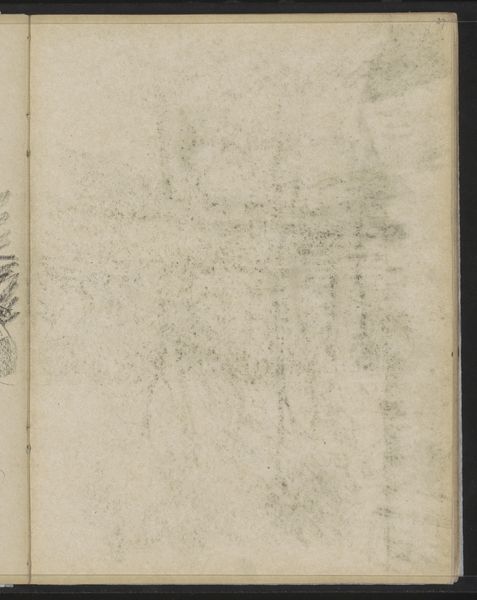
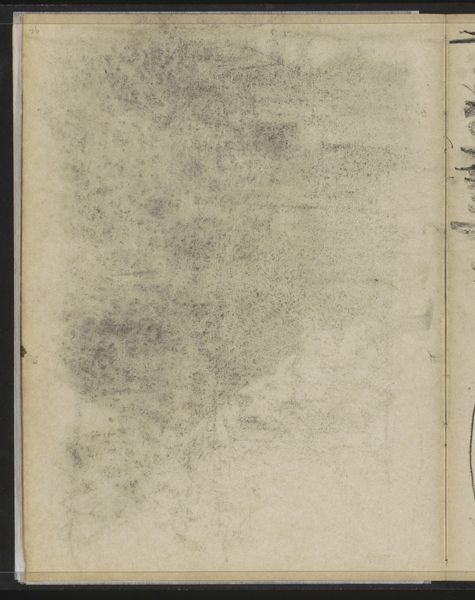
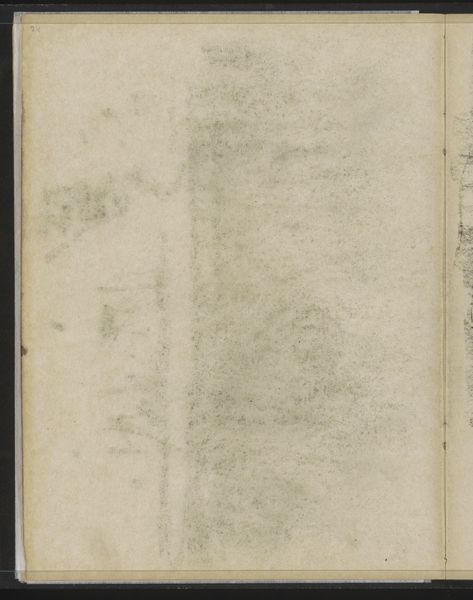
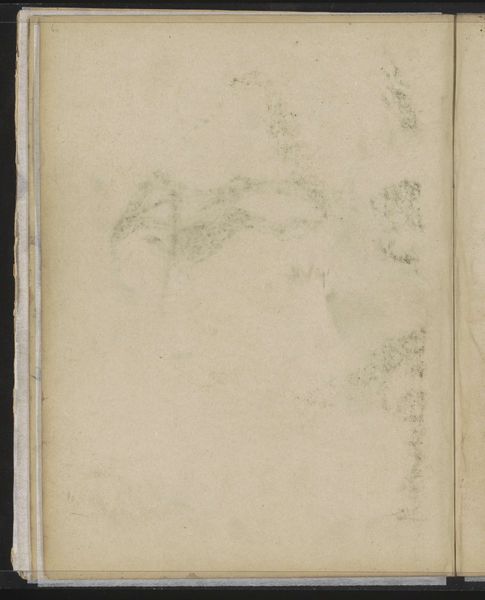
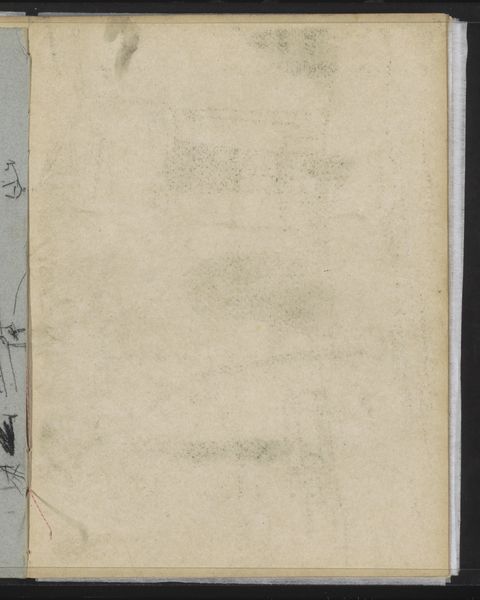
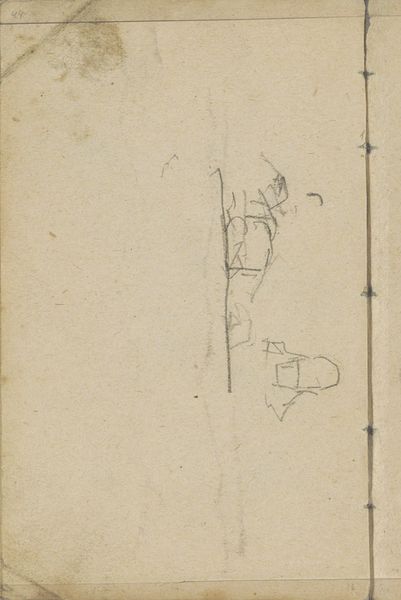
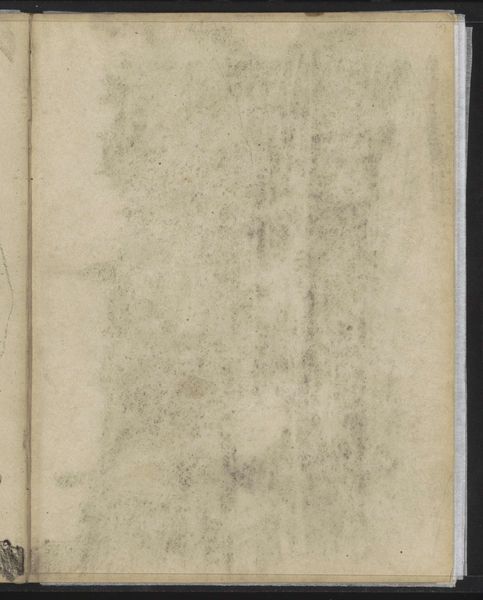
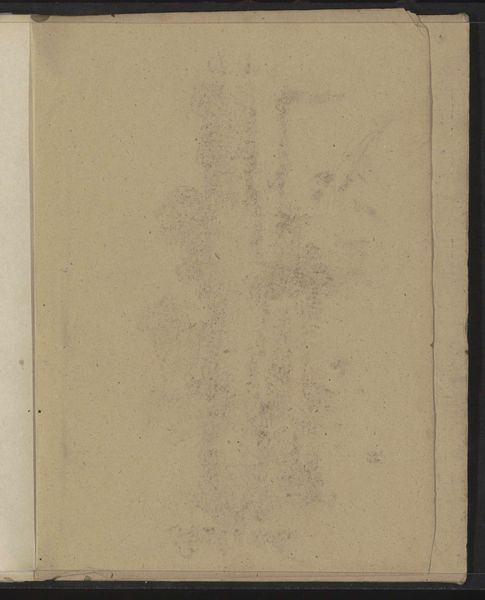
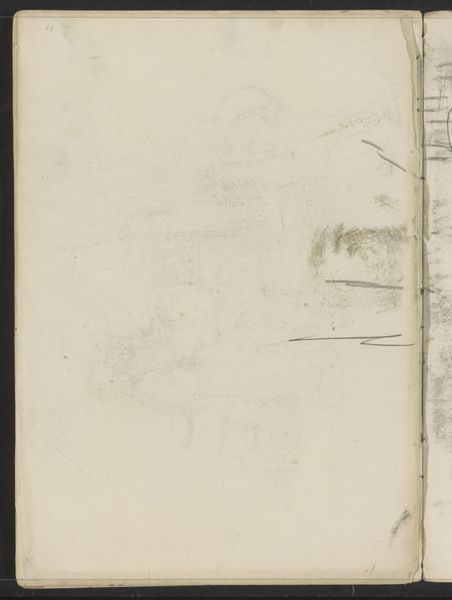
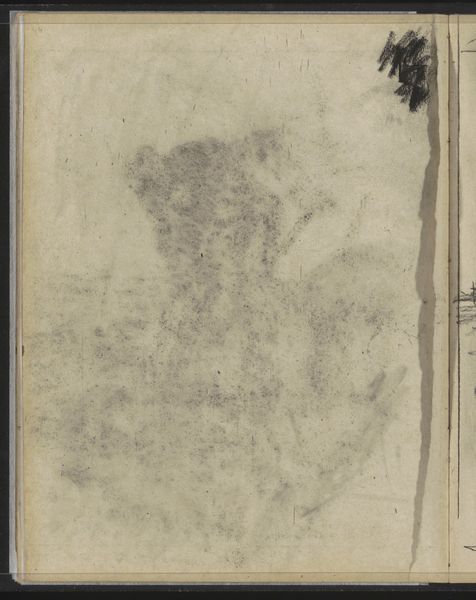
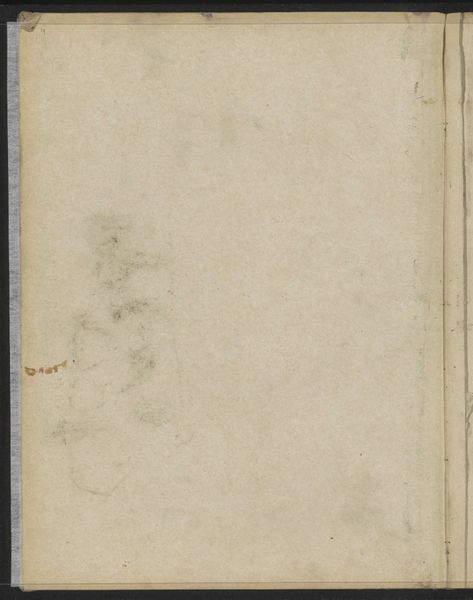
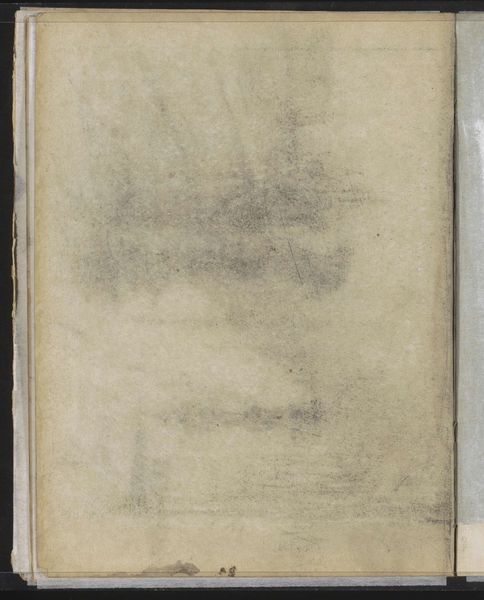
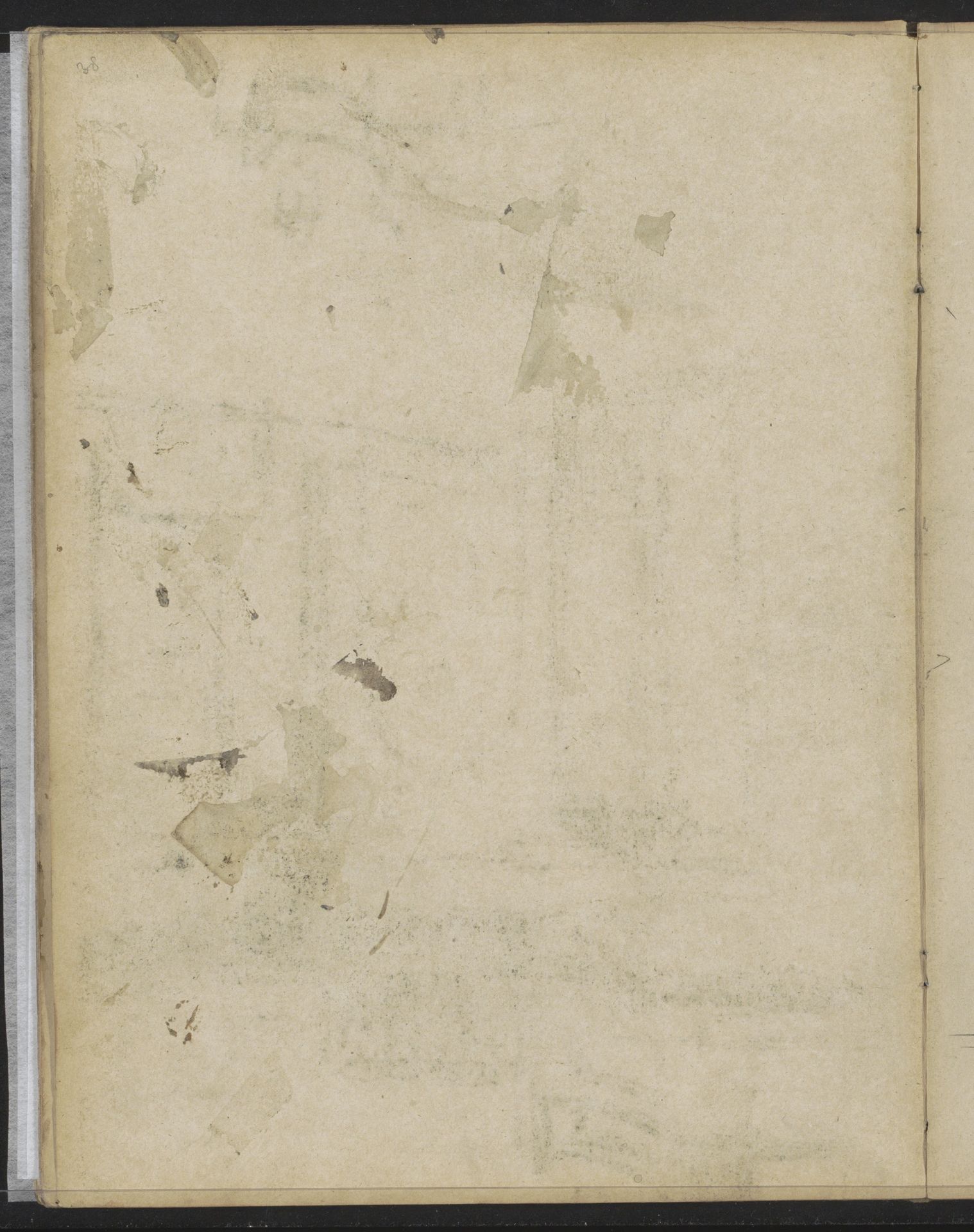
This print titled 'Abklatsch van de krijttekening op pagina 39' was made by Willem Witsen, though the exact date of the work remains unknown. Witsen lived during a time when the Netherlands was grappling with its colonial past while also solidifying its national identity through art and culture. Witsen's work exists within a cultural milieu marked by rapid industrialization and urbanization, elements which profoundly shaped the art world. As a privileged man, Witsen was able to dedicate himself to his artistic interests and to express his personal vision in his art. The process of "Abklatsch," or counter-proofing, reveals an interest in reproduction and iteration. The subtle textures and ethereal qualities of the print evoke a sense of longing and introspection. Consider what it means to capture an image, to reproduce it, and how the essence of the original can be both preserved and altered in the process. How does the act of reproduction speak to ideas of authenticity and memory?
Abklatsch van de krijttekening op pagina 39 c. 1886 - 1891

Willem Witsen
1860 - 1923Location
RijksmuseumArtwork details
- Medium
- drawing, paper, pencil
- Location
- Rijksmuseum
- Copyright
- Rijks Museum: Open Domain
Tags
portrait
drawing
impressionism
paper
pencil
Comments
No comments
About this artwork
This print titled 'Abklatsch van de krijttekening op pagina 39' was made by Willem Witsen, though the exact date of the work remains unknown. Witsen lived during a time when the Netherlands was grappling with its colonial past while also solidifying its national identity through art and culture. Witsen's work exists within a cultural milieu marked by rapid industrialization and urbanization, elements which profoundly shaped the art world. As a privileged man, Witsen was able to dedicate himself to his artistic interests and to express his personal vision in his art. The process of "Abklatsch," or counter-proofing, reveals an interest in reproduction and iteration. The subtle textures and ethereal qualities of the print evoke a sense of longing and introspection. Consider what it means to capture an image, to reproduce it, and how the essence of the original can be both preserved and altered in the process. How does the act of reproduction speak to ideas of authenticity and memory?
Comments
No comments