About this artwork
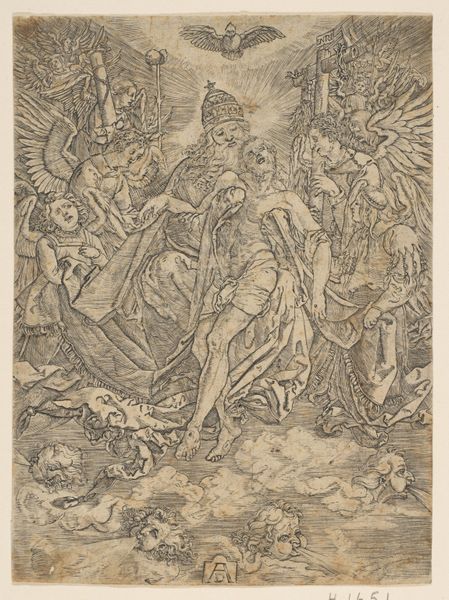
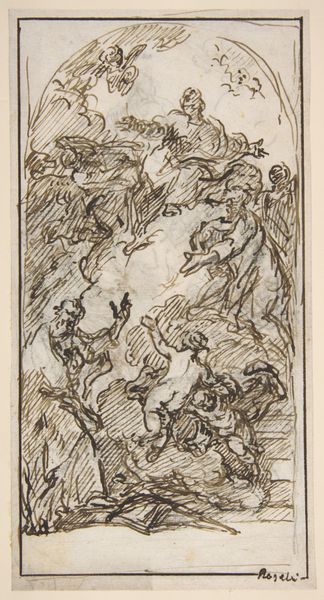
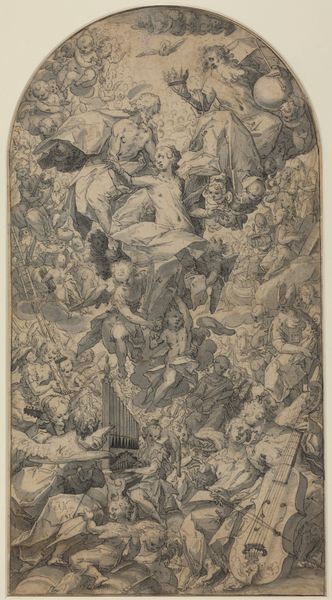
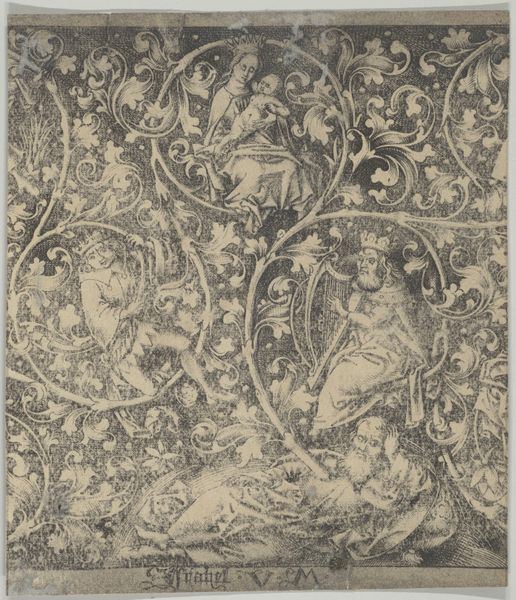
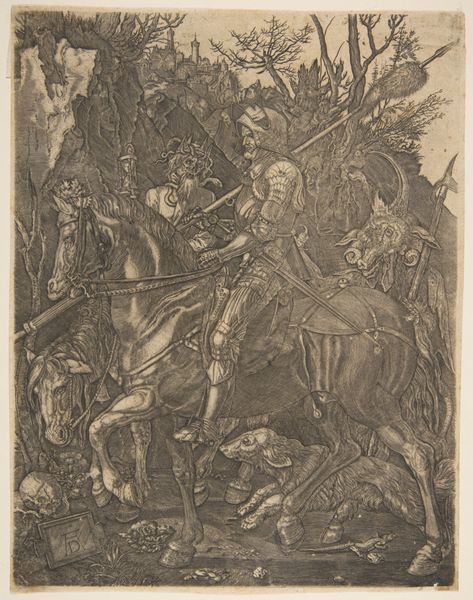
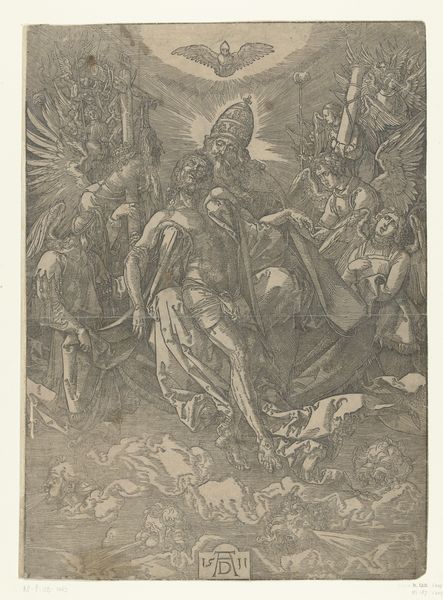
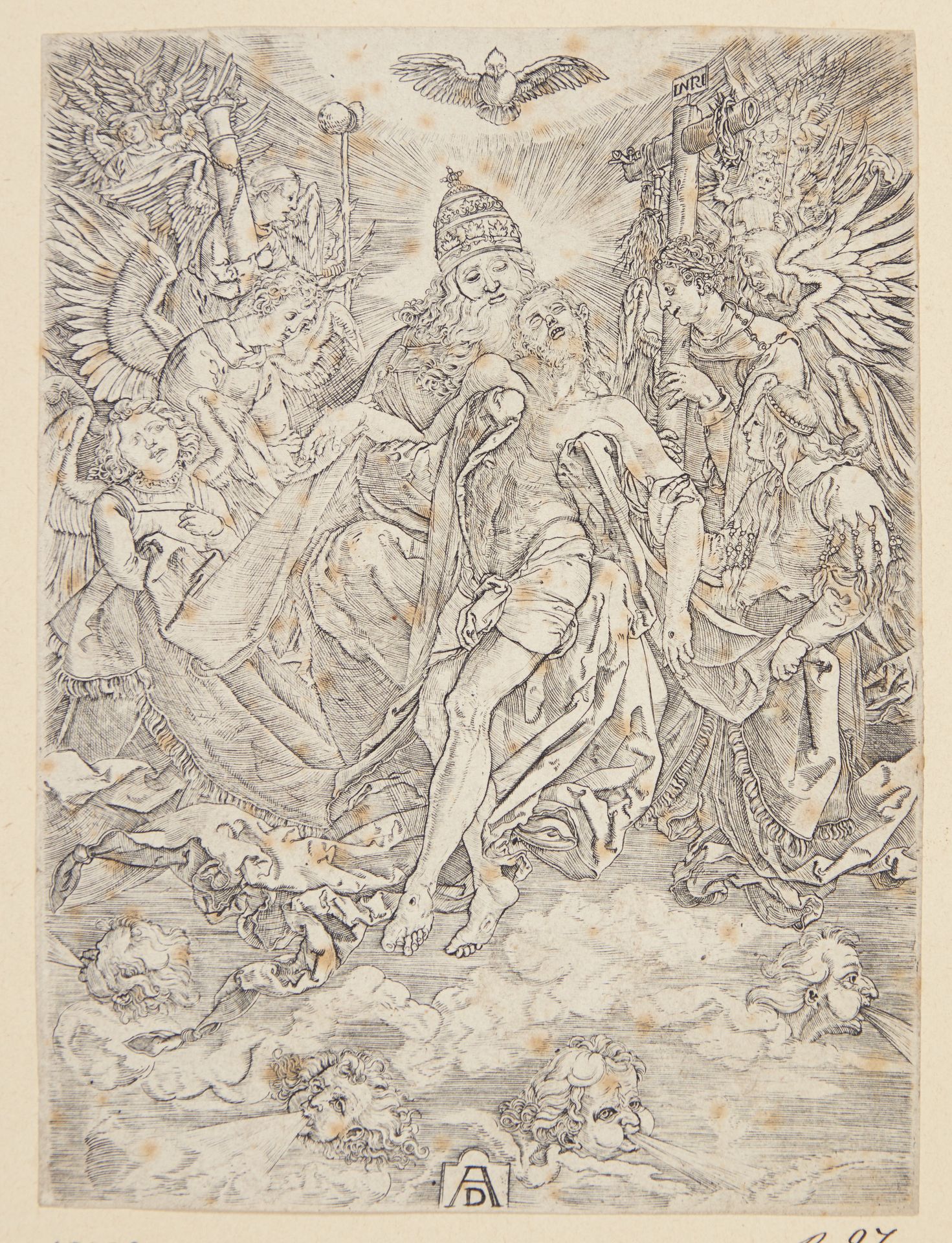
This image of The Holy Trinity is an early print by an anonymous artist. The work presents the familiar Christian motif of God the Father supporting the dead Christ, with the Holy Spirit hovering above. The print medium itself is significant. The mass production of images in early modern Europe had profound social and cultural effects. They became affordable for a wider range of social classes and spread ideas and beliefs with unprecedented speed. In Northern Europe, prints played a crucial role in the religious debates of the Reformation. Woodcuts and engravings were deployed as propaganda, both for and against the Catholic Church. In an age before mass literacy, the visual power of prints made them uniquely effective in shaping popular opinion. We might research the circulation of this image, and others like it, to better understand the social function of religious imagery in the period. What role did these images play in shaping religious beliefs and practices? Were they primarily devotional aids, or did they also serve as tools of social control?
The Holy Trinity 16th century


Artwork details
- Medium
- drawing, print, ink
- Dimensions
- 145 mm (height) x 109 mm (width) (bladmaal)
- Location
- SMK - Statens Museum for Kunst
Tags
portrait
drawing
ink painting
figuration
11_renaissance
ink
line
history-painting
italian-renaissance
Comments
No comments
About this artwork
This image of The Holy Trinity is an early print by an anonymous artist. The work presents the familiar Christian motif of God the Father supporting the dead Christ, with the Holy Spirit hovering above. The print medium itself is significant. The mass production of images in early modern Europe had profound social and cultural effects. They became affordable for a wider range of social classes and spread ideas and beliefs with unprecedented speed. In Northern Europe, prints played a crucial role in the religious debates of the Reformation. Woodcuts and engravings were deployed as propaganda, both for and against the Catholic Church. In an age before mass literacy, the visual power of prints made them uniquely effective in shaping popular opinion. We might research the circulation of this image, and others like it, to better understand the social function of religious imagery in the period. What role did these images play in shaping religious beliefs and practices? Were they primarily devotional aids, or did they also serve as tools of social control?
Comments
No comments