About this artwork
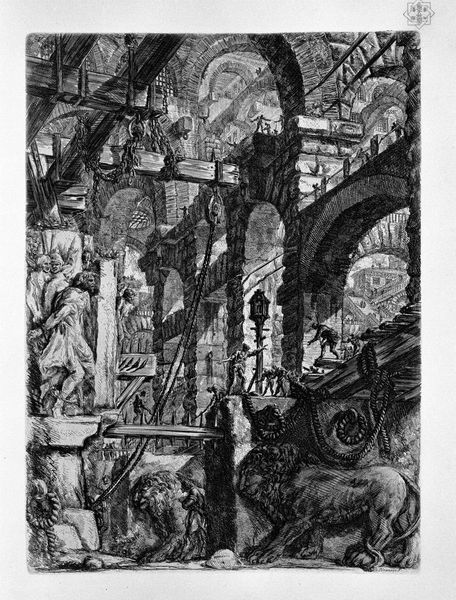
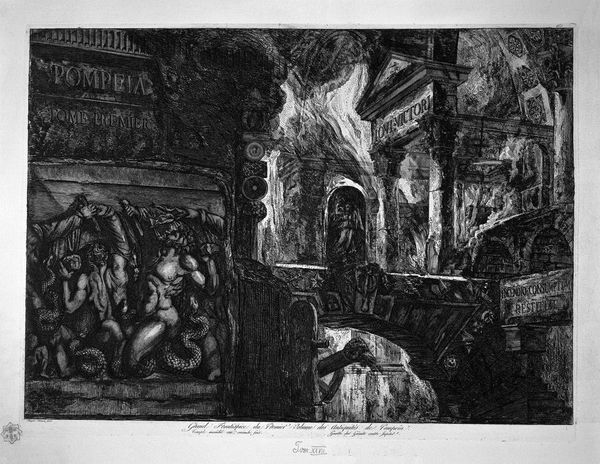
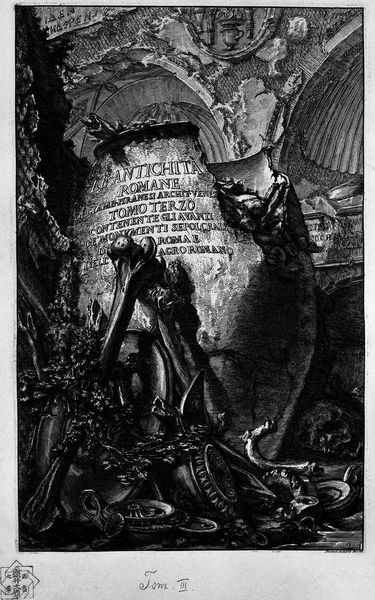
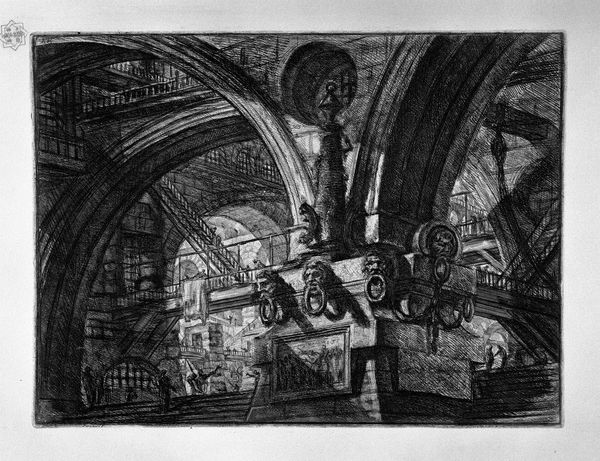
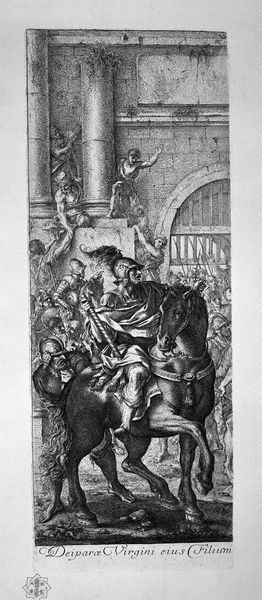
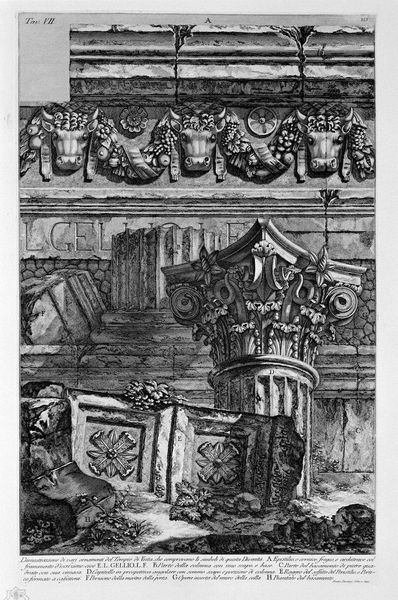
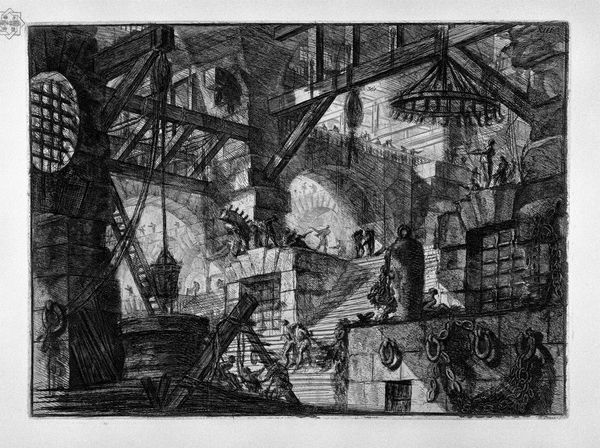
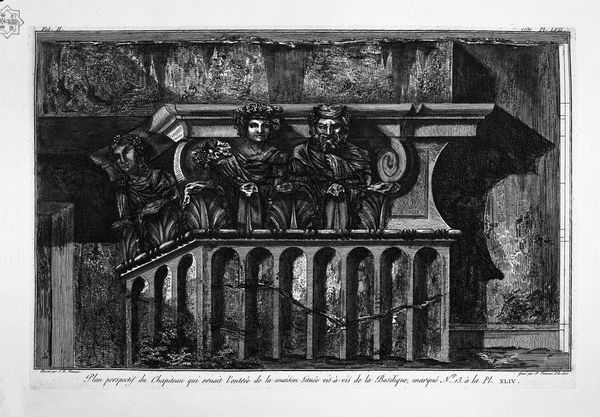
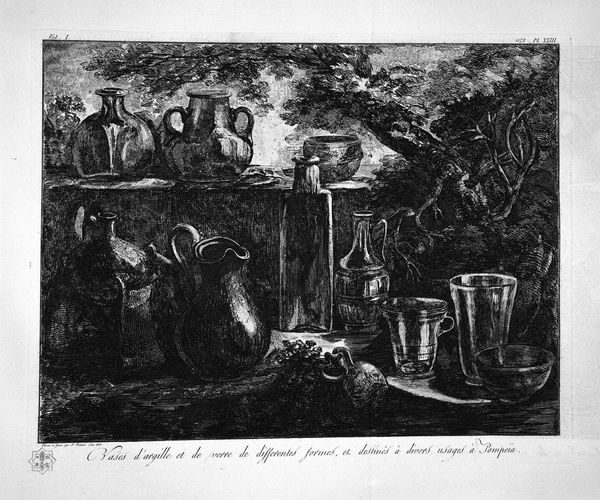
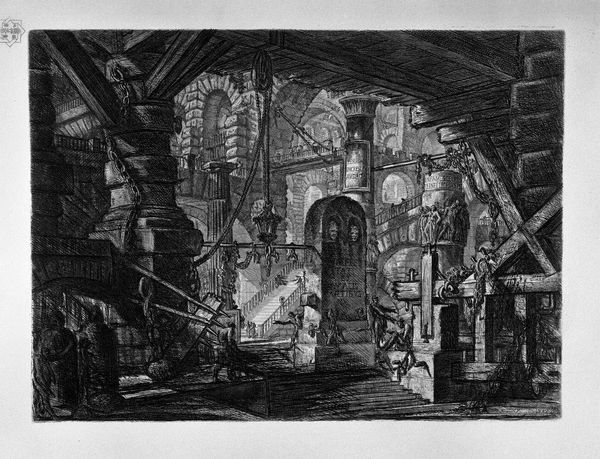
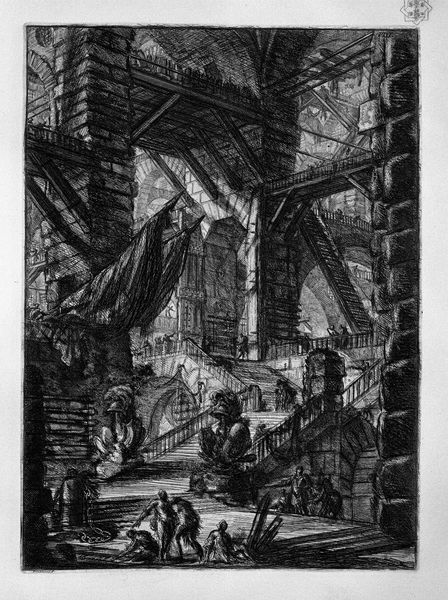
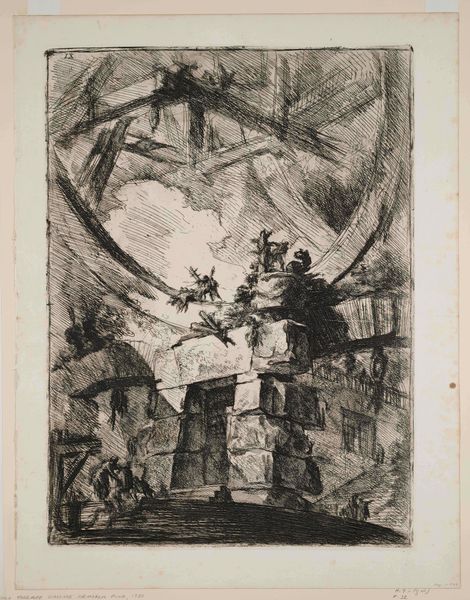
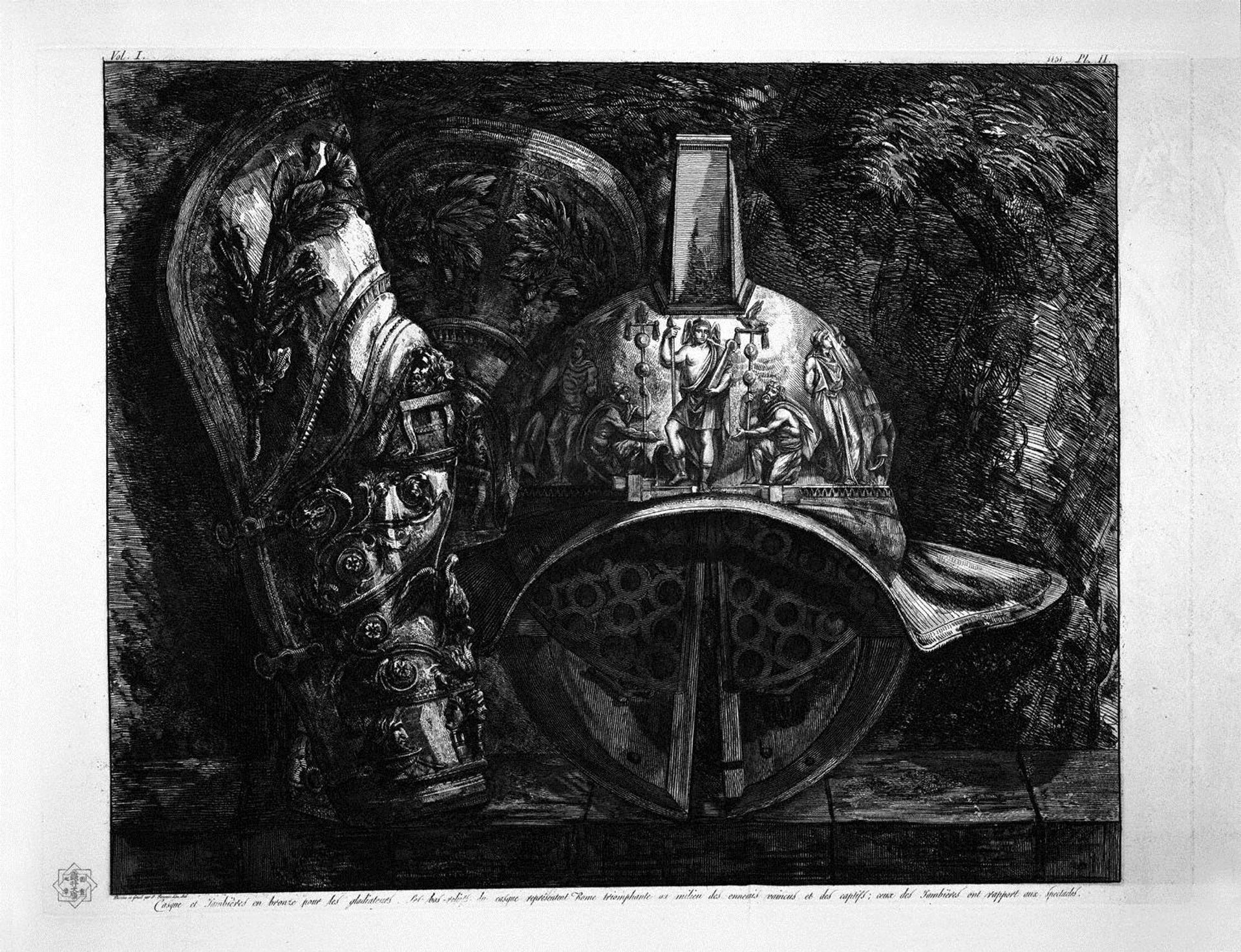
Giovanni Battista Piranesi made this etching of a gladiator's helmet and leggings in 18th century Italy. We see Piranesi’s interest in antiquity, which was a common preoccupation for artists of his time. However, Piranesi wasn't just documenting Roman artifacts; he was also making a statement about the state of Italian art and culture. Eighteenth-century Italy was a land of fragmented states, often dominated by foreign powers, but still boasting its ancient Roman heritage. Piranesi's detailed depictions of Roman artifacts can be seen as a reminder of past glory, perhaps even a call for cultural and political revival. Institutions like the Papal States often sponsored such art as a way to legitimize their own power by associating themselves with the grandeur of Rome. To understand Piranesi better, we might research the patronage system in 18th-century Italy, the politics of archaeological excavation, and the rise of Neoclassicism. These are all vital to understanding the complex social forces that shaped Piranesi's vision.

Artwork details
- Medium
- drawing, carving, print, metal, etching, engraving
- Copyright
- Public domain
Tags
drawing
carving
metal
etching
sculpture
charcoal drawing
ancient-mediterranean
carved
surrealism
history-painting
engraving
Comments
No comments
About this artwork
Giovanni Battista Piranesi made this etching of a gladiator's helmet and leggings in 18th century Italy. We see Piranesi’s interest in antiquity, which was a common preoccupation for artists of his time. However, Piranesi wasn't just documenting Roman artifacts; he was also making a statement about the state of Italian art and culture. Eighteenth-century Italy was a land of fragmented states, often dominated by foreign powers, but still boasting its ancient Roman heritage. Piranesi's detailed depictions of Roman artifacts can be seen as a reminder of past glory, perhaps even a call for cultural and political revival. Institutions like the Papal States often sponsored such art as a way to legitimize their own power by associating themselves with the grandeur of Rome. To understand Piranesi better, we might research the patronage system in 18th-century Italy, the politics of archaeological excavation, and the rise of Neoclassicism. These are all vital to understanding the complex social forces that shaped Piranesi's vision.
Comments
No comments