About this artwork
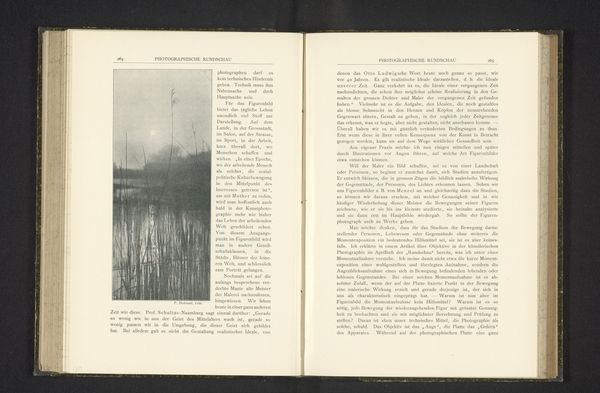
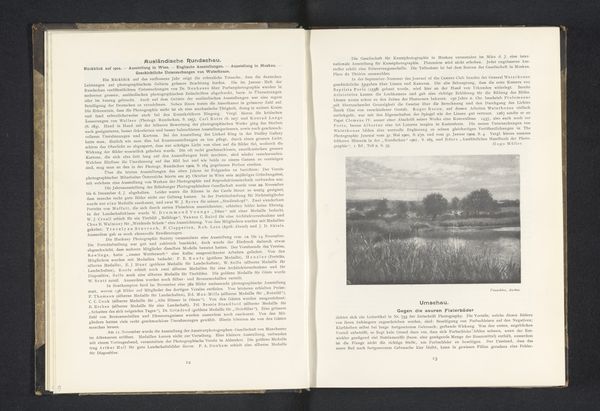
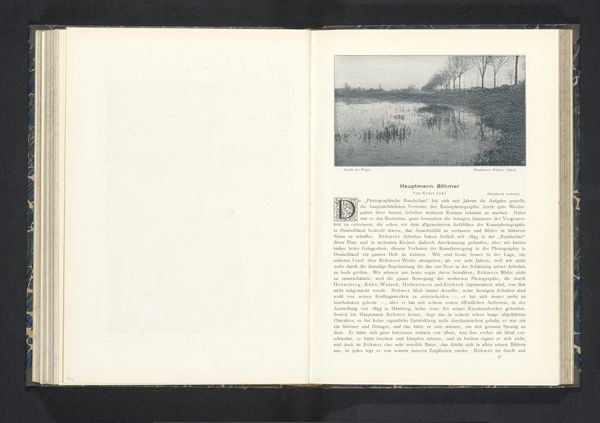
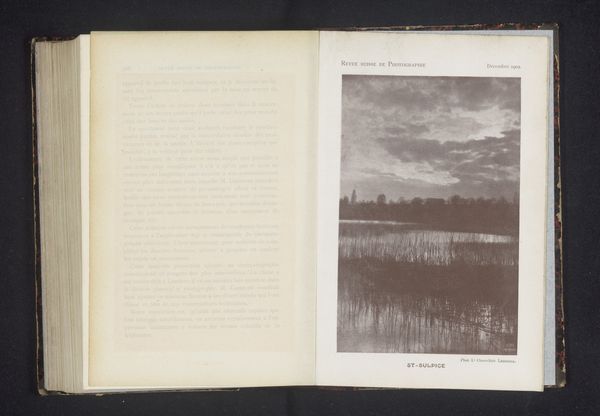
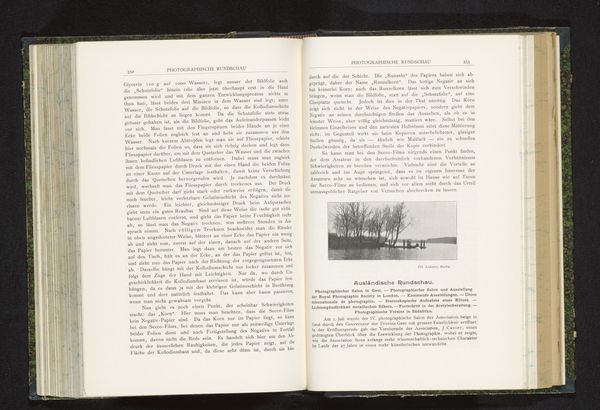
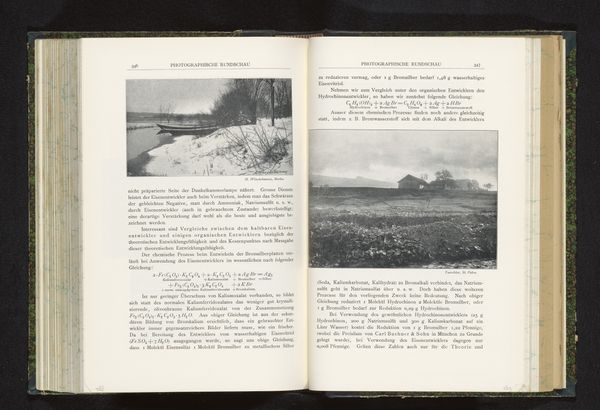
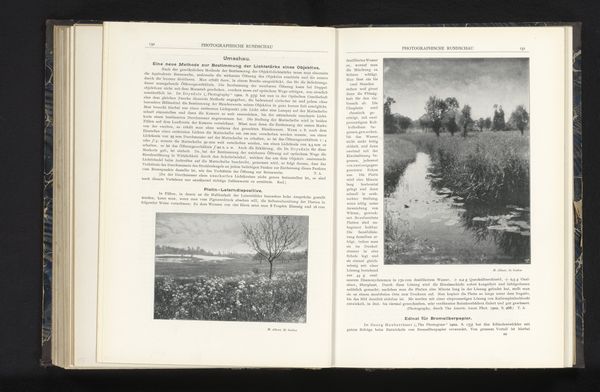
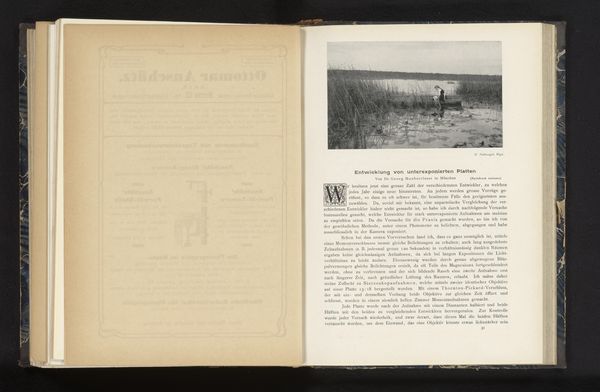
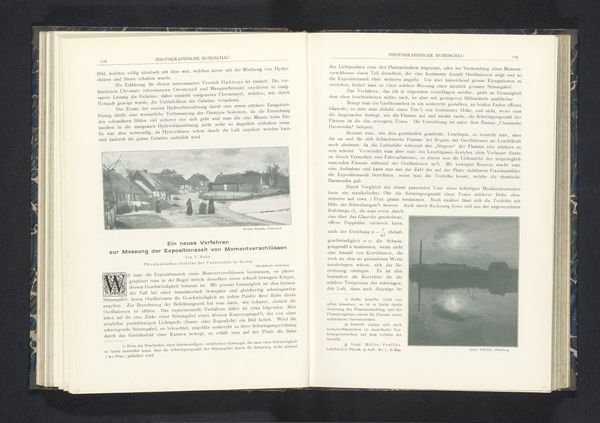
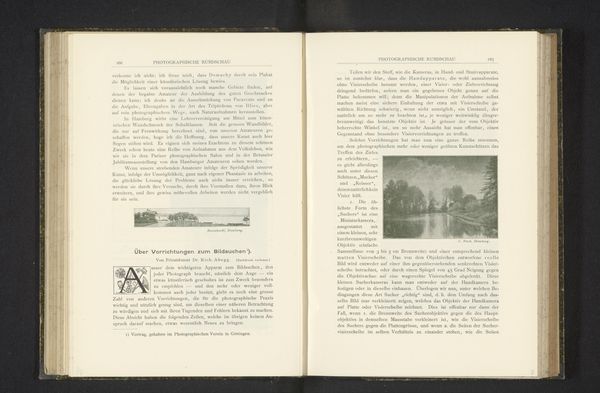
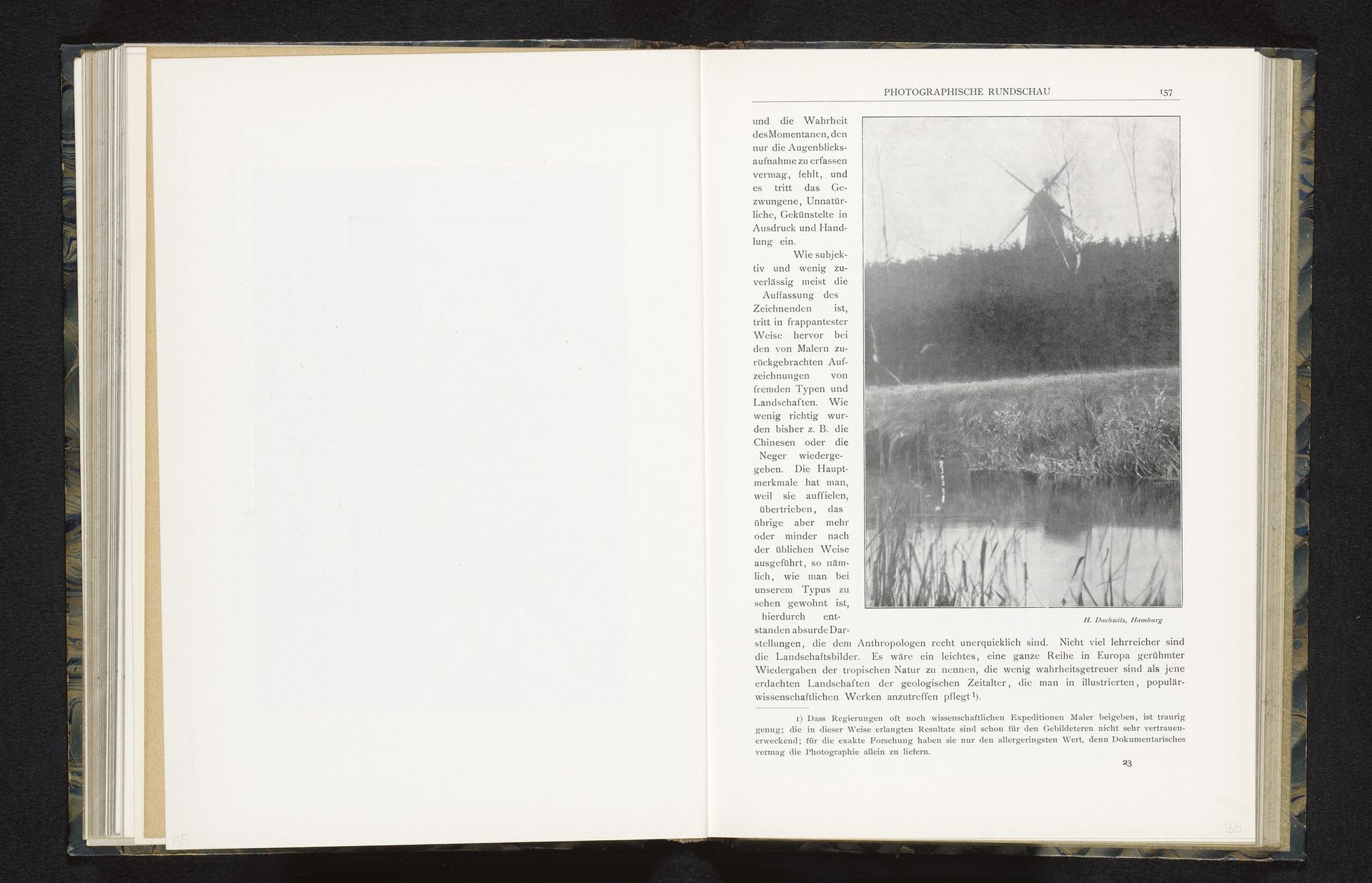
Editor: Here we have an image from before 1900, "Gezicht op een molen en een sloot", attributed to Hugo Dachwitz. It looks like it's printed in an old journal. There's a serene, almost melancholy mood to it. What strikes you about this work? Curator: Melancholy is spot on, I feel. I'm drawn to the windmill; it’s silhouetted against… well, nothing much, really. The flatness of the image kind of dissolves it. Like a memory fading in real-time, the same way early photos become ghosts on aged paper, haunting us with what used to be. See how the photographer captures, even celebrates, a sort of mundane timelessness, how light breathes across water, trees sway ever so gently. What might seem uninteresting contains infinite shades. Don't you think? Editor: Yes, it's that timeless quality that resonates. And it does feel like a very particular time of photographic history. Curator: Absolutely. Photography tried so hard to become “art.” So seriously. Dachwitz seems to capture not just a scene, but the quiet determination to define its very essence and quiet stillness. Editor: It makes me think about the way we value authenticity and imperfection today. It seems people were striving for that even way back then. Curator: Indeed! To find beauty in the raw and the real – even when obscured by time! Looking closely helps us see differently!

Artwork details
- Dimensions
- height 165 mm, width 107 mm
- Copyright
- Rijks Museum: Open Domain
Tags
type repetition
aged paper
editorial typography
personal sketchbook
journal
fading type
thick font
handwritten font
historical font
columned text
Comments
Be the first to share your thoughts about this work.
About this artwork
Editor: Here we have an image from before 1900, "Gezicht op een molen en een sloot", attributed to Hugo Dachwitz. It looks like it's printed in an old journal. There's a serene, almost melancholy mood to it. What strikes you about this work? Curator: Melancholy is spot on, I feel. I'm drawn to the windmill; it’s silhouetted against… well, nothing much, really. The flatness of the image kind of dissolves it. Like a memory fading in real-time, the same way early photos become ghosts on aged paper, haunting us with what used to be. See how the photographer captures, even celebrates, a sort of mundane timelessness, how light breathes across water, trees sway ever so gently. What might seem uninteresting contains infinite shades. Don't you think? Editor: Yes, it's that timeless quality that resonates. And it does feel like a very particular time of photographic history. Curator: Absolutely. Photography tried so hard to become “art.” So seriously. Dachwitz seems to capture not just a scene, but the quiet determination to define its very essence and quiet stillness. Editor: It makes me think about the way we value authenticity and imperfection today. It seems people were striving for that even way back then. Curator: Indeed! To find beauty in the raw and the real – even when obscured by time! Looking closely helps us see differently!
Comments
Be the first to share your thoughts about this work.