About this artwork
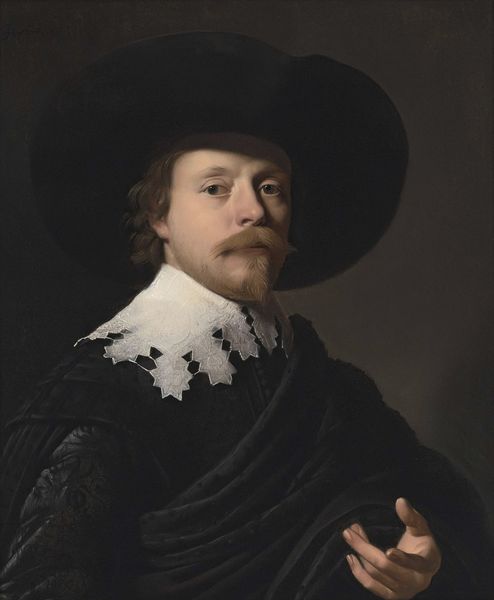
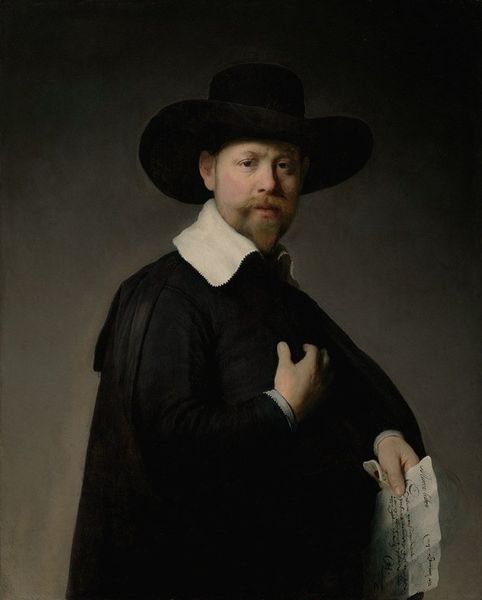
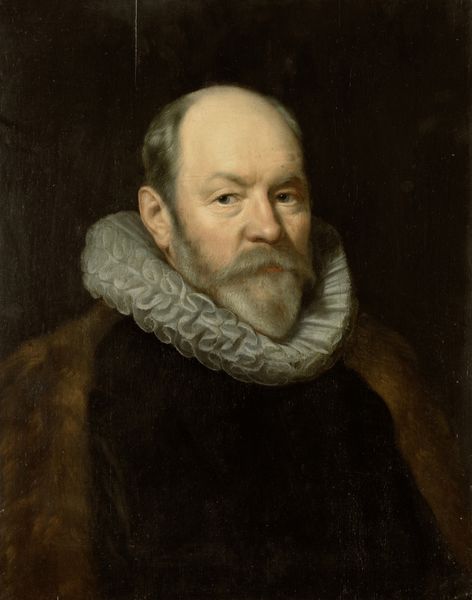
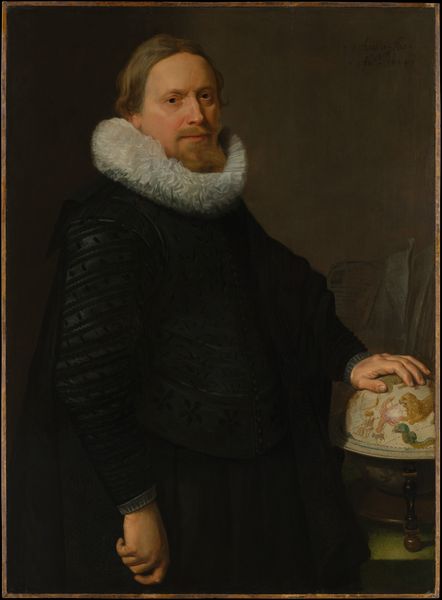
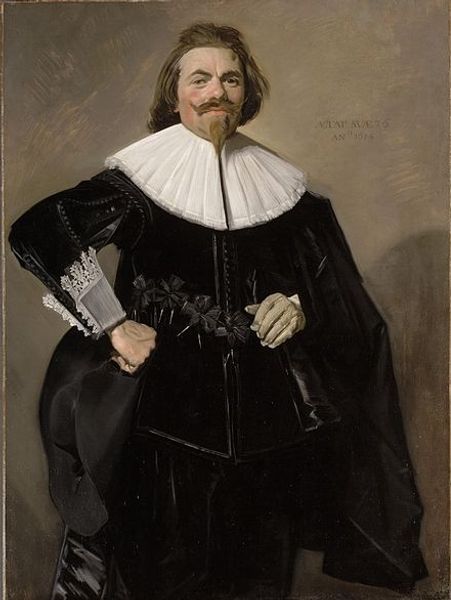
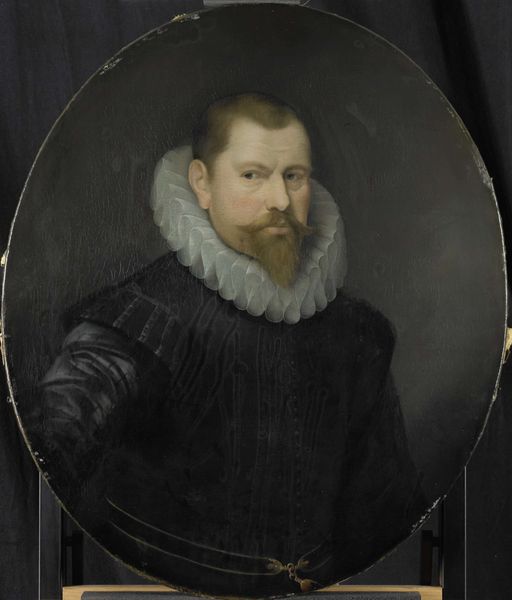
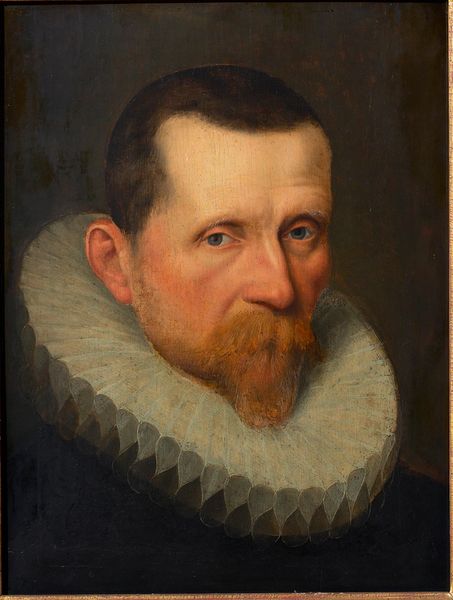
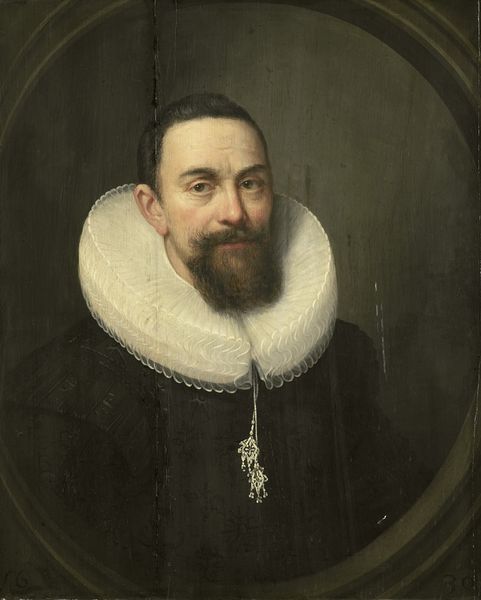
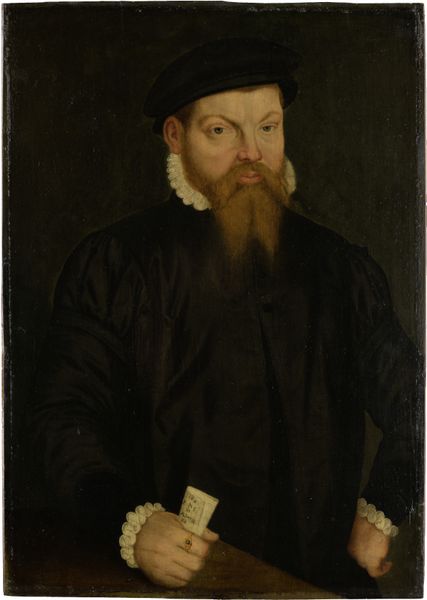
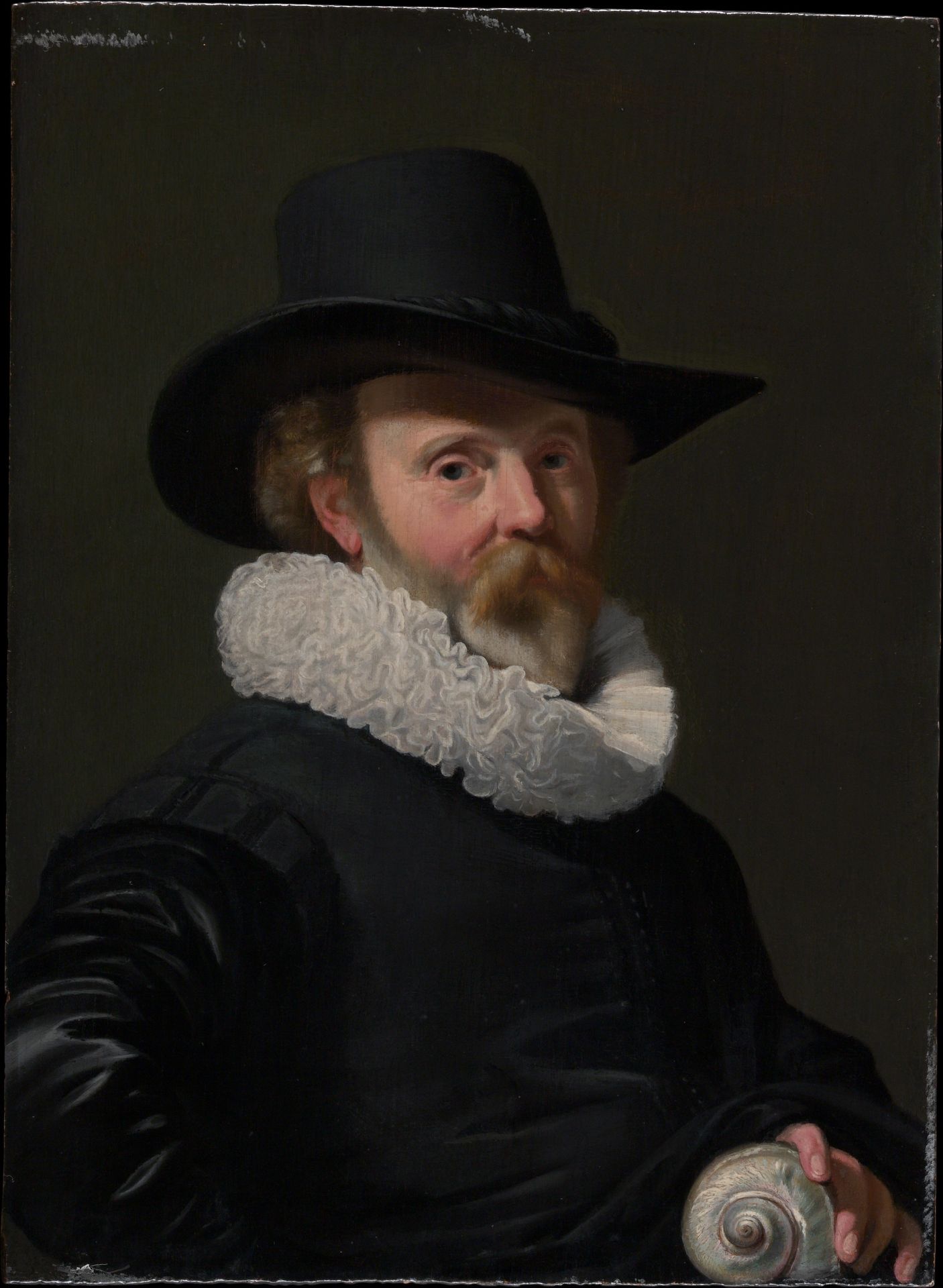
Thomas de Keyser captured this man on a small panel, likely with oil, in the 17th century. The sitter’s gaze is direct, his hand resting on a shell, a subtle yet powerful symbol. Shells have echoed through art history, emblems of pilgrimage, like Saint James' scallop, and symbols of Venus, born from the sea foam in Botticelli's famous painting. Yet, here, the shell might signify something more personal, perhaps a collector’s item, or even a vanitas reminder of life’s fleeting nature. Consider the spiraling form of the shell, echoing the labyrinthine paths of human thought. Across cultures, spirals represent growth, evolution, and the cyclical nature of time. This symbol touches something primal within us, a subconscious recognition of life's continuous journey. The shell, therefore, engages us on an emotional level, sparking contemplation about our own place within this eternal cycle. It is a symbol that has resurfaced throughout art history, each time taking on new layers of meaning.
Portrait of a Man with a Shell
1625 - 1626


Artwork details
- Dimensions
- 9 3/8 x 6 3/4 in. (23.8 x 17.1 cm)
- Location
- Metropolitan Museum of Art, New York, NY
- Copyright
- Public Domain
Tags
Comments
Share your thoughts
About this artwork
Thomas de Keyser captured this man on a small panel, likely with oil, in the 17th century. The sitter’s gaze is direct, his hand resting on a shell, a subtle yet powerful symbol. Shells have echoed through art history, emblems of pilgrimage, like Saint James' scallop, and symbols of Venus, born from the sea foam in Botticelli's famous painting. Yet, here, the shell might signify something more personal, perhaps a collector’s item, or even a vanitas reminder of life’s fleeting nature. Consider the spiraling form of the shell, echoing the labyrinthine paths of human thought. Across cultures, spirals represent growth, evolution, and the cyclical nature of time. This symbol touches something primal within us, a subconscious recognition of life's continuous journey. The shell, therefore, engages us on an emotional level, sparking contemplation about our own place within this eternal cycle. It is a symbol that has resurfaced throughout art history, each time taking on new layers of meaning.
Comments
Share your thoughts