About this artwork
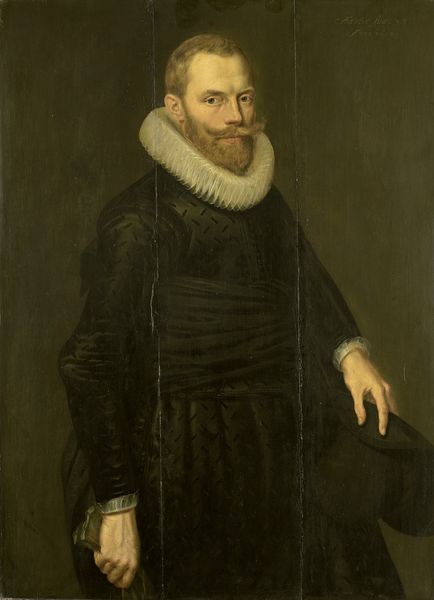
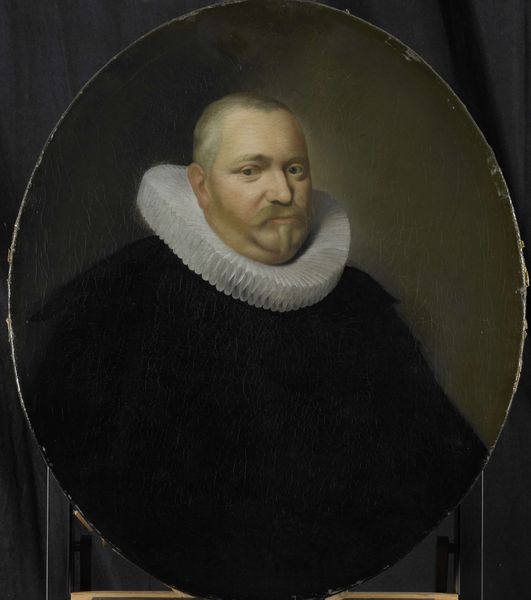
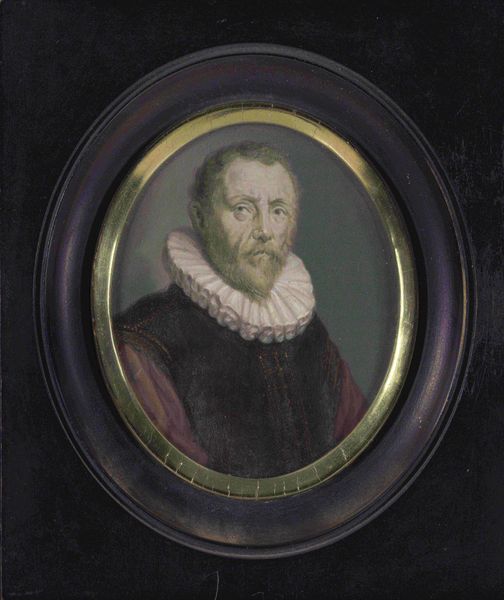
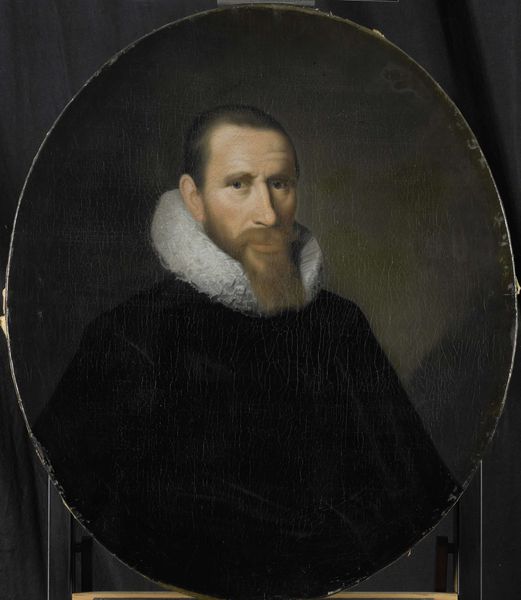
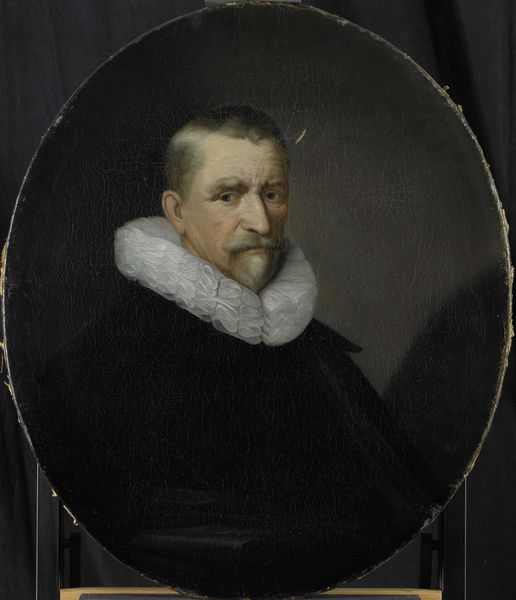
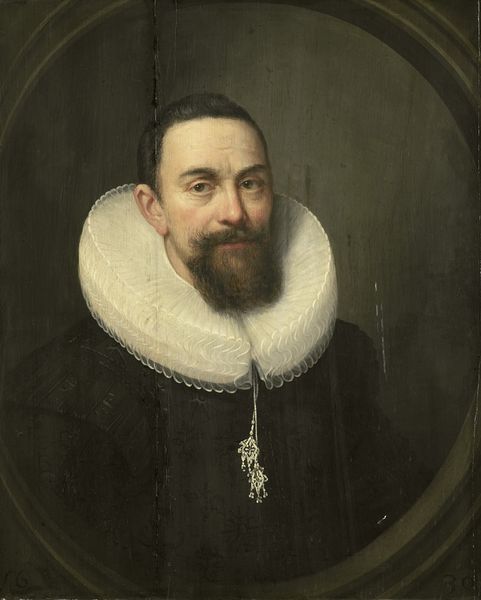
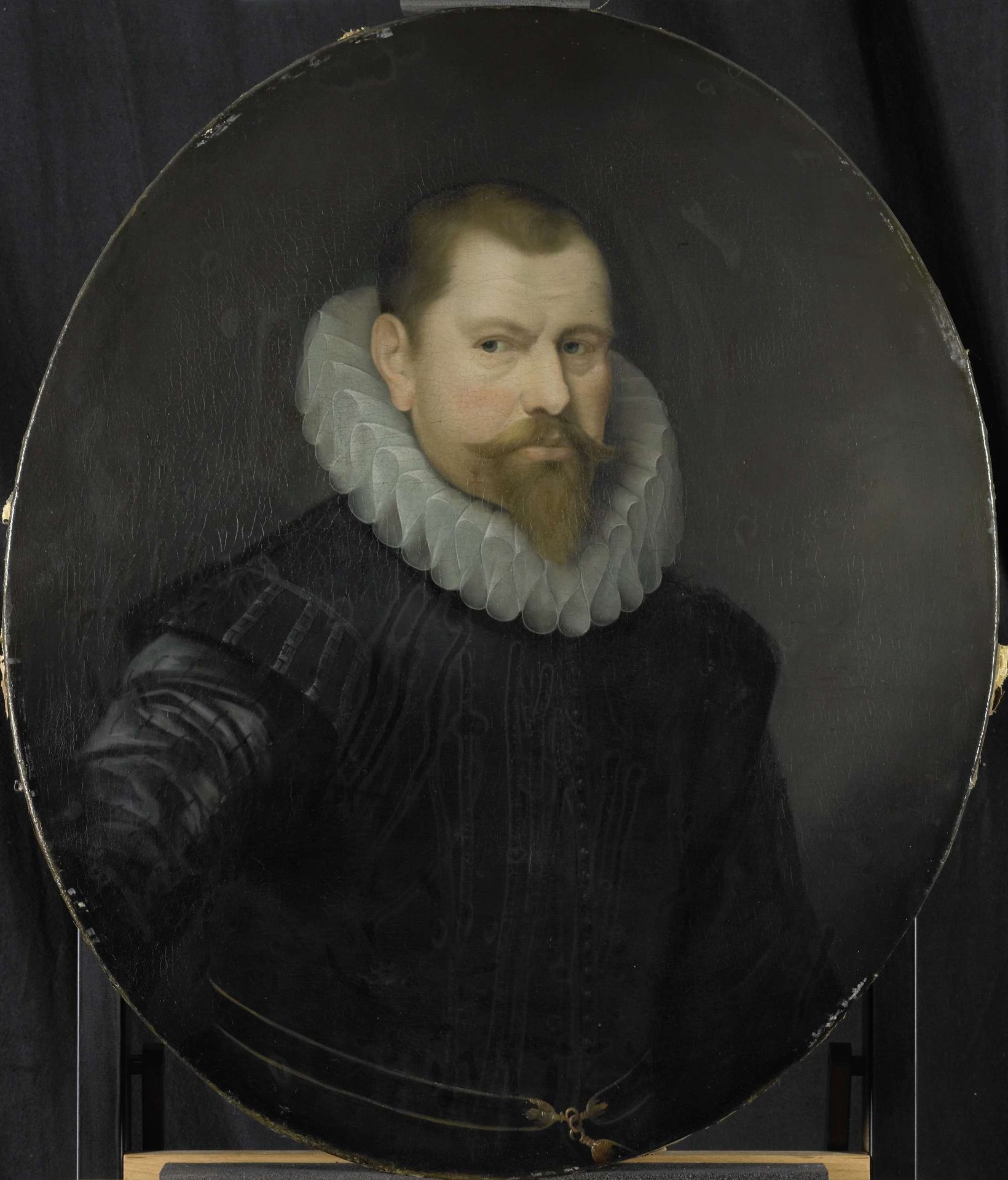
Pieter van der Werff painted this portrait of Cornelis Matelieff the Younger on canvas, probably in the early 1700s. Though painting may seem a world away from global commerce, here the two are powerfully linked. Note the sheer amount of labor that would have been needed to produce this image, from grinding the pigments to weaving the canvas. The dark colors speak to the painting’s purpose: the somber presentation is entirely appropriate for a man of Matelieff's position, who was in charge of the Dutch East India Company. The flat, opaque surface shows van der Werff's technical mastery of the oil medium. But consider also the raw materials that were the real engine of the Dutch economy at this time: spices, silks, porcelain. This portrait offers a glimpse into a world where commerce, craft, and artistry were deeply entwined. It reminds us that all cultural production has a material basis, even when it represents something as abstract as economic power.
Portrait of Cornelis Matelieff the Younger, Director of the Rotterdam Chamber of the Dutch East India Company, elected 1602
1695 - 1722

Artwork details
- Medium
- painting, oil-paint
- Dimensions
- height 82 cm, width 68 cm
- Copyright
- Rijks Museum: Open Domain
Tags
Comments
Share your thoughts
About this artwork
Pieter van der Werff painted this portrait of Cornelis Matelieff the Younger on canvas, probably in the early 1700s. Though painting may seem a world away from global commerce, here the two are powerfully linked. Note the sheer amount of labor that would have been needed to produce this image, from grinding the pigments to weaving the canvas. The dark colors speak to the painting’s purpose: the somber presentation is entirely appropriate for a man of Matelieff's position, who was in charge of the Dutch East India Company. The flat, opaque surface shows van der Werff's technical mastery of the oil medium. But consider also the raw materials that were the real engine of the Dutch economy at this time: spices, silks, porcelain. This portrait offers a glimpse into a world where commerce, craft, and artistry were deeply entwined. It reminds us that all cultural production has a material basis, even when it represents something as abstract as economic power.
Comments
Share your thoughts