About this artwork
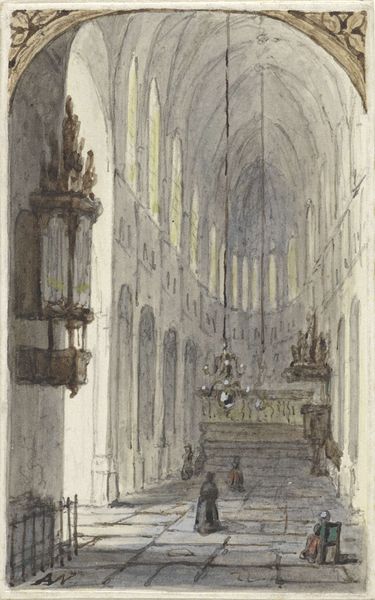
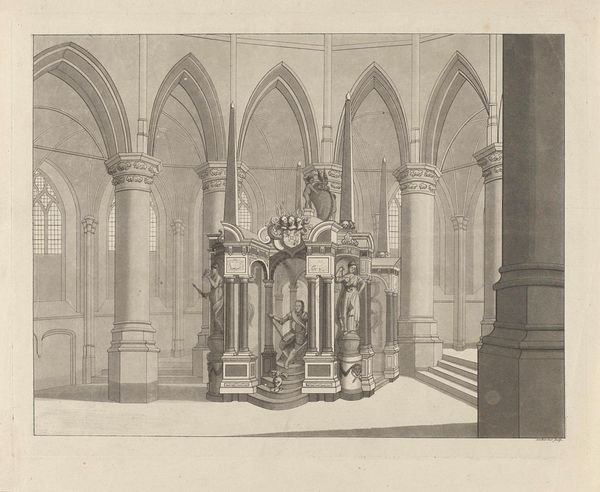
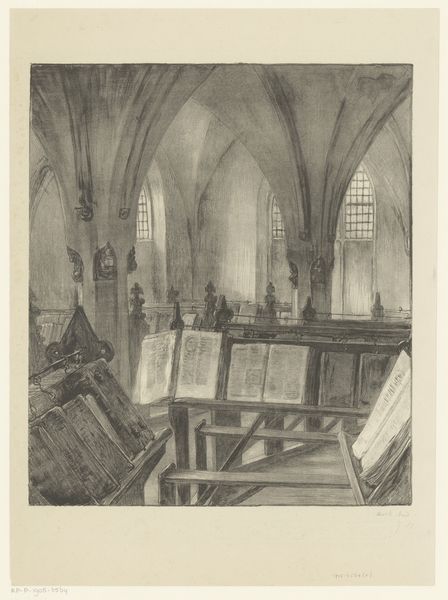
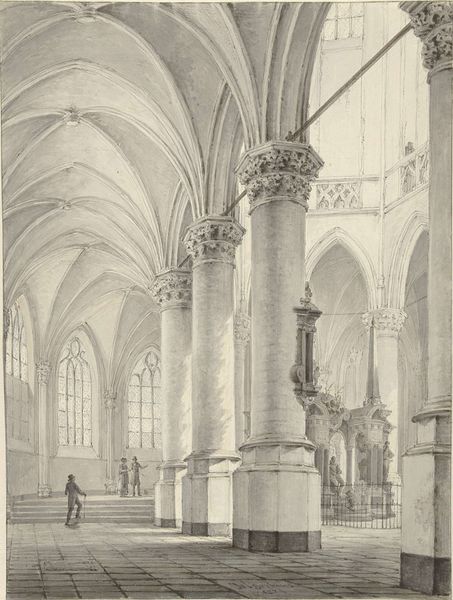
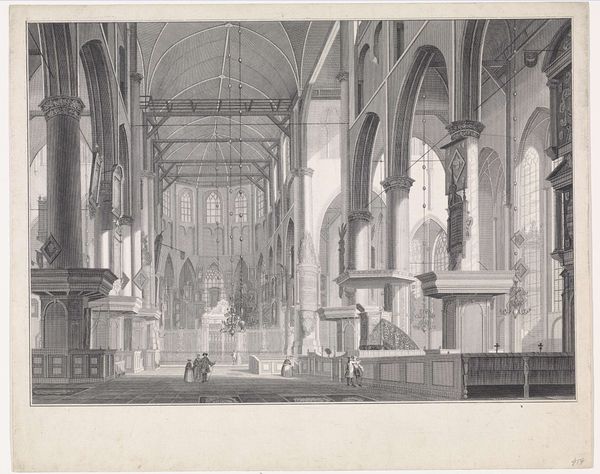
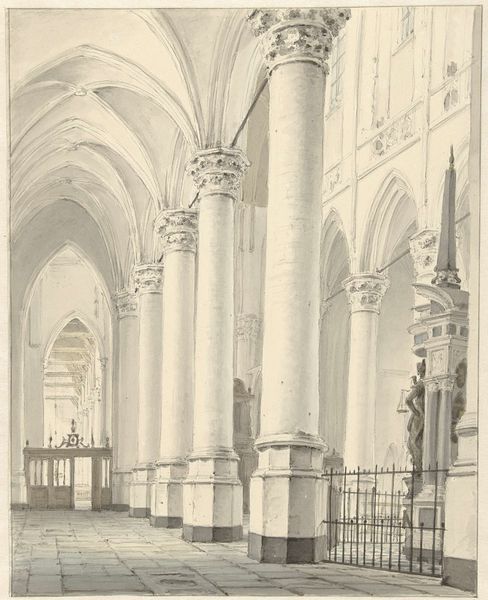
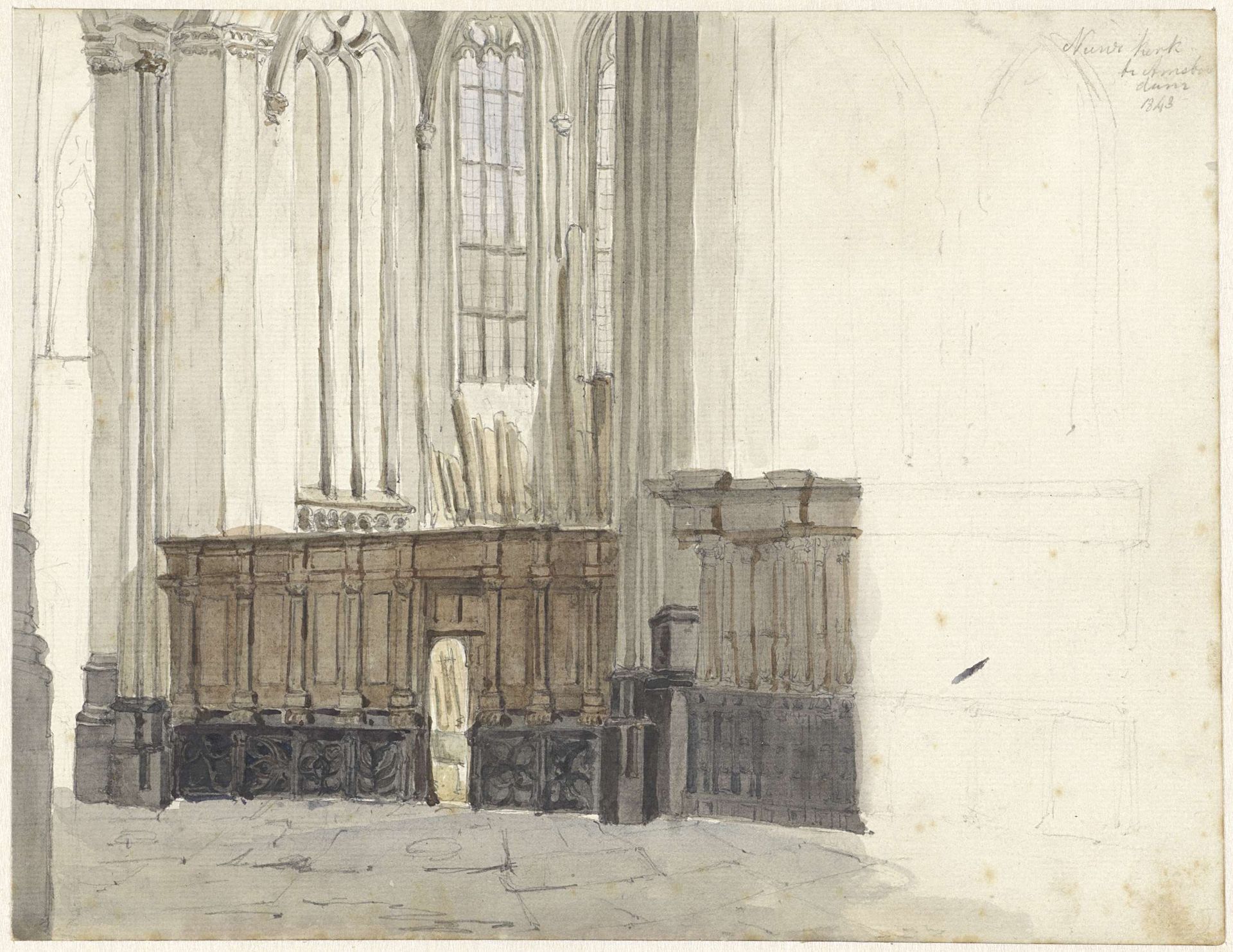
Johan Adolph Rust captured the Drapenierskapel in the Nieuwe Kerk in Amsterdam with watercolor and pencil, typical media for sketching architectural spaces at the time. The light washes emphasize the chapel’s architectural elements, highlighting the contrast between its heavy wooden structure and the airy, light-filled Gothic windows behind. The deliberate strokes suggest a study in light and form, but also invite us to consider the chapel's historical context. Spaces like these were not just places of worship but also symbols of civic pride and commerce. The Drapenierskapel, specifically, likely served the powerful cloth merchant guilds of Amsterdam. Rust's medium, while simple, evokes the textures and values that defined both the spiritual and economic life of the city. Through his attention to the materiality of space, Rust bridges the aesthetic and the functional, reminding us that even the most sacred spaces are deeply embedded in everyday life and labor.

Artwork details
- Dimensions
- height 208 mm, width 271 mm
- Copyright
- Rijks Museum: Open Domain
Comments
Share your thoughts
About this artwork
Johan Adolph Rust captured the Drapenierskapel in the Nieuwe Kerk in Amsterdam with watercolor and pencil, typical media for sketching architectural spaces at the time. The light washes emphasize the chapel’s architectural elements, highlighting the contrast between its heavy wooden structure and the airy, light-filled Gothic windows behind. The deliberate strokes suggest a study in light and form, but also invite us to consider the chapel's historical context. Spaces like these were not just places of worship but also symbols of civic pride and commerce. The Drapenierskapel, specifically, likely served the powerful cloth merchant guilds of Amsterdam. Rust's medium, while simple, evokes the textures and values that defined both the spiritual and economic life of the city. Through his attention to the materiality of space, Rust bridges the aesthetic and the functional, reminding us that even the most sacred spaces are deeply embedded in everyday life and labor.
Comments
Share your thoughts