About this artwork
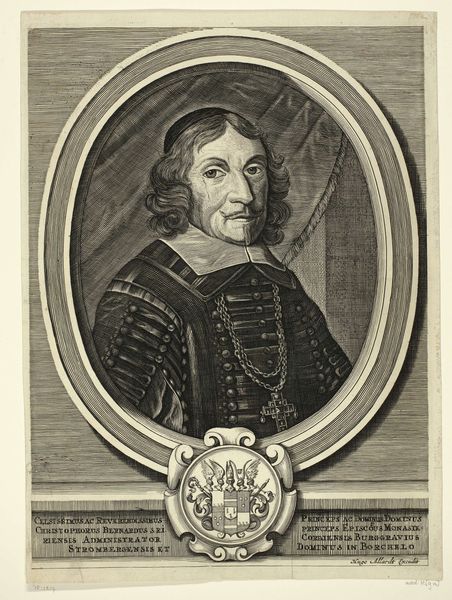
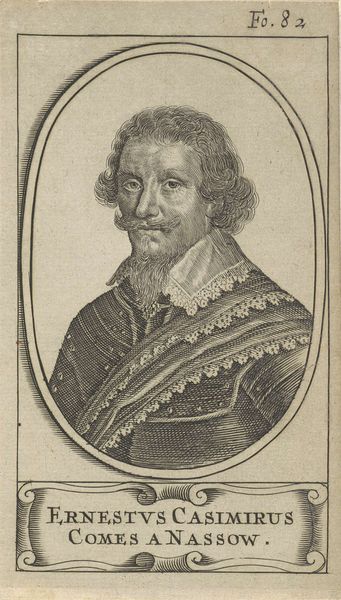
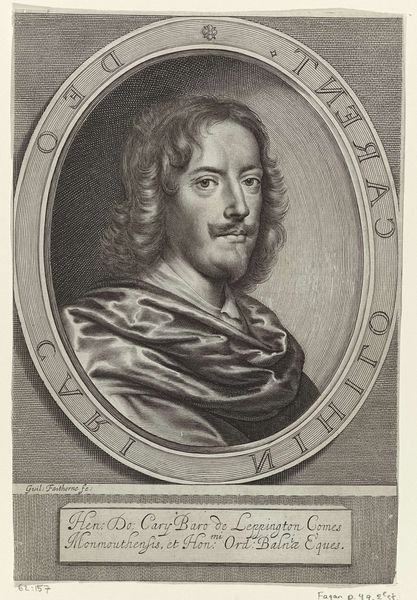
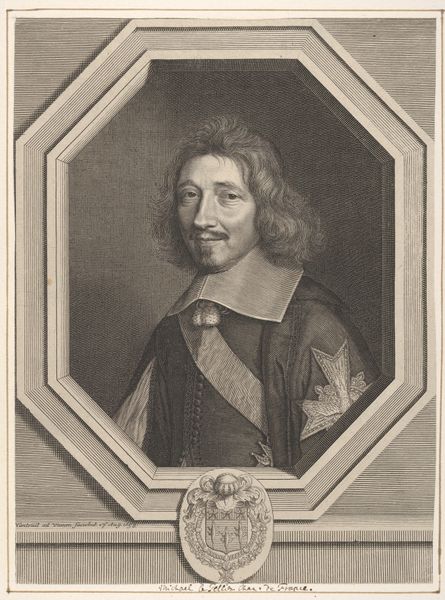
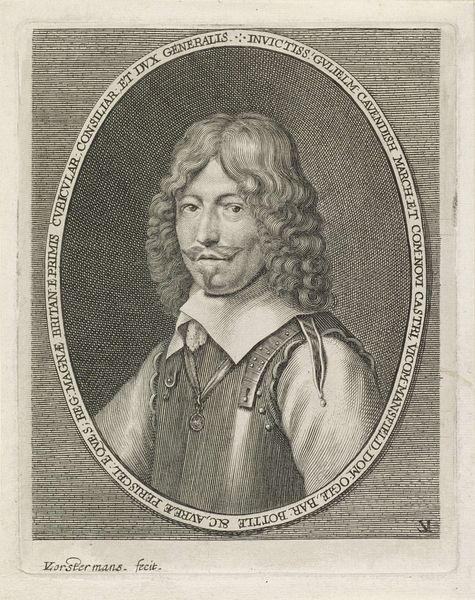
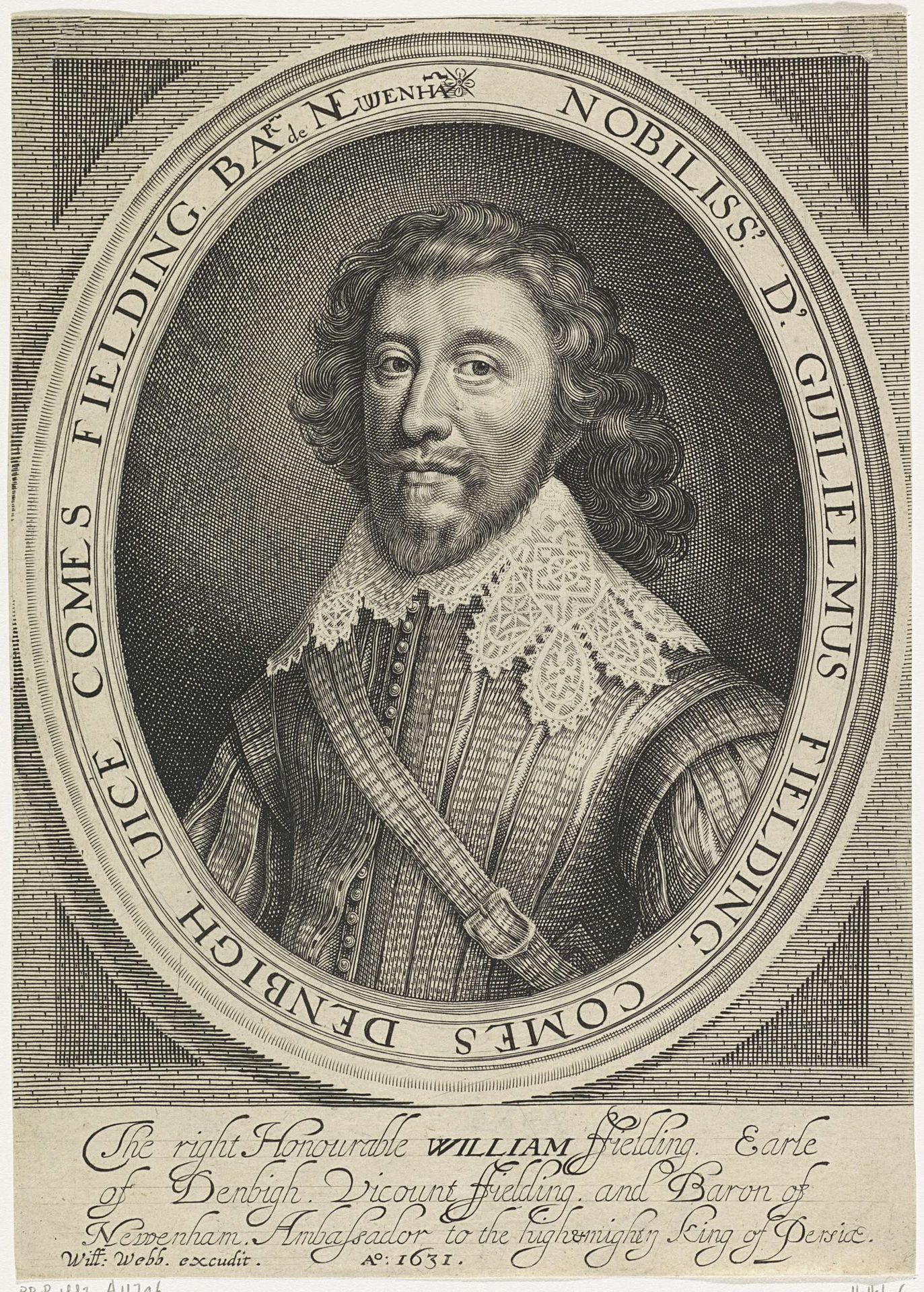
This is Robert van Voerst’s portrait of William Fielding, 1st Earl of Denbigh, made in 1631. The print presents a structured view of aristocracy through its controlled lines and composition. The oval frame, meticulously engraved, contains Fielding’s likeness. The artist uses hatching and cross-hatching to model form and texture, creating a visual hierarchy that subtly elevates its subject. The intricate details of Fielding's lace collar and patterned doublet contrast with the smooth planes of his face, drawing the eye to his expression. The inscription, carefully lettered, mirrors the visual order, reinforcing Fielding’s status through language. The artwork's formal organization reflects the social structures of its time. This is not merely a likeness but a constructed representation of power and nobility.
Portret van William Fielding, 1e graaf van Denbigh
1631

Robert van Voerst
@robertvanvoerstLocation
RijksmuseumArtwork details
- Medium
- print, engraving
- Dimensions
- height 220 mm, width 157 mm
- Location
- Rijksmuseum
- Copyright
- Rijks Museum: Open Domain
Tags
Comments
Share your thoughts
About this artwork
This is Robert van Voerst’s portrait of William Fielding, 1st Earl of Denbigh, made in 1631. The print presents a structured view of aristocracy through its controlled lines and composition. The oval frame, meticulously engraved, contains Fielding’s likeness. The artist uses hatching and cross-hatching to model form and texture, creating a visual hierarchy that subtly elevates its subject. The intricate details of Fielding's lace collar and patterned doublet contrast with the smooth planes of his face, drawing the eye to his expression. The inscription, carefully lettered, mirrors the visual order, reinforcing Fielding’s status through language. The artwork's formal organization reflects the social structures of its time. This is not merely a likeness but a constructed representation of power and nobility.
Comments
Share your thoughts