About this artwork
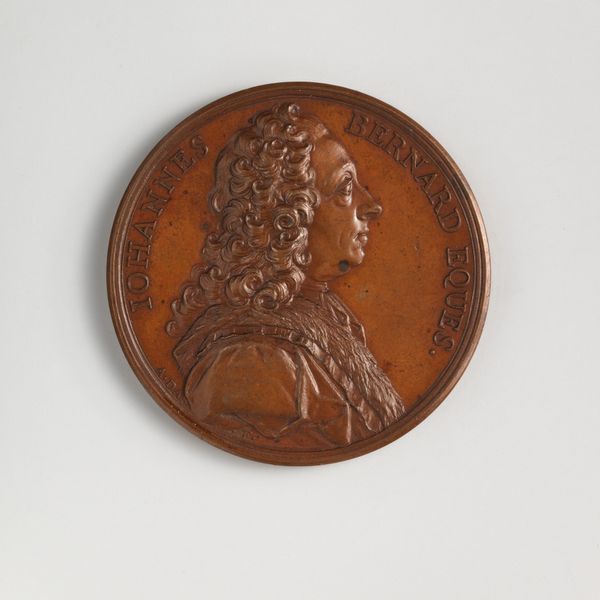
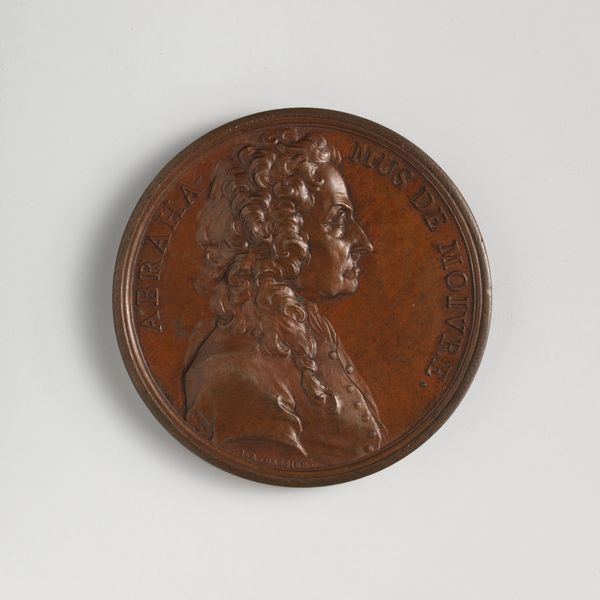
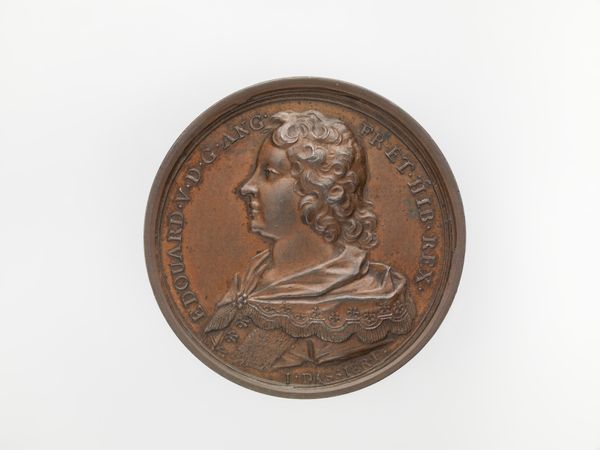
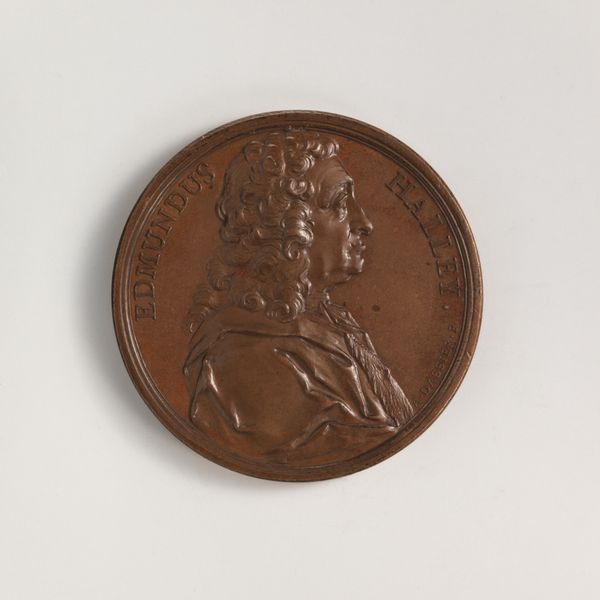
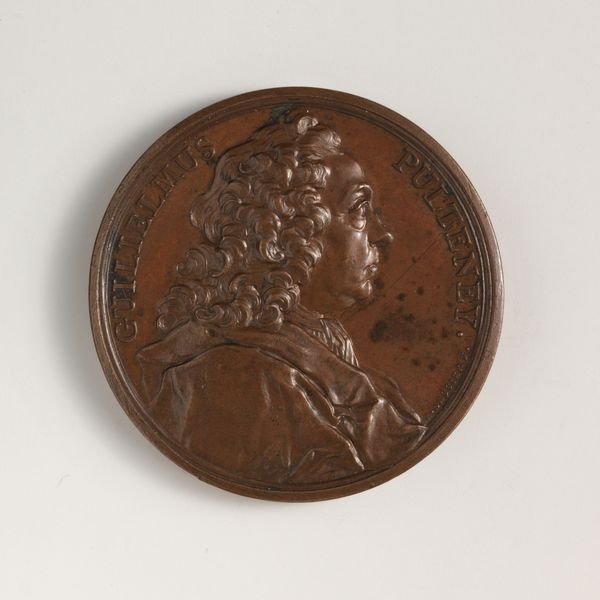
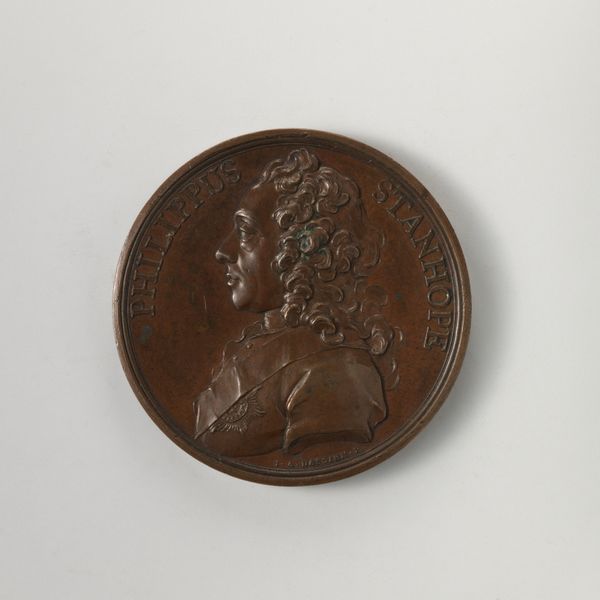
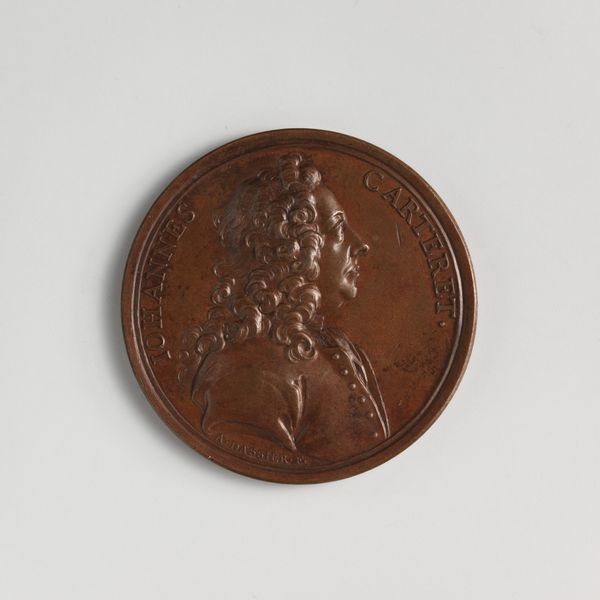
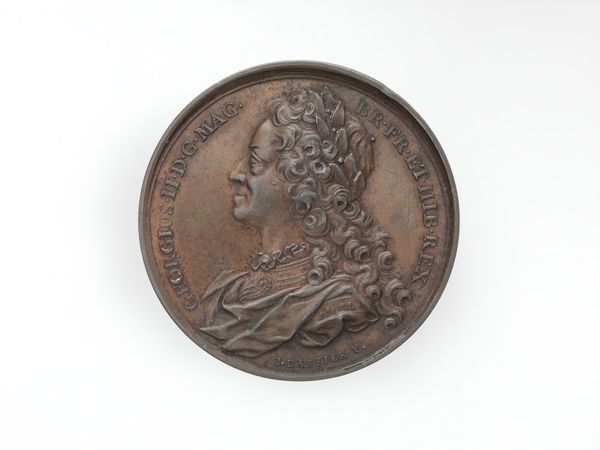
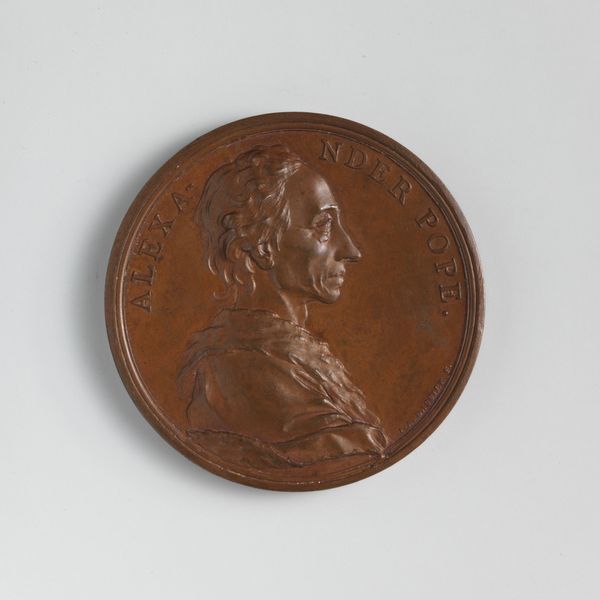
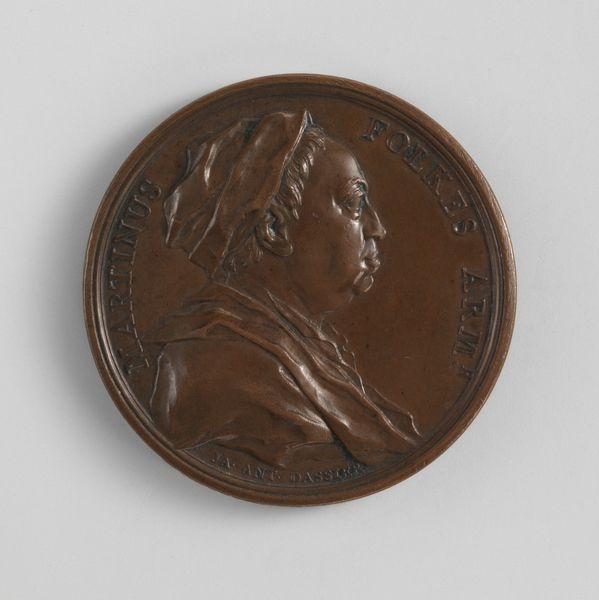
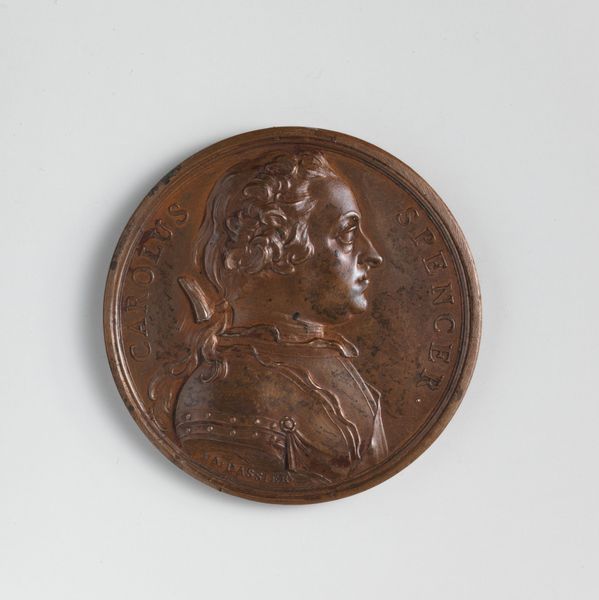
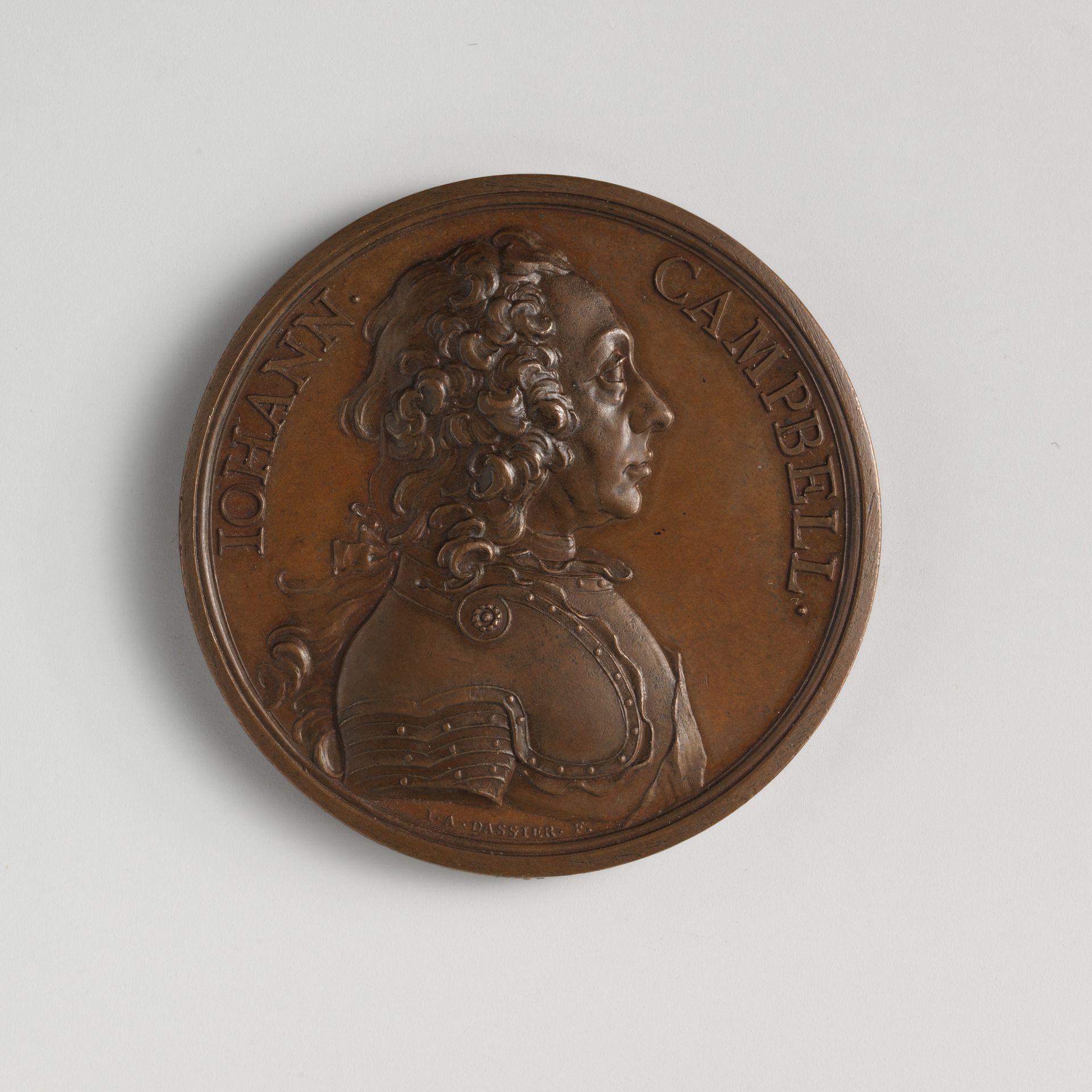
This bronze portrait medallion of John Campbell, the 2nd Duke of Argyle and 1st Duke of Greenwich, was created by Jacques-Antoine Dassier sometime between 1715 and 1759. Dassier was one of a number of eighteenth-century artists who found a ready market amongst Europe’s wealthy elite for portrait medallions such as this. The production of this image can be seen within a wider interest in the preservation of images of the great and good in European society. Campbell was a prominent figure in the British military and political establishment, so this kind of image would have further cemented his position in the social hierarchy. The medallion presents him in profile, a visual language which gives a sense of nobility and gravitas. In understanding the social and political role of an image such as this, historians can draw on a range of resources, including letters, diaries, and institutional records. The meaning of art is always contingent on its social and institutional context.
John Campbell, 2nd Duke of Argyle, 1st Duke of Greenwich (1680–1743)
1743

Jacques-Antoine Dassier
1715 - 1759
The Metropolitan Museum of Art
Metropolitan Museum of Art, New York, NYArtwork details
- Medium
- bronze, sculpture
- Dimensions
- Diameter: 54 mm
- Location
- Metropolitan Museum of Art, New York, NY
- Copyright
- Public Domain
Tags
Comments
Share your thoughts
About this artwork
This bronze portrait medallion of John Campbell, the 2nd Duke of Argyle and 1st Duke of Greenwich, was created by Jacques-Antoine Dassier sometime between 1715 and 1759. Dassier was one of a number of eighteenth-century artists who found a ready market amongst Europe’s wealthy elite for portrait medallions such as this. The production of this image can be seen within a wider interest in the preservation of images of the great and good in European society. Campbell was a prominent figure in the British military and political establishment, so this kind of image would have further cemented his position in the social hierarchy. The medallion presents him in profile, a visual language which gives a sense of nobility and gravitas. In understanding the social and political role of an image such as this, historians can draw on a range of resources, including letters, diaries, and institutional records. The meaning of art is always contingent on its social and institutional context.
Comments
Share your thoughts