before 1887
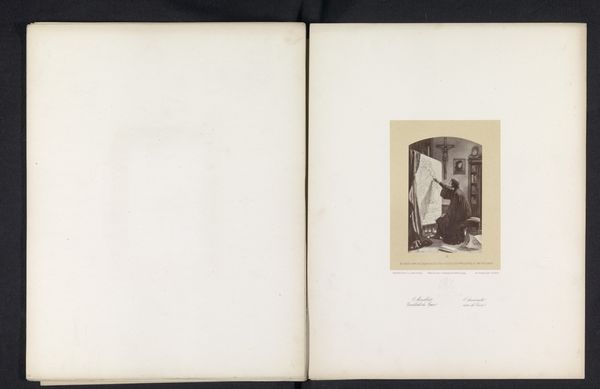
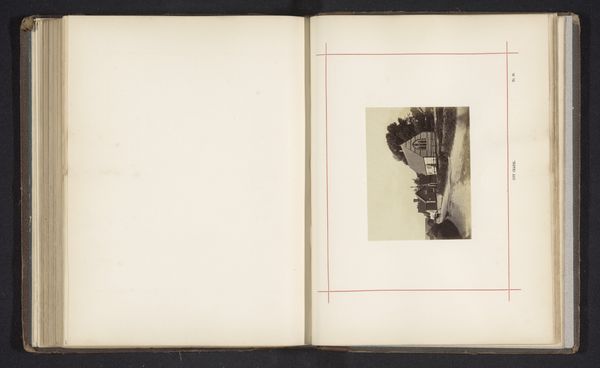
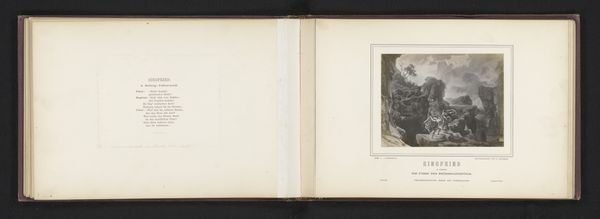
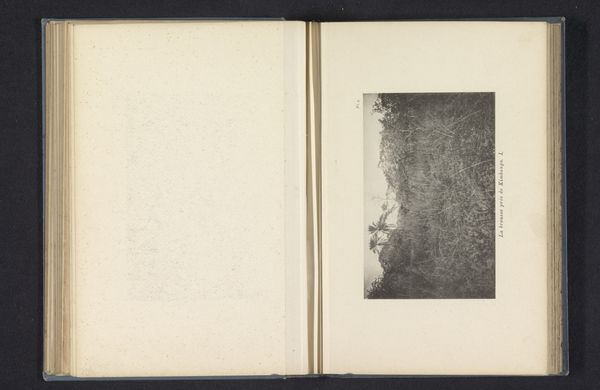
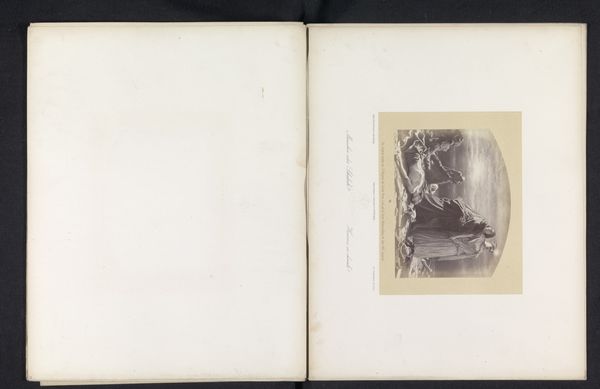
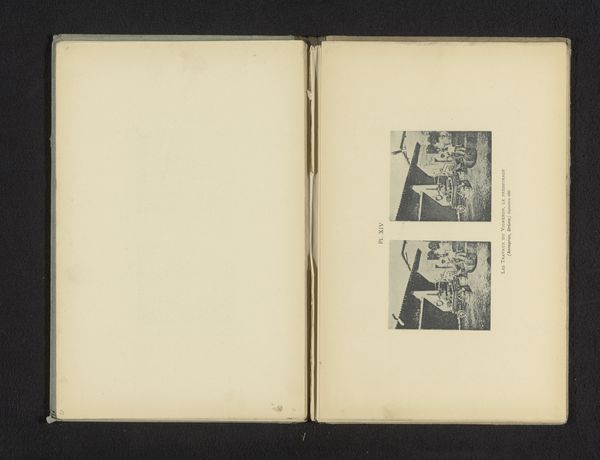
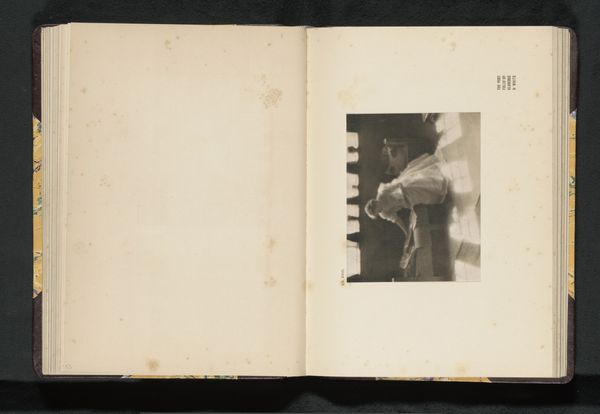
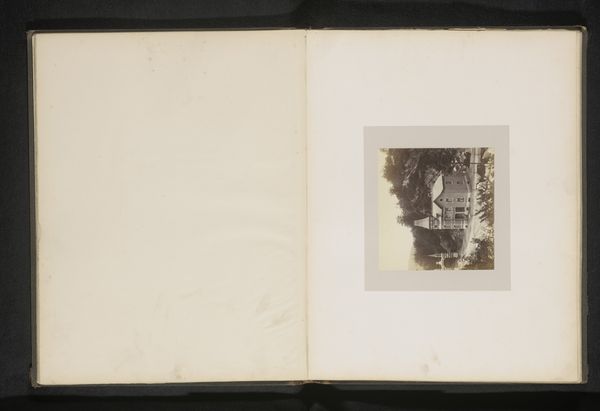
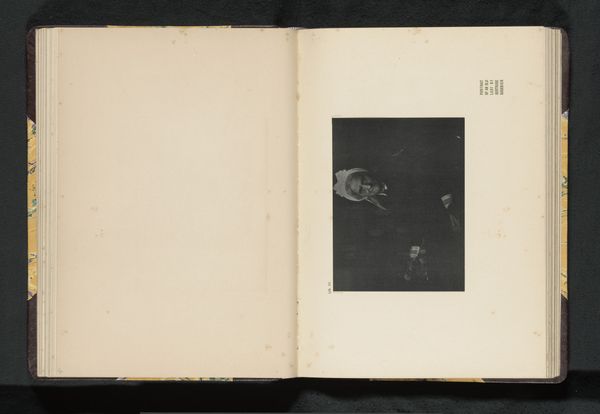
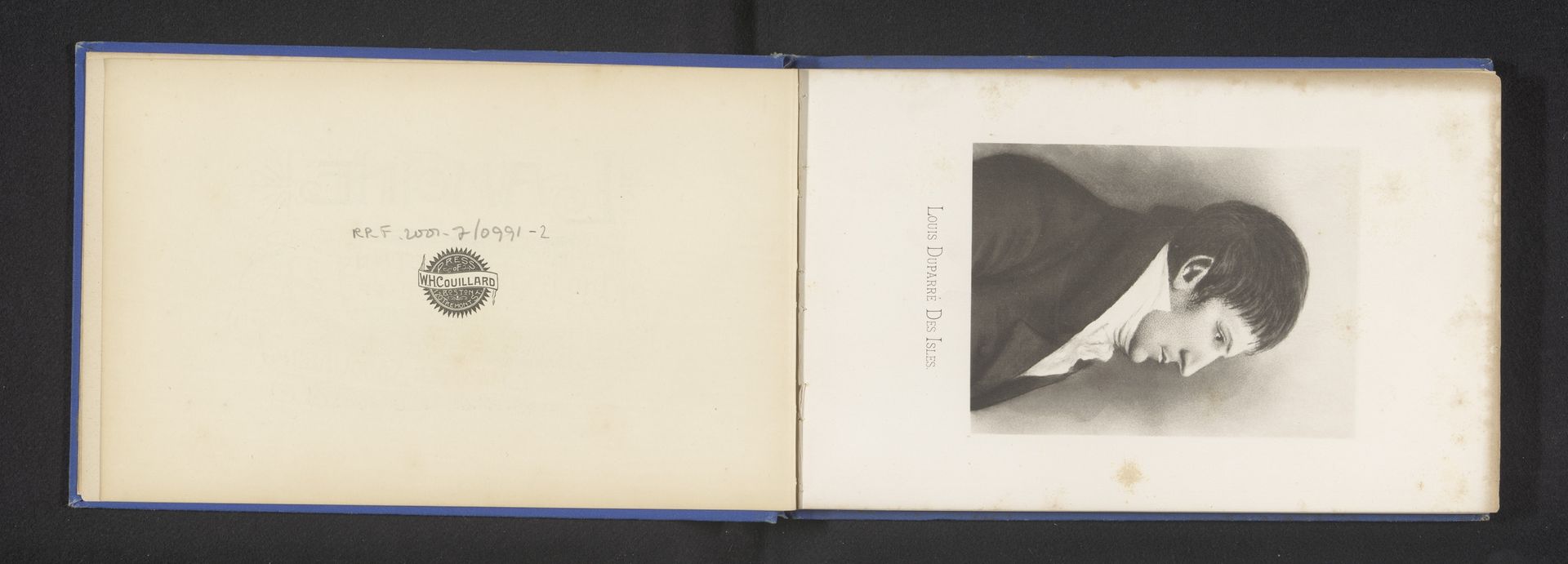
Reproductie van een portret van Louis duParre Des Isles

Listen to curator's interpretation
Curatorial notes
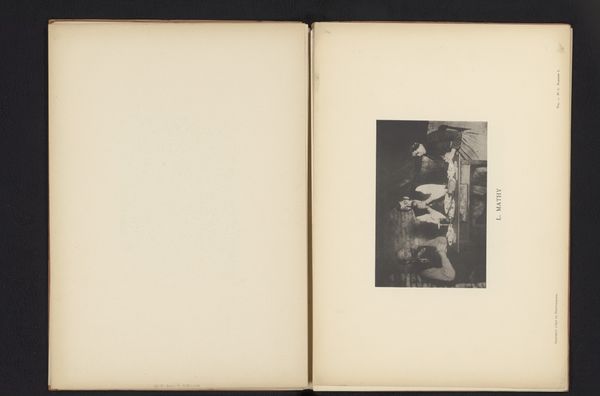
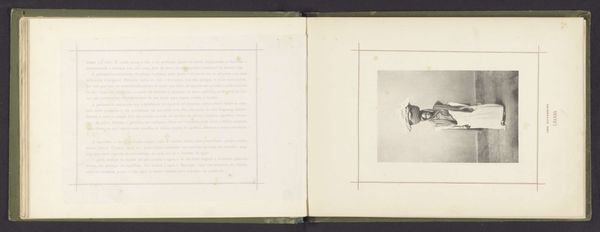
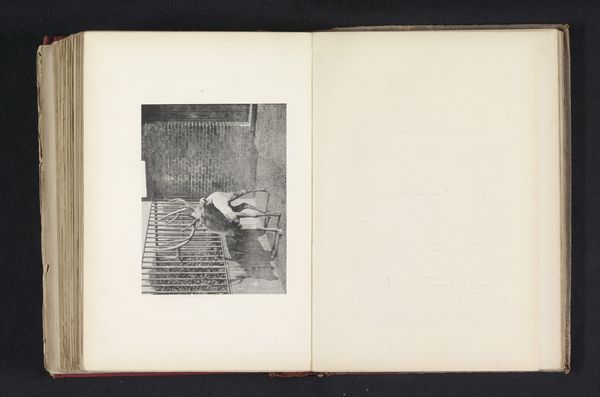
Curator: Looking at this page, one encounters what we understand to be a photographic reproduction of a portrait depicting Louis duParre Des Isles. It’s been dated to before 1887 and is preserved within the museum's archives. Editor: It’s interesting, visually quite somber. The subject, caught in profile, seems lost in thought. The monochromatic tones lend an air of gravitas and, despite its scale, there's an undeniable intimacy. Curator: That intimacy probably comes from the culture of portraiture. Consider the 19th century and how crucial these likenesses were in shaping a public figure’s identity. Photography gave rise to a visual rhetoric readily consumable and distributable. The formal poses, lighting and presentation played essential roles in projecting certain ideals or statuses. Editor: You are so right. The way the light softly contours his features contributes to the image’s somewhat mournful ambiance. Also, the texture—the paper looks worn. These imperfections create a link to history, an almost tangible presence of the past. It moves beyond pure representation. Curator: Yes, exactly. Before the age of ubiquitous imagery, controlling a politician's public image using the relative accessibility of photography was key. Think of the deliberate choice of angle here; this photograph probably derives from earlier painted portraits, referencing power, authority and intellectual bearing. Editor: What resonates with me is that even through a reproduction, through a document, we are getting an almost palpable sense of character. You know the artist intended to suggest contemplation, gravitas; all without having to speak a word. The soft light gives dimension, making it very compelling. Curator: Precisely. It reminds us how intertwined art and societal power can be; where images like these not only reflect but create history. Editor: It allows you to appreciate art’s silent ability to tell rich stories across eras, if one only pauses to observe carefully.