About this artwork
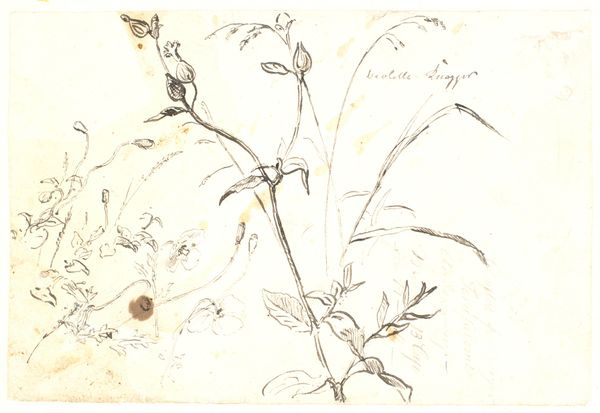
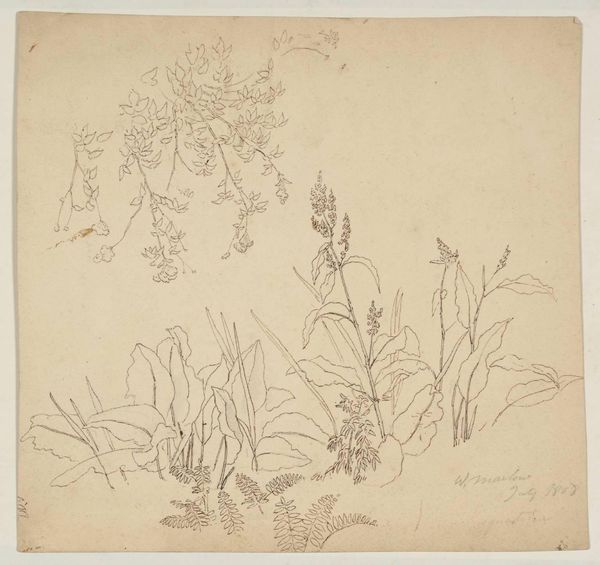
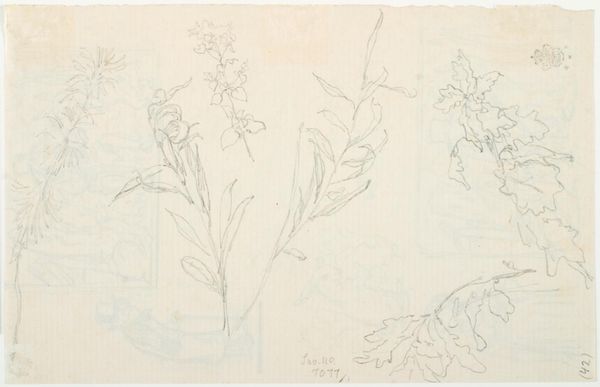
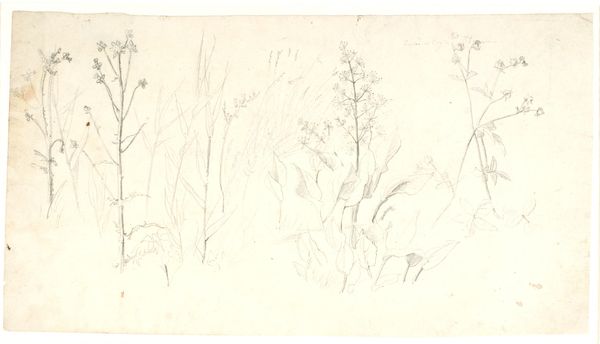
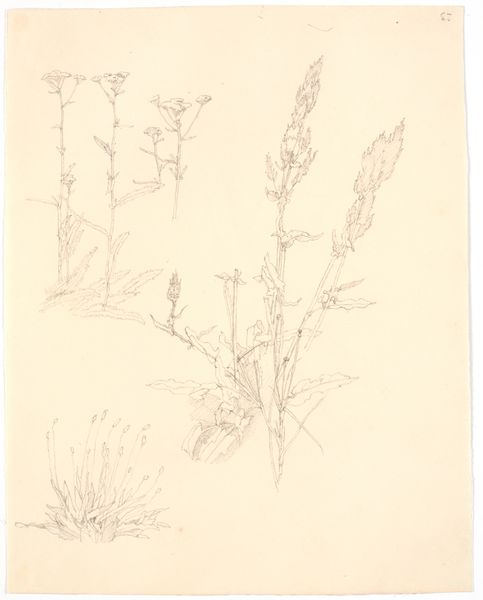
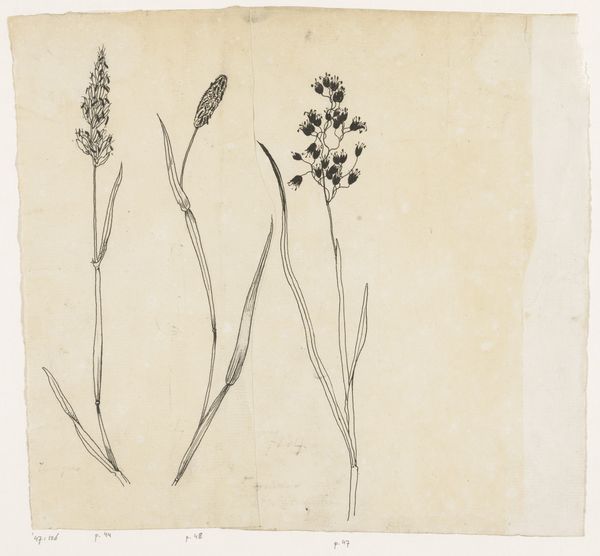
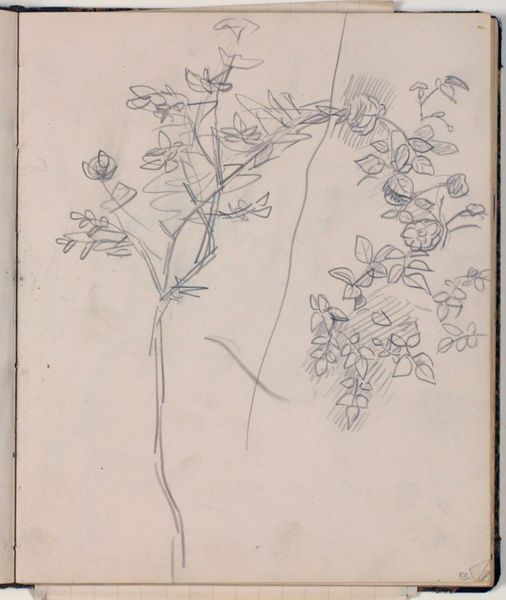
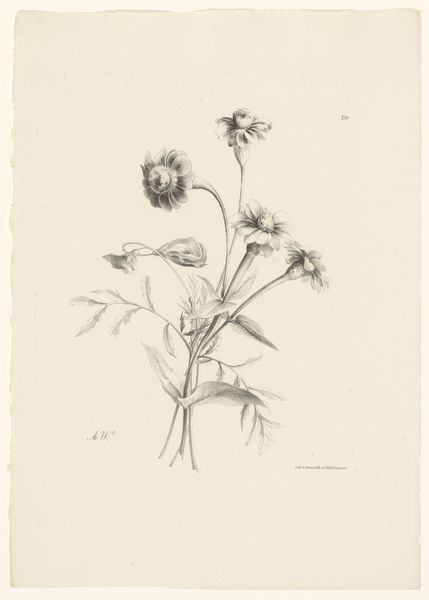
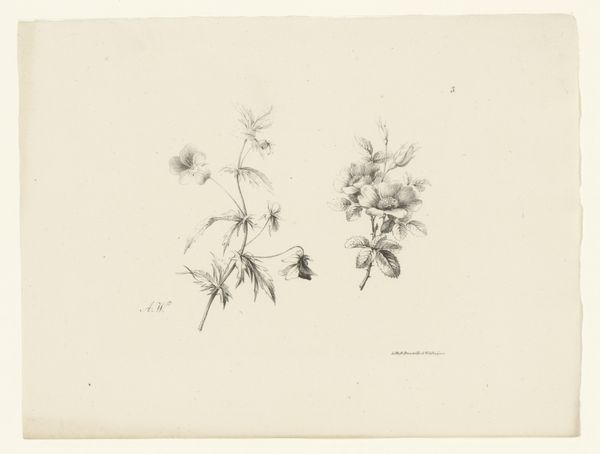
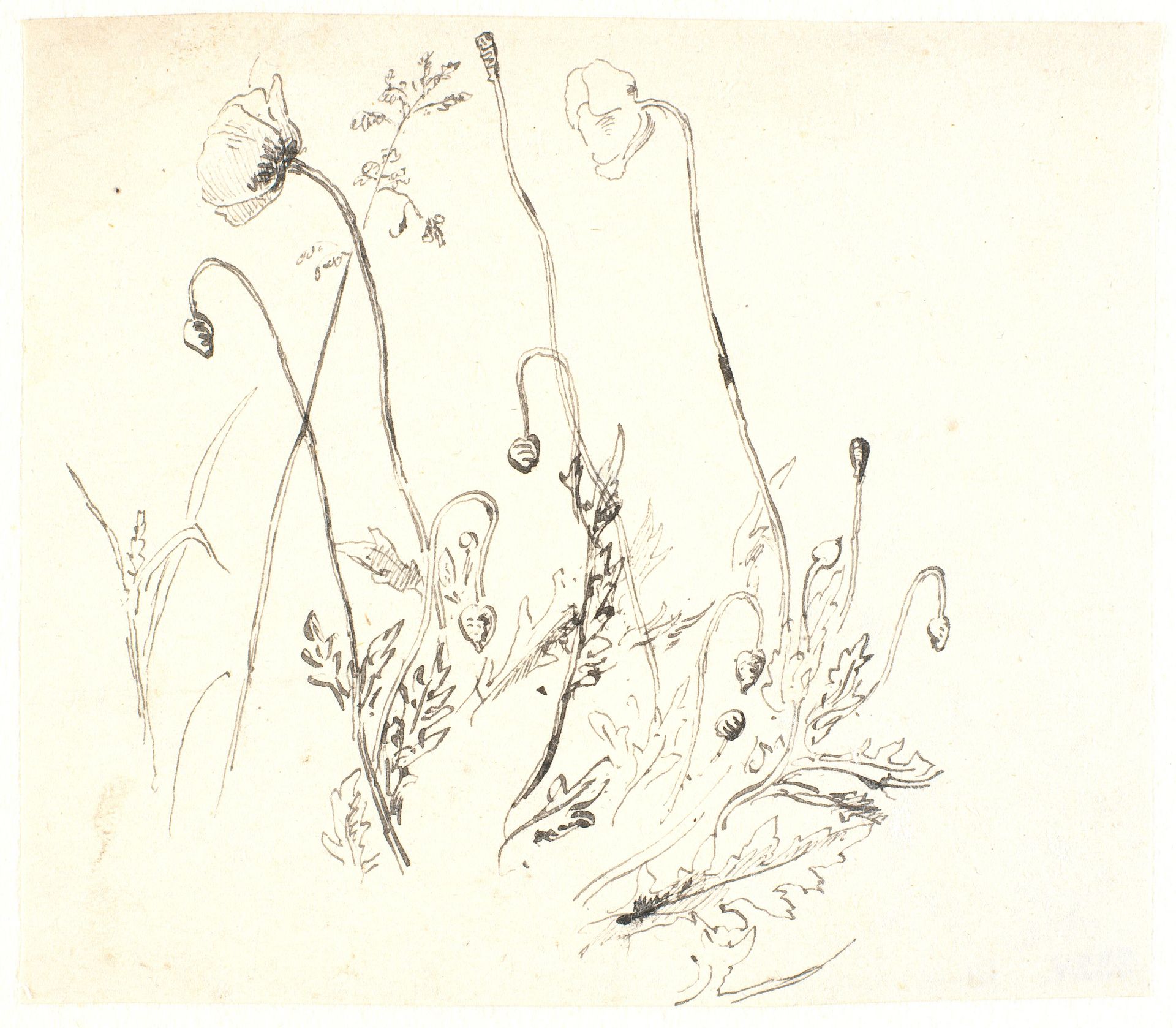
Dankvart Dreyer made this drawing of poppies with pen and ink, but we don’t know when. The sketch is small, and its botanical subject is quite traditional, fitting into a long-established genre of landscape art. But the twist here is the artist, who wasn’t meant to be an artist at all! Dreyer had trained for the military, but a chance encounter with the painter Peter Christian Skovgaard changed his life. Dreyer became part of a circle of artists in Copenhagen who aimed to create a distinctively Danish kind of landscape painting, free from foreign influence, in response to the complicated politics of Denmark at this time. Art history can uncover these surprising personal and cultural stories, using sources such as letters, biographies and exhibition reviews, so that we might better understand the social forces that shape art and the institutions that display it.
Valmuer
1831 - 1852


Artwork details
- Medium
- drawing, paper, ink, pencil, pastel
- Dimensions
- 111 mm (height) x 127 mm (width) (bladmaal)
- Location
- SMK - Statens Museum for Kunst
Tags
landscape illustration sketch
drawing
organic
pen illustration
pen sketch
landscape
paper
ink line art
linework heavy
ink
ink drawing experimentation
pen-ink sketch
pencil
sketchbook drawing
pastel
academic-art
fantasy sketch
realism
initial sketch
Comments
Be the first to share your thoughts about this work.
About this artwork
Dankvart Dreyer made this drawing of poppies with pen and ink, but we don’t know when. The sketch is small, and its botanical subject is quite traditional, fitting into a long-established genre of landscape art. But the twist here is the artist, who wasn’t meant to be an artist at all! Dreyer had trained for the military, but a chance encounter with the painter Peter Christian Skovgaard changed his life. Dreyer became part of a circle of artists in Copenhagen who aimed to create a distinctively Danish kind of landscape painting, free from foreign influence, in response to the complicated politics of Denmark at this time. Art history can uncover these surprising personal and cultural stories, using sources such as letters, biographies and exhibition reviews, so that we might better understand the social forces that shape art and the institutions that display it.
Comments
Be the first to share your thoughts about this work.