About this artwork
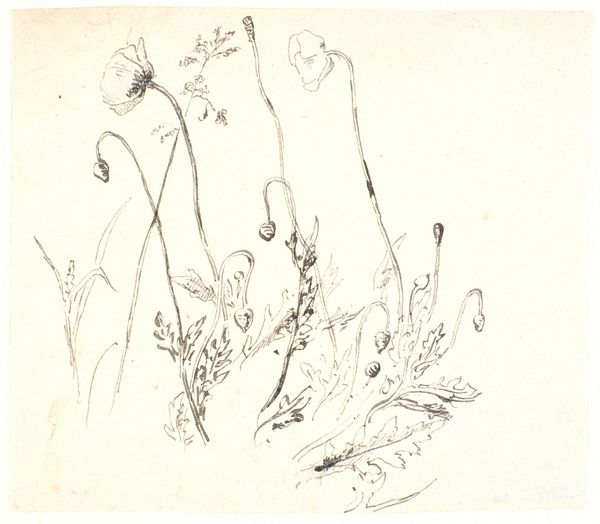
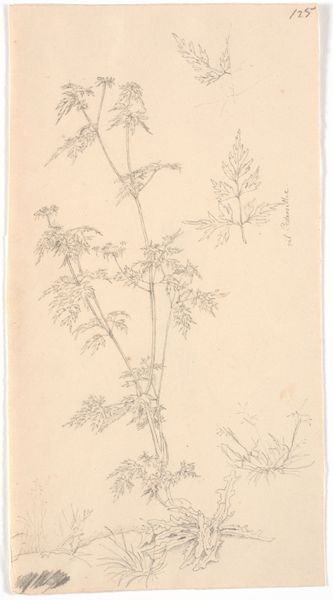
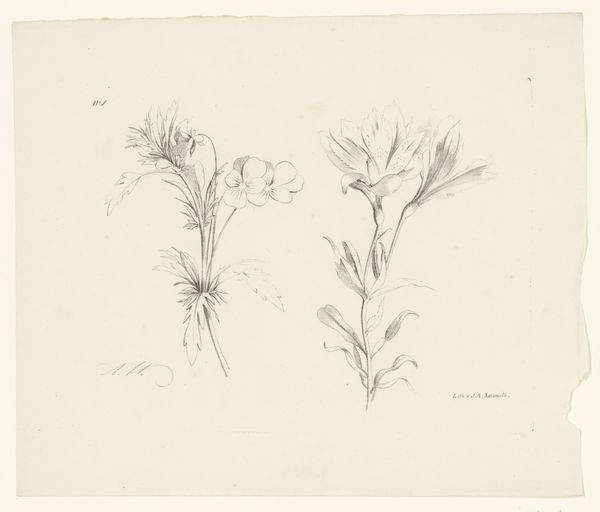
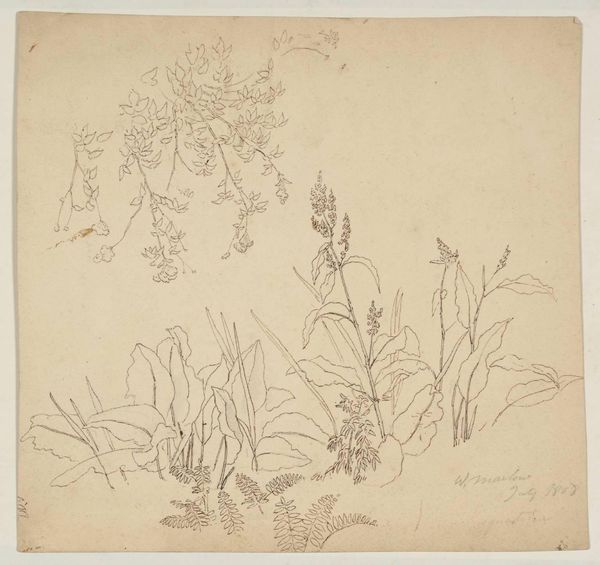
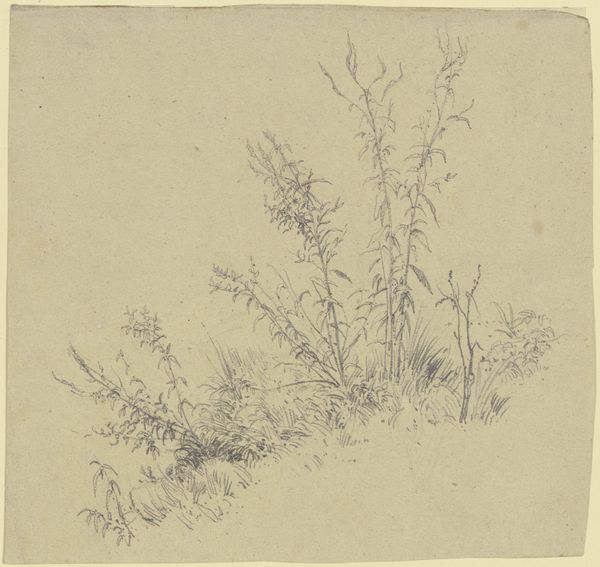
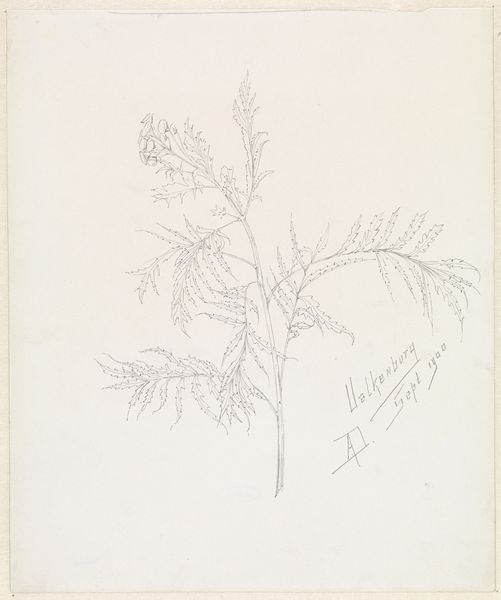
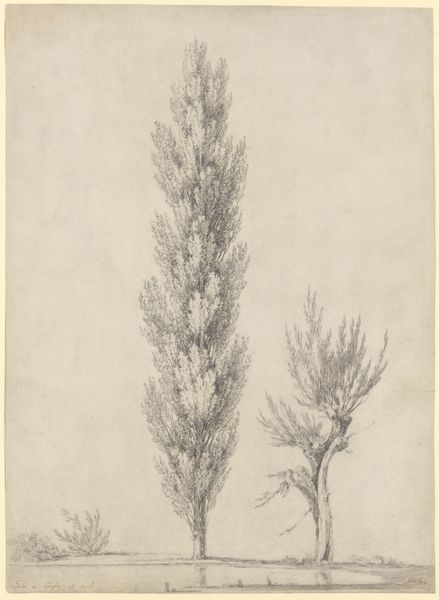
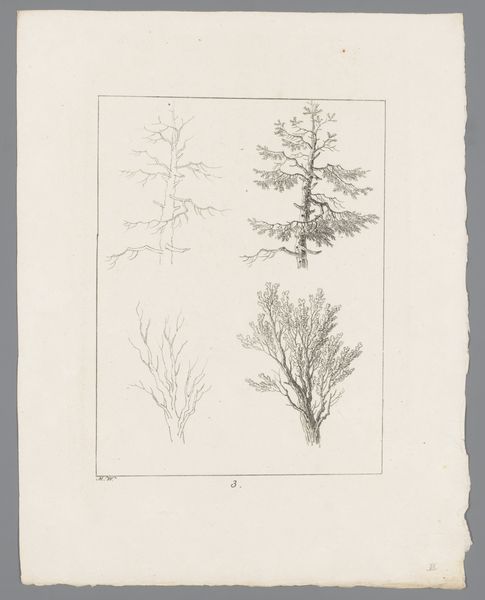
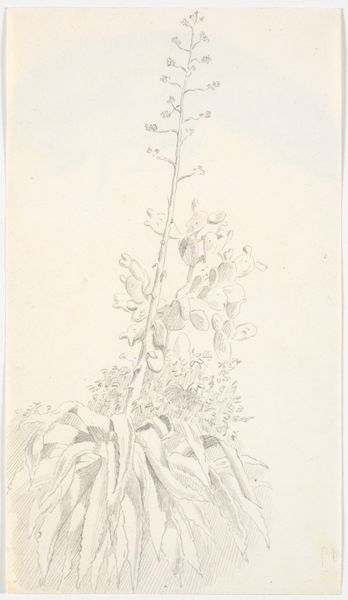
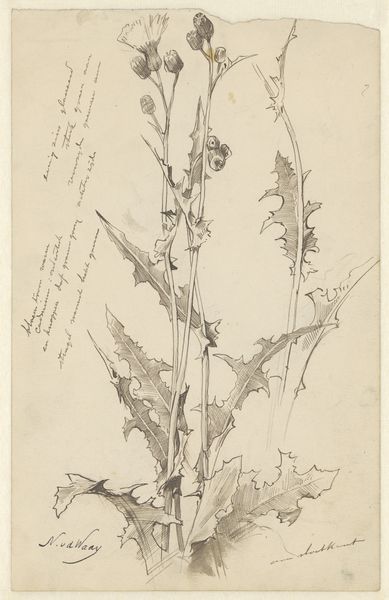
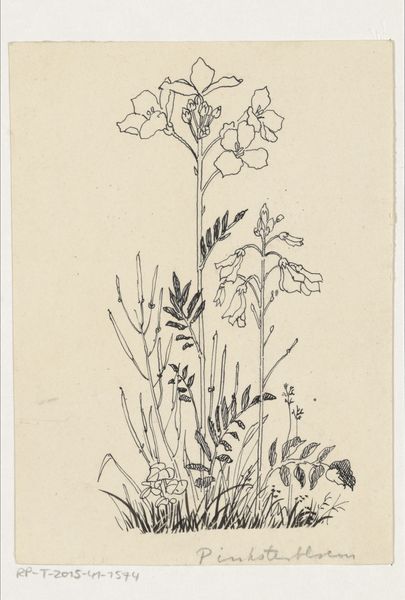
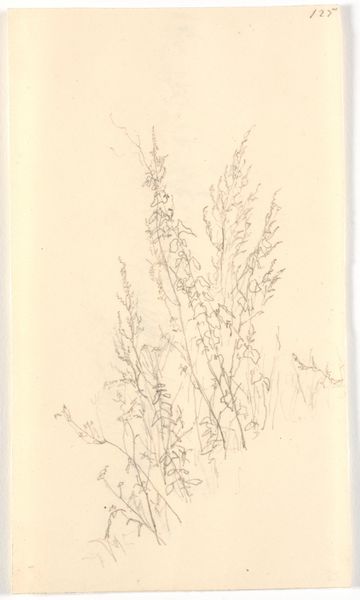
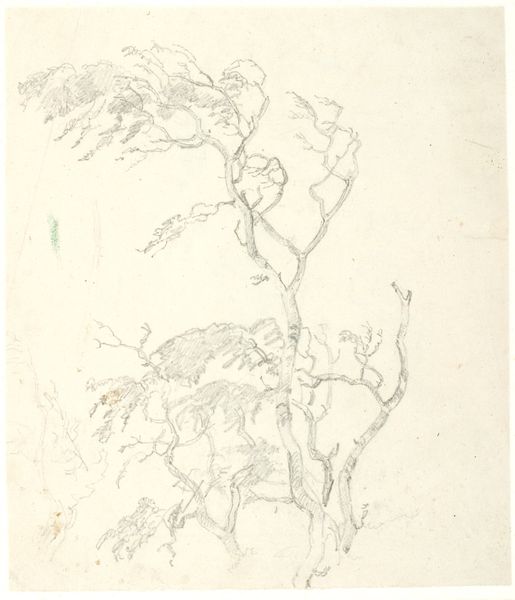
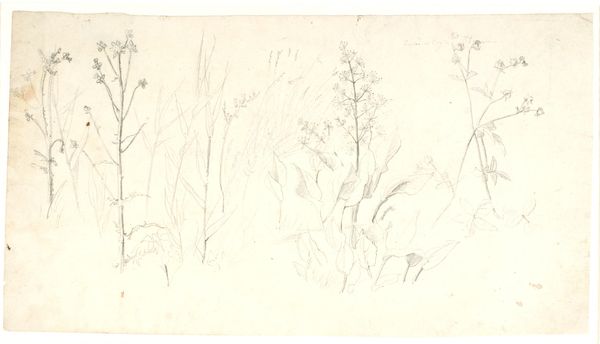
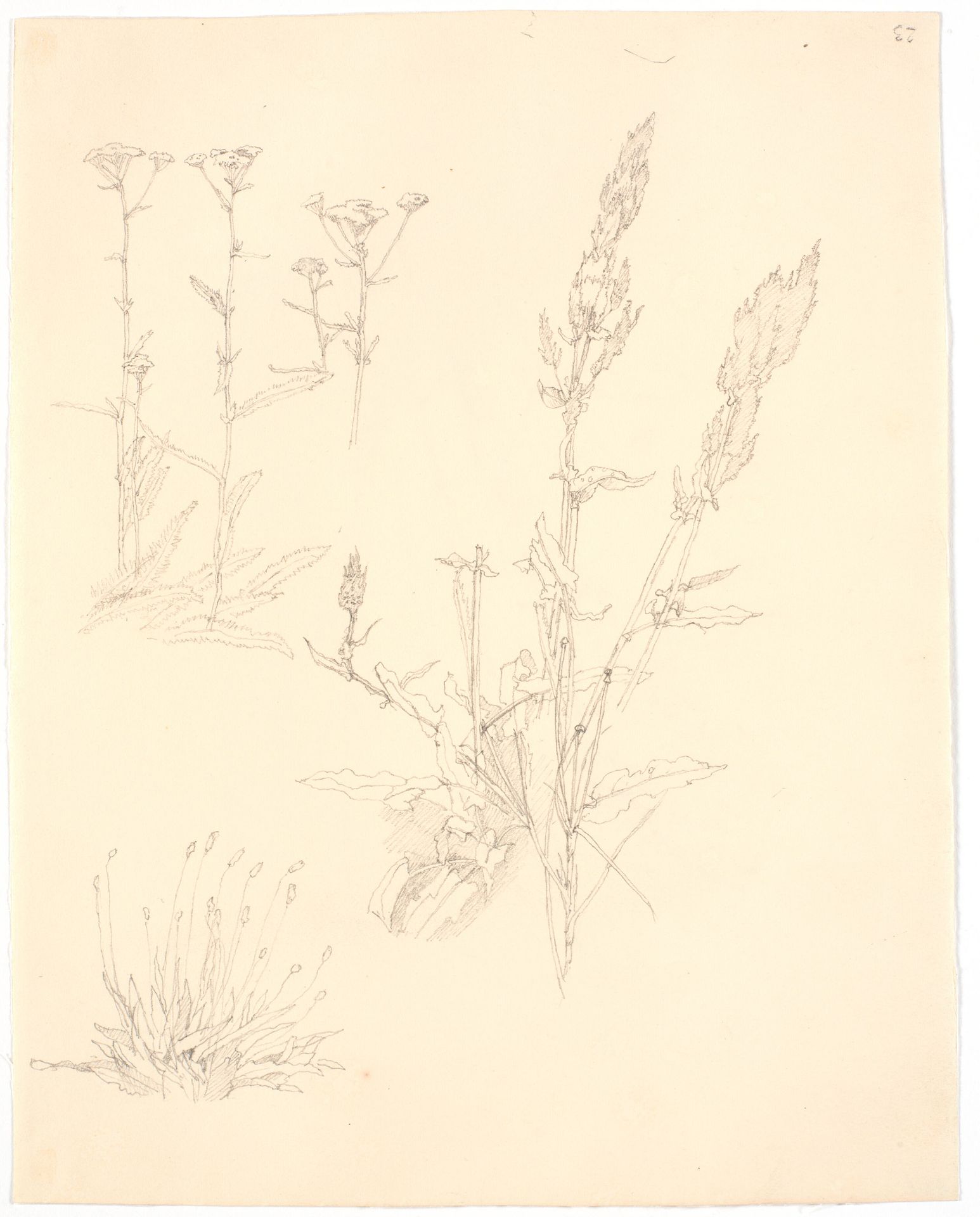
Christen Købke rendered these plant studies in delicate pencil strokes. What emerges are not just botanical records, but symbols pregnant with meaning. Consider the verticality of the plants, reaching upwards. This motif, echoing the Tree of Life across cultures, signifies growth, connection between earth and sky, and the aspiration towards higher states of being. Think of ancient Egyptian depictions of papyrus, or the sacred trees in Norse mythology. Yet, here, there’s a poignant fragility. The thin lines, the unfinished quality, evoke the transient nature of life, a memento mori. These studies, through their botanical accuracy, subtly remind us of our own mortality, a theme that persists from classical still life to modern art. The subconscious anxiety of existence is captured, not in grand pronouncements, but in the quiet observation of nature’s ephemerality. These are humble studies, yet they resonate with universal themes of life, death, and the human yearning for transcendence.
Plantestudier
1810 - 1848


Artwork details
- Medium
- drawing, pencil
- Dimensions
- 214 mm (height) x 189 mm (width) (bladmaal)
- Location
- SMK - Statens Museum for Kunst
Tags
Comments
Share your thoughts
About this artwork
Christen Købke rendered these plant studies in delicate pencil strokes. What emerges are not just botanical records, but symbols pregnant with meaning. Consider the verticality of the plants, reaching upwards. This motif, echoing the Tree of Life across cultures, signifies growth, connection between earth and sky, and the aspiration towards higher states of being. Think of ancient Egyptian depictions of papyrus, or the sacred trees in Norse mythology. Yet, here, there’s a poignant fragility. The thin lines, the unfinished quality, evoke the transient nature of life, a memento mori. These studies, through their botanical accuracy, subtly remind us of our own mortality, a theme that persists from classical still life to modern art. The subconscious anxiety of existence is captured, not in grand pronouncements, but in the quiet observation of nature’s ephemerality. These are humble studies, yet they resonate with universal themes of life, death, and the human yearning for transcendence.
Comments
Share your thoughts