About this artwork
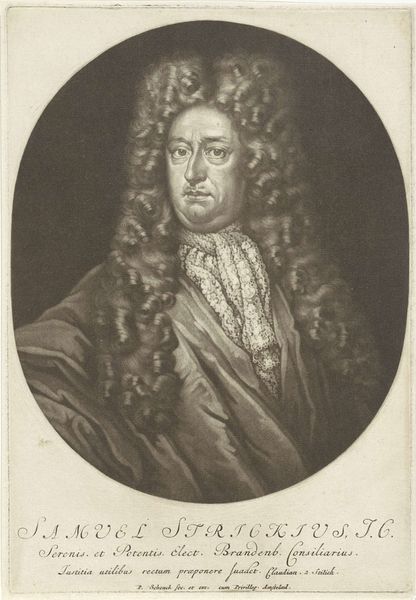
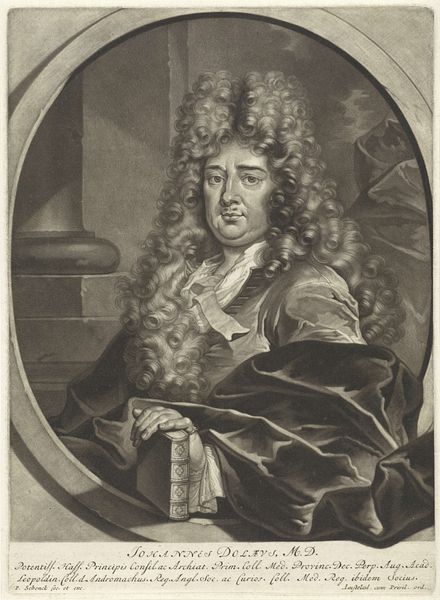
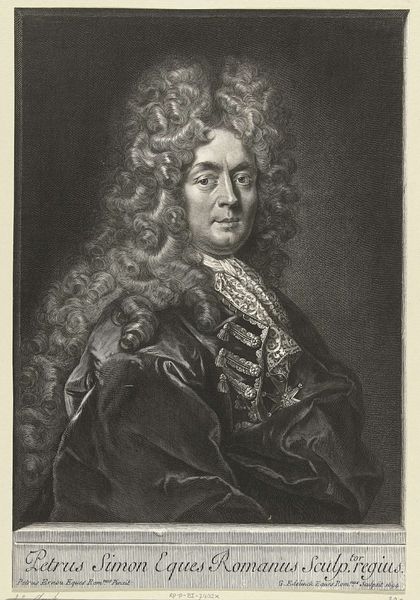
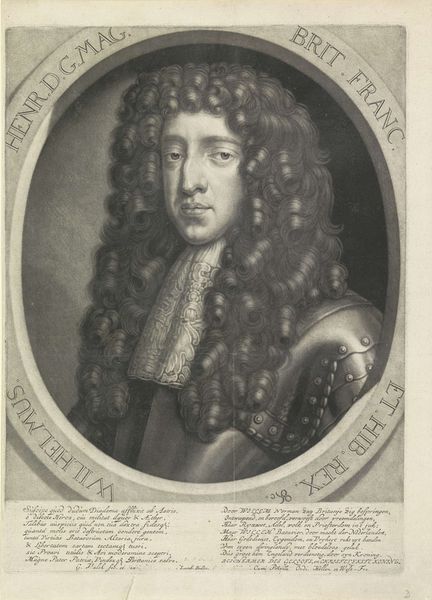
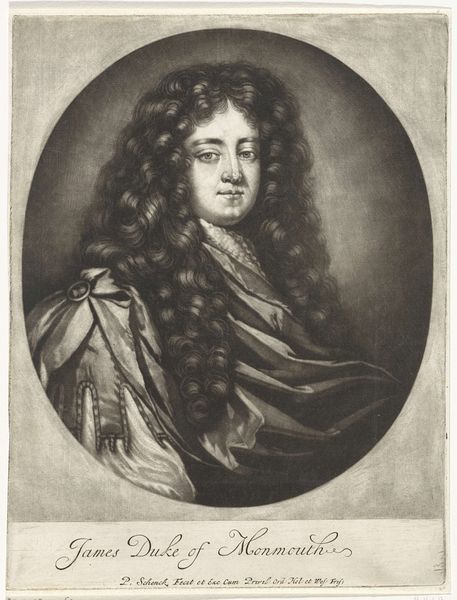
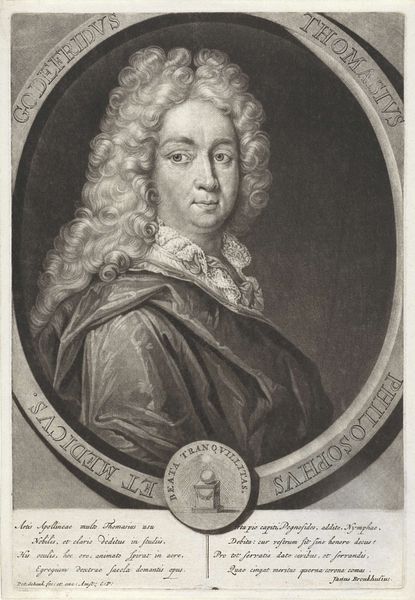
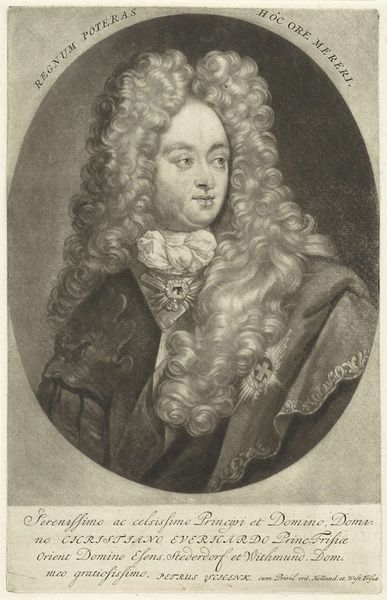
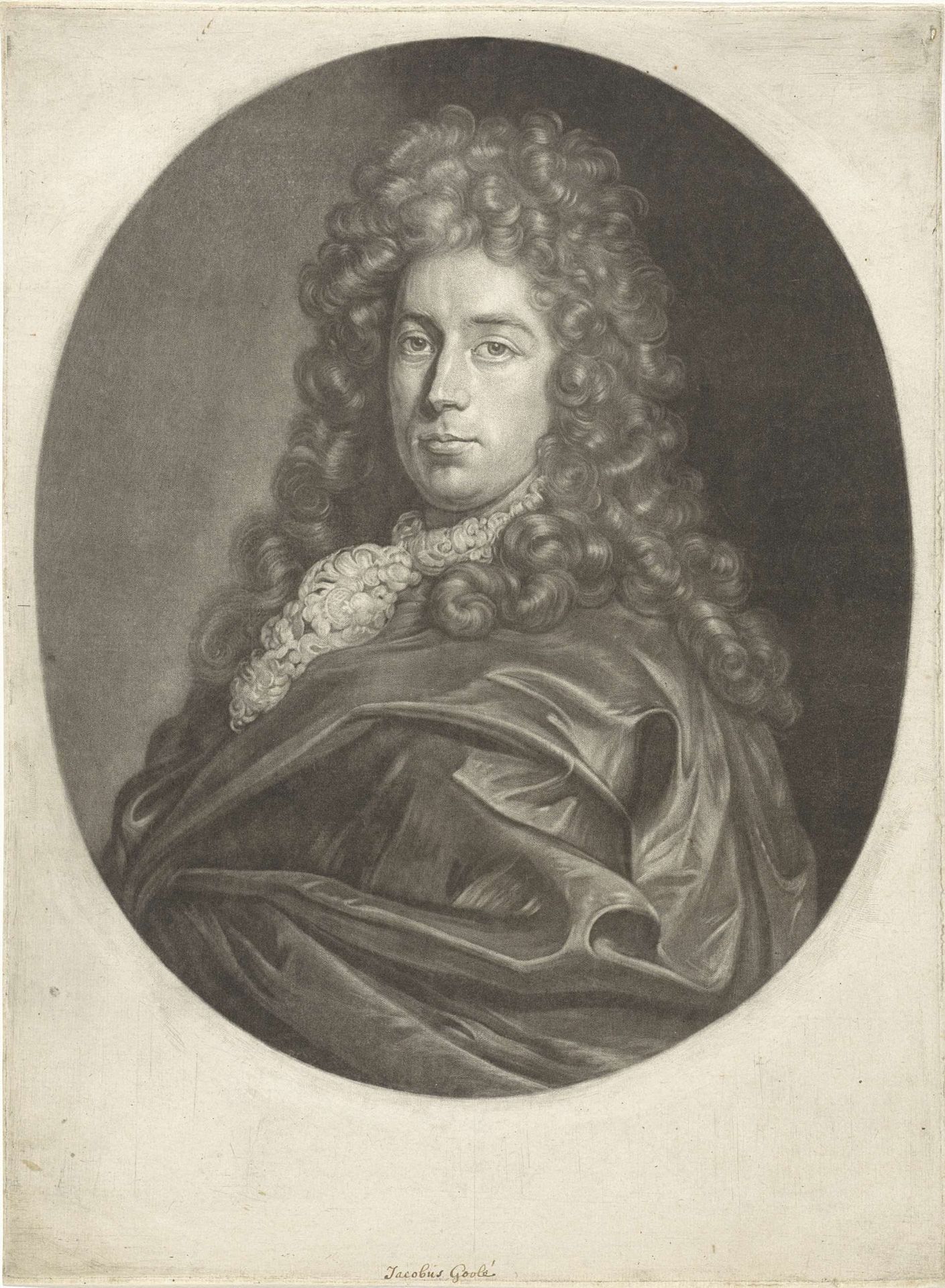
This is a self-portrait by Jacob Gole, created sometime between 1670 and 1724 using the mezzotint technique. Gole, born in Amsterdam, was a printmaker, publisher, and art dealer during the Dutch Golden Age, a period defined by unprecedented economic prosperity and cultural flourishing in the Netherlands. This portrait offers a glimpse into the social performance of identity of the time. The elaborate wig, the lace cravat, and the draped fabric are all markers of status. There is a theatricality to the way Gole presents himself. Self-portraits such as this were not just about capturing a likeness; they were about constructing an image, crafting a persona that reflected one's position and aspirations within society. Consider the power dynamics at play here. As a publisher and art dealer, Gole was part of a burgeoning art market, catering to the tastes of a wealthy merchant class. This self-portrait, then, can be seen as a form of self-promotion, a way of aligning himself with the refined tastes of his clientele. It embodies the intersection of art, commerce, and identity in the Dutch Golden Age.

Artwork details
- Medium
- print, engraving
- Dimensions
- height 348 mm, width 260 mm
- Location
- Rijksmuseum
- Copyright
- Rijks Museum: Open Domain
Tags
portrait
baroque
engraving
Comments
No comments
About this artwork
This is a self-portrait by Jacob Gole, created sometime between 1670 and 1724 using the mezzotint technique. Gole, born in Amsterdam, was a printmaker, publisher, and art dealer during the Dutch Golden Age, a period defined by unprecedented economic prosperity and cultural flourishing in the Netherlands. This portrait offers a glimpse into the social performance of identity of the time. The elaborate wig, the lace cravat, and the draped fabric are all markers of status. There is a theatricality to the way Gole presents himself. Self-portraits such as this were not just about capturing a likeness; they were about constructing an image, crafting a persona that reflected one's position and aspirations within society. Consider the power dynamics at play here. As a publisher and art dealer, Gole was part of a burgeoning art market, catering to the tastes of a wealthy merchant class. This self-portrait, then, can be seen as a form of self-promotion, a way of aligning himself with the refined tastes of his clientele. It embodies the intersection of art, commerce, and identity in the Dutch Golden Age.
Comments
No comments