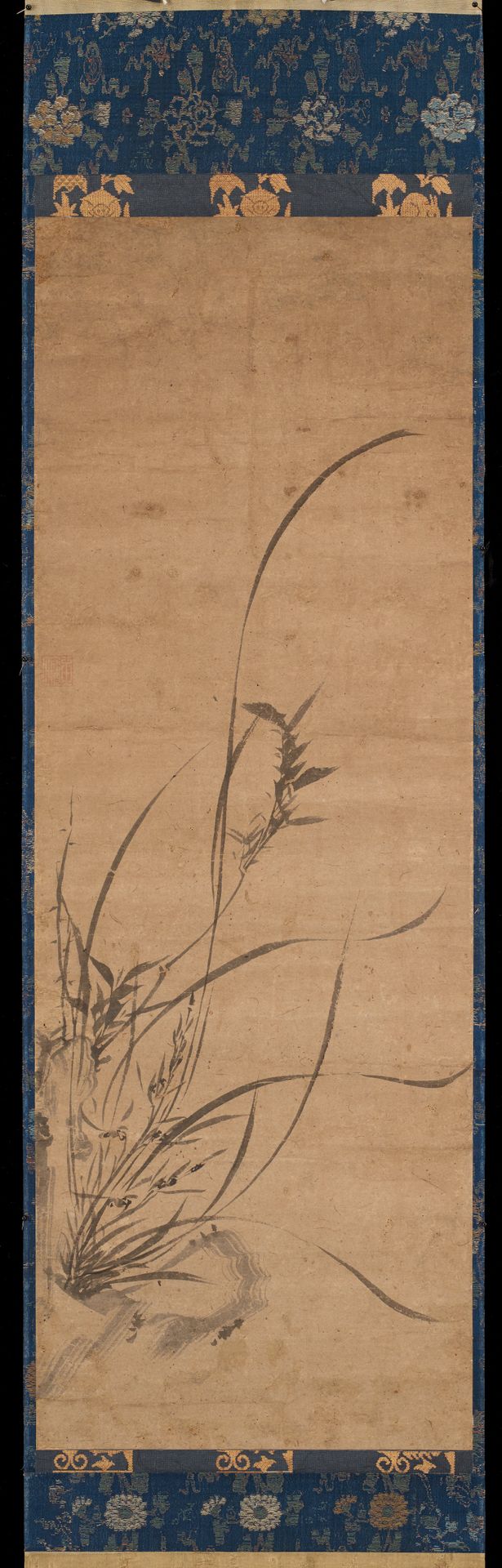
late 14th-early 15th century
Orchids


Listen to curator's interpretation
Curatorial notes
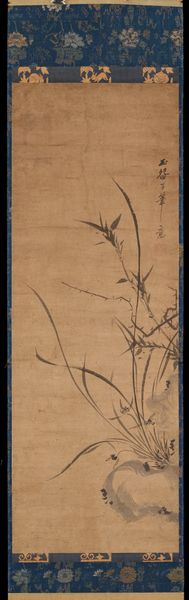
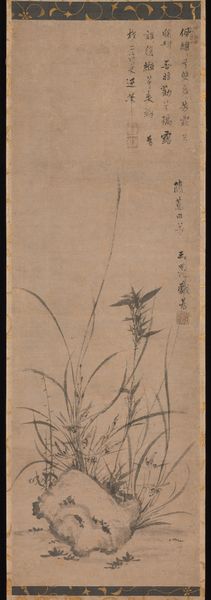
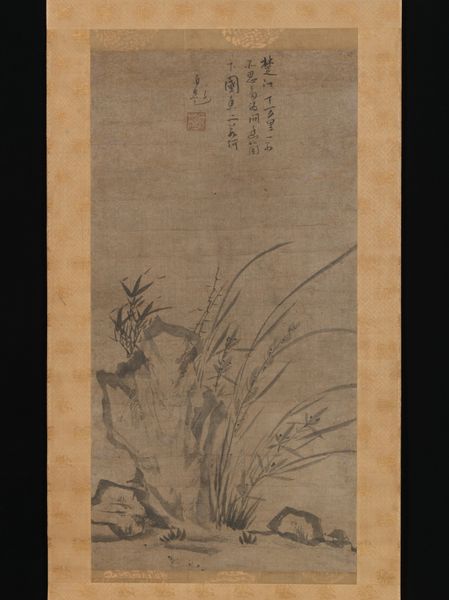
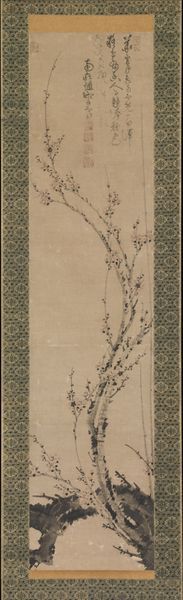
Gyokuen Bonpō painted these orchids with ink on paper during the 14th or 15th century. This painting represents more than just a pretty flower. Orchids, like bamboo, plum blossoms, and chrysanthemums, were one of the “Four Gentlemen” plants in Chinese and Japanese art. These plants were favored because they represented the four virtues of Confucianism. In Bonpō’s time, Zen Buddhism and Confucianism heavily influenced artistic styles. This artwork reflects that context, in part, through its monochrome palette and limited detail. Bonpō was a Zen Buddhist monk and his orchids are suggestive of modesty, purity, and refinement. As art historians, we can compare this to the other works by Bonpō and his contemporaries to determine whether this painting’s minimalist style reflects Bonpō’s personal style, the institutional environment in which he worked, or perhaps even the political and social structures of the time.