About this artwork
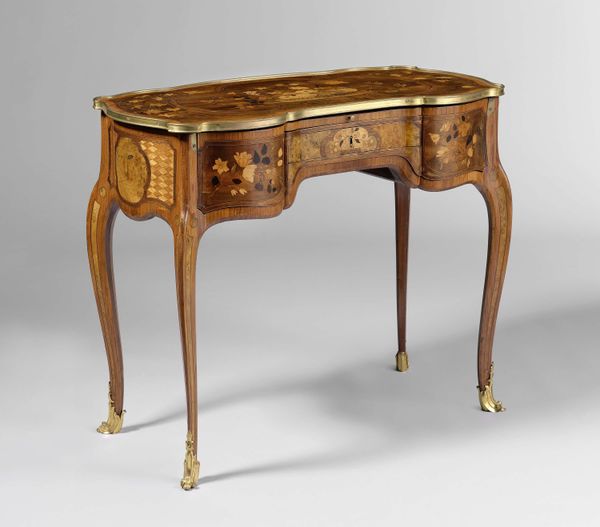
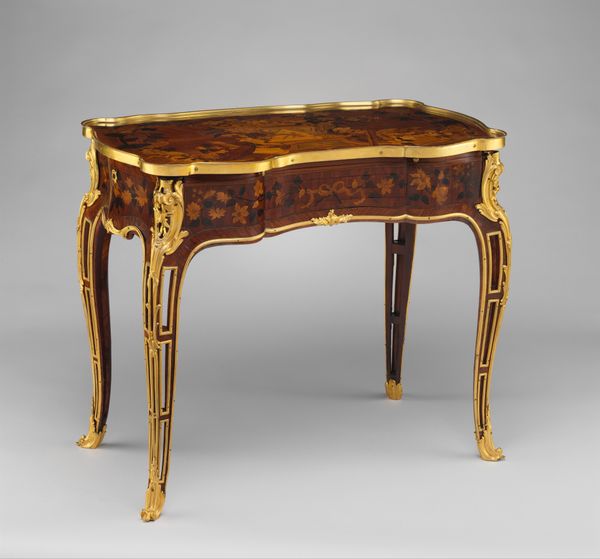
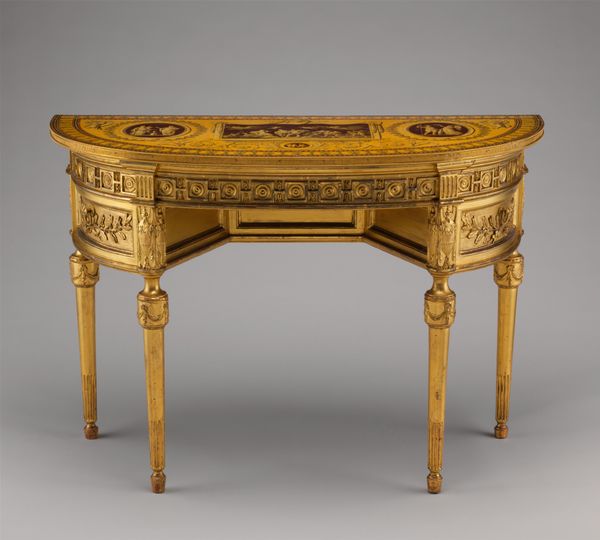
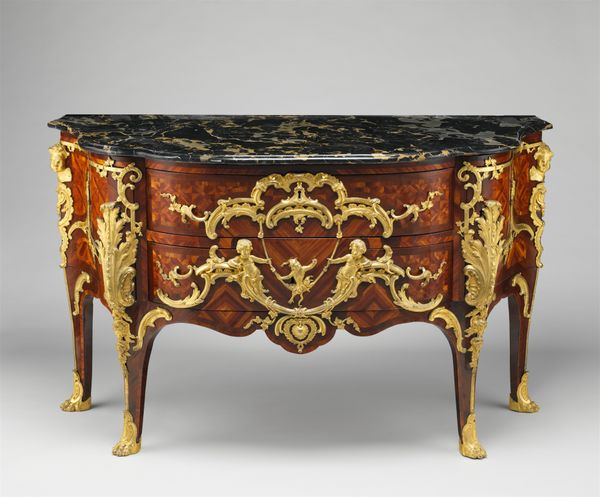
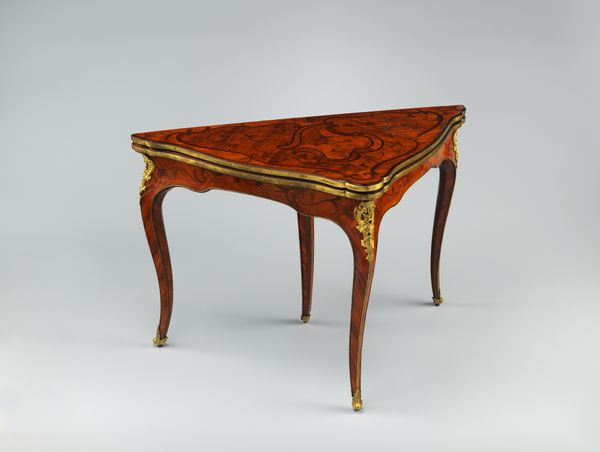
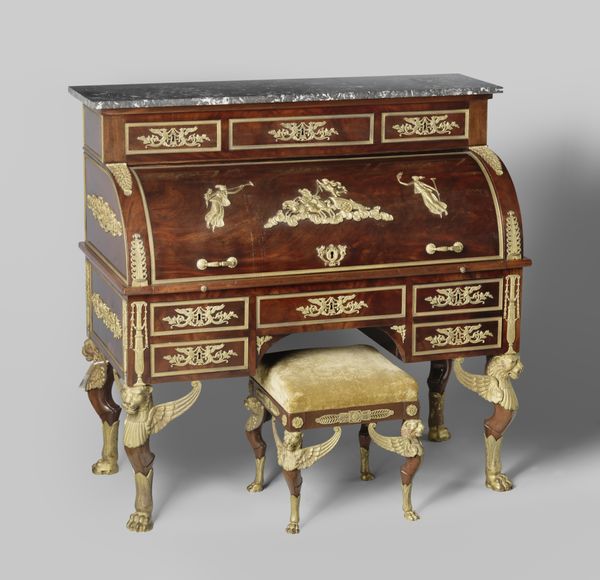
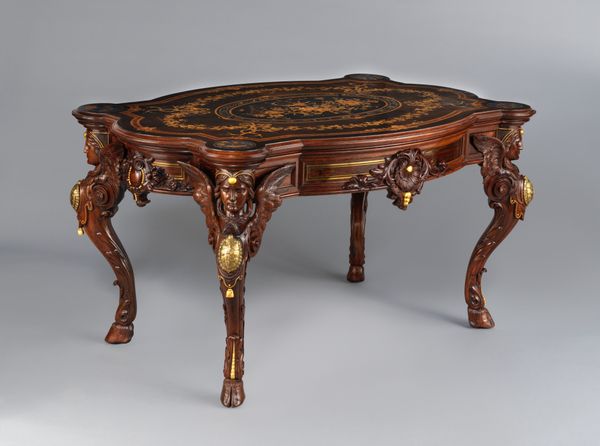
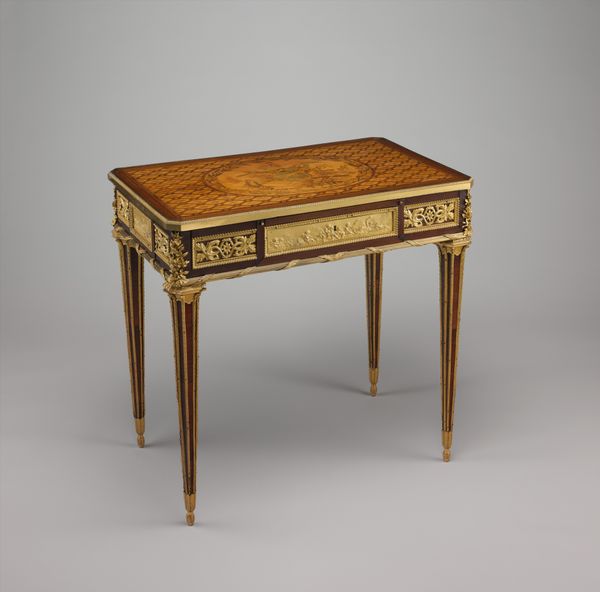
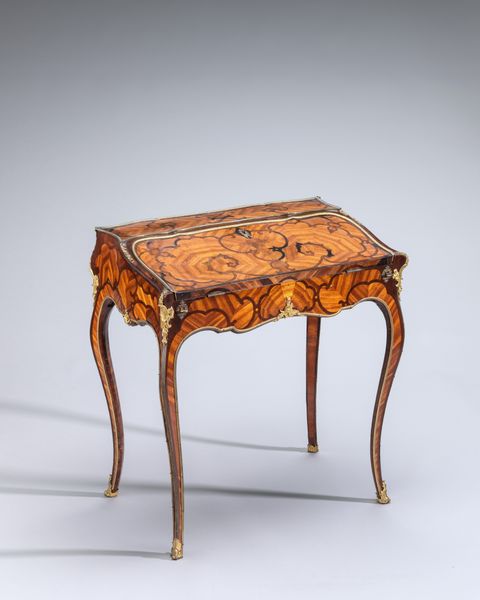
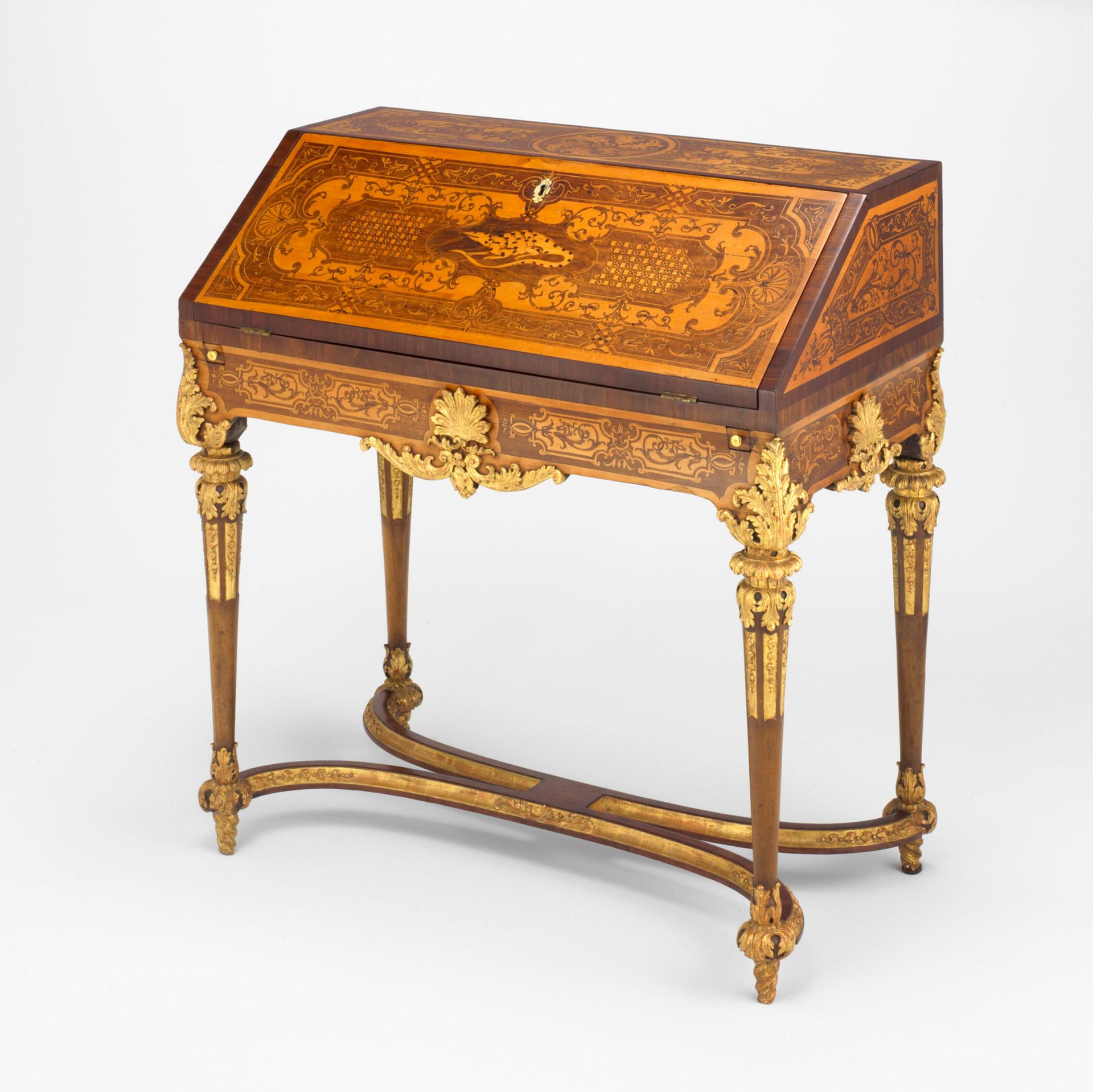
Heinrich Ludwig Rohde created this Slant-Front Desk out of various materials including wood and gilt. These desks were more than just furniture; they were a statement of identity and social standing in the 18th century. The intricate marquetry and gilded details speak to a culture of luxury and refinement that was largely enabled by colonial exploitation and trade. The desk embodies a paradox: it is a space for personal reflection and professional transaction, yet its existence is deeply entwined with broader narratives of power and inequality. The desk invokes questions about how we reconcile personal comfort with historical awareness. In a world that often tries to separate beauty from the realities of its making, the desk serves as a potent reminder of the complex entanglements of history, identity, and material culture.
Slant-Front Desk
c. 1720


Artwork details
- Medium
- carving, guilding, wood
- Dimensions
- 90 × 84 × 44.5 cm (35 7/16 × 33 1/16 × 17 1/2 in.)
- Location
- The Art Institute of Chicago
- Copyright
- Public Domain
Tags
wood texture
carving
germany
baroque
furniture
guilding
wooden texture
wood
decorative-art
Comments
Be the first to share your thoughts about this work.
About this artwork
Heinrich Ludwig Rohde created this Slant-Front Desk out of various materials including wood and gilt. These desks were more than just furniture; they were a statement of identity and social standing in the 18th century. The intricate marquetry and gilded details speak to a culture of luxury and refinement that was largely enabled by colonial exploitation and trade. The desk embodies a paradox: it is a space for personal reflection and professional transaction, yet its existence is deeply entwined with broader narratives of power and inequality. The desk invokes questions about how we reconcile personal comfort with historical awareness. In a world that often tries to separate beauty from the realities of its making, the desk serves as a potent reminder of the complex entanglements of history, identity, and material culture.
Comments
Be the first to share your thoughts about this work.