About this artwork
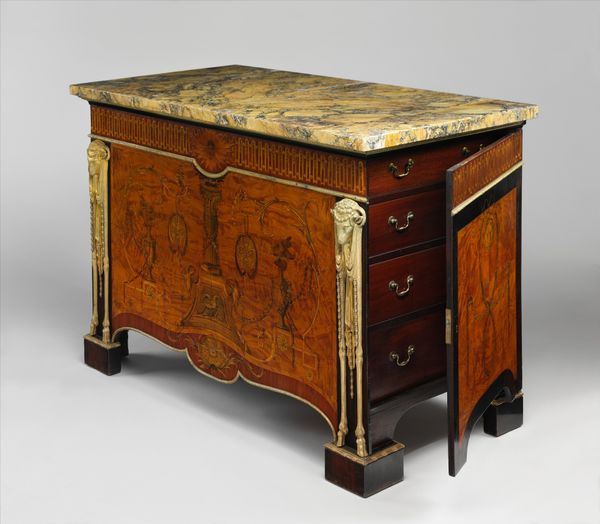
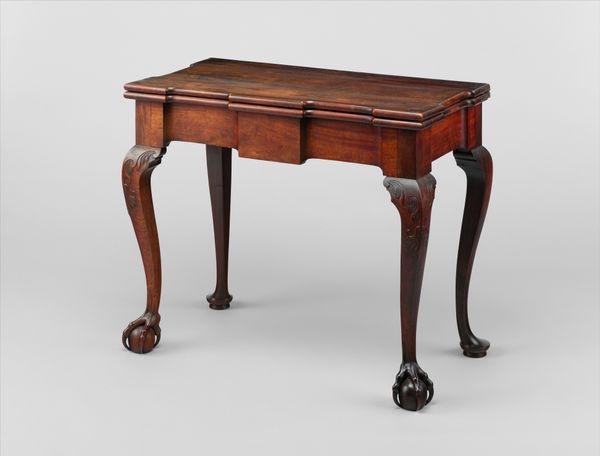
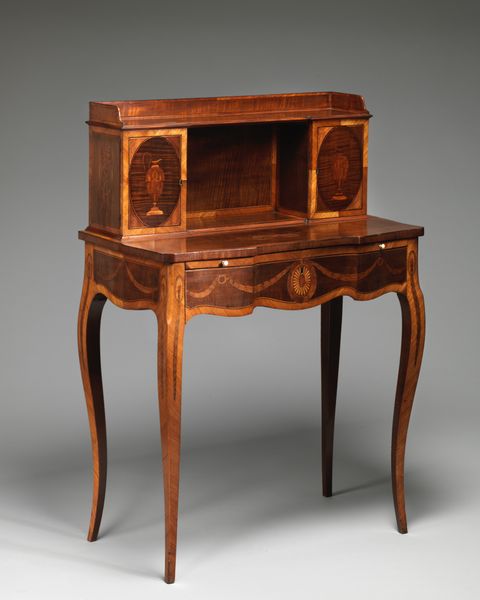
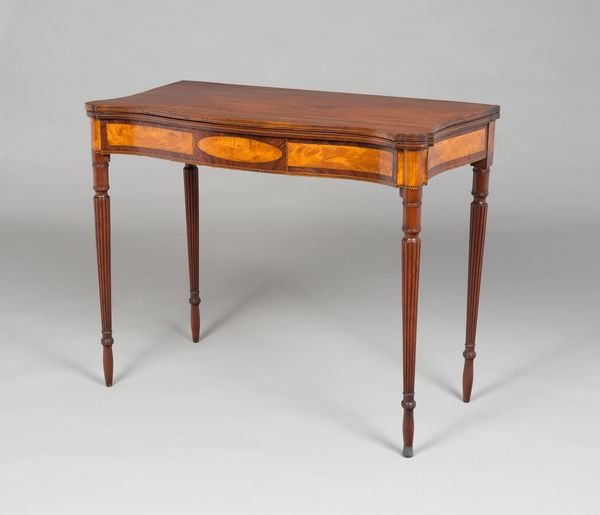
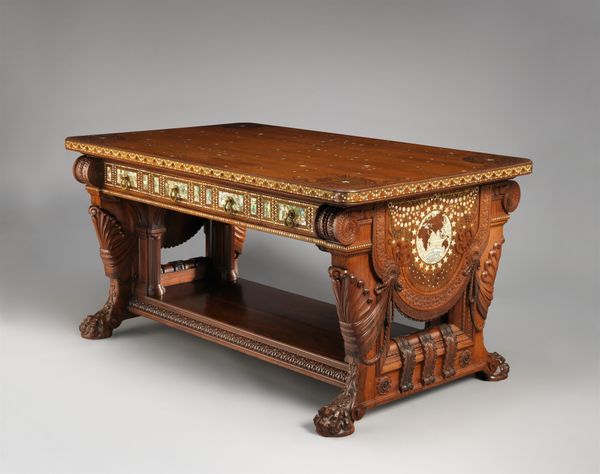
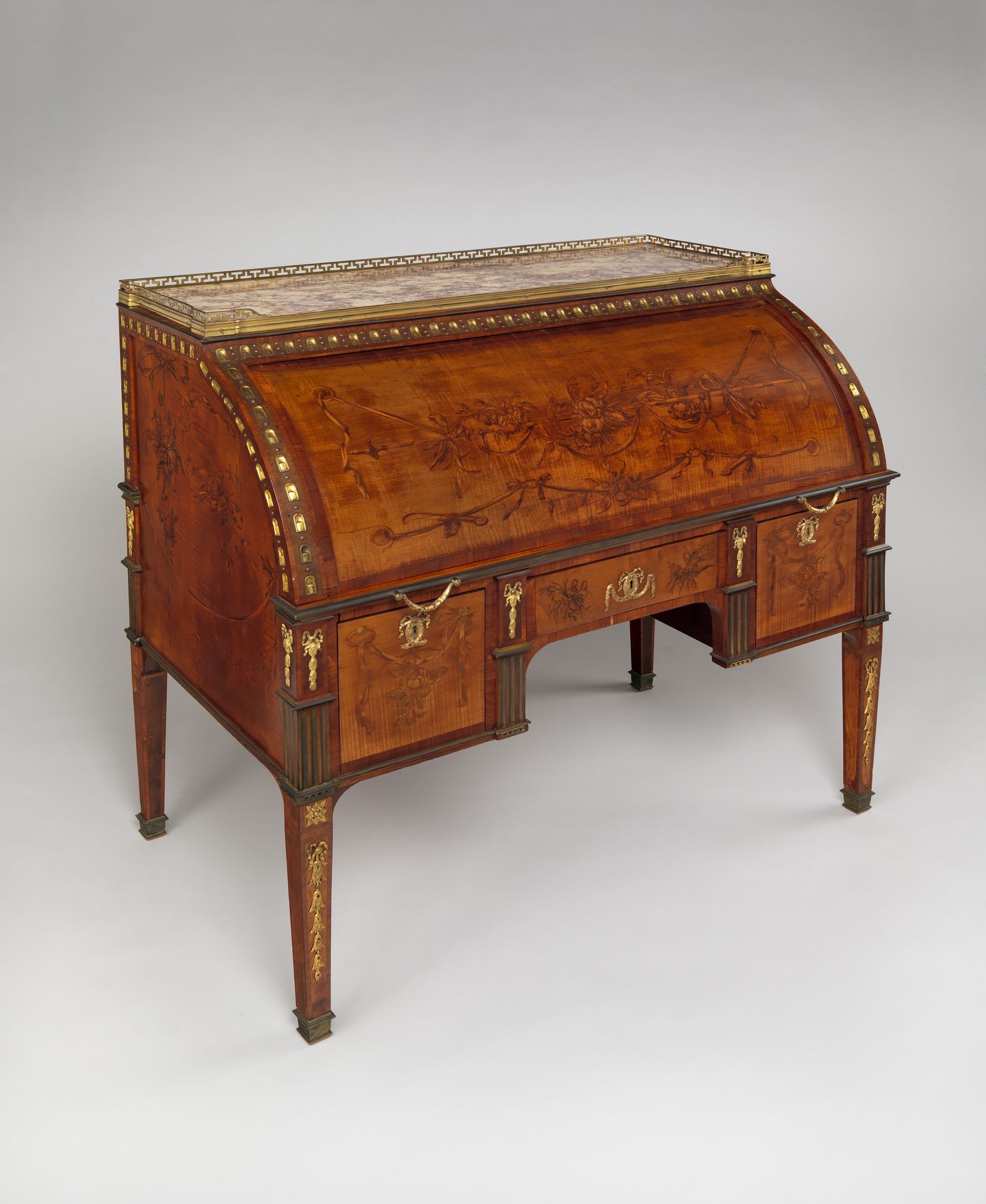
David Roentgen crafted this rolltop desk, showcasing exquisite marquetry and mechanical ingenuity, sometime before his death in 1807. Born in Germany, Roentgen navigated the complexities of class and commerce to become a celebrated cabinetmaker. Furniture like this was not just functional; it was a declaration of status. It was a potent symbol of wealth during a period defined by stark social hierarchies. Aristocrats and the emerging bourgeoisie used objects like these to perform their identities. Roentgen was known for his innovative designs and the element of surprise which was part of his technique. Each piece of furniture often contained hidden drawers and mechanical features which were designed to delight and impress. Roentgen's work provides a lens through which we can examine the dynamics of power, artistry, and aspiration in 18th-century Europe. The desk becomes more than just a piece of furniture; it is a stage upon which identities are asserted and societal narratives unfold.
Rolltop desk
1775 - 1785


Artwork details
- Medium
- metal, sculpture, wood
- Dimensions
- Overall: 44 7/8 × 45 3/4 × 26 1/2 in. (114 × 116.2 × 67.3 cm)
- Location
- Metropolitan Museum of Art, New York, NY
- Copyright
- Public Domain
Tags
Comments
Share your thoughts
About this artwork
David Roentgen crafted this rolltop desk, showcasing exquisite marquetry and mechanical ingenuity, sometime before his death in 1807. Born in Germany, Roentgen navigated the complexities of class and commerce to become a celebrated cabinetmaker. Furniture like this was not just functional; it was a declaration of status. It was a potent symbol of wealth during a period defined by stark social hierarchies. Aristocrats and the emerging bourgeoisie used objects like these to perform their identities. Roentgen was known for his innovative designs and the element of surprise which was part of his technique. Each piece of furniture often contained hidden drawers and mechanical features which were designed to delight and impress. Roentgen's work provides a lens through which we can examine the dynamics of power, artistry, and aspiration in 18th-century Europe. The desk becomes more than just a piece of furniture; it is a stage upon which identities are asserted and societal narratives unfold.
Comments
Share your thoughts