1777 - 1790
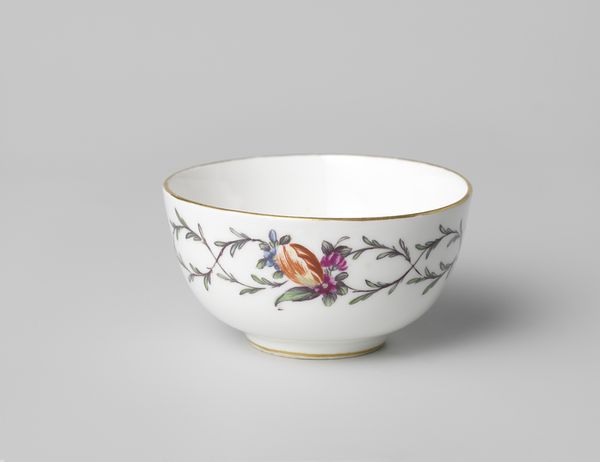
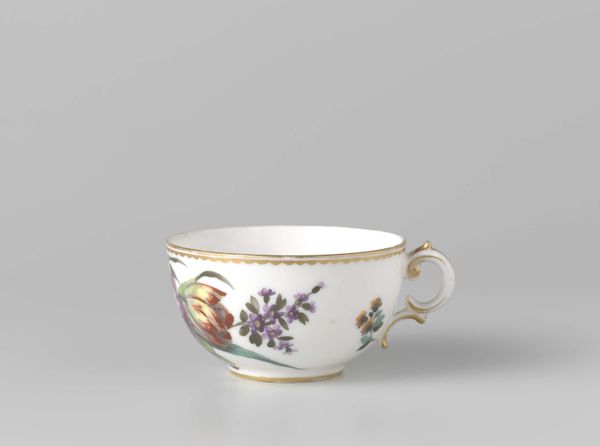
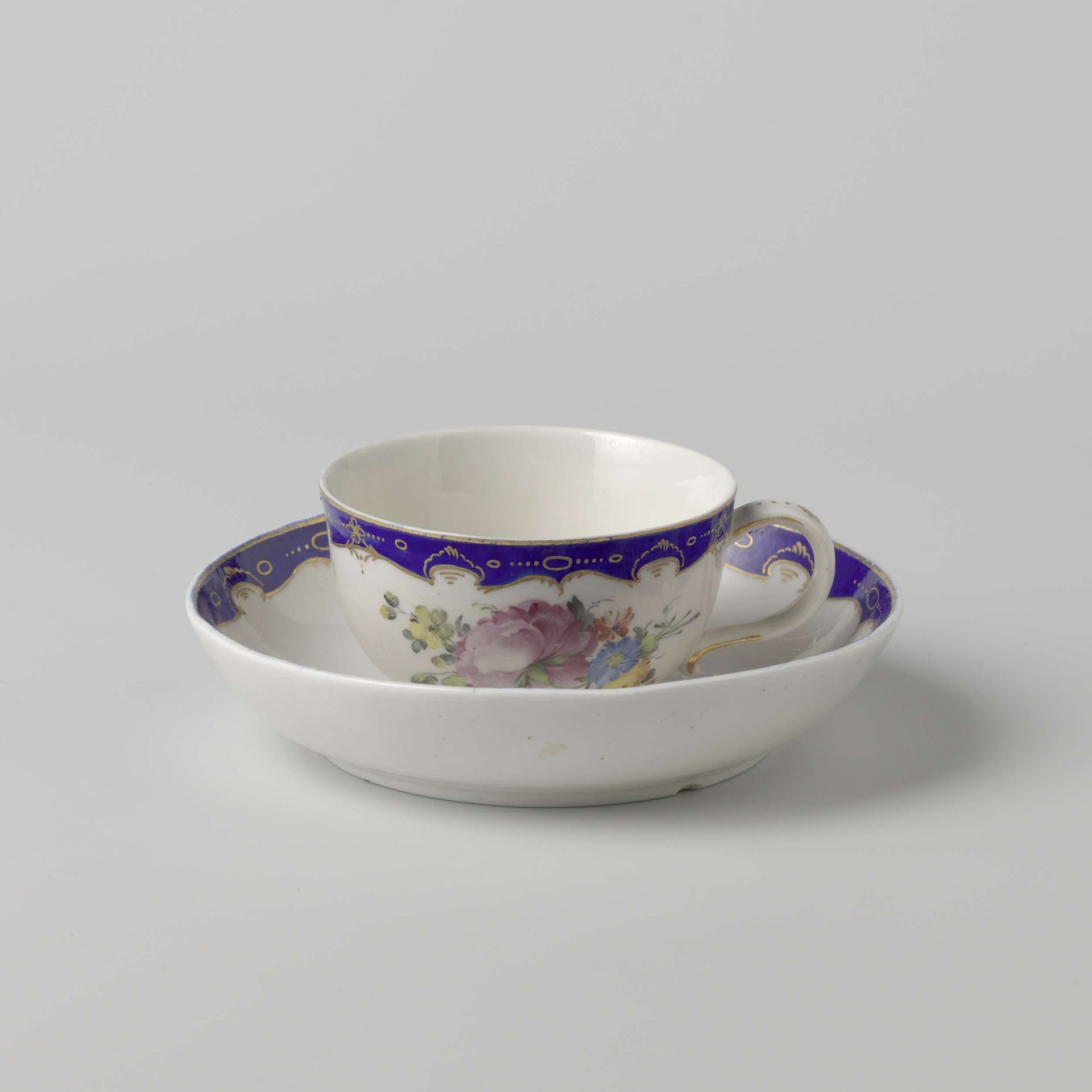
Schotel

Porseleinfabriek Den Haag
@porseleinfabriekdenhaagLocation
RijksmuseumListen to curator's interpretation
Curatorial notes
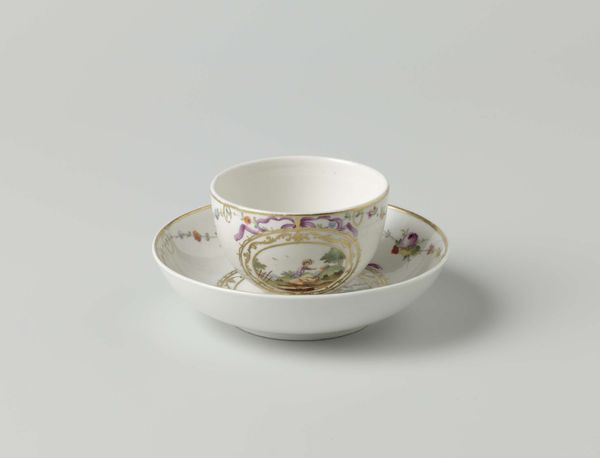
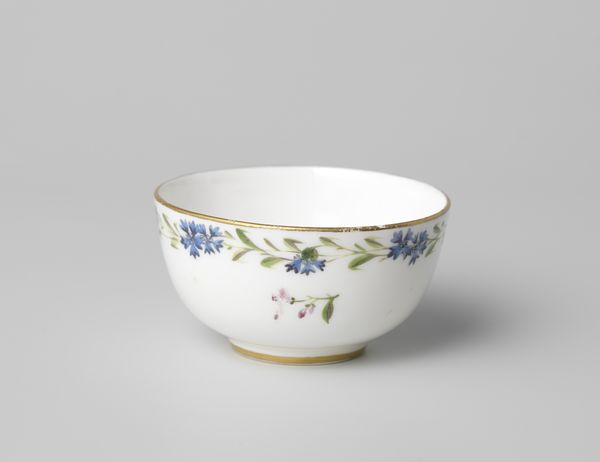
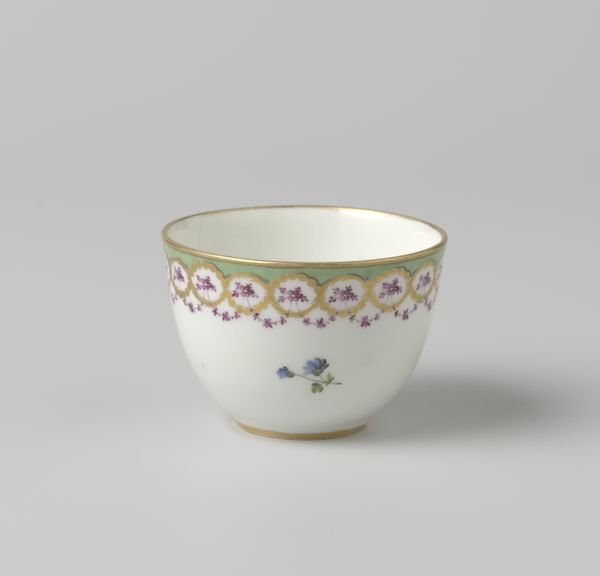
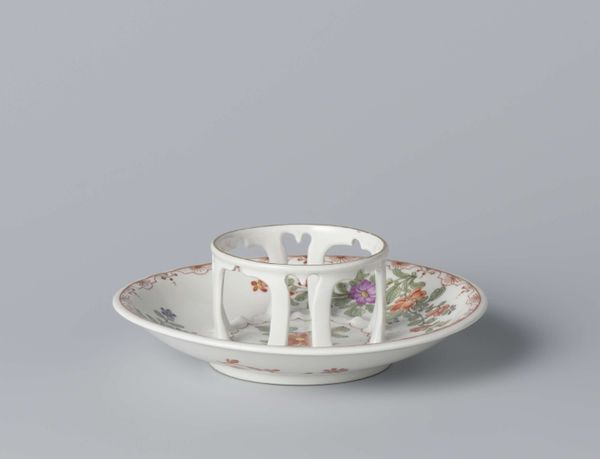
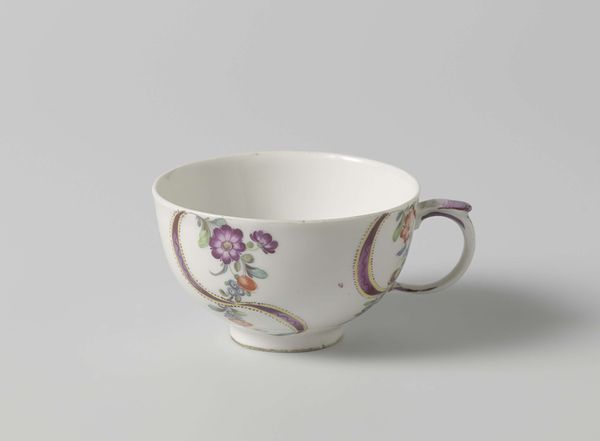
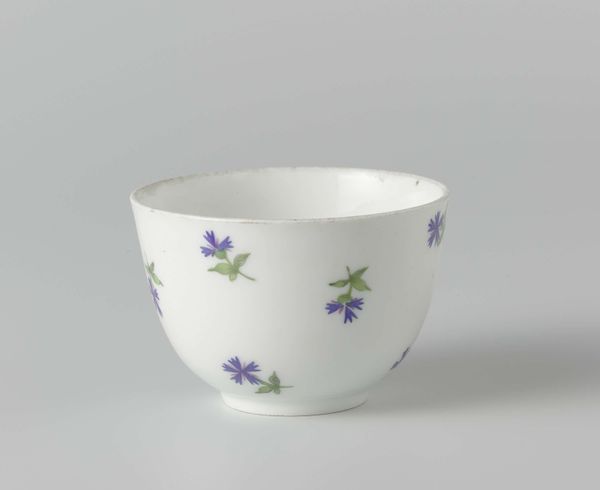
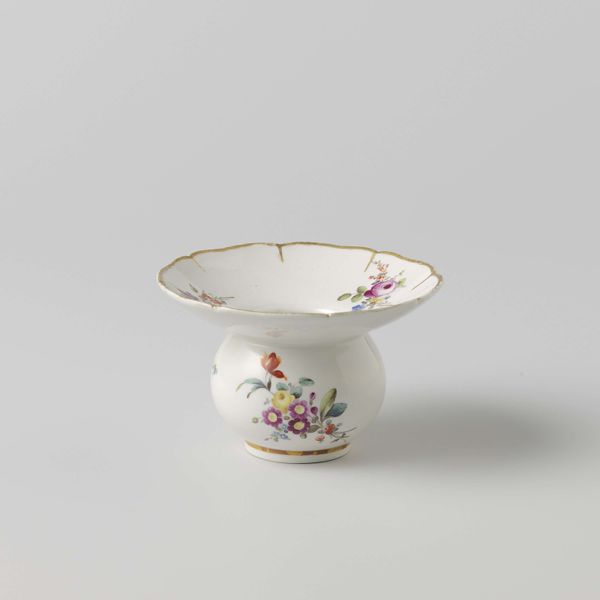
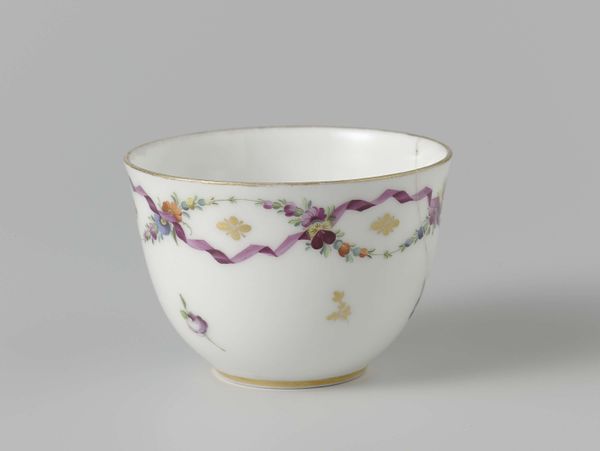
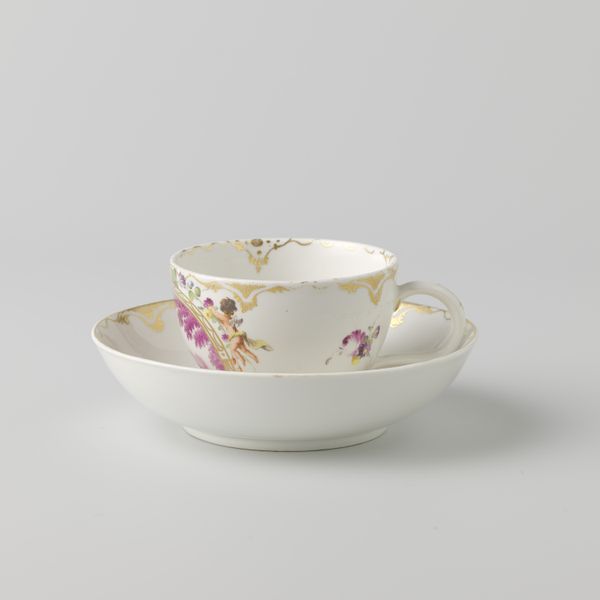
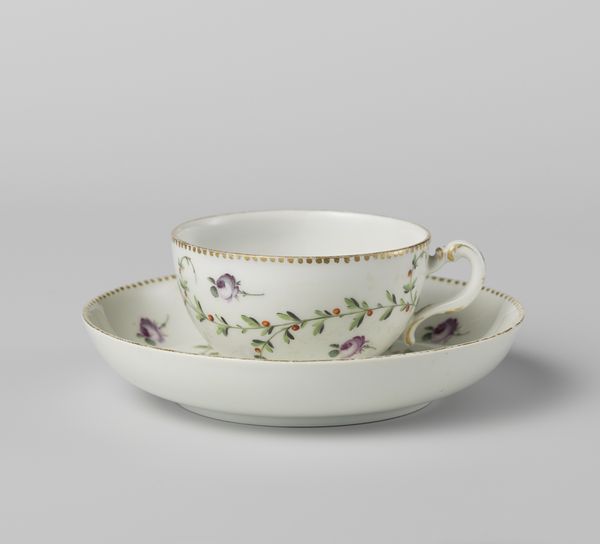
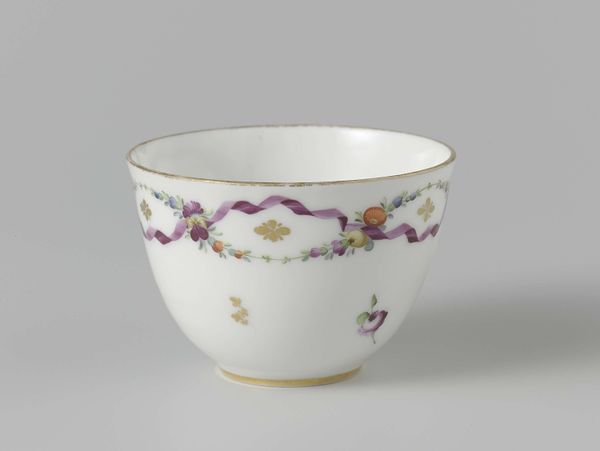
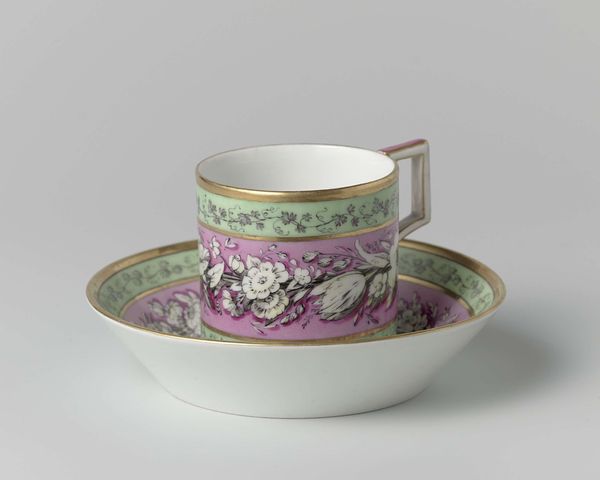
This delicate ‘Schotel’ was crafted at the Porseleinfabriek Den Haag in the Netherlands. Although at first glance, this porcelain dish may appear simply decorative, it offers a glimpse into the intricate social and economic structures of its time. The rise of porcelain production in the Netherlands reflects the country’s growing economic power and its engagement in global trade networks. Motifs such as the floral pattern seen here reflect a European fascination with the natural world, mirroring developments in botany, exploration, and colonization. Such objects were luxury goods, and were often used by the elite to display their wealth and taste, solidifying their social standing. To truly understand this work, we can investigate how the Porseleinfabriek Den Haag positioned itself within these social hierarchies, who its patrons were, and how its designs reflected the prevailing tastes and values of the time.