c. 1870
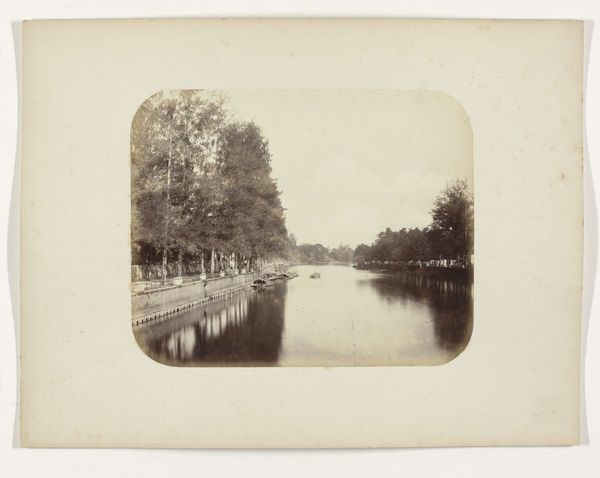
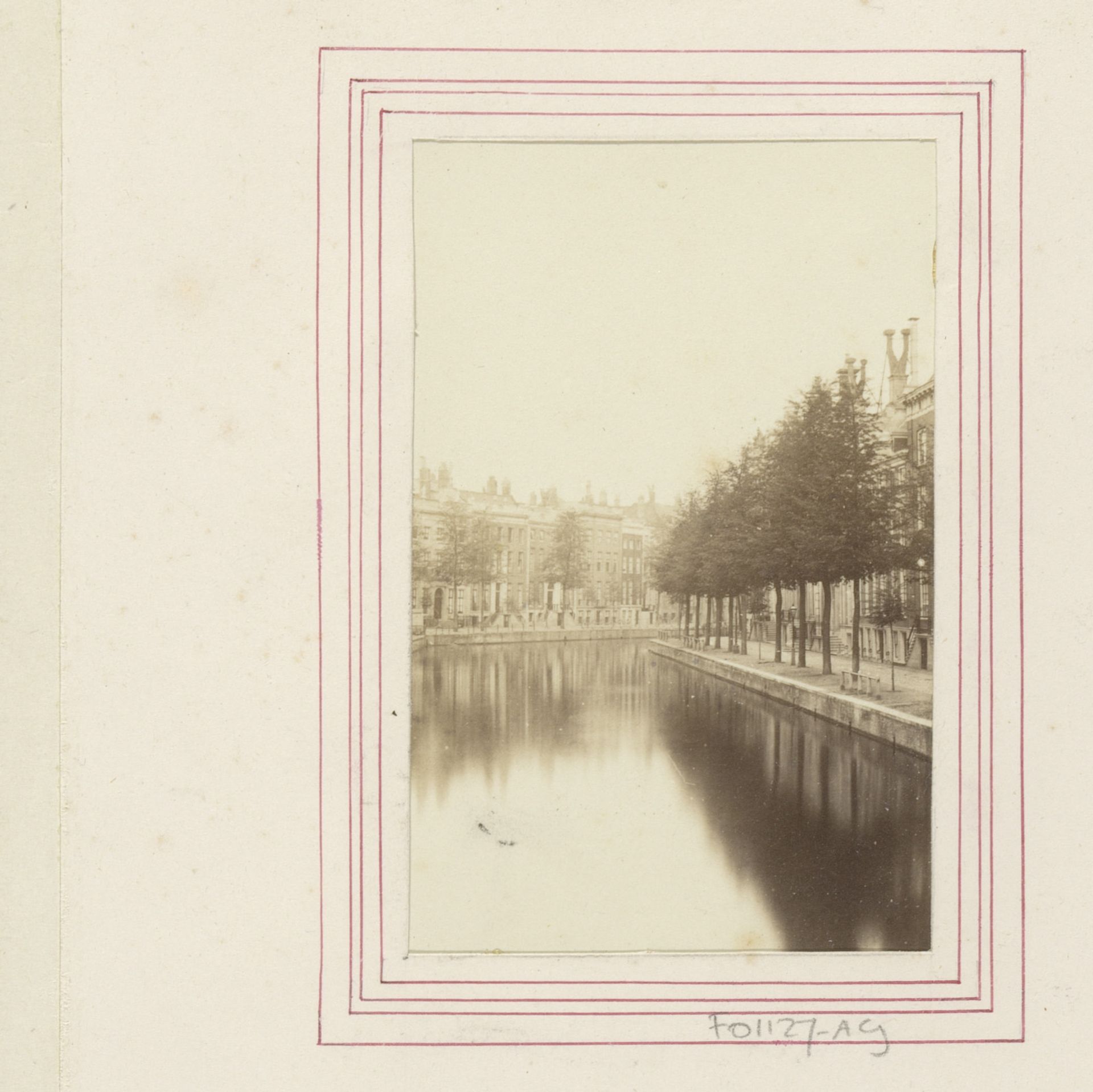
Bocht in de Herengracht in Amsterdam

Pieter Oosterhuis
1816 - 1885Location
RijksmuseumListen to curator's interpretation
Curatorial notes
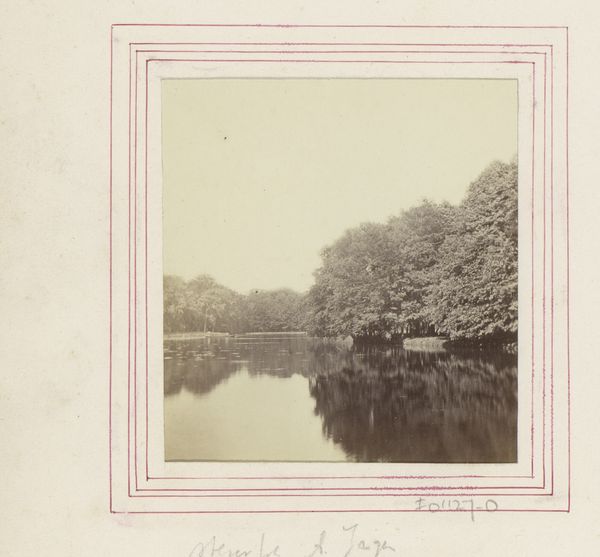
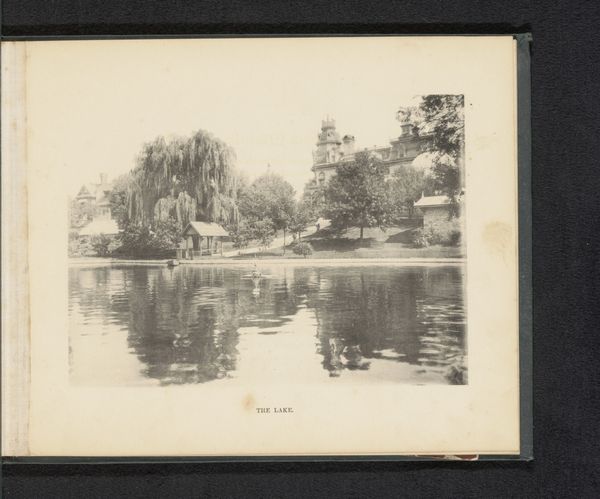
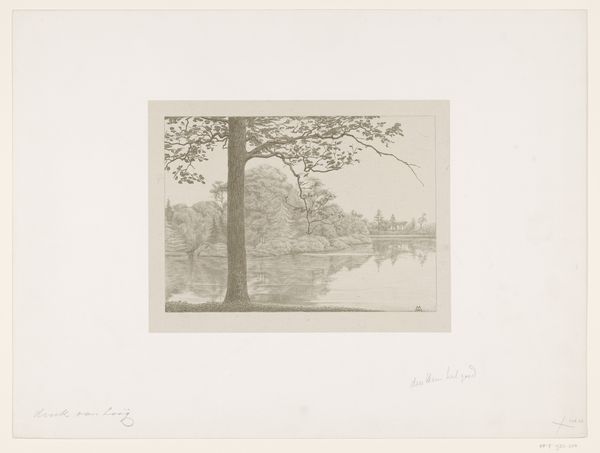
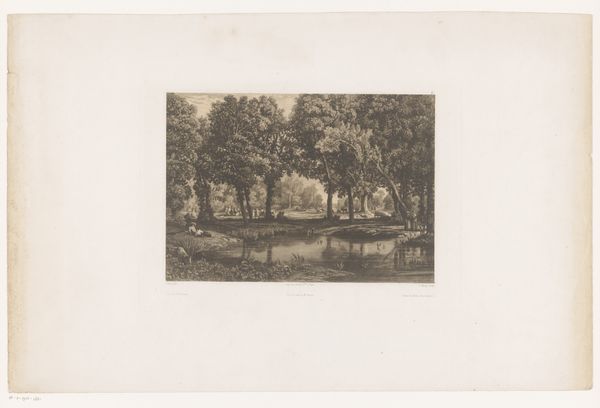
Pieter Oosterhuis captured this photograph of the Herengracht in Amsterdam in the 19th century. The serene canal, flanked by stately trees and grand buildings, presents a scene of bourgeois tranquility. But, look closer. The reflection of the buildings in the water creates an ethereal doubling of the image, a visual echo. This motif of reflection, seen in countless artworks throughout history, from Narcissus gazing at his own image in Ovid’s Metamorphoses, to Renaissance paintings of mirror reflections, is used to symbolize introspection, truth, and illusion. Here, it stirs deep within us the idea of a world both real and mirrored, known and unknown, a duality that permeates human experience. The water’s surface acts as a liminal space between conscious and subconscious realities. This image, in its quiet way, evokes the cyclical nature of life, where reflections constantly resurface and evolve. It’s a reminder that what we see is always mediated, always a partial truth, inviting us to delve deeper into the hidden currents beneath the surface.