1646 - 1670
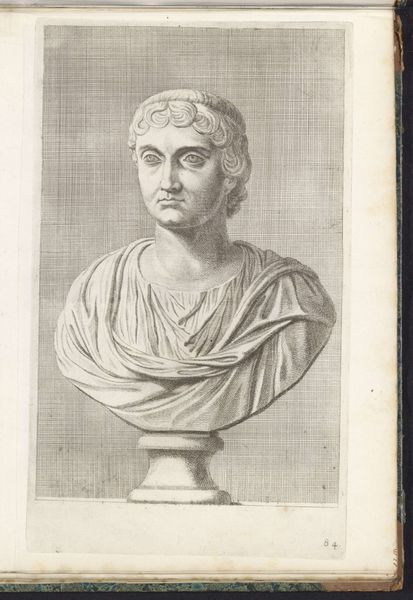
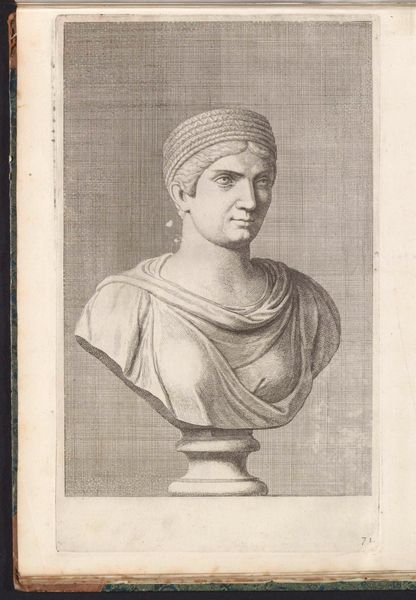
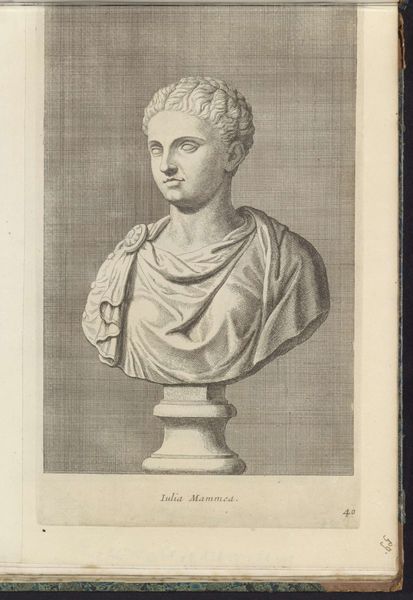
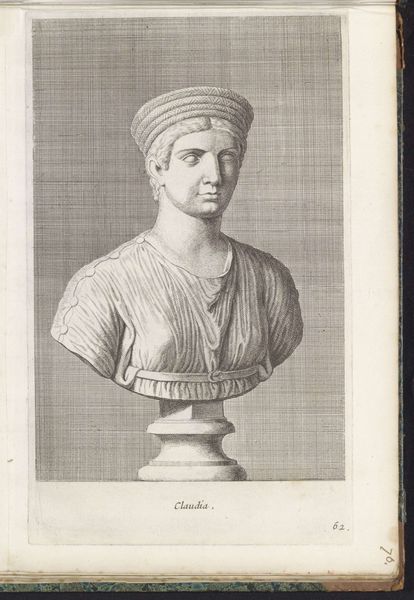
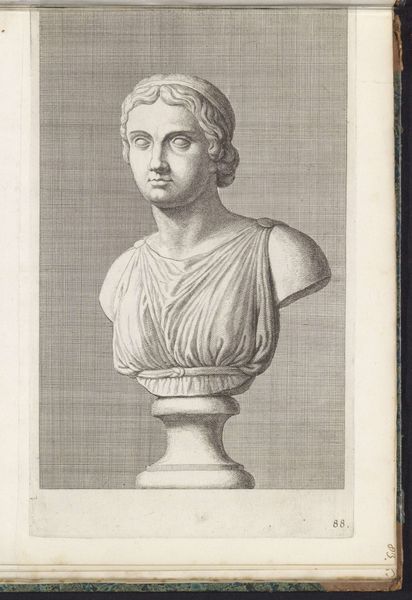
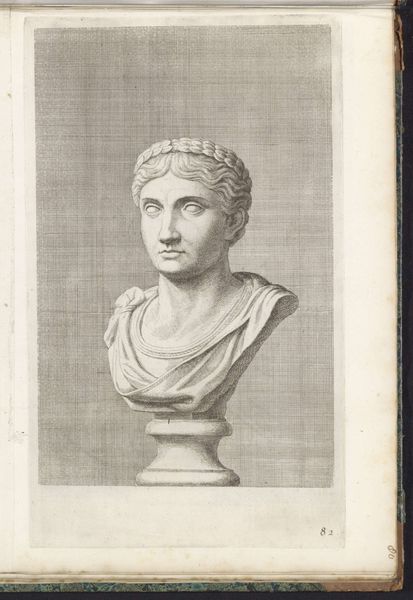
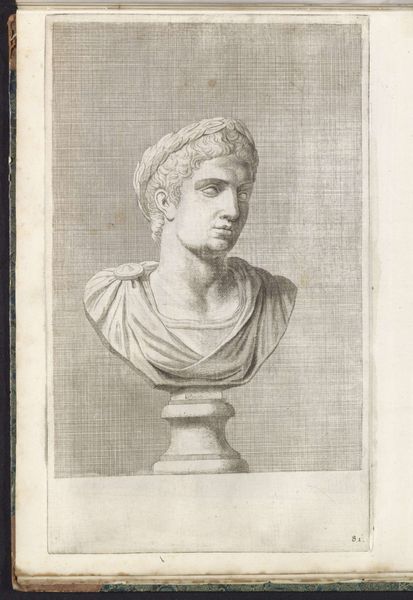
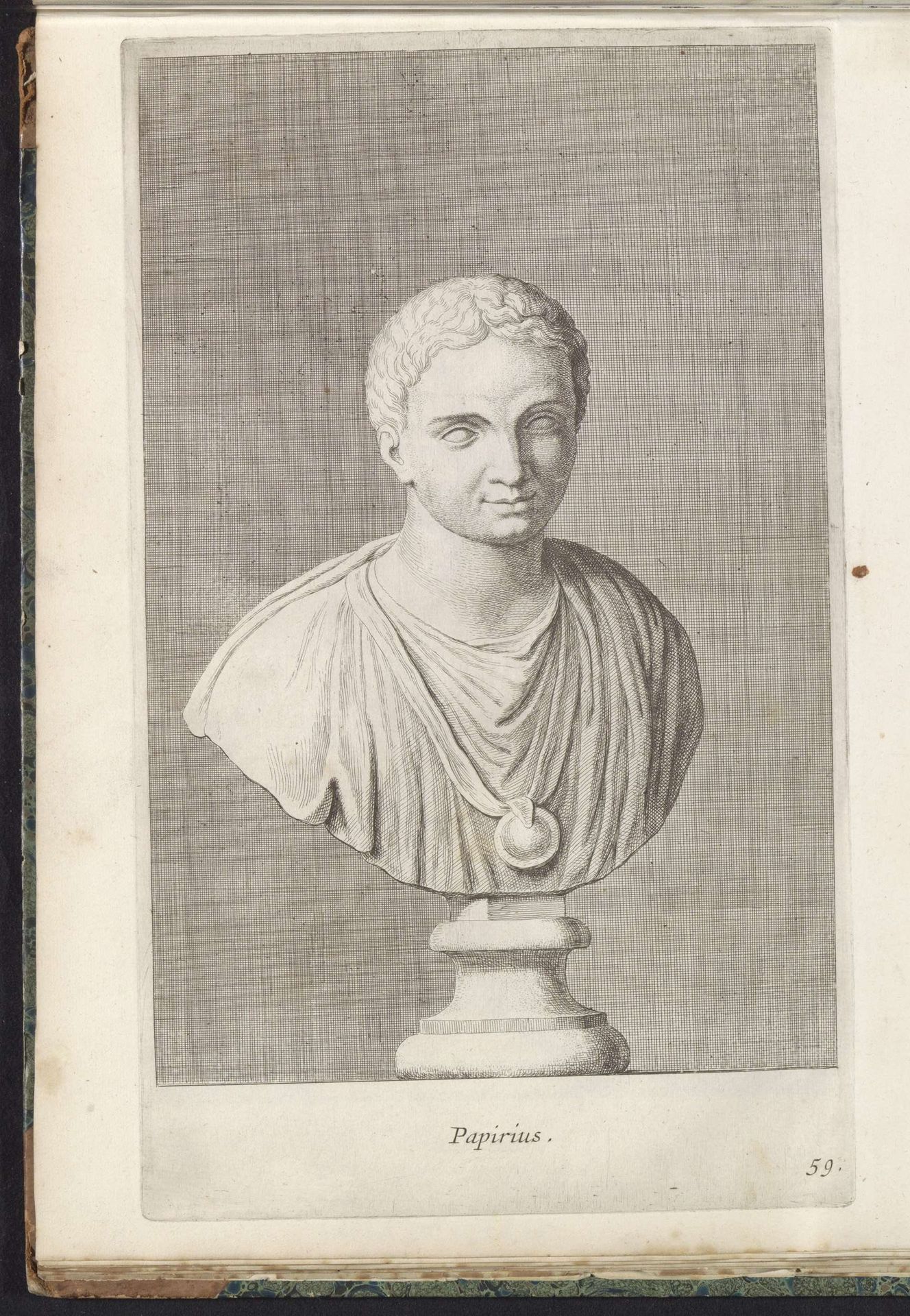
Buste van Papirius

Hubert Quellinus
1619 - 1687Location
RijksmuseumListen to curator's interpretation
Curatorial notes
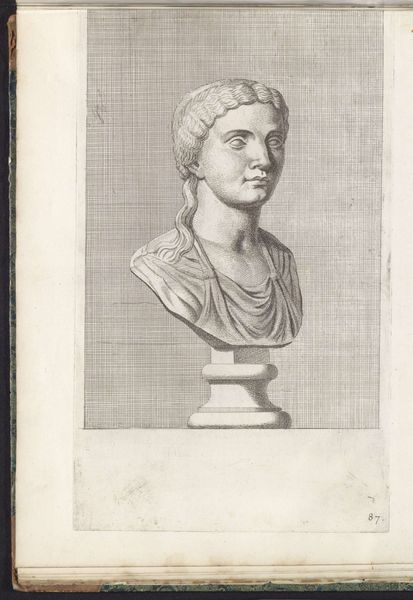
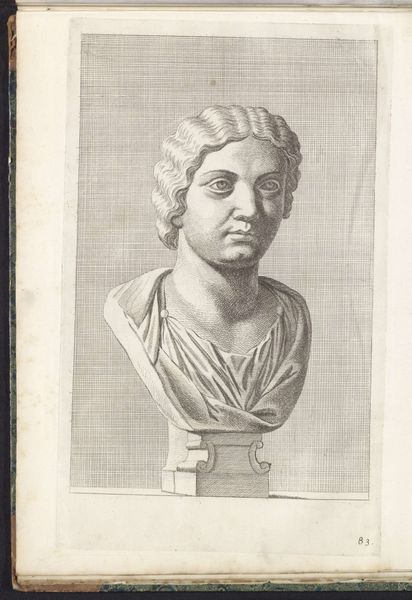
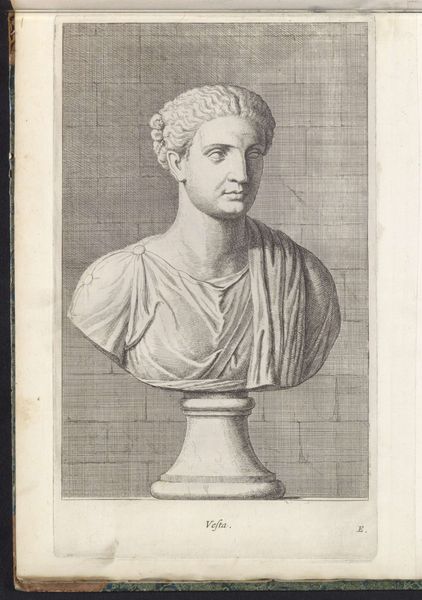
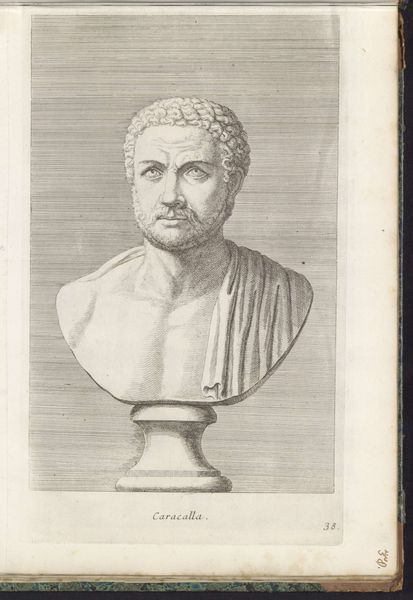
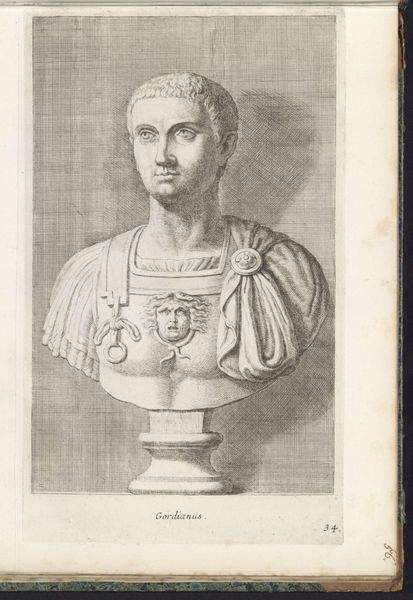
This is Hubert Quellinus's "Bust of Papirius", an engraving held at the Rijksmuseum. Quellinus made this print in the Dutch Republic, a nation undergoing rapid transformation. New civic institutions were being founded, and the collecting of antiquities was becoming popular among wealthy citizens. This print is based on a classical sculpture, depicting a Roman figure. From the perspective of the Dutch Republic, Rome represented an earlier, republican form of government; a touchstone for thinking about civic duty and the role of leadership. But it also evoked the power of empire, as the Dutch Republic was becoming a global power with colonies abroad. Prints like this one were made to be collected and studied. Their purpose was educational, to provide access to imagery of important people from the past. These were used by artists and scholars alike. As historians, we can study these prints to learn not just about classical antiquity, but about the Dutch Republic itself.