About this artwork
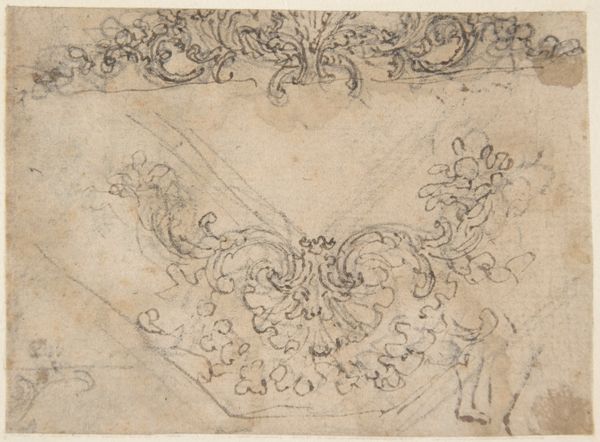
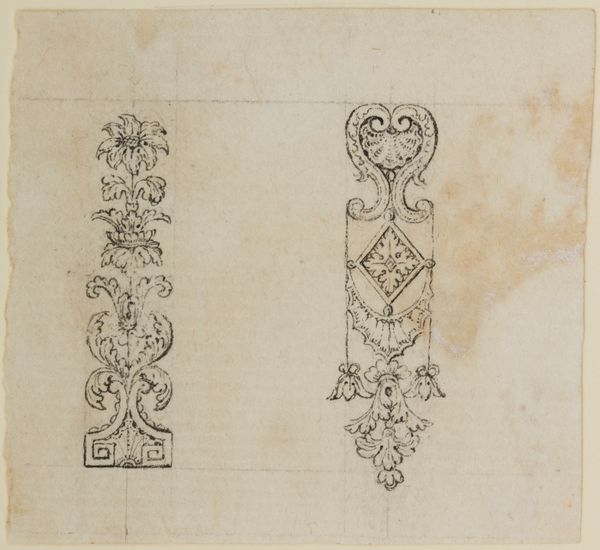
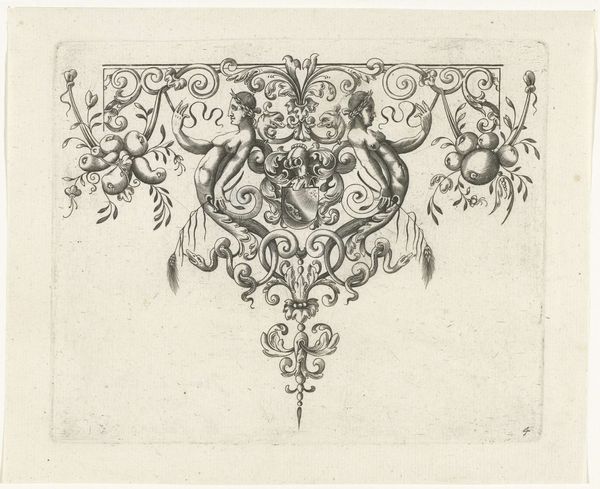
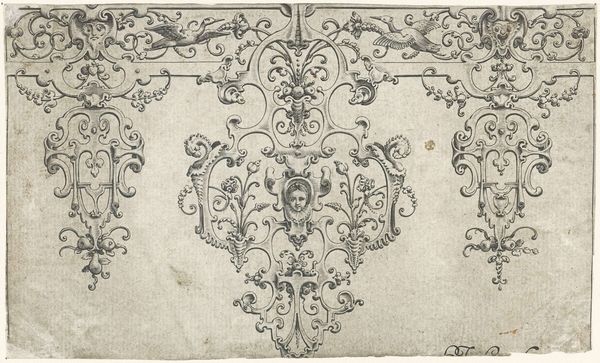
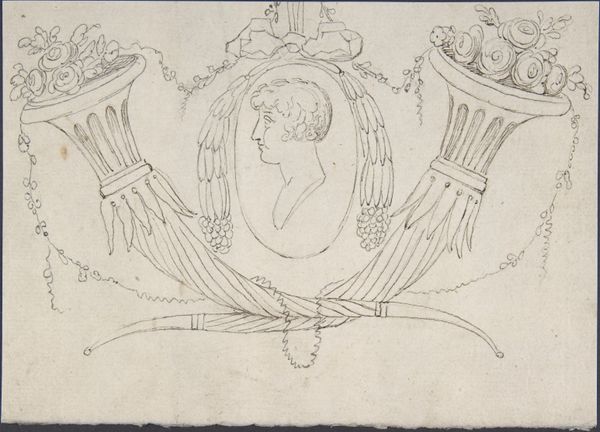
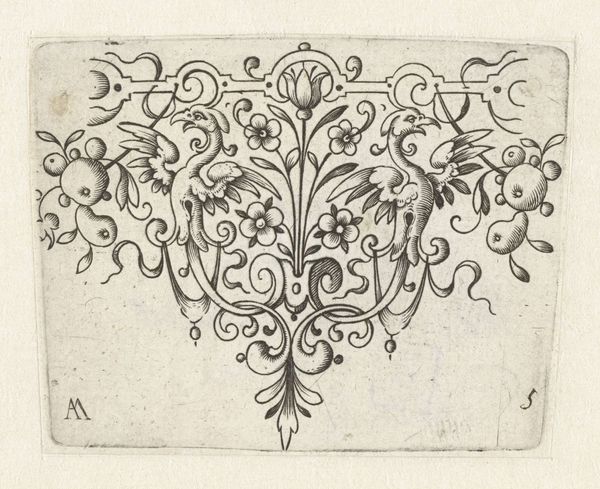
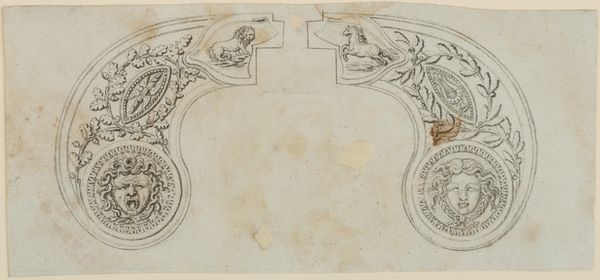
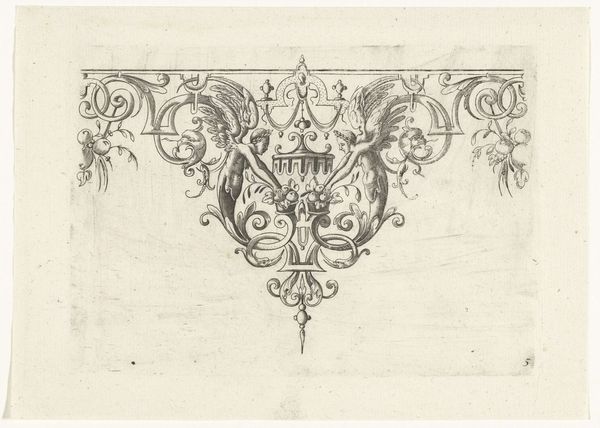
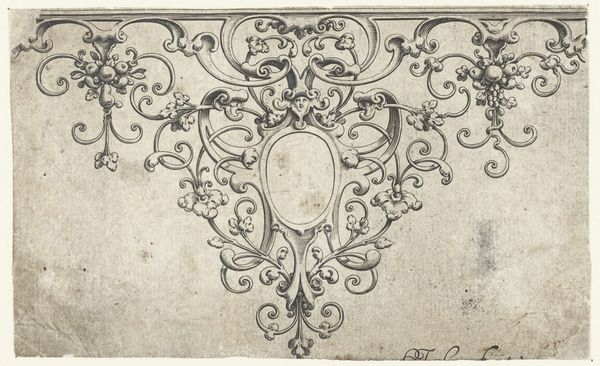
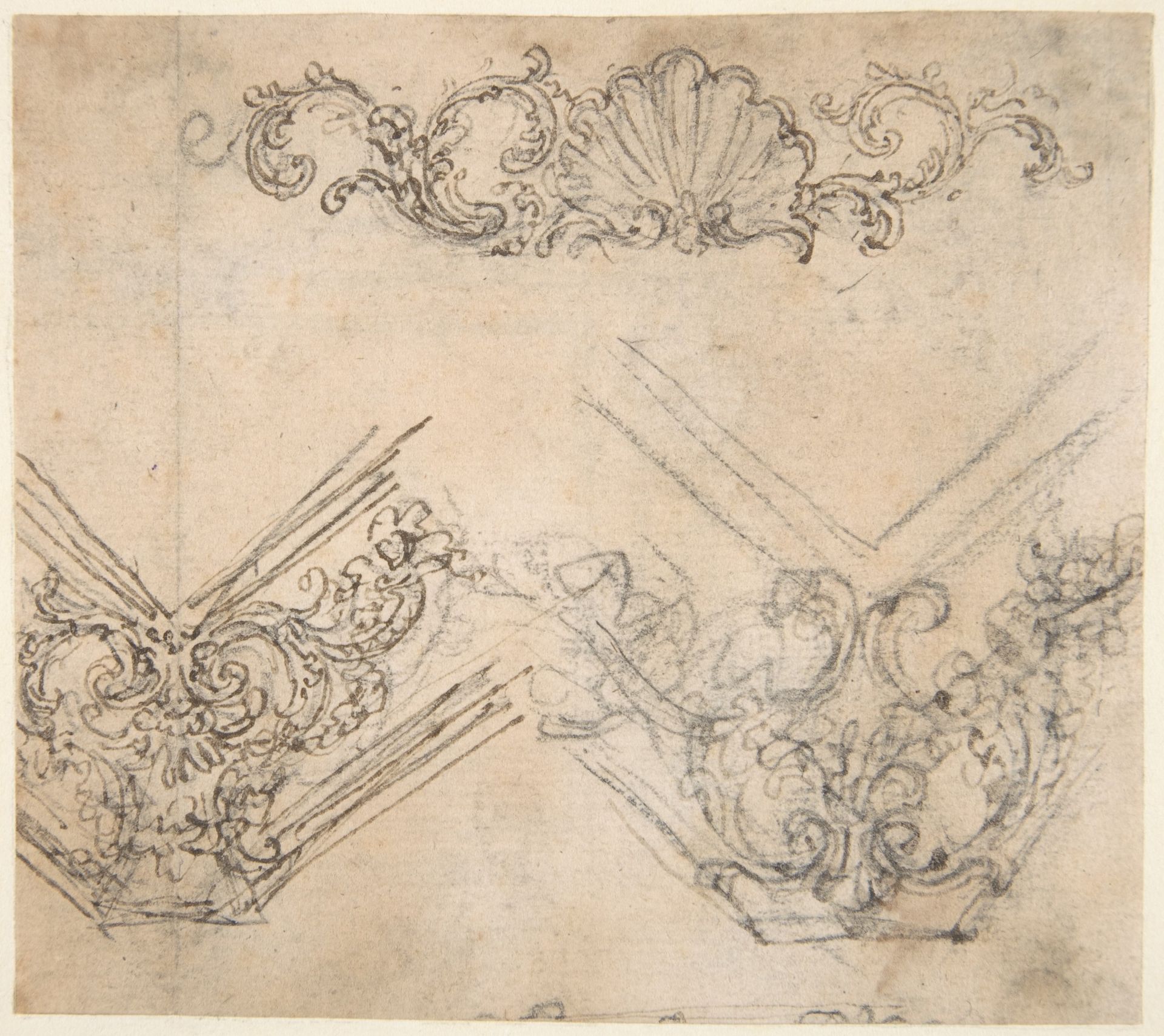
Giovanni Battista Foggini created these ornamental designs for friezes and frames in pen and brown ink. The volutes and garlands, symbols of abundance and celebration, create a rhythm that carries across time. Note how the scallop shell motif, centrally placed, anchors the composition. Since antiquity, this symbol has been associated with pilgrimage and rebirth. Consider its earlier usage in depictions of Venus, born from the sea, and later, adorning the cloak of pilgrims on their way to Santiago de Compostela. Here, in Foggini's design, the shell is divorced from its sacred origins, yet retains a vestige of its transformative power. This motif, passed down through generations of artisans, reminds us of the past and the continuous process of cultural memory, where symbols are both preserved and altered in a perpetual dance through time. It is a potent echo, engaging our subconscious with its rich history.
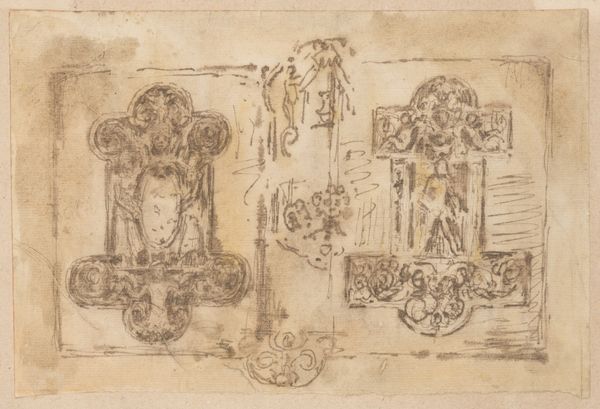
Designs for the Decoration of a Frieze and Corner Motifs (recto); Design for Two Frames Decorated with Volutes, Garlands and the Head of a Putto (verso) 1652 - 1725

Giovanni Battista Foggini
1652 - 1725
The Metropolitan Museum of Art
Metropolitan Museum of Art, New York, NYArtwork details
- Medium
- drawing, pencil
- Dimensions
- sheet: 4 1/16 x 4 9/16 in. (10.3 x 11.6 cm)
- Location
- Metropolitan Museum of Art, New York, NY
- Copyright
- Public Domain
Tags
drawing
baroque
pencil sketch
form
geometric
pencil
line
decorative-art
Comments
No comments
About this artwork
Giovanni Battista Foggini created these ornamental designs for friezes and frames in pen and brown ink. The volutes and garlands, symbols of abundance and celebration, create a rhythm that carries across time. Note how the scallop shell motif, centrally placed, anchors the composition. Since antiquity, this symbol has been associated with pilgrimage and rebirth. Consider its earlier usage in depictions of Venus, born from the sea, and later, adorning the cloak of pilgrims on their way to Santiago de Compostela. Here, in Foggini's design, the shell is divorced from its sacred origins, yet retains a vestige of its transformative power. This motif, passed down through generations of artisans, reminds us of the past and the continuous process of cultural memory, where symbols are both preserved and altered in a perpetual dance through time. It is a potent echo, engaging our subconscious with its rich history.
Comments
No comments