About this artwork
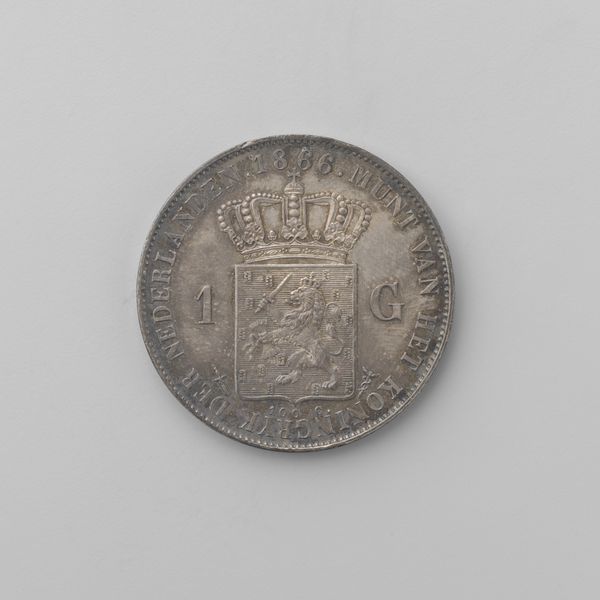
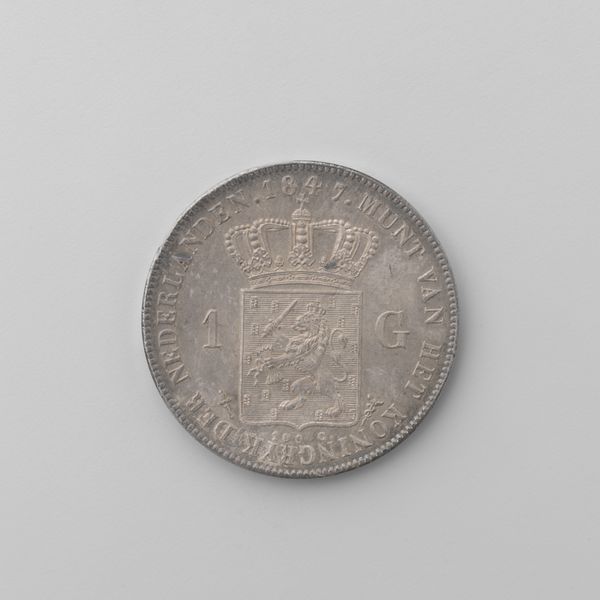
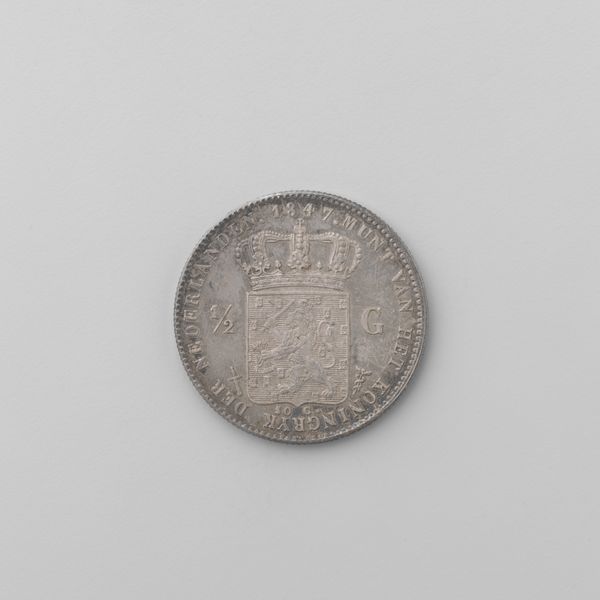
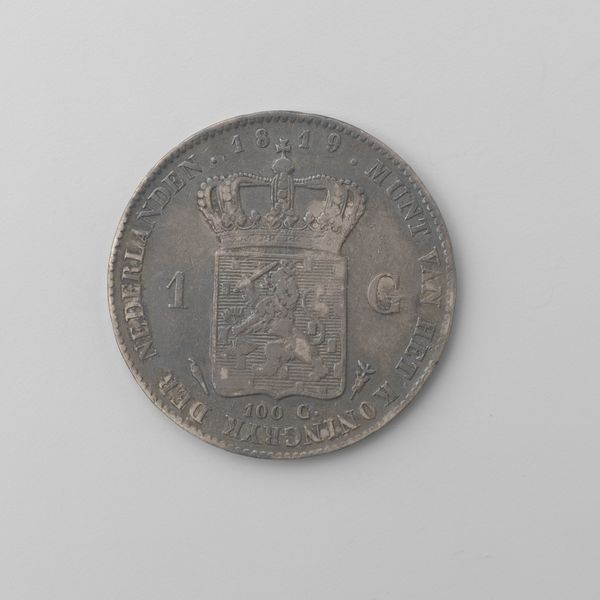
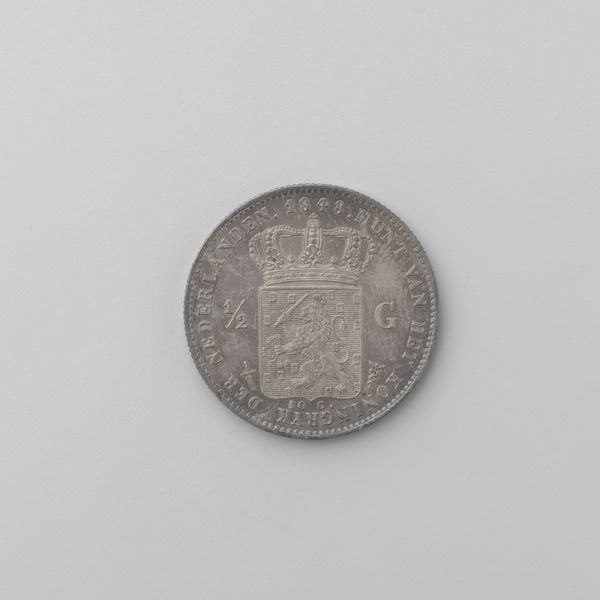
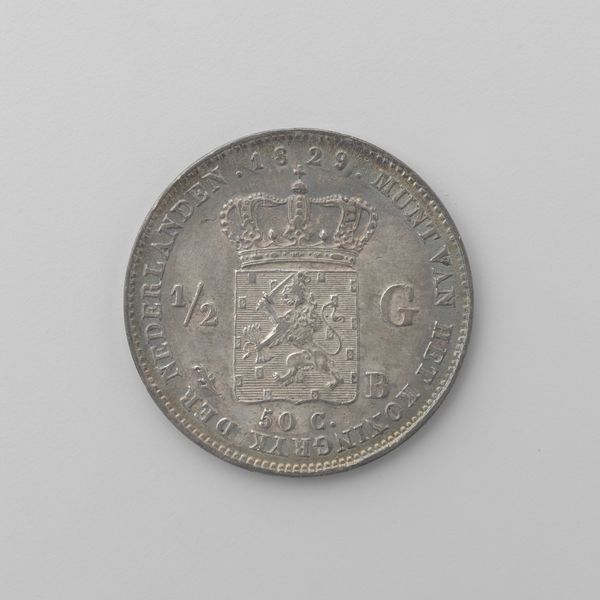
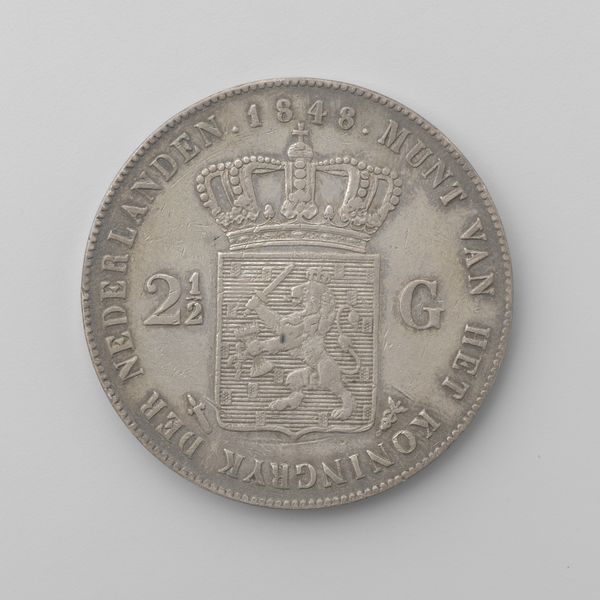
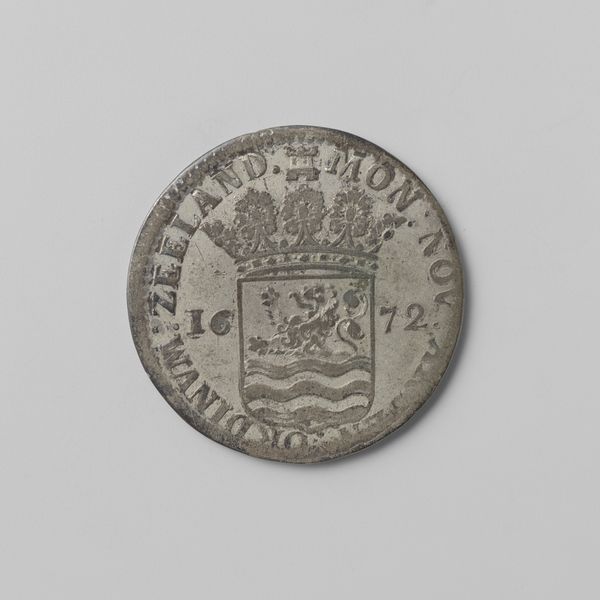
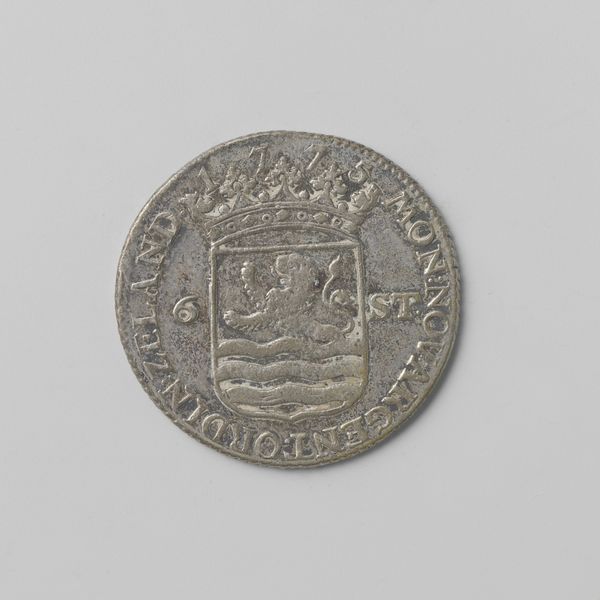
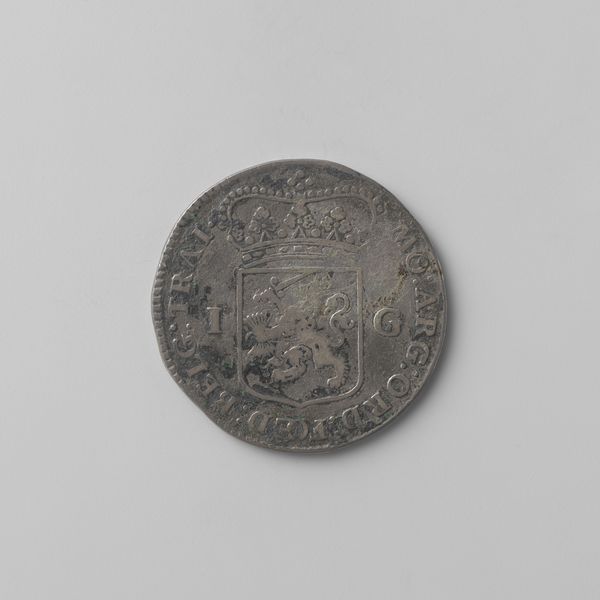
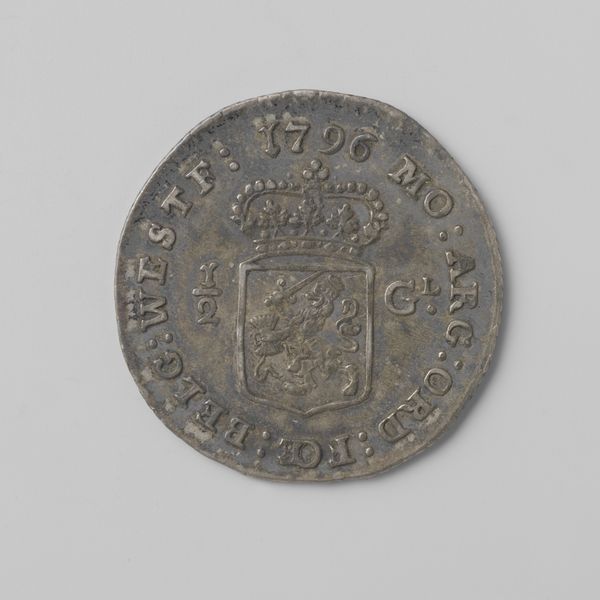
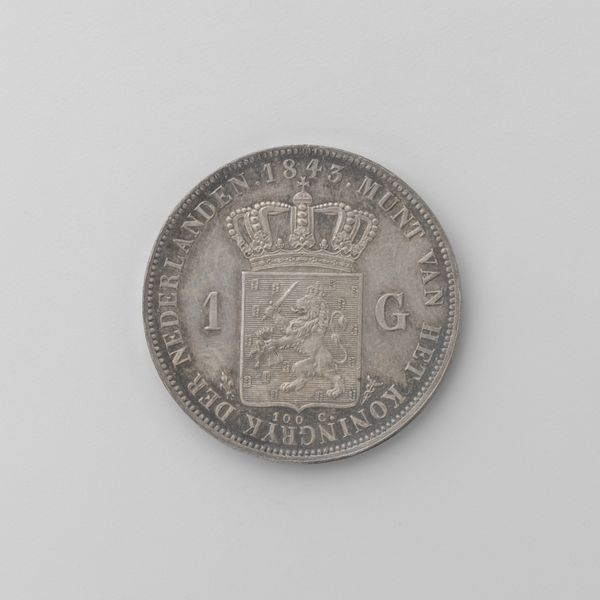
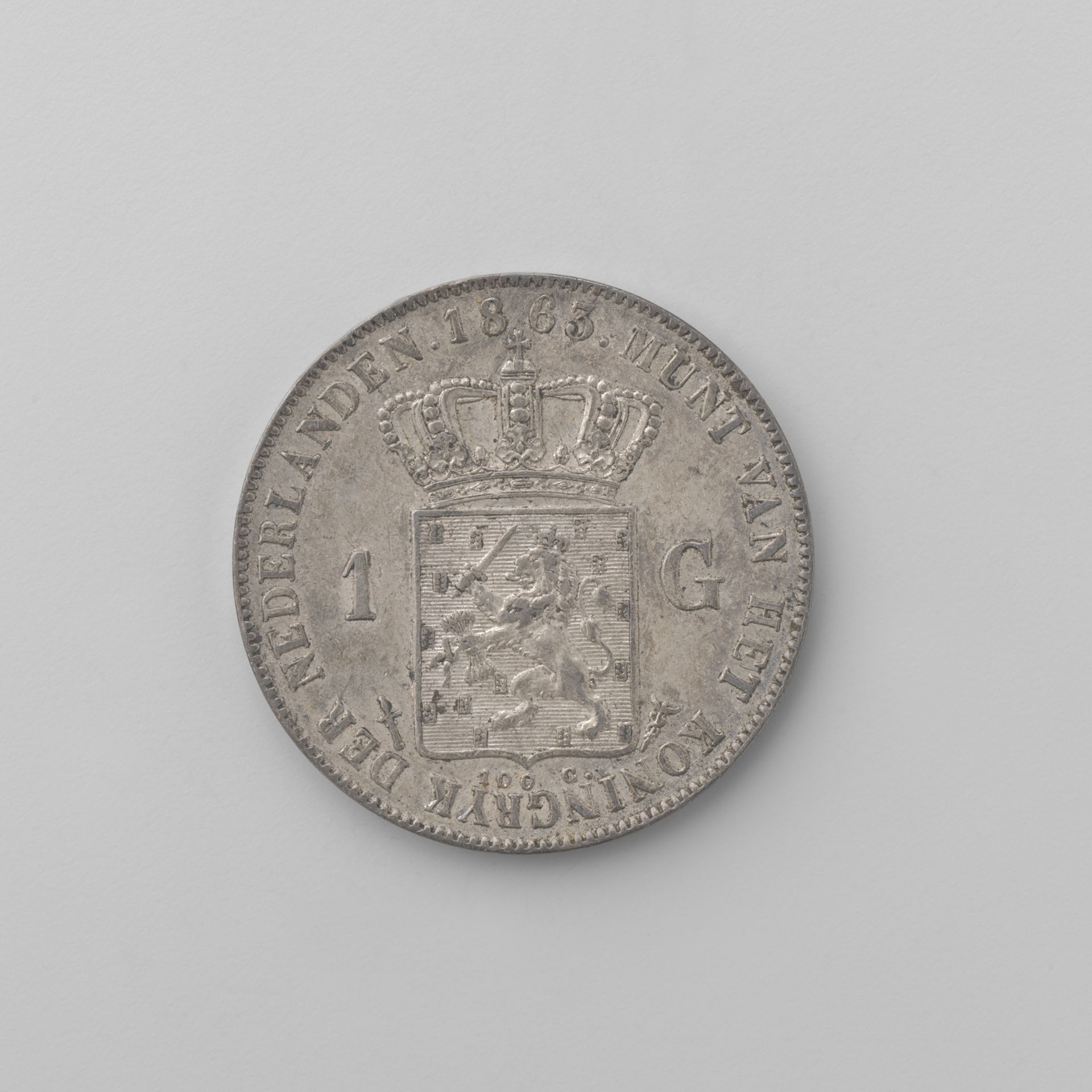
This is a Dutch guilder from 1863, minted during the reign of Willem III. It’s a small, silver coin, but it carries the weight of a kingdom and a complex colonial history. During the 19th century, the Netherlands was solidifying its role as a global power, in part, through its exploitation of colonies. This coin, a symbol of Dutch wealth, would have been used in transactions that both propelled and depended on this exploitation. Its materiality speaks to this history. Consider the face of Willem III, carefully etched onto currency, embodying power and authority. Currency isn't just about money; it’s about who controls it, who benefits from it, and whose image is being circulated. The guilder is a potent reminder of how deeply interwoven economic prosperity and political power are with the histories of colonialism, class, and representation. It is a symbol that continues to shape our present.
Nederlandse gulden, 1863
1863

Willem III (koning der Nederlanden)
1817 - 1890Location
RijksmuseumArtwork details
- Dimensions
- diameter 2.8 cm, weight 9.97 gr
- Location
- Rijksmuseum
- Copyright
- Rijks Museum: Open Domain
Tags
Comments
Share your thoughts
About this artwork
This is a Dutch guilder from 1863, minted during the reign of Willem III. It’s a small, silver coin, but it carries the weight of a kingdom and a complex colonial history. During the 19th century, the Netherlands was solidifying its role as a global power, in part, through its exploitation of colonies. This coin, a symbol of Dutch wealth, would have been used in transactions that both propelled and depended on this exploitation. Its materiality speaks to this history. Consider the face of Willem III, carefully etched onto currency, embodying power and authority. Currency isn't just about money; it’s about who controls it, who benefits from it, and whose image is being circulated. The guilder is a potent reminder of how deeply interwoven economic prosperity and political power are with the histories of colonialism, class, and representation. It is a symbol that continues to shape our present.
Comments
Share your thoughts