About this artwork
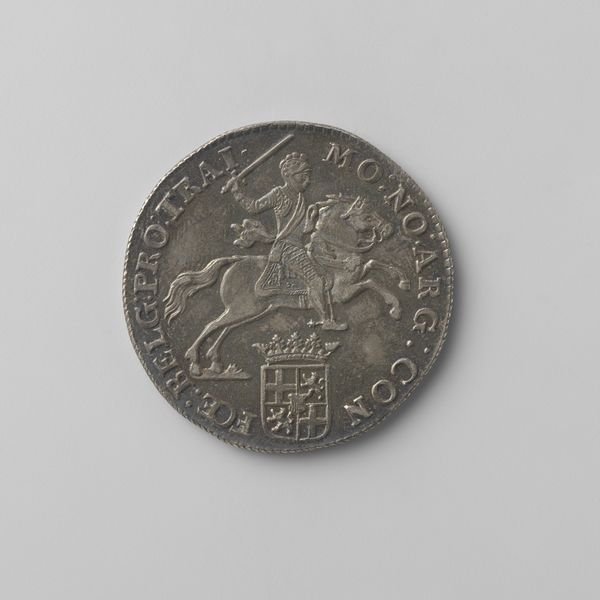
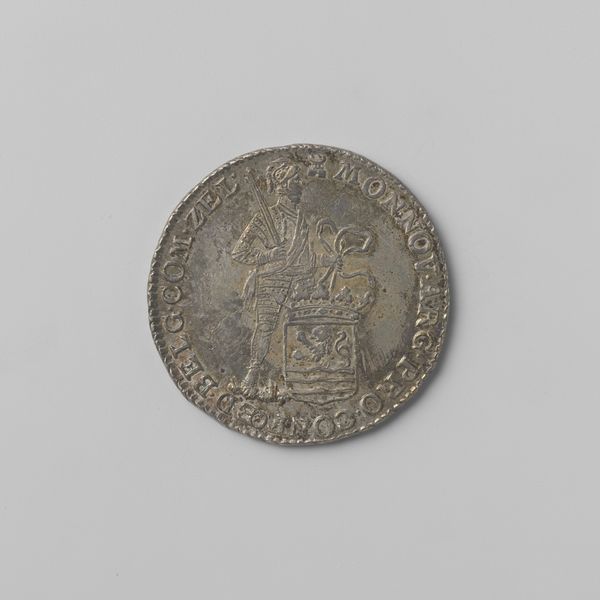
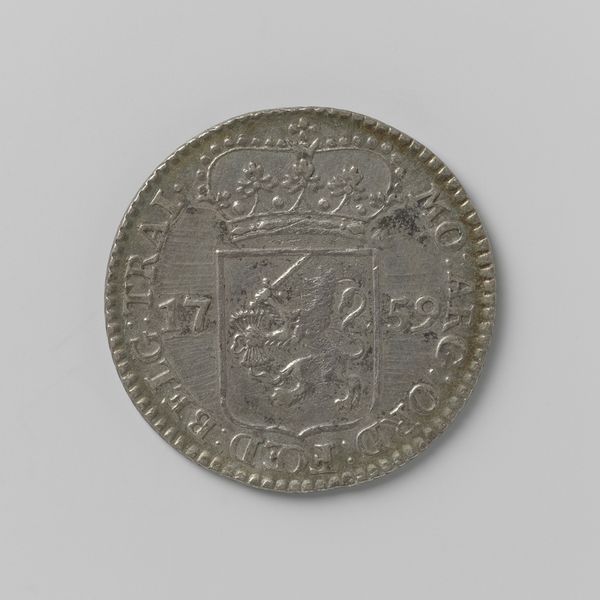
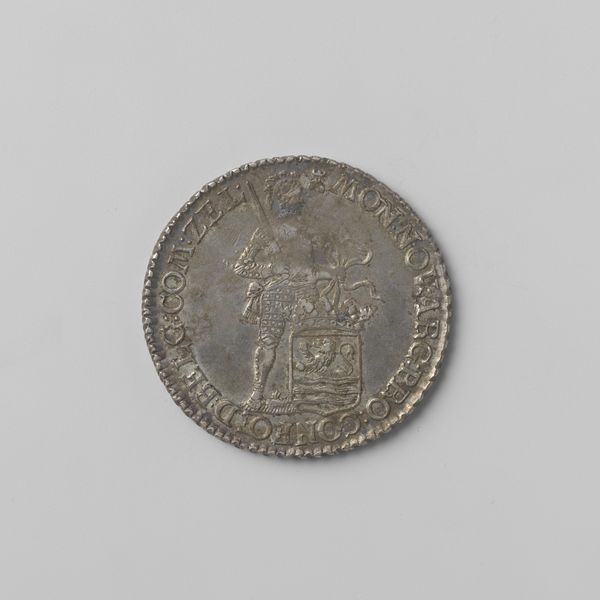
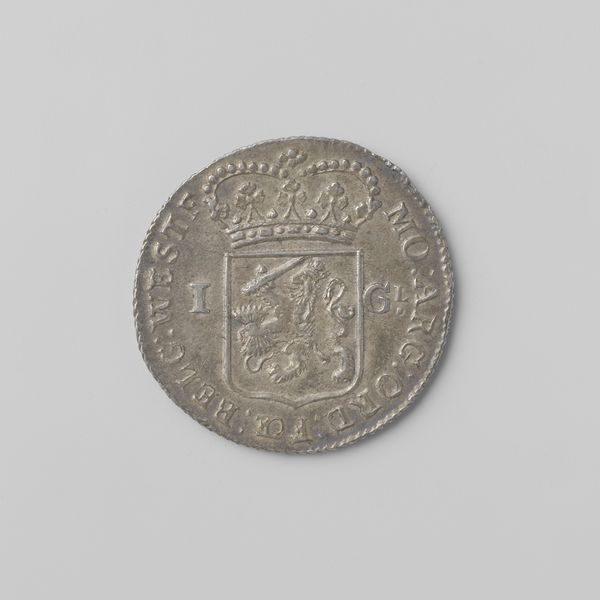
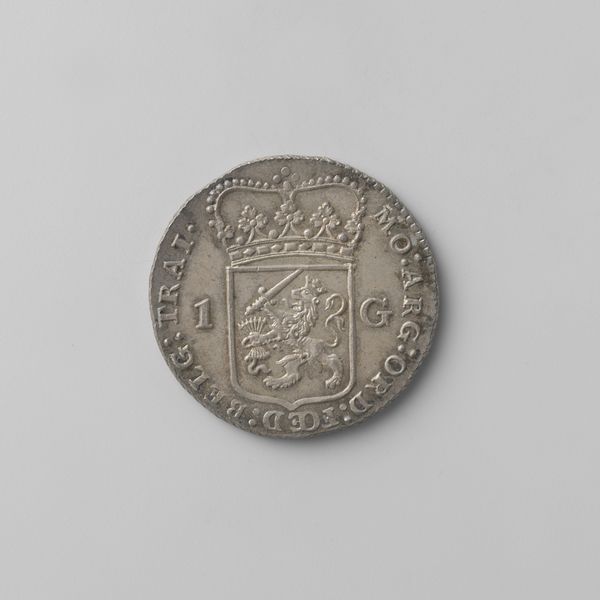
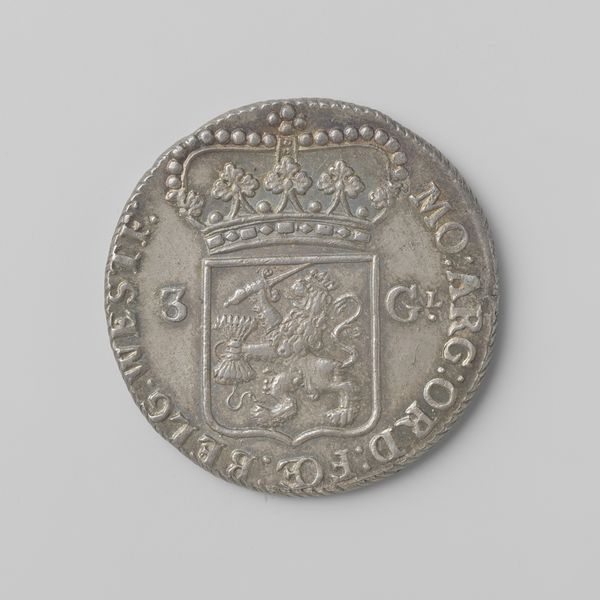
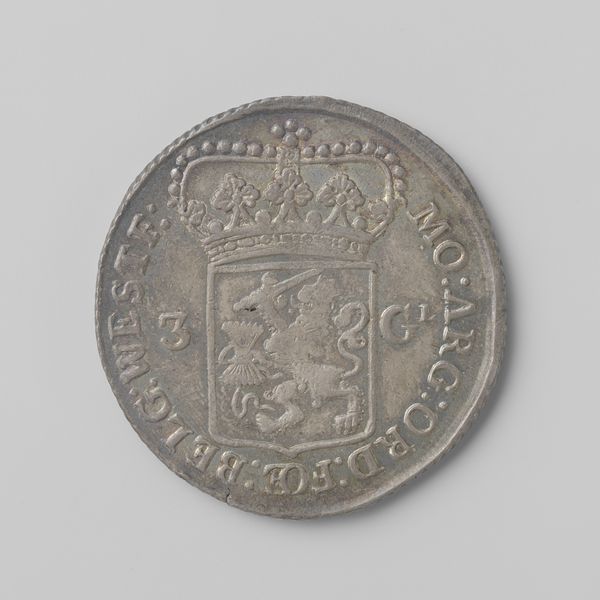
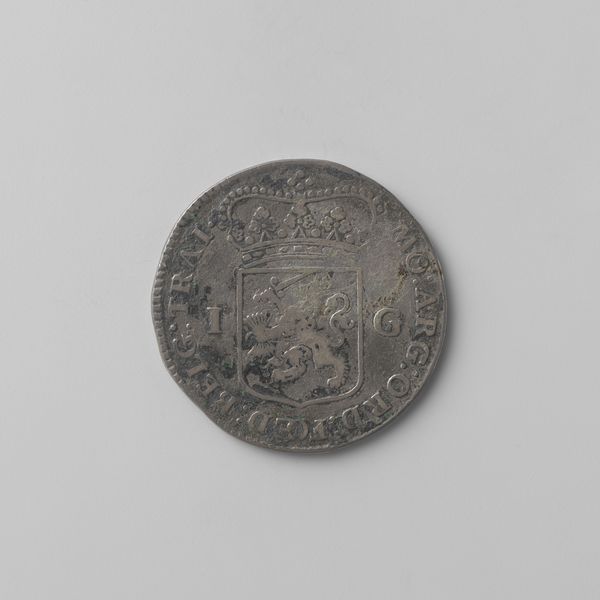
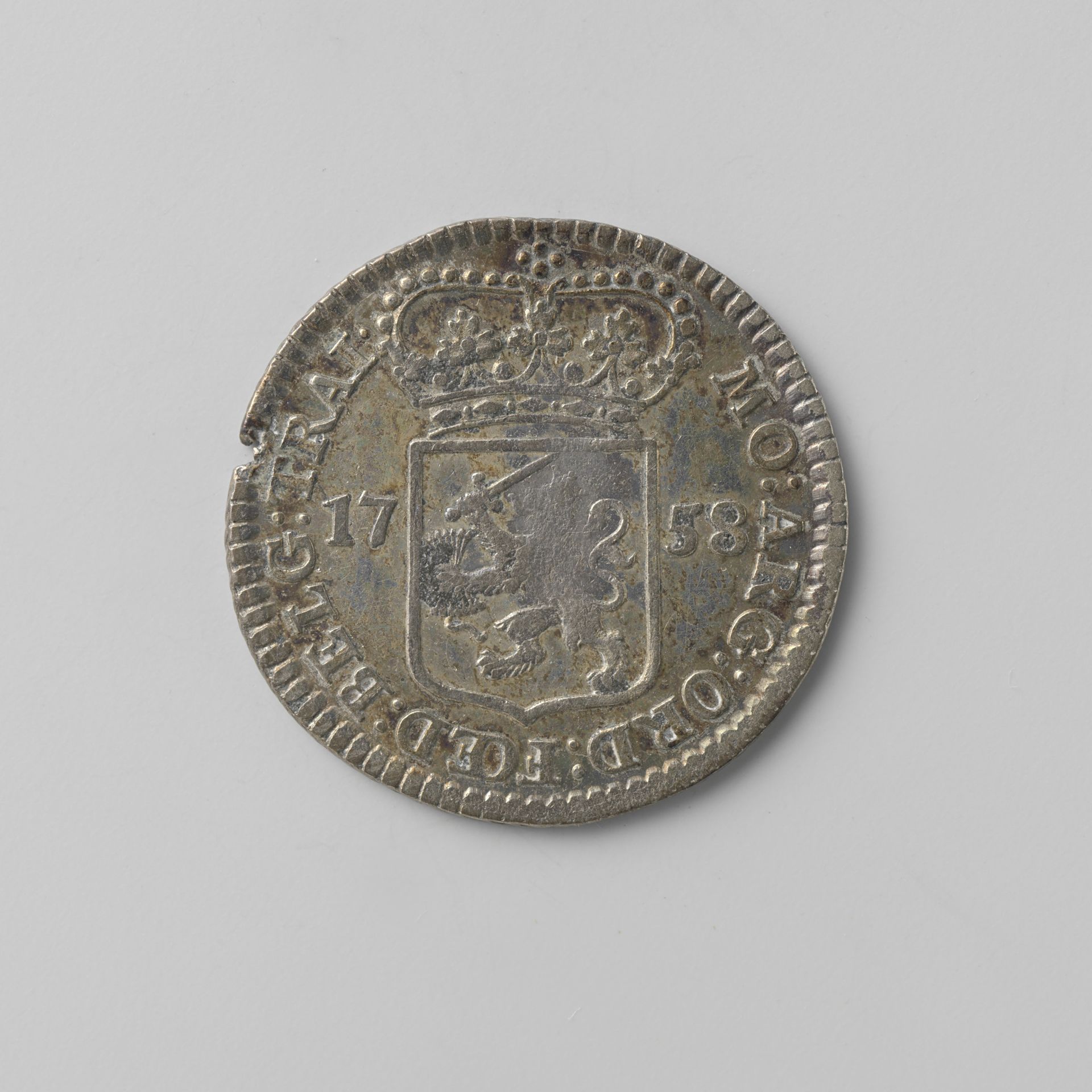
This is a Utrechtse kwart gulden, a silver coin made in 1758 by the Province of Utrecht. As a form of currency, this coin embodies the socio-economic structures of the Dutch Republic during the 18th century. Each mark, inscription, and emblem was a deliberate assertion of power and identity. The coin features the Utrecht coat of arms, surmounted by a crown, indicating sovereignty and authority. The Latin inscription around the edge, "MO:ARG:ORD:FOED:BELG:TRAI," translates to "Silver coin of the Order of the Belgian Federation of Utrecht," further emphasizing its regional and political affiliations. These coins were not just money; they symbolized the intricate power dynamics between the provinces and the overarching federal structure. They remind us of how deeply currency is entwined with identity, governance, and the everyday lives of people who used them. They tell a story of regional pride, economic exchange, and the ever-present dance of power.

Artwork details
- Medium
- metal
- Dimensions
- diameter 2.3 cm, weight 2.86 gr
- Copyright
- Rijks Museum: Open Domain
Tags
portrait
metal
ancient-mediterranean
Comments
No comments
About this artwork
This is a Utrechtse kwart gulden, a silver coin made in 1758 by the Province of Utrecht. As a form of currency, this coin embodies the socio-economic structures of the Dutch Republic during the 18th century. Each mark, inscription, and emblem was a deliberate assertion of power and identity. The coin features the Utrecht coat of arms, surmounted by a crown, indicating sovereignty and authority. The Latin inscription around the edge, "MO:ARG:ORD:FOED:BELG:TRAI," translates to "Silver coin of the Order of the Belgian Federation of Utrecht," further emphasizing its regional and political affiliations. These coins were not just money; they symbolized the intricate power dynamics between the provinces and the overarching federal structure. They remind us of how deeply currency is entwined with identity, governance, and the everyday lives of people who used them. They tell a story of regional pride, economic exchange, and the ever-present dance of power.
Comments
No comments