About this artwork
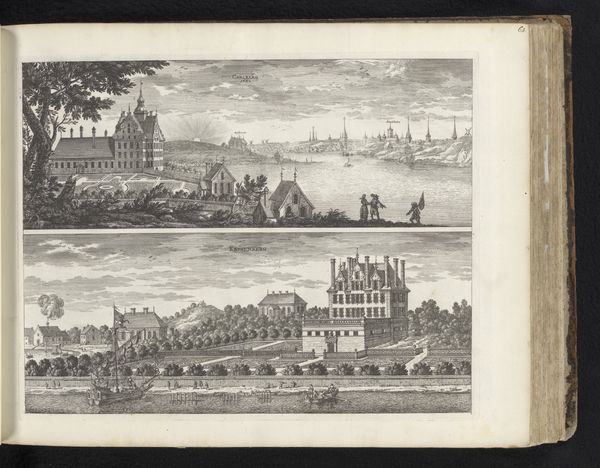
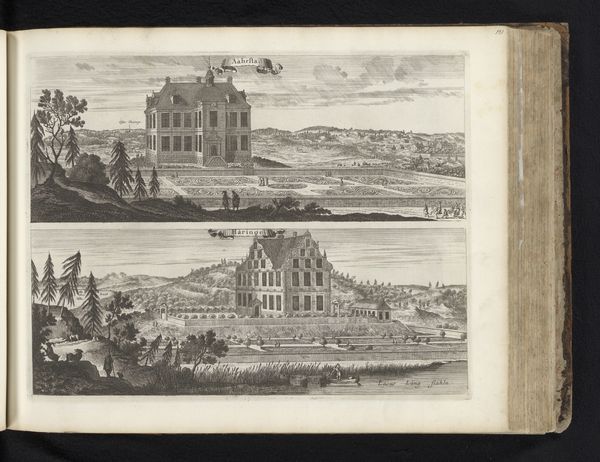
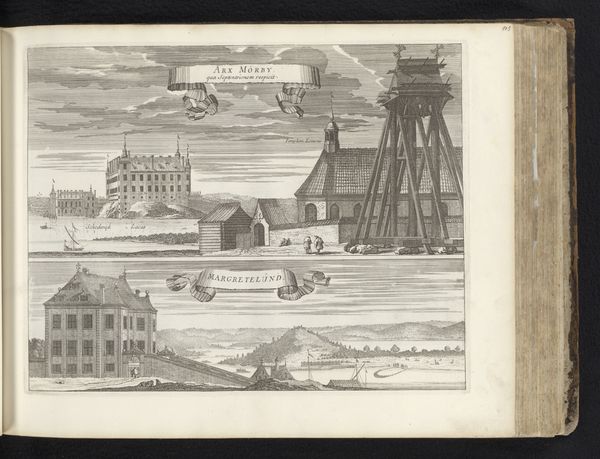
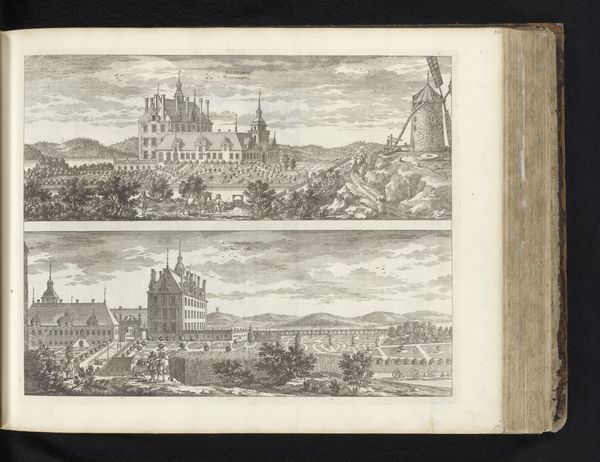
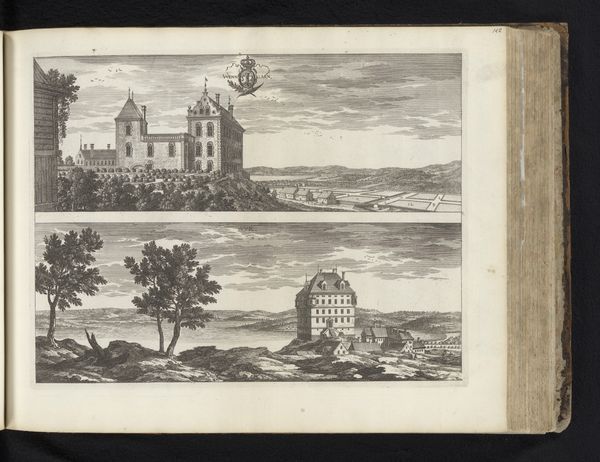
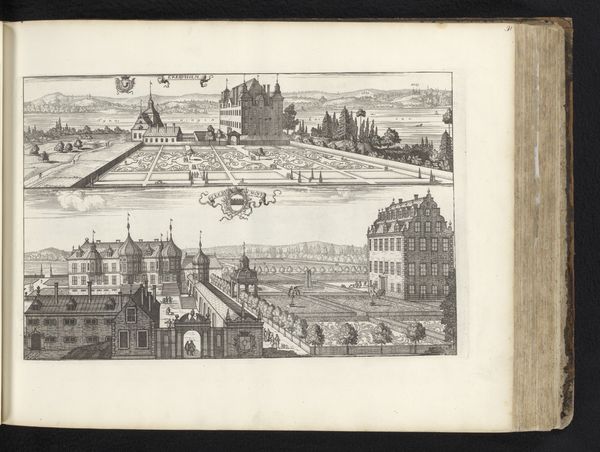
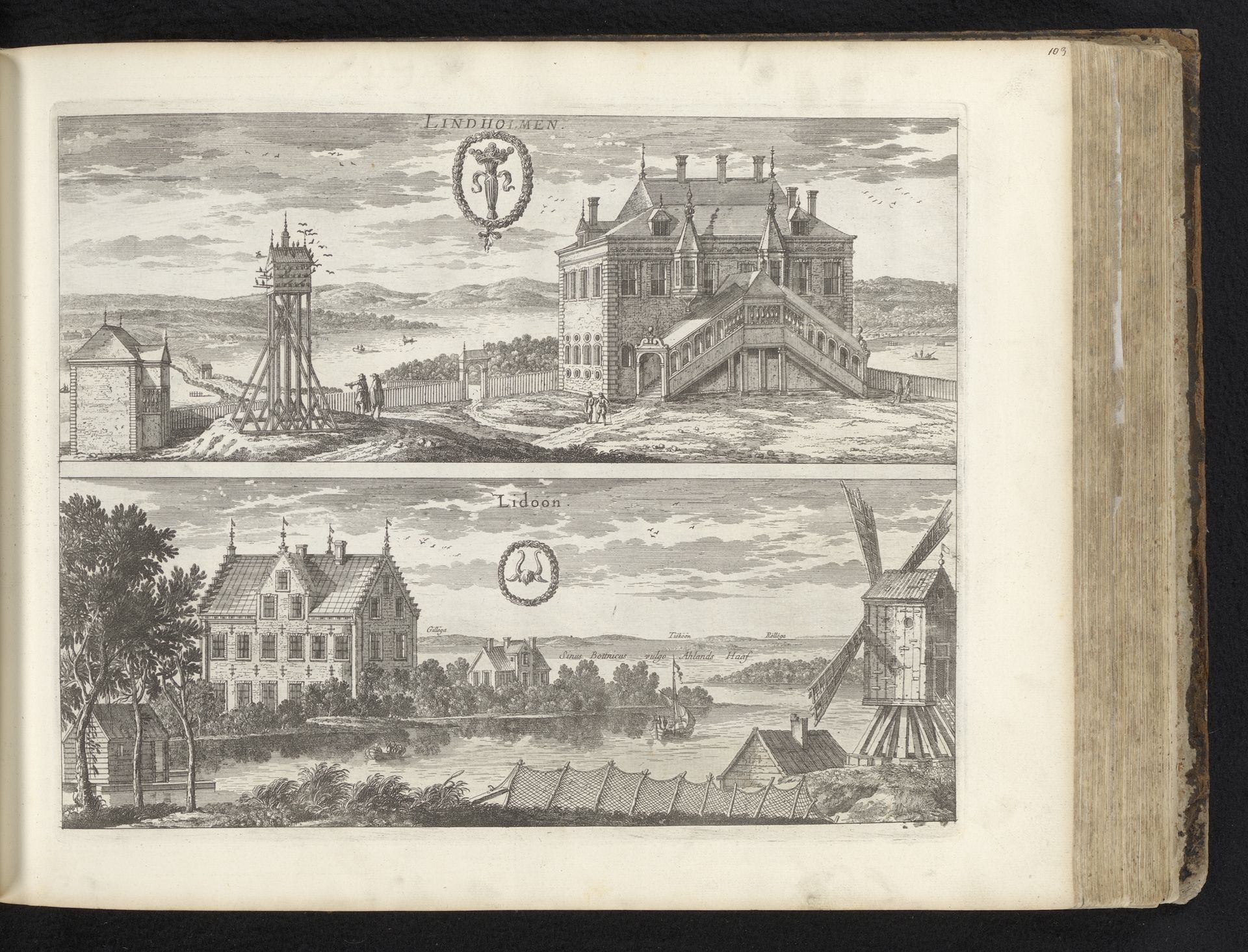
Nicolas Perelle created this print of Lindholmen and Lidö sometime in the 17th century. Note how the composition is divided horizontally, dedicating a separate register to each estate. The stark monochrome lends a sense of austere formality, emphasizing the architectural details and the precision of line. Consider the use of perspective here; it’s not quite naturalistic. Perelle seems more interested in cataloging the structures than creating a believable spatial illusion. Look at the upper register – the way the tower juts out, almost daring you to consider its function. It's a statement about control, about claiming space. This print isn’t just a representation; it’s a semiotic exercise. Each building, each tree, each little bird functions as a signifier. They tell us about property, status, and the relationship between man and nature in the 17th century. The division between the estates mirrors a desire for categorization, to impose order on the landscape. It’s a testament to the power of representation, and how even a simple print can carry complex cultural codes.
Gezicht op het herenhuis Lindholmen en het huis Lidö 1670 - 1674

Nicolas Perelle
1631 - 1695Location
RijksmuseumArtwork details
- Medium
- drawing, ink
- Dimensions
- height 266 mm, width 331 mm
- Location
- Rijksmuseum
- Copyright
- Rijks Museum: Open Domain
Tags
drawing
garden
aged paper
toned paper
pen drawing
dutch-golden-age
sketch book
landscape
personal sketchbook
ink
pen-ink sketch
pen and pencil
pen work
sketchbook drawing
cityscape
sketchbook art
Comments
No comments
About this artwork
Nicolas Perelle created this print of Lindholmen and Lidö sometime in the 17th century. Note how the composition is divided horizontally, dedicating a separate register to each estate. The stark monochrome lends a sense of austere formality, emphasizing the architectural details and the precision of line. Consider the use of perspective here; it’s not quite naturalistic. Perelle seems more interested in cataloging the structures than creating a believable spatial illusion. Look at the upper register – the way the tower juts out, almost daring you to consider its function. It's a statement about control, about claiming space. This print isn’t just a representation; it’s a semiotic exercise. Each building, each tree, each little bird functions as a signifier. They tell us about property, status, and the relationship between man and nature in the 17th century. The division between the estates mirrors a desire for categorization, to impose order on the landscape. It’s a testament to the power of representation, and how even a simple print can carry complex cultural codes.
Comments
No comments