1525
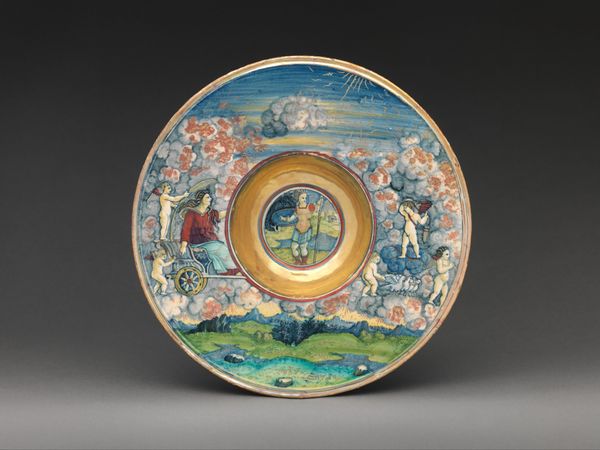
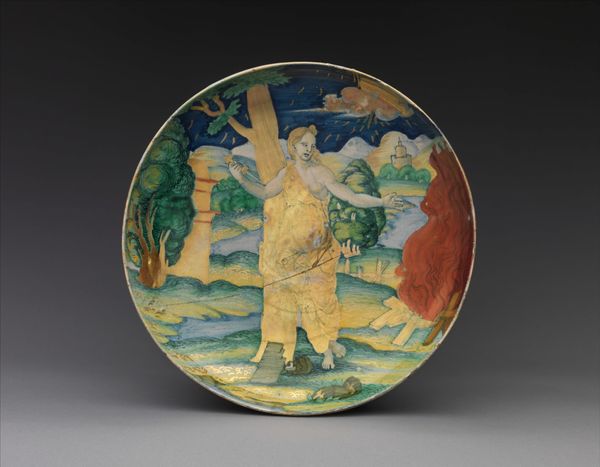
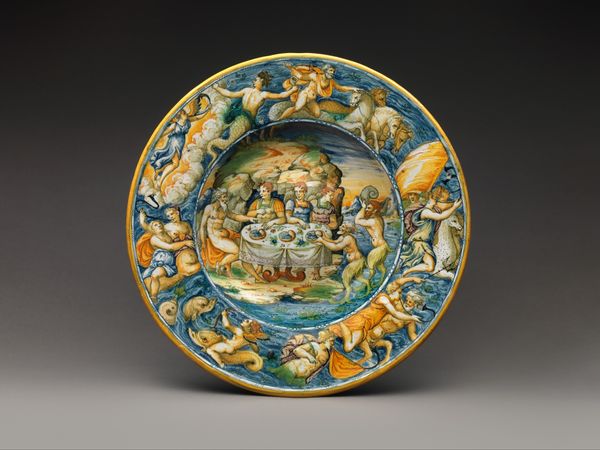
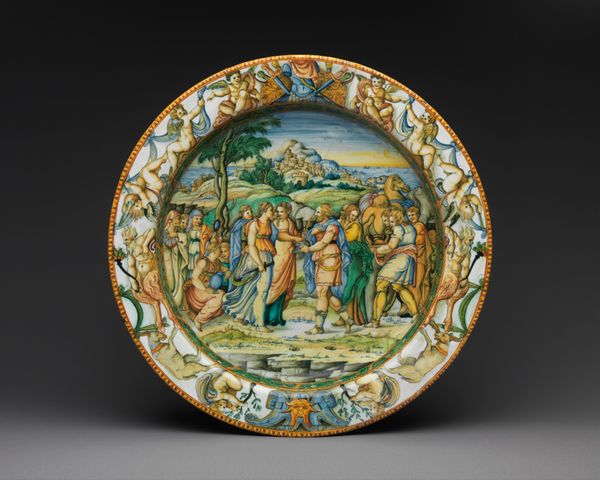
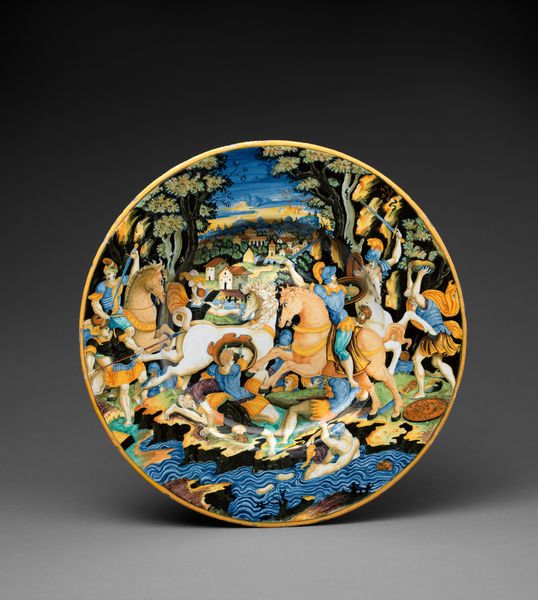
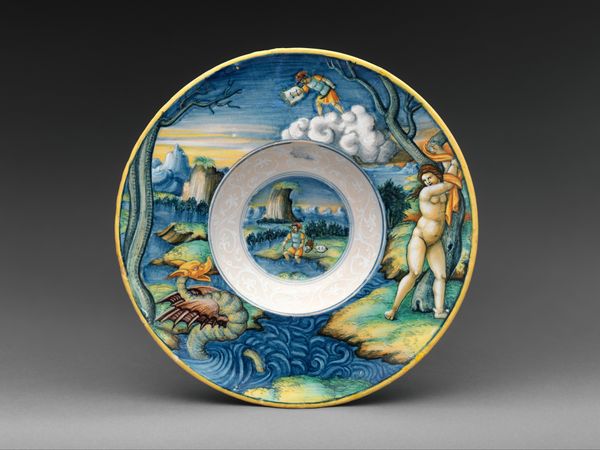
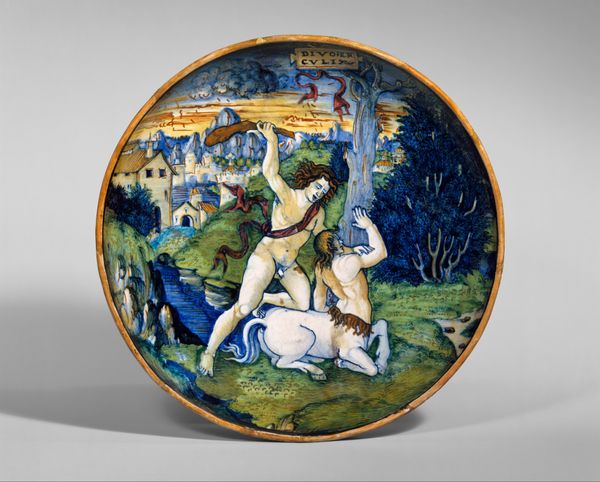
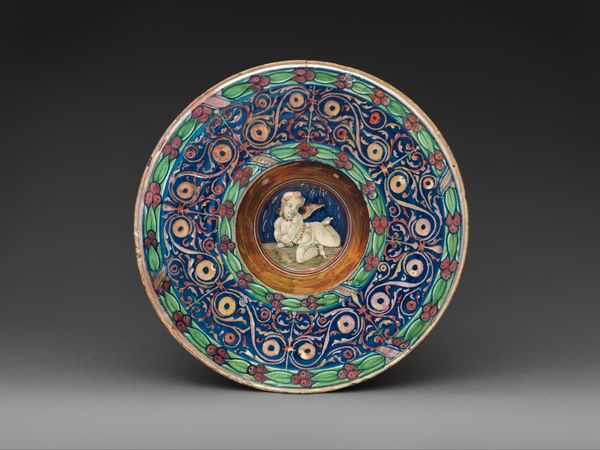
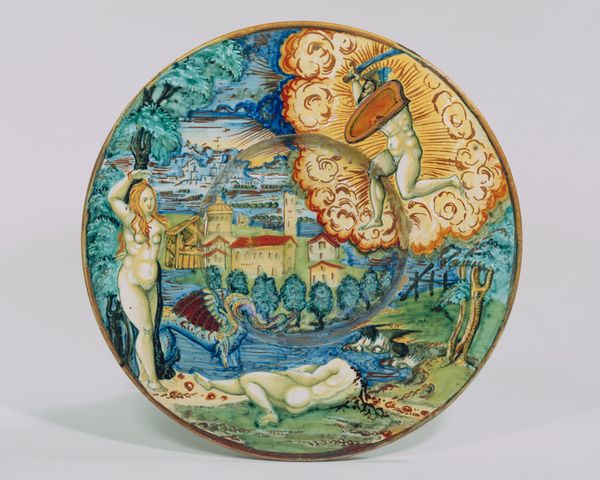
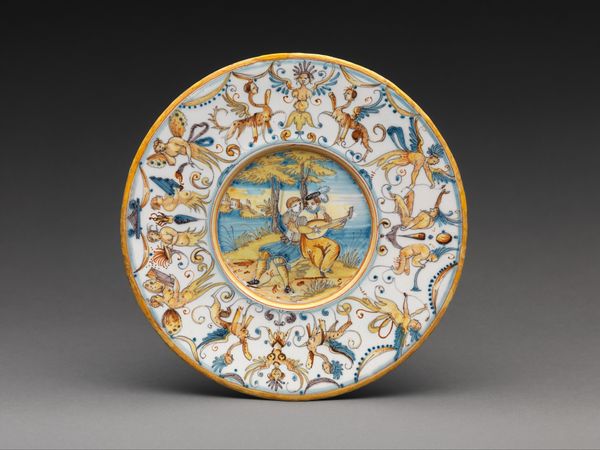
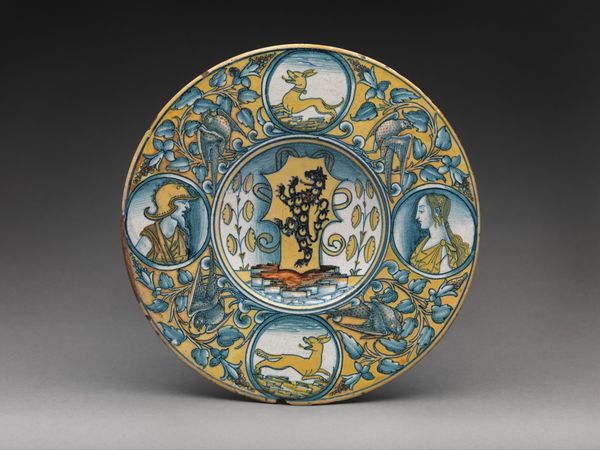
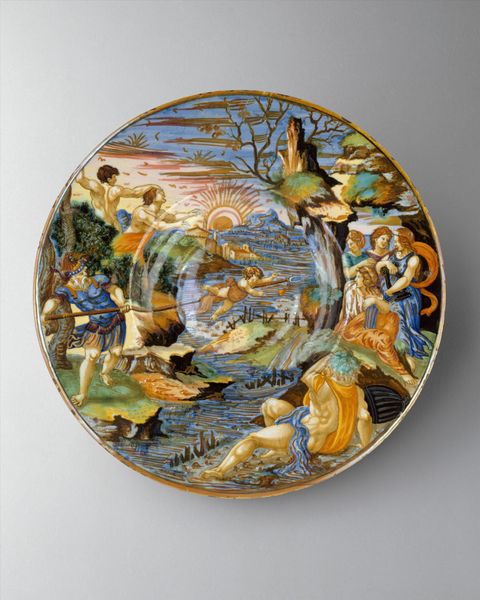
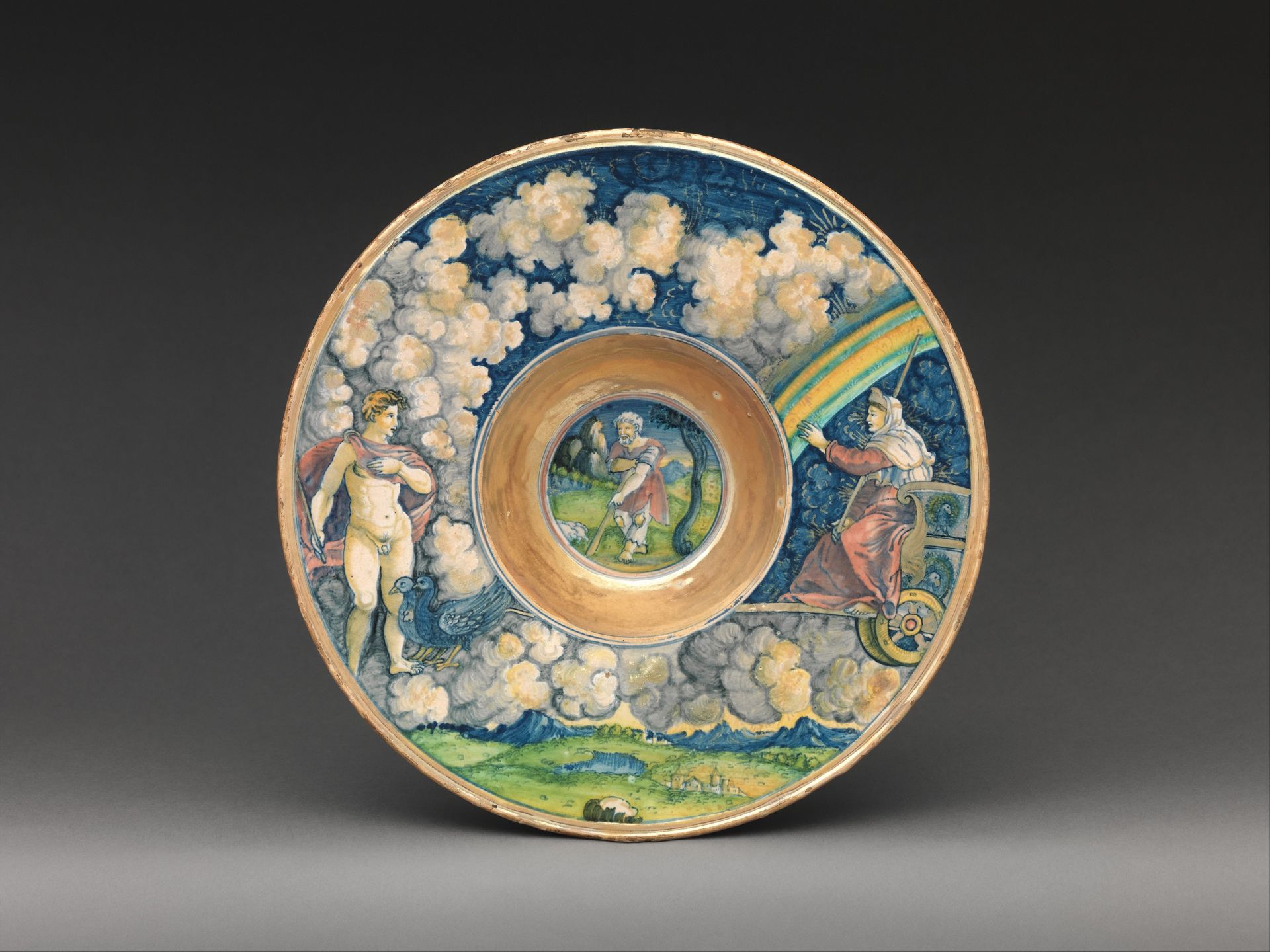
Wide-rimmed bowl with figures from Virgil's Aeneid

Maestro Giorgio Andreoli
1500 - 1550
The Metropolitan Museum of Art
Metropolitan Museum of Art, New York, NYListen to curator's interpretation
Curatorial notes
This wide-rimmed bowl, decorated with scenes from Virgil’s Aeneid, was made in Italy by Maestro Giorgio Andreoli during the 16th century. The Aeneid, a Latin epic poem, tells the legendary story of Aeneas, a Trojan who travelled to Italy and became the ancestor of the Romans. During the Renaissance, classical themes were popular with artists and their wealthy patrons. Often, the elite would display artworks referencing classical texts in their homes as a sign of their high social status. Here, the bowl’s decoration is intended to signal the erudition and refined taste of its owner. But it also tells us something about the politics of imagery at the time it was made. It suggests that art had the power to elevate its owner and to create social distinction. To understand this work better, we might research the collecting habits of wealthy Italians during the Renaissance and the cultural significance of classical texts. In doing so, we can see how art can reinforce existing social hierarchies.