About this artwork
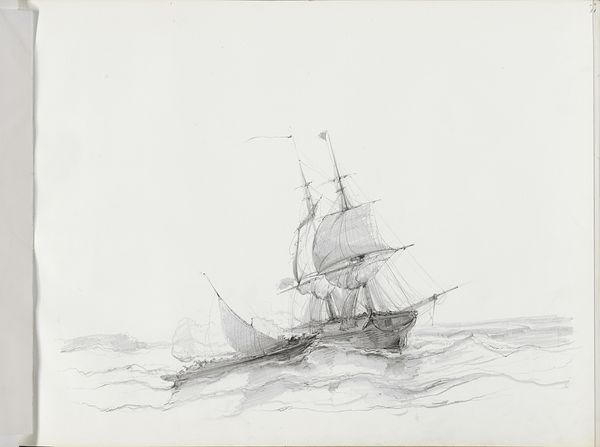
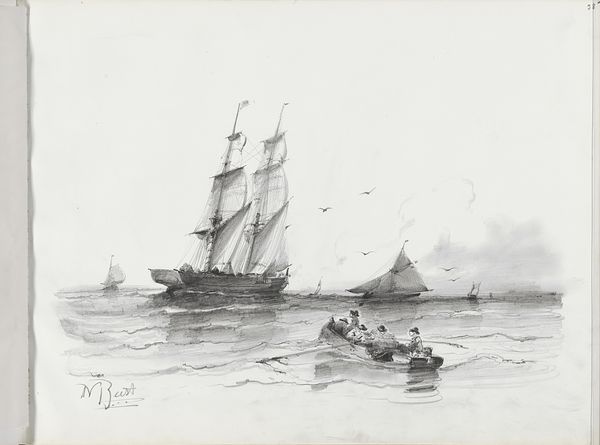
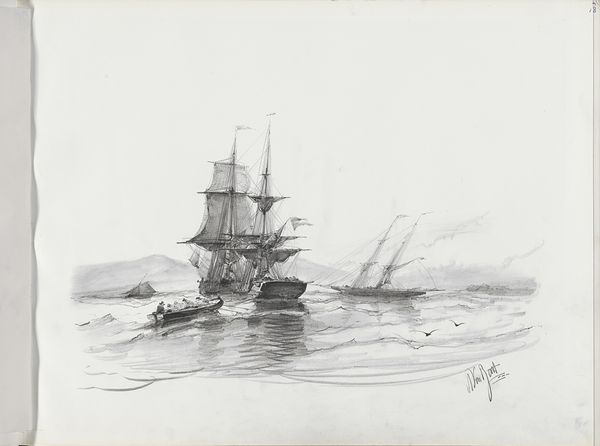
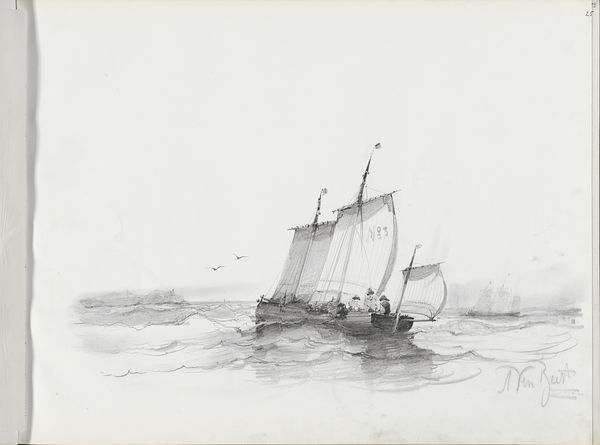
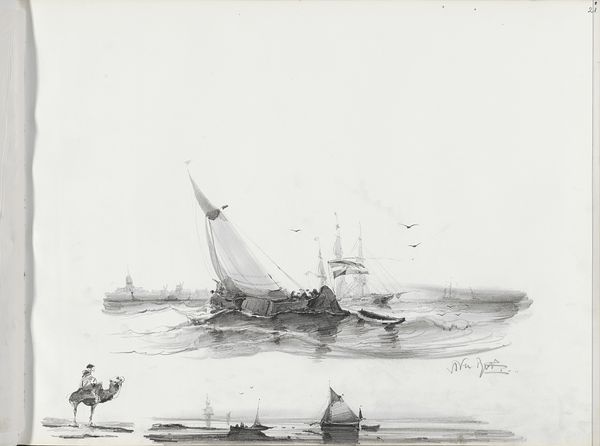
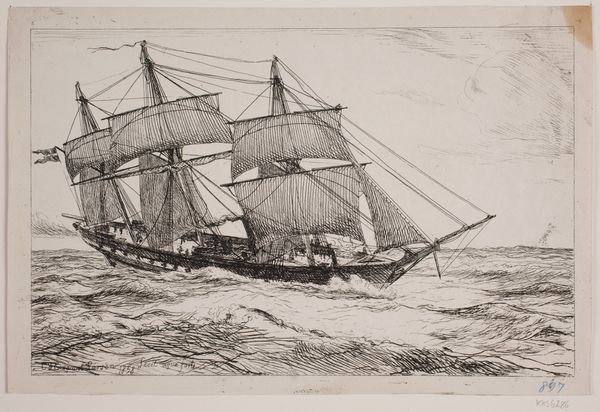
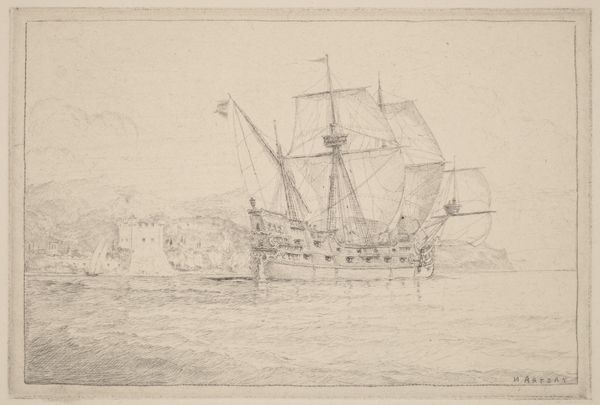
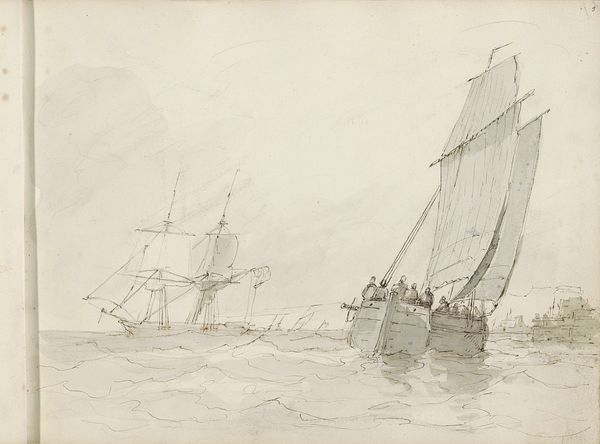
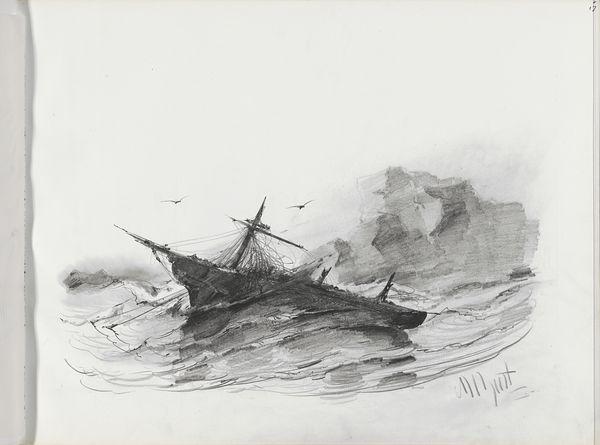
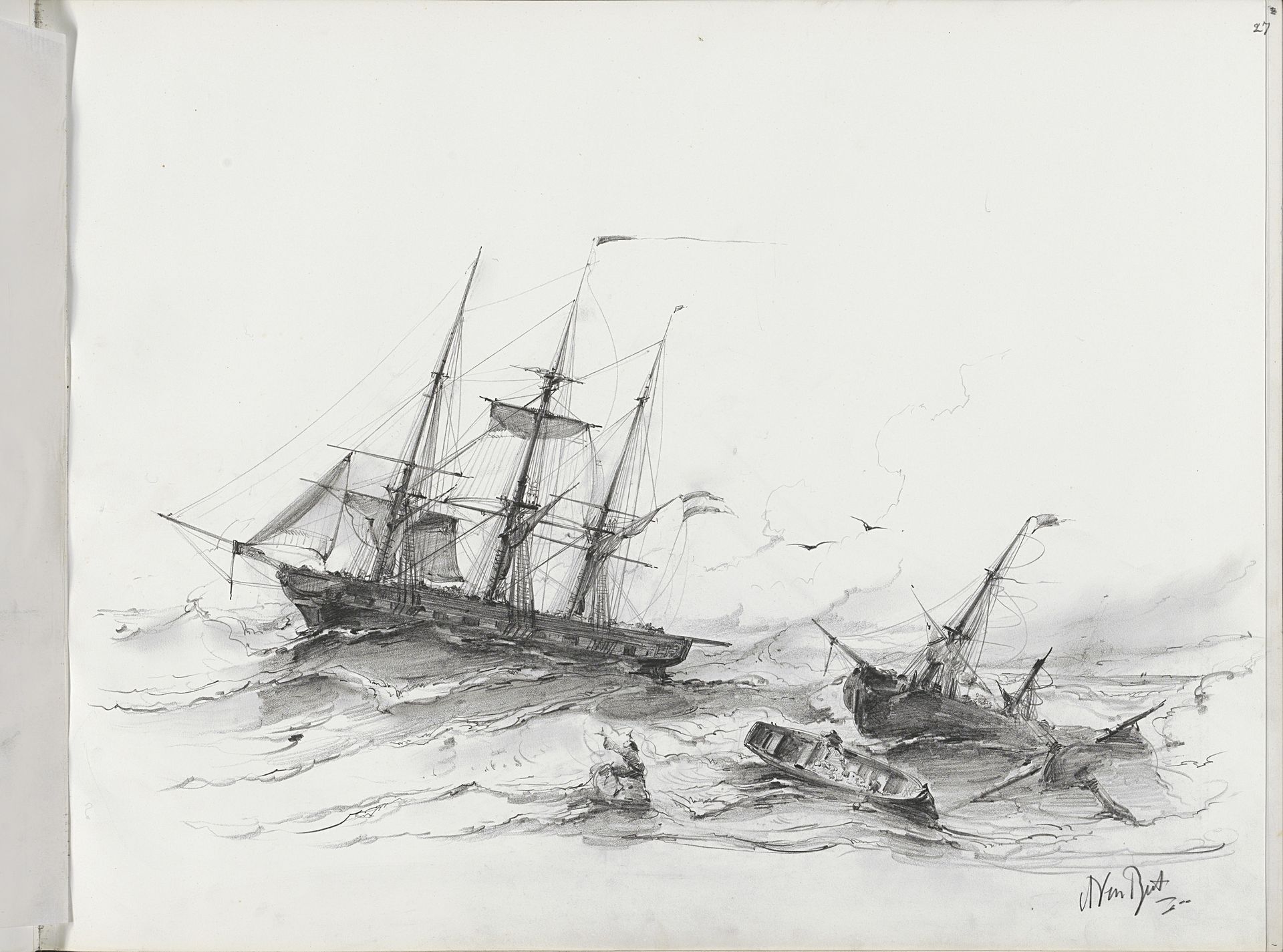
Albertus van Beest captured this shipwreck in a pen drawing sometime in the mid-19th century. What is remarkable is the emotional weight of the image. It echoes a primal fear deeply embedded in our collective psyche, the fear of nature's untamed power and humanity's vulnerability against it. Here, we see not just a scene of maritime disaster, but a potent symbol of human hubris meeting its match in the unforgiving sea. This motif, the ship as a symbol of ambition and the sea as chaos, has rippled through art history. Consider Gericault's 'The Raft of the Medusa,' where the sea is equally unforgiving. The recurring imagery of shipwrecks across time suggests our enduring fascination with themes of mortality, destiny, and the sublime indifference of nature. Such images are not merely records, but vessels carrying the weight of human experience through the ages.

Artwork details
- Medium
- drawing, pencil
- Location
- Rijksmuseum
- Copyright
- Rijks Museum: Open Domain
Tags
Comments
Share your thoughts
About this artwork
Albertus van Beest captured this shipwreck in a pen drawing sometime in the mid-19th century. What is remarkable is the emotional weight of the image. It echoes a primal fear deeply embedded in our collective psyche, the fear of nature's untamed power and humanity's vulnerability against it. Here, we see not just a scene of maritime disaster, but a potent symbol of human hubris meeting its match in the unforgiving sea. This motif, the ship as a symbol of ambition and the sea as chaos, has rippled through art history. Consider Gericault's 'The Raft of the Medusa,' where the sea is equally unforgiving. The recurring imagery of shipwrecks across time suggests our enduring fascination with themes of mortality, destiny, and the sublime indifference of nature. Such images are not merely records, but vessels carrying the weight of human experience through the ages.
Comments
Share your thoughts