About this artwork
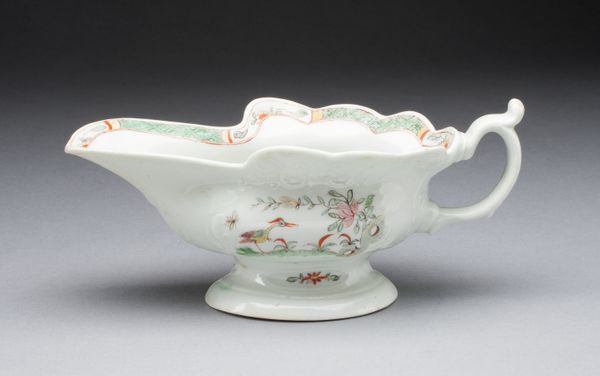
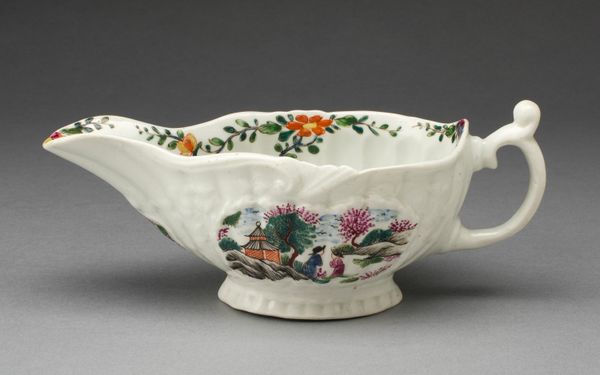
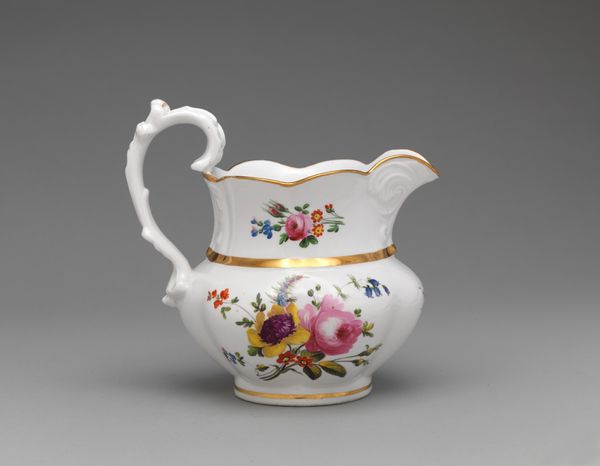
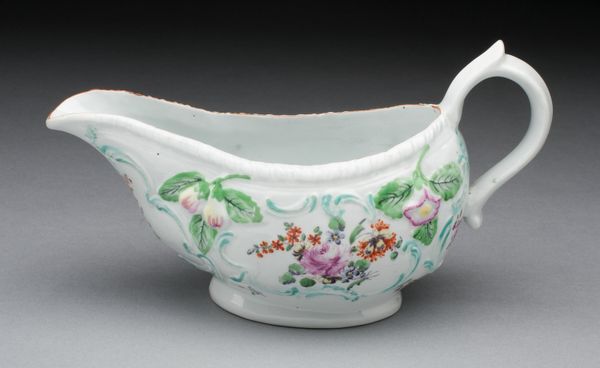
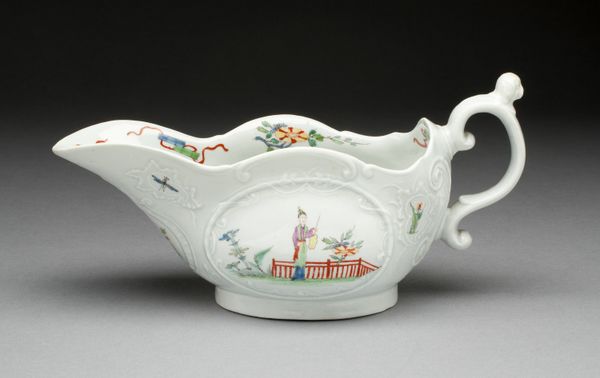
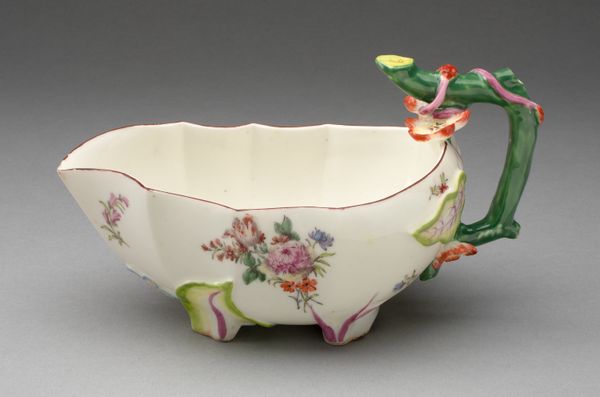
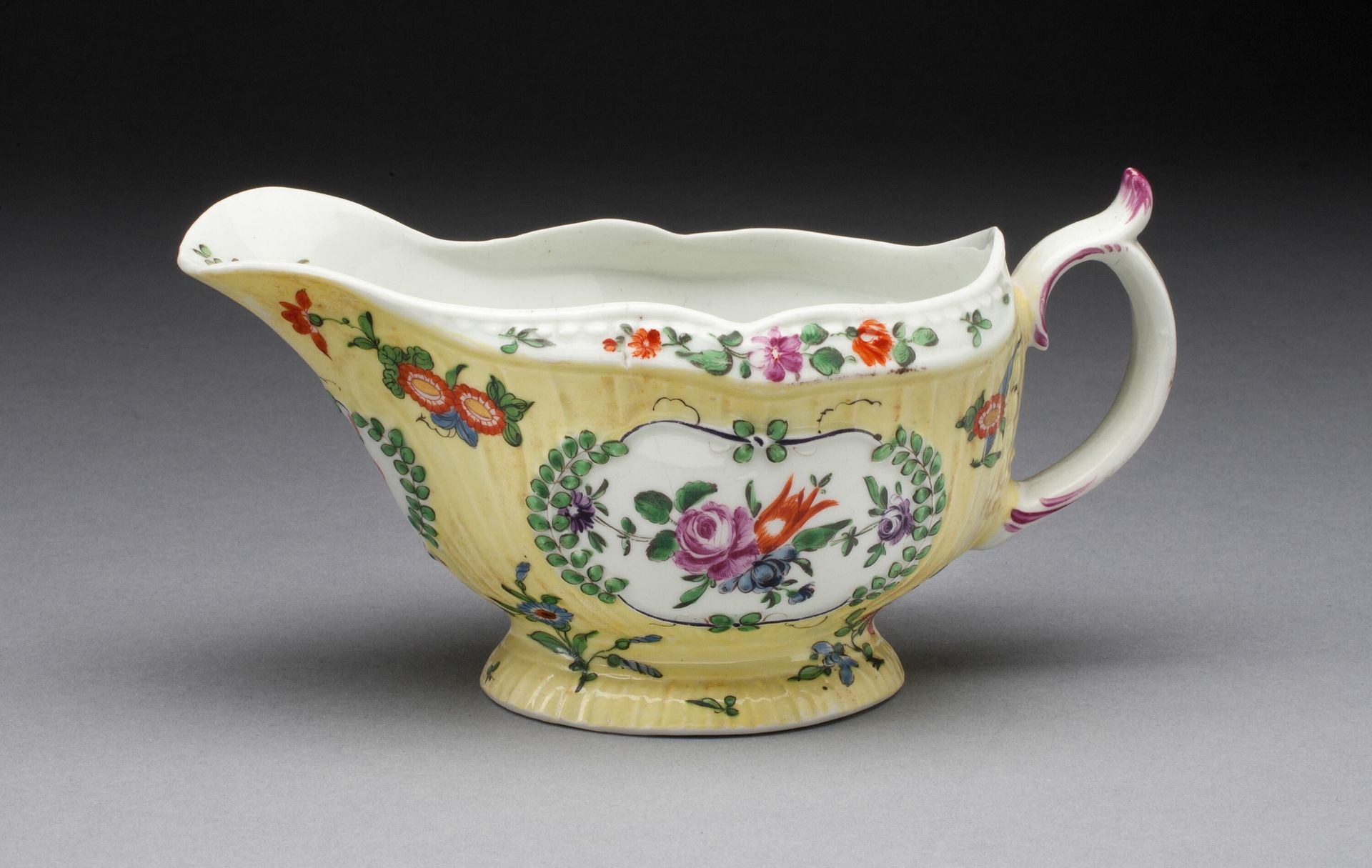
This sauceboat was made out of soft-paste porcelain by the Worcester Royal Porcelain Company. The floral decoration on this 18th-century sauceboat offers a glimpse into the culture of consumption and trade of the time. While seemingly decorative, each painted flower carries a history of colonial exchange, class, and labor. Porcelain itself was once known as ‘white gold’, and was highly prized in Europe. Imagine the hands, often unacknowledged, that mined the materials, designed the molds, and meticulously painted each delicate bloom. These pieces were not merely functional; they were statements of wealth and power. Their display symbolized a family’s access to global markets and their participation in a burgeoning culture of consumerism. Notice how the flowers are arranged; not in wild abandon, but with careful placement, reflecting a desire to control and display nature. It's tempting to see this sauceboat as more than a vessel for condiments, but as a container of complex social histories.
Sauceboat
c. 1765

Worcester Royal Porcelain Company
@worcesterroyalporcelaincompany
The Art Institute of Chicago
The Art Institute of ChicagoArtwork details
- Medium
- ceramic, porcelain
- Dimensions
- 9 × 17.8 cm (3 1/2 × 7 in.)
- Location
- The Art Institute of Chicago
- Copyright
- Public Domain
Tags
Comments
Share your thoughts
About this artwork
This sauceboat was made out of soft-paste porcelain by the Worcester Royal Porcelain Company. The floral decoration on this 18th-century sauceboat offers a glimpse into the culture of consumption and trade of the time. While seemingly decorative, each painted flower carries a history of colonial exchange, class, and labor. Porcelain itself was once known as ‘white gold’, and was highly prized in Europe. Imagine the hands, often unacknowledged, that mined the materials, designed the molds, and meticulously painted each delicate bloom. These pieces were not merely functional; they were statements of wealth and power. Their display symbolized a family’s access to global markets and their participation in a burgeoning culture of consumerism. Notice how the flowers are arranged; not in wild abandon, but with careful placement, reflecting a desire to control and display nature. It's tempting to see this sauceboat as more than a vessel for condiments, but as a container of complex social histories.
Comments
Share your thoughts