About this artwork
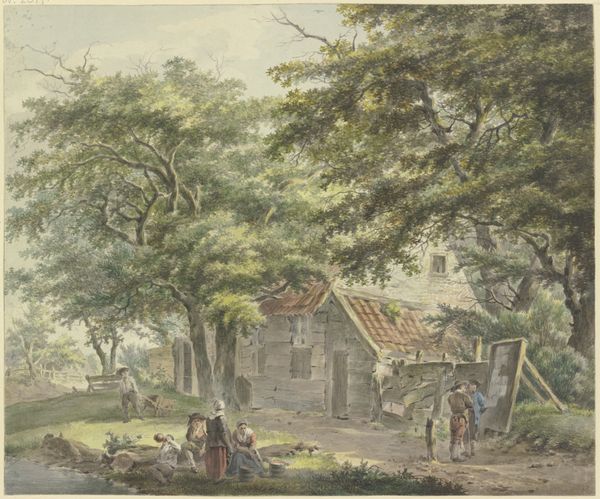
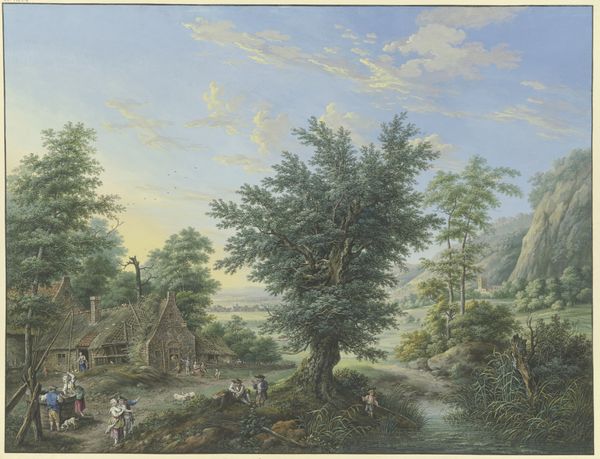
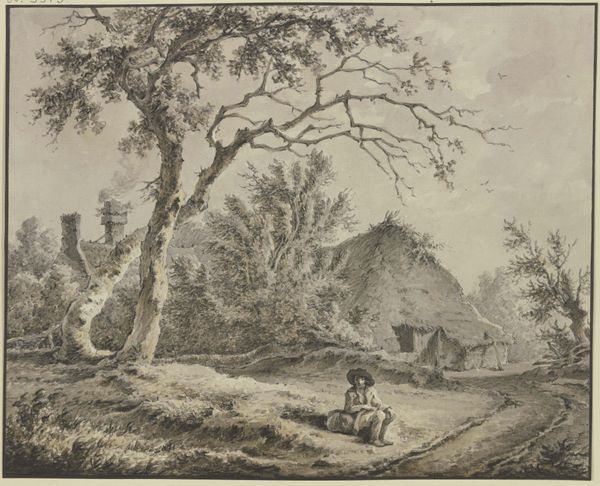
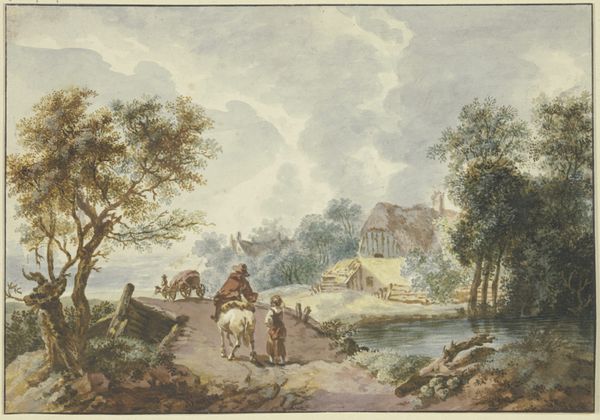
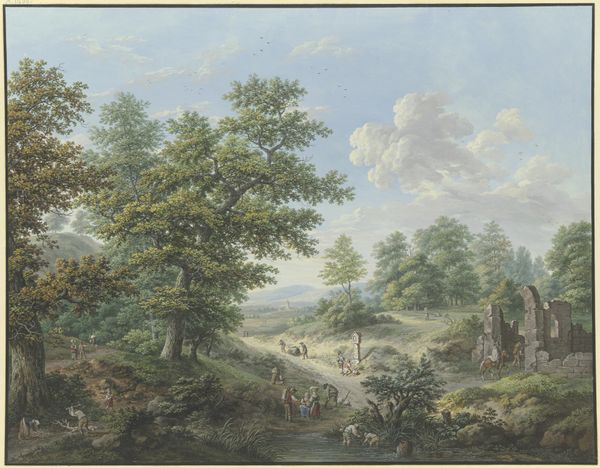
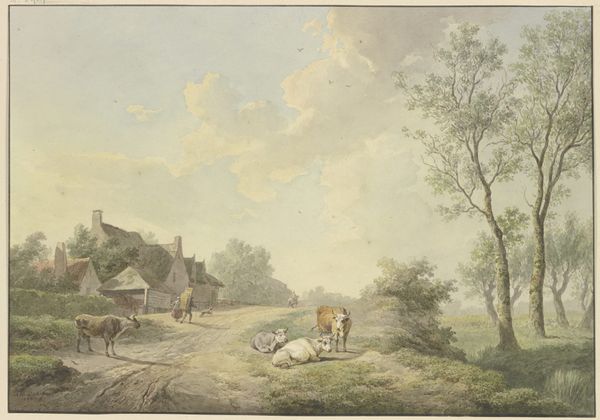
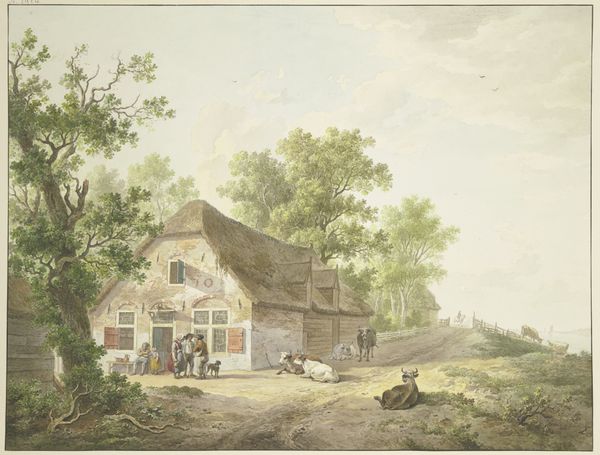
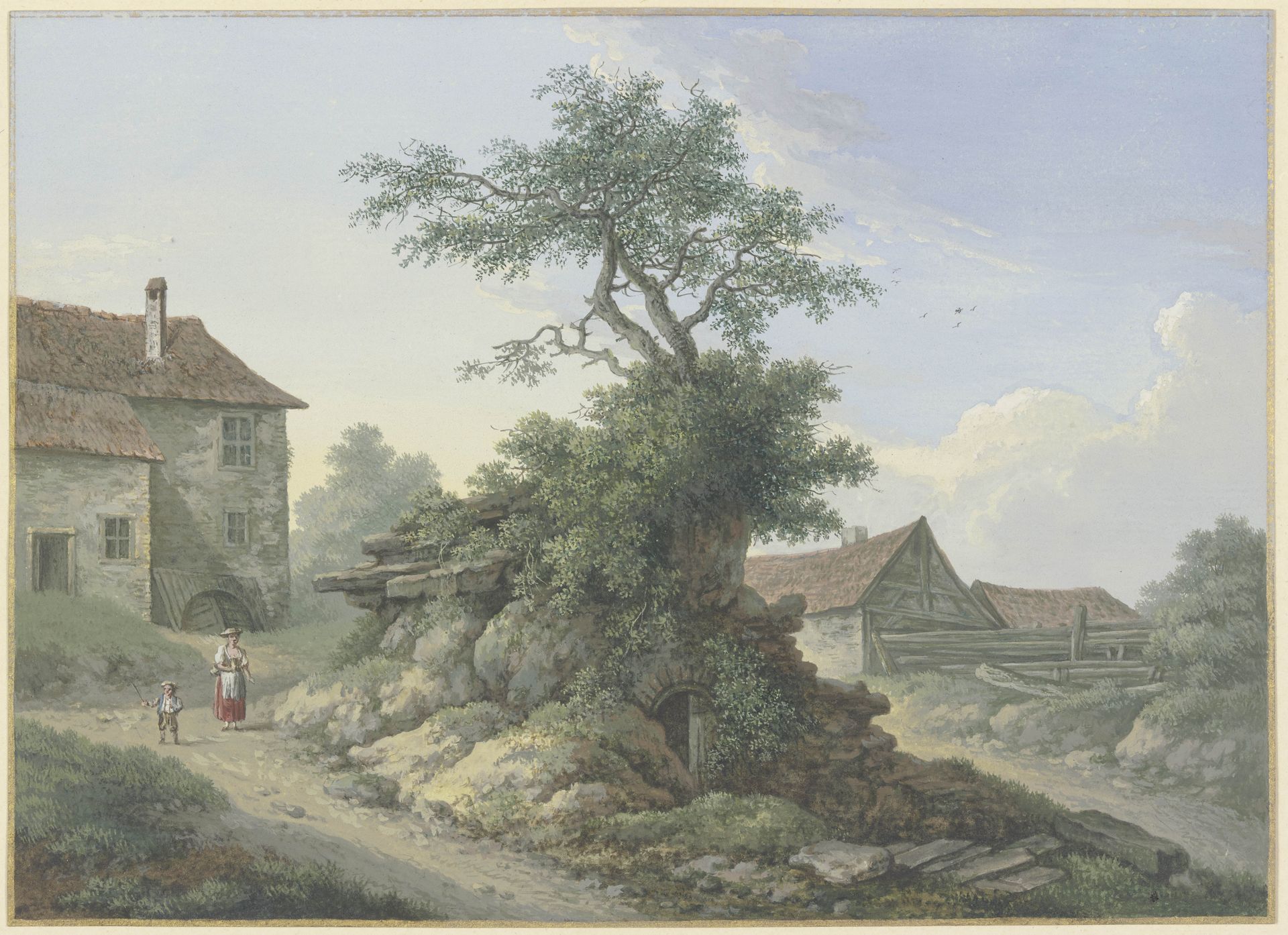
Karl Franz Kraul rendered this watercolor, Bauernhof, in der Mitte ein Baum auf einer Kellerruine. The ruin topped by a tree takes center stage, a symbol of nature reclaiming what time and civilization have left behind. This is an ancient motif. Consider, if you will, the recurring image of the 'tree of life' found in many cultures. It appears in ancient Mesopotamian art, where it represents immortality and knowledge. The tree surmounting a ruin suggests resilience and continuity. It connects this seemingly simple farm scene to a broader narrative of destruction and renewal. This brings to mind the psychoanalytic concept of the "eternal return", the idea that historical events and motifs recur in different forms throughout time. The tree may also evoke a sense of nostalgia or melancholy, emotions deeply rooted in our subconscious. The image serves as a bridge, connecting our own emotional responses to shared, timeless experiences. And so, we see how a single image, like a solitary tree, can resonate across epochs, embodying our deepest fears, hopes, and memories.
Bauernhof, in der Mitte ein Baum auf einer Kellerruine


Artwork details
- Medium
- drawing, tempera, painting, paper, watercolor
- Location
- Städel Museum
- Copyright
- Public Domain
Tags
drawing
aged paper
toned paper
tempera
painting
landscape
figuration
paper
watercolor
coloured pencil
classicism
romanticism
Comments
Be the first to share your thoughts about this work.
About this artwork
Karl Franz Kraul rendered this watercolor, Bauernhof, in der Mitte ein Baum auf einer Kellerruine. The ruin topped by a tree takes center stage, a symbol of nature reclaiming what time and civilization have left behind. This is an ancient motif. Consider, if you will, the recurring image of the 'tree of life' found in many cultures. It appears in ancient Mesopotamian art, where it represents immortality and knowledge. The tree surmounting a ruin suggests resilience and continuity. It connects this seemingly simple farm scene to a broader narrative of destruction and renewal. This brings to mind the psychoanalytic concept of the "eternal return", the idea that historical events and motifs recur in different forms throughout time. The tree may also evoke a sense of nostalgia or melancholy, emotions deeply rooted in our subconscious. The image serves as a bridge, connecting our own emotional responses to shared, timeless experiences. And so, we see how a single image, like a solitary tree, can resonate across epochs, embodying our deepest fears, hopes, and memories.
Comments
Be the first to share your thoughts about this work.