About this artwork
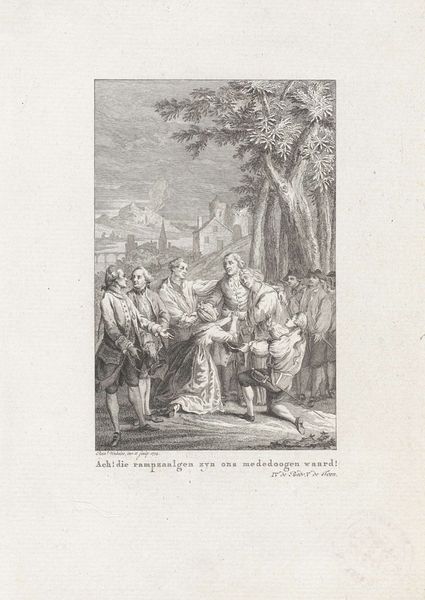
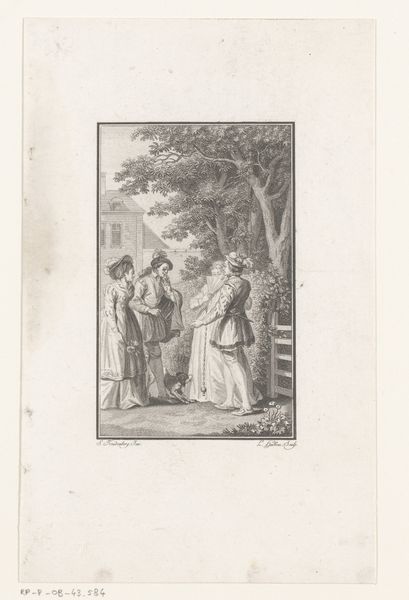
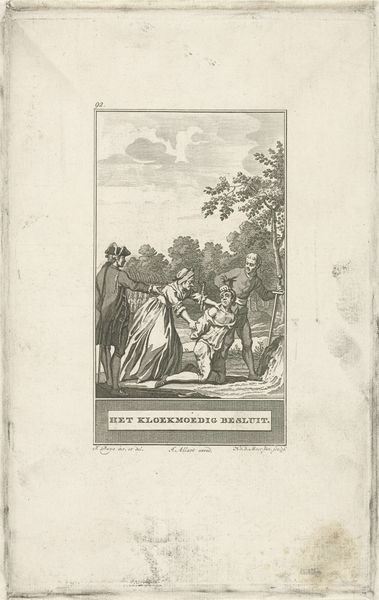
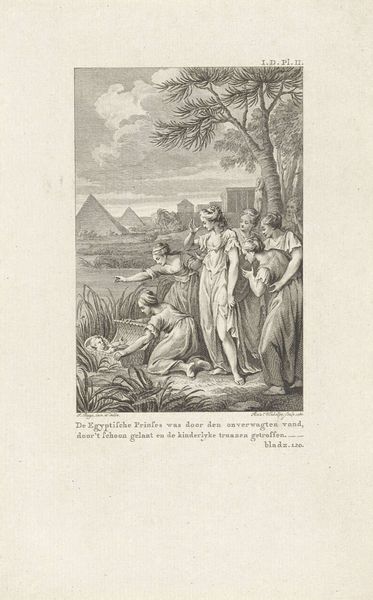
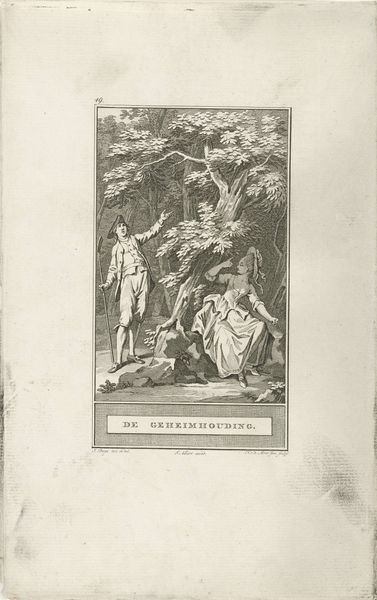
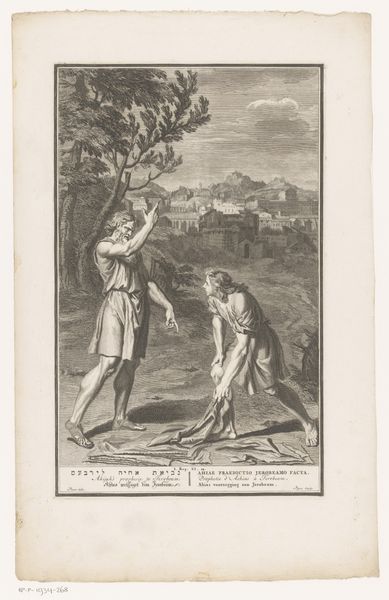
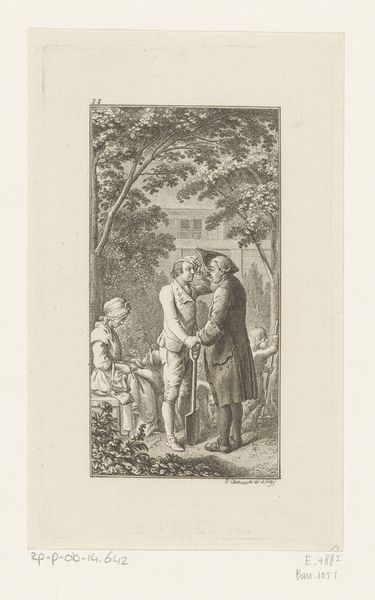
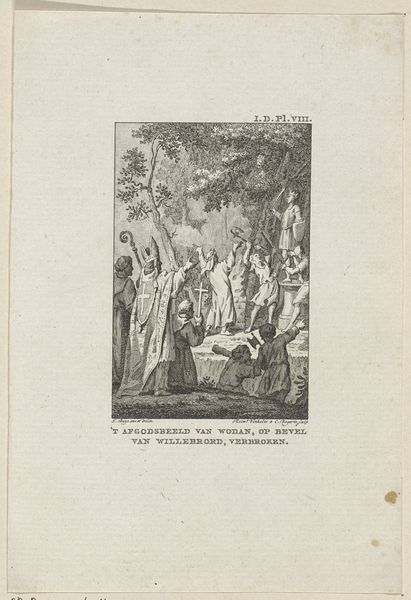
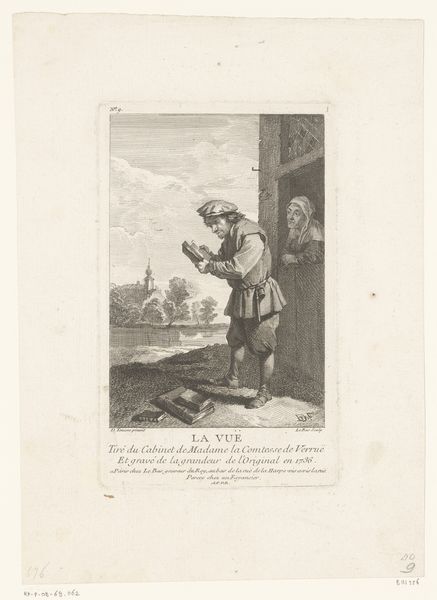
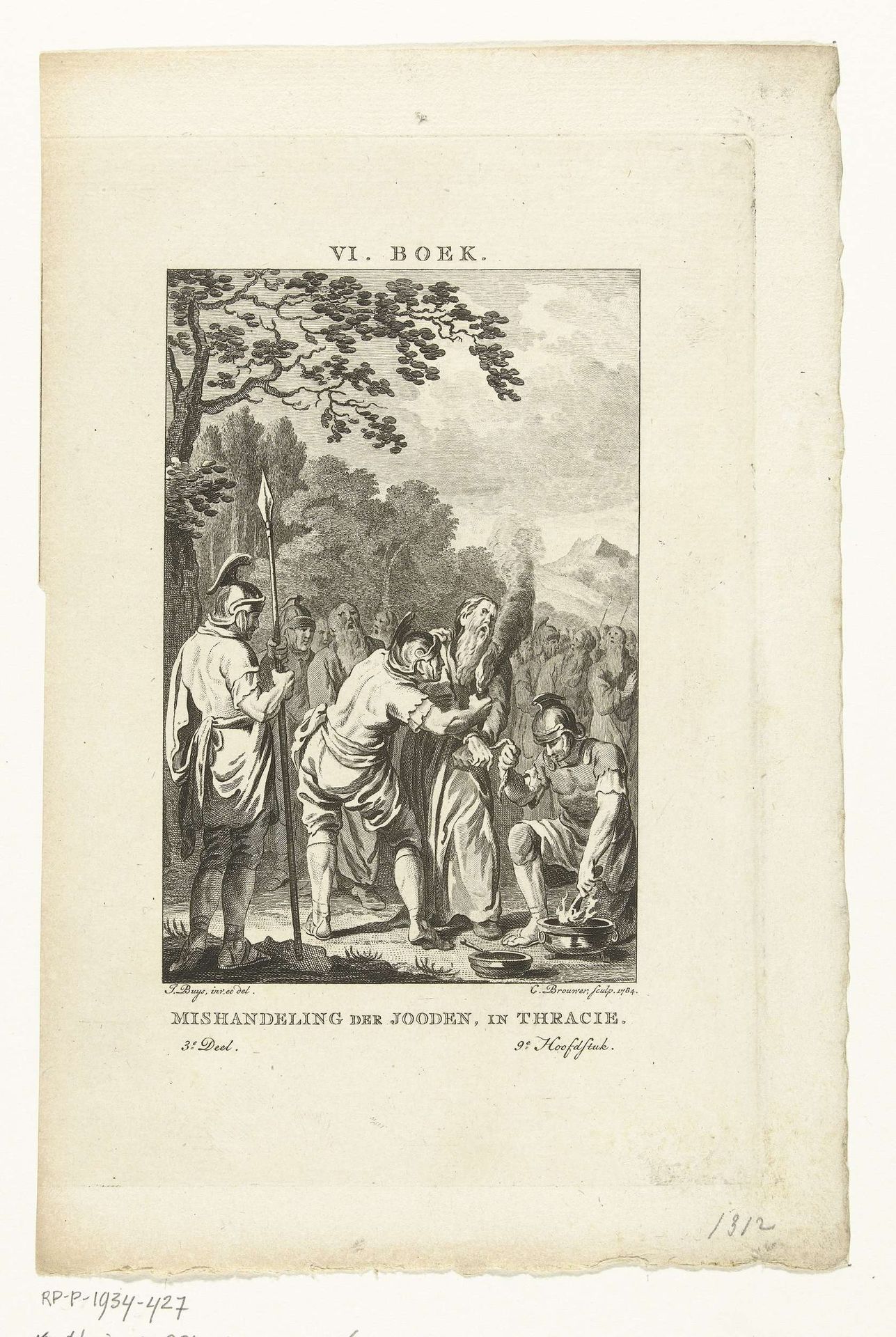
Cornelis Brouwer etched this print, "Mishandeling van de Joden in Thracië," sometime in the late 18th century. The image depicts a scene of violence against Jews in Thrace, a region spanning parts of modern-day Greece, Bulgaria, and Turkey. The print's creation during the Enlightenment in the Netherlands raises important questions about the public role of art. Was Brouwer attempting to document a historical event? Was he making a statement about religious persecution or perhaps even commenting on contemporary attitudes toward Jewish people? Examining the visual codes and historical associations within the image can provide us with answers. The Roman soldiers evoke a sense of historical authority, while the mistreatment of the Jews highlights themes of power and marginalization. Researching the history of Jewish communities in 18th-century Europe and the prevailing attitudes of the time would provide valuable context. Through social and institutional history, we can better understand the complex meanings embedded within this image.

Artwork details
- Medium
- print, paper, engraving
- Dimensions
- height 233 mm, width 154 mm
- Location
- Rijksmuseum
- Copyright
- Rijks Museum: Open Domain
Tags
Comments
Share your thoughts
About this artwork
Cornelis Brouwer etched this print, "Mishandeling van de Joden in Thracië," sometime in the late 18th century. The image depicts a scene of violence against Jews in Thrace, a region spanning parts of modern-day Greece, Bulgaria, and Turkey. The print's creation during the Enlightenment in the Netherlands raises important questions about the public role of art. Was Brouwer attempting to document a historical event? Was he making a statement about religious persecution or perhaps even commenting on contemporary attitudes toward Jewish people? Examining the visual codes and historical associations within the image can provide us with answers. The Roman soldiers evoke a sense of historical authority, while the mistreatment of the Jews highlights themes of power and marginalization. Researching the history of Jewish communities in 18th-century Europe and the prevailing attitudes of the time would provide valuable context. Through social and institutional history, we can better understand the complex meanings embedded within this image.
Comments
Share your thoughts