About this artwork
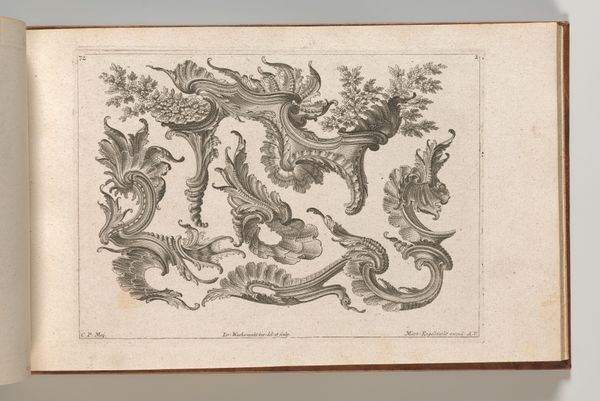
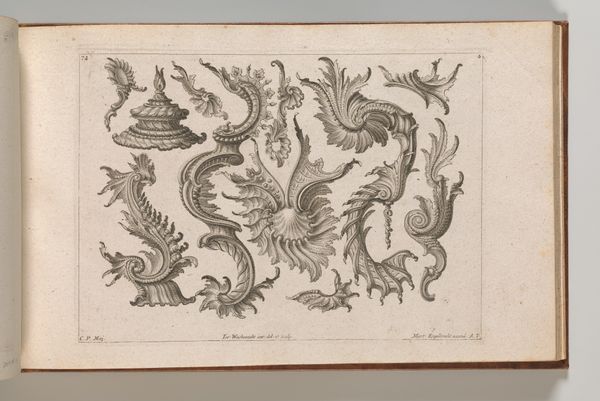
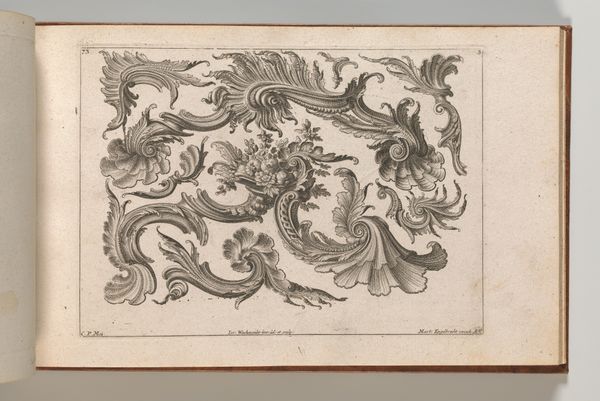
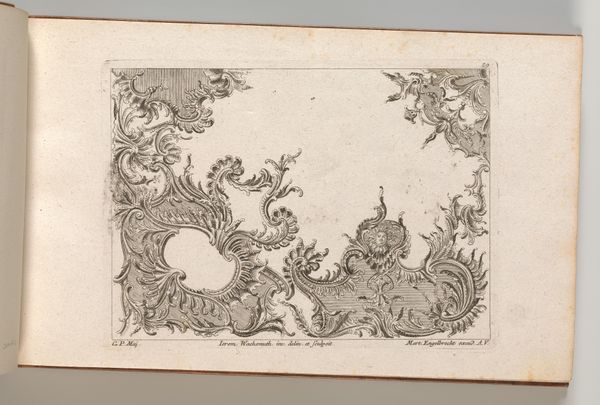
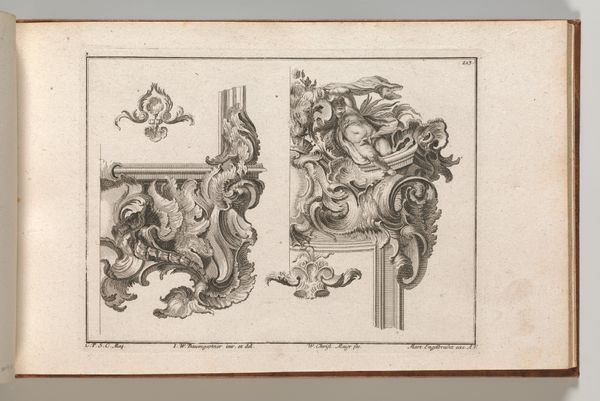
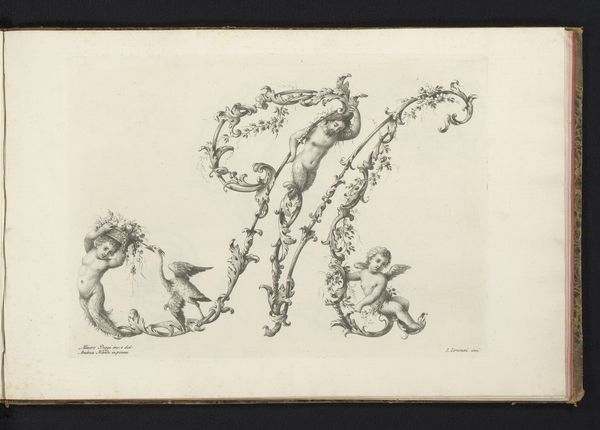
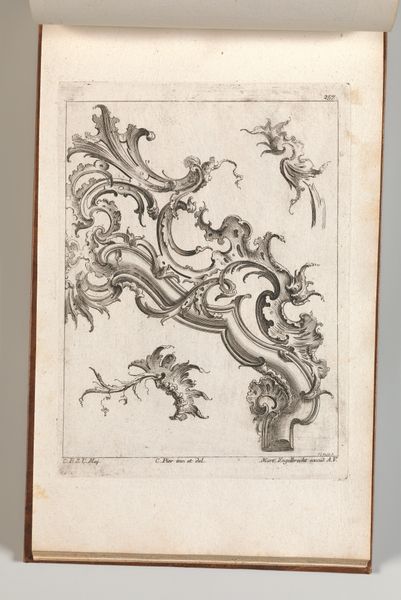
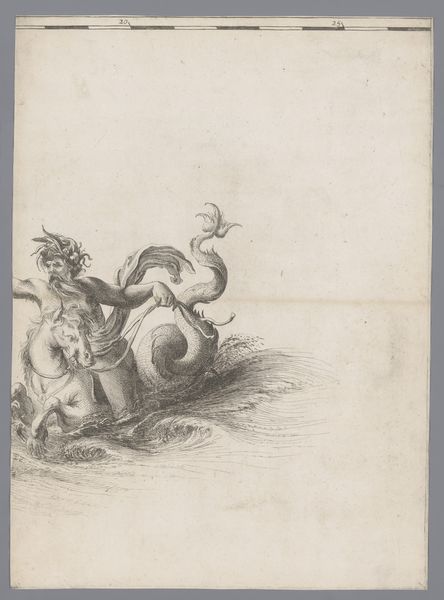
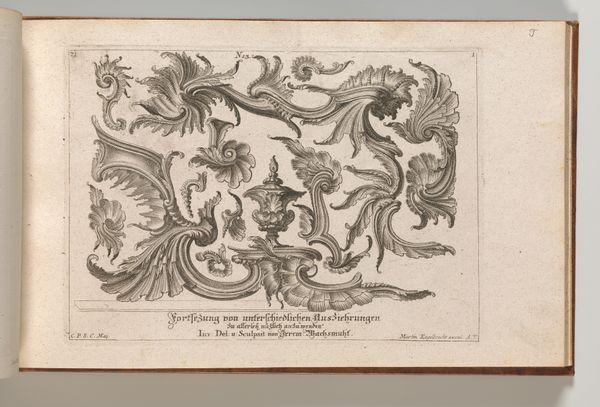
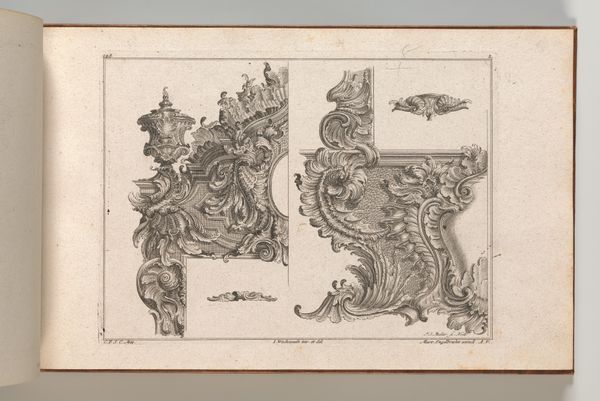
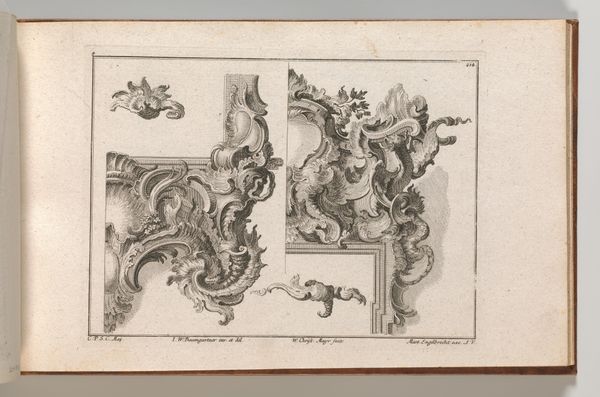
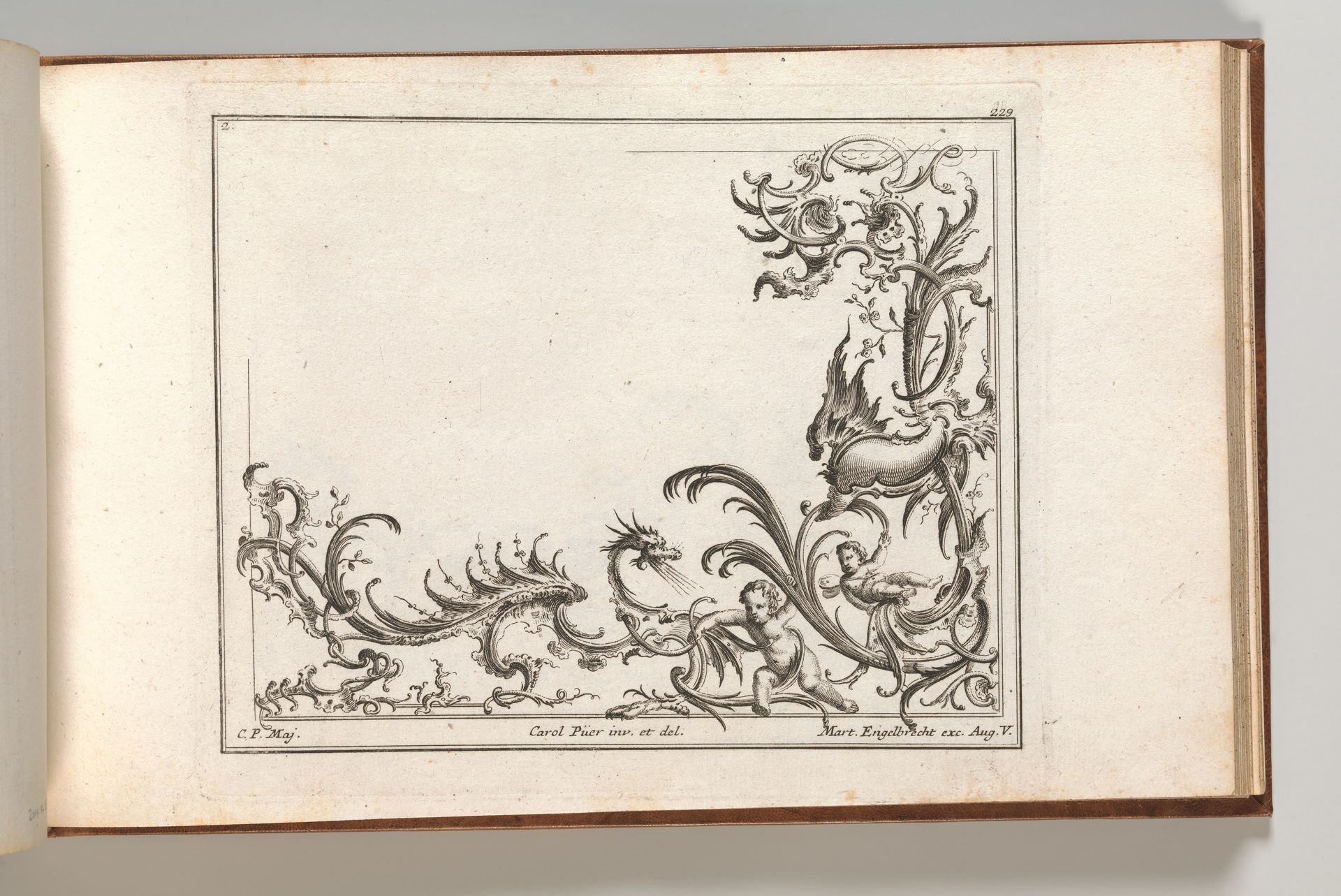
Carl Pier created this design for ceiling decoration in the 18th century, likely as an etching. Note the corner placement of the design, the symmetry and balance of the composition, and the allegorical imagery, all of which speak to the fashion for the Rococo style. The Rococo style, originating in France and spreading across Europe, was favored by the aristocracy and upper classes. It stood for elegance and wealth, incorporating asymmetry, scrolling curves, and playful themes. Pier's design reflects this taste, featuring dragons, cherubs, and foliage. Rococo interiors were statements of power and sophistication, meant to impress and awe. To understand this design fully, one might explore period pattern books, architectural treatises, and social histories of the 18th century. Through such research, we can better understand not only the aesthetics but also the social and cultural values embedded in artworks like this.
Design for the Decoration of the Lower Right Corner of a Ceiling, Plate 2 from: 'Unterschiedliche neü inventirte Decken oder Plafond.' 1745 - 1755


Artwork details
- Medium
- drawing, ornament, print, engraving
- Dimensions
- Overall: 8 7/16 × 13 3/4 in. (21.5 × 35 cm)
- Location
- Metropolitan Museum of Art, New York, NY
- Copyright
- Public Domain
Tags
drawing
ornament
baroque
figuration
line
decorative-art
engraving
Comments
No comments
About this artwork
Carl Pier created this design for ceiling decoration in the 18th century, likely as an etching. Note the corner placement of the design, the symmetry and balance of the composition, and the allegorical imagery, all of which speak to the fashion for the Rococo style. The Rococo style, originating in France and spreading across Europe, was favored by the aristocracy and upper classes. It stood for elegance and wealth, incorporating asymmetry, scrolling curves, and playful themes. Pier's design reflects this taste, featuring dragons, cherubs, and foliage. Rococo interiors were statements of power and sophistication, meant to impress and awe. To understand this design fully, one might explore period pattern books, architectural treatises, and social histories of the 18th century. Through such research, we can better understand not only the aesthetics but also the social and cultural values embedded in artworks like this.
Comments
No comments