About this artwork
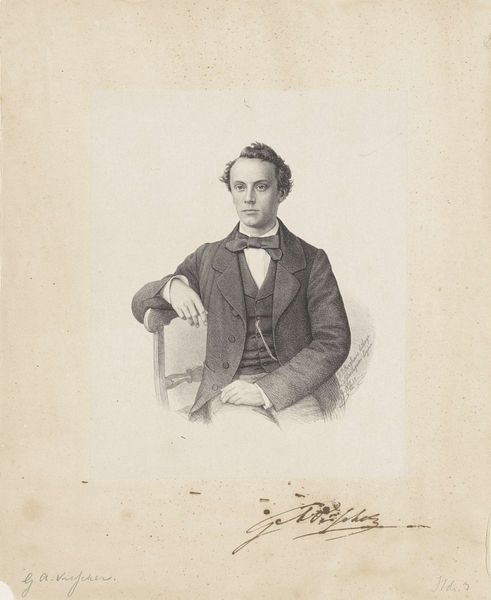
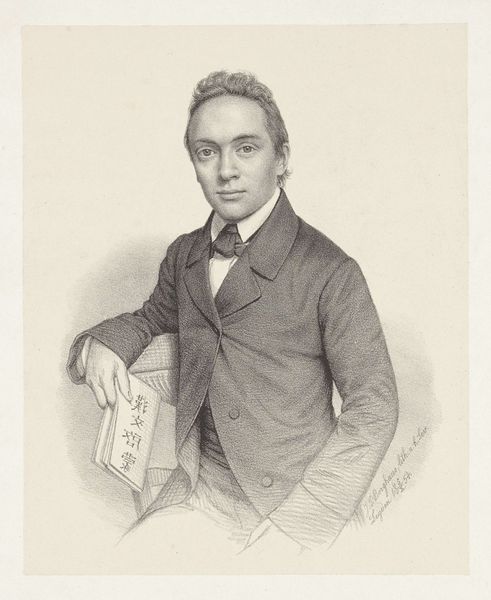
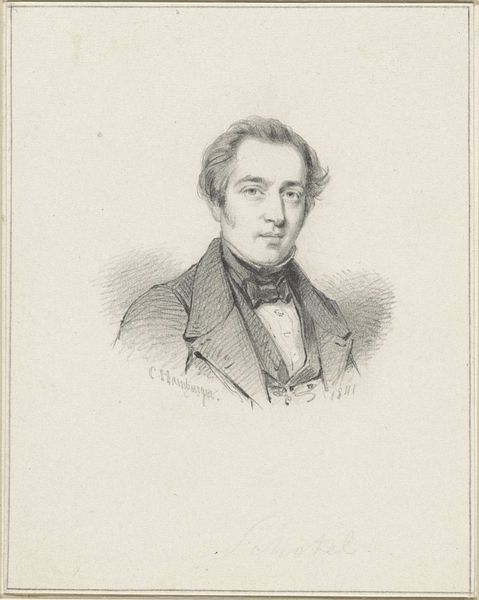
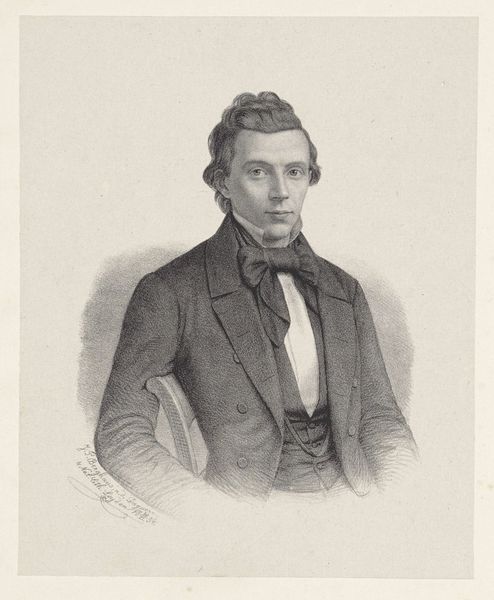
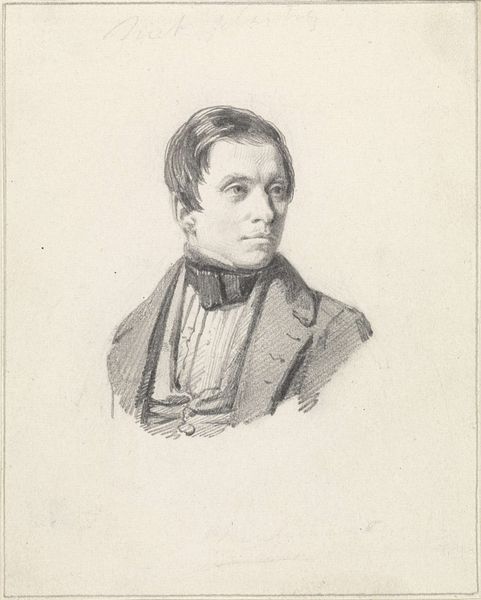
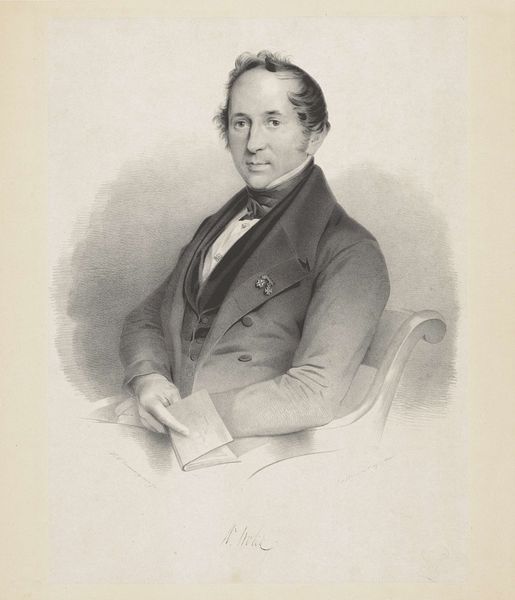
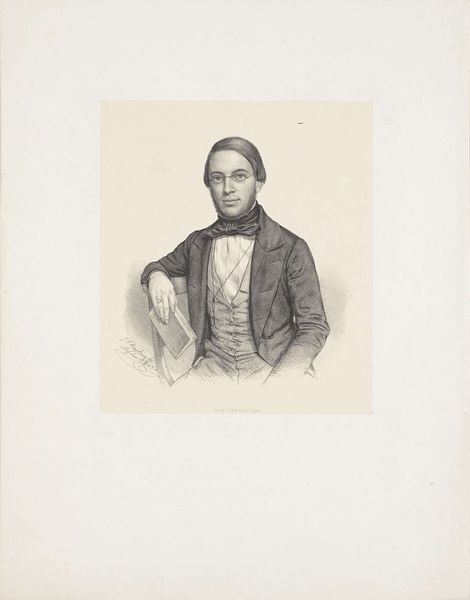
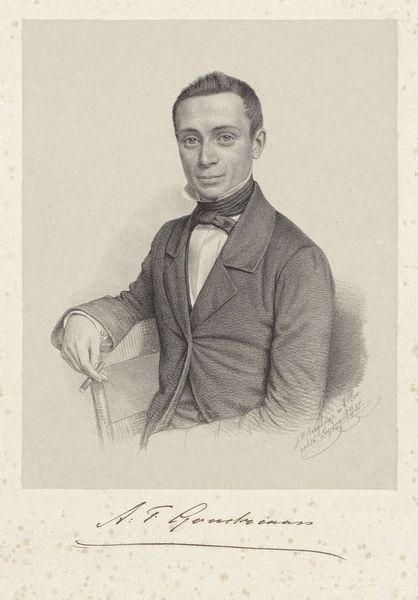
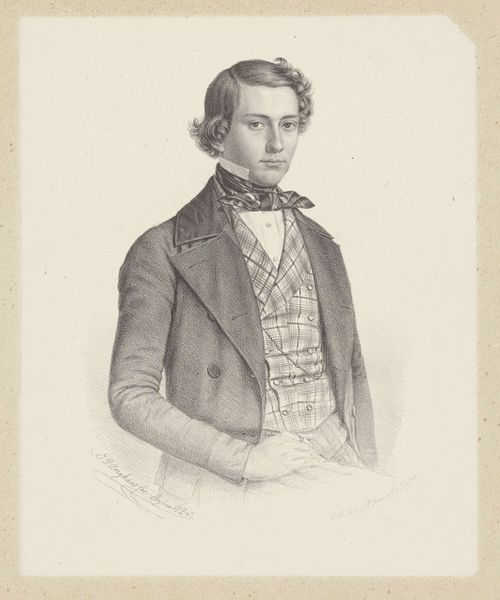
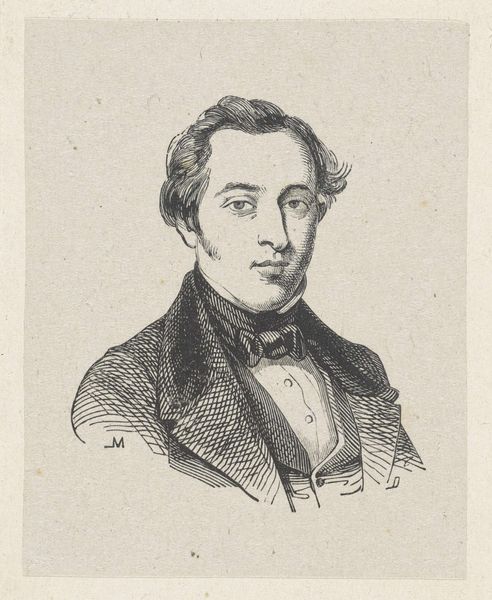
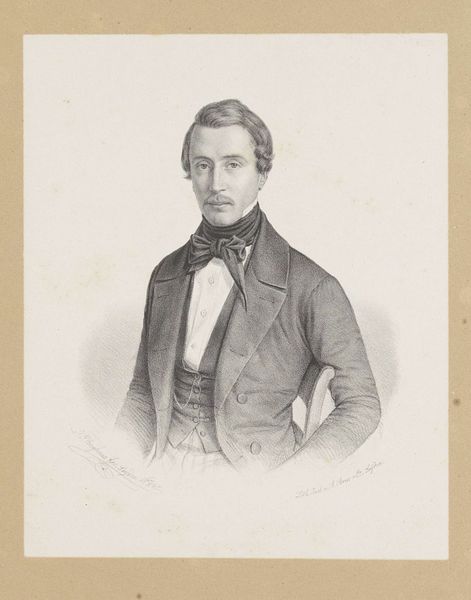
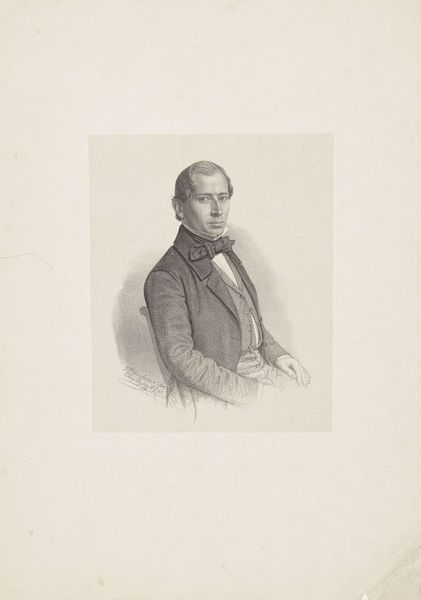
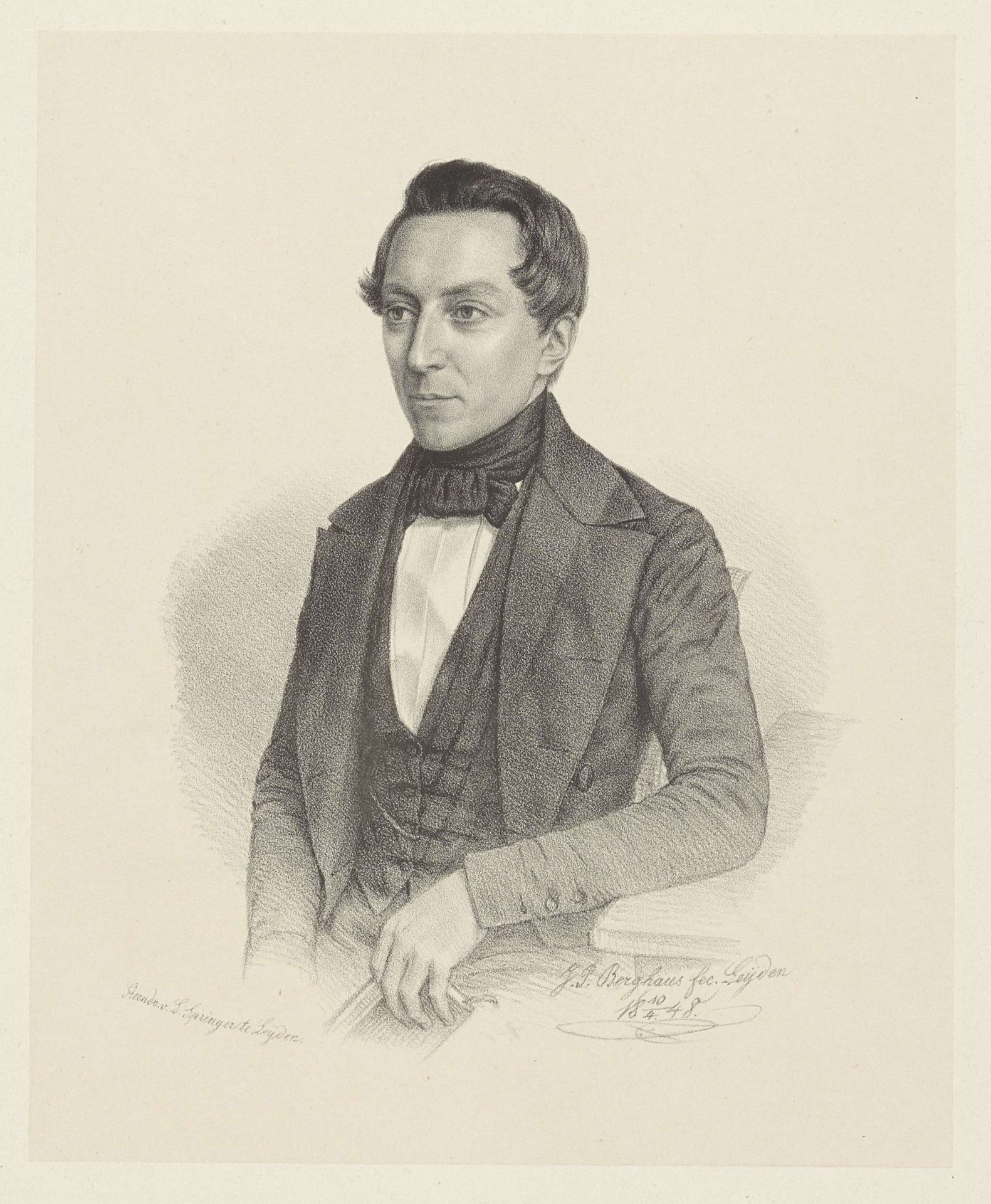
Johann Peter Berghaus created this portrait of Benjamin Frederik Matthes in 1848 using lithography. This printmaking technique involves drawing with a greasy crayon on a stone or metal plate, then using ink to transfer the image onto paper. The lithographic process allowed for detailed replication, evident in the textures of Matthes’s suit and the subtle gradations of light and shadow on his face. Lithography's rise coincided with industrialization, making art more accessible and democratizing portraiture, previously reserved for the wealthy. The process demanded skilled labor, from preparing the stone to the printing itself, reflecting the era’s changing relationship between art, industry, and labor. The artist's skilled hand and the mechanics of reproduction combine to create a compelling image. Appreciating both the artistry and the mechanics allows us to fully understand the work.
Portret van Benjamin Frederik Matthes
Possibly 1848

Johann Peter Berghaus
1810 - 1870Location
RijksmuseumArtwork details
- Medium
- drawing, pencil
- Dimensions
- height 490 mm, width 360 mm
- Location
- Rijksmuseum
- Copyright
- Rijks Museum: Open Domain
Tags
Comments
Share your thoughts
About this artwork
Johann Peter Berghaus created this portrait of Benjamin Frederik Matthes in 1848 using lithography. This printmaking technique involves drawing with a greasy crayon on a stone or metal plate, then using ink to transfer the image onto paper. The lithographic process allowed for detailed replication, evident in the textures of Matthes’s suit and the subtle gradations of light and shadow on his face. Lithography's rise coincided with industrialization, making art more accessible and democratizing portraiture, previously reserved for the wealthy. The process demanded skilled labor, from preparing the stone to the printing itself, reflecting the era’s changing relationship between art, industry, and labor. The artist's skilled hand and the mechanics of reproduction combine to create a compelling image. Appreciating both the artistry and the mechanics allows us to fully understand the work.
Comments
Share your thoughts