About this artwork
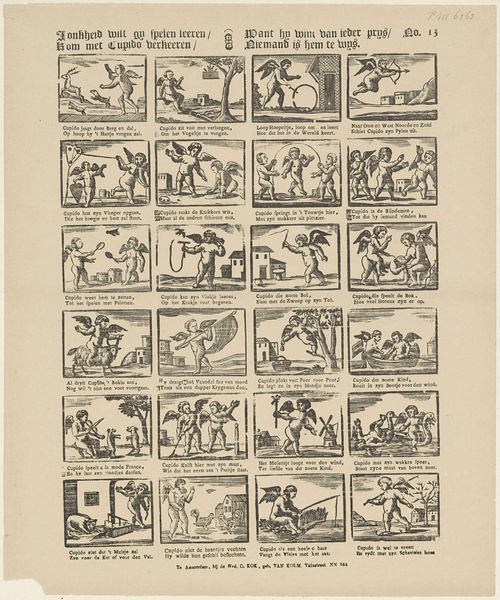
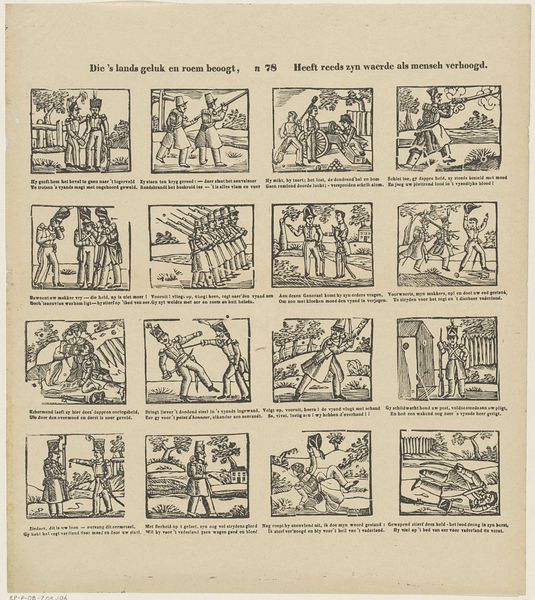
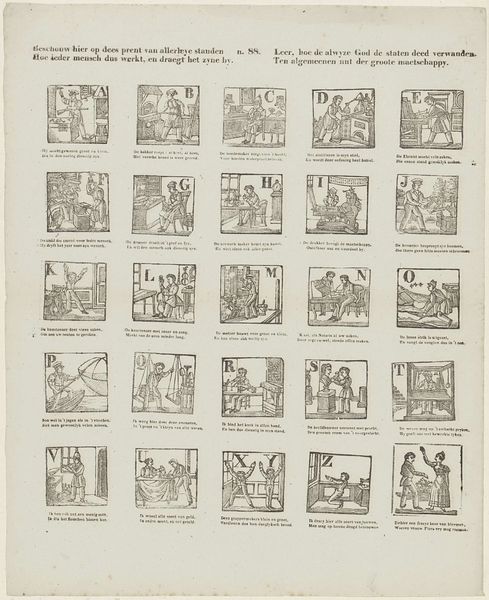
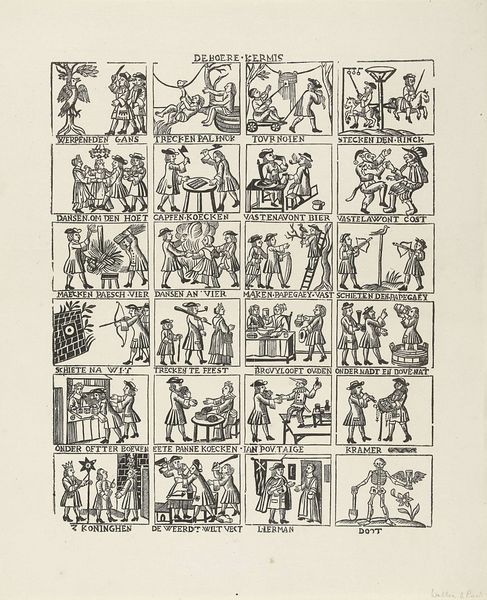
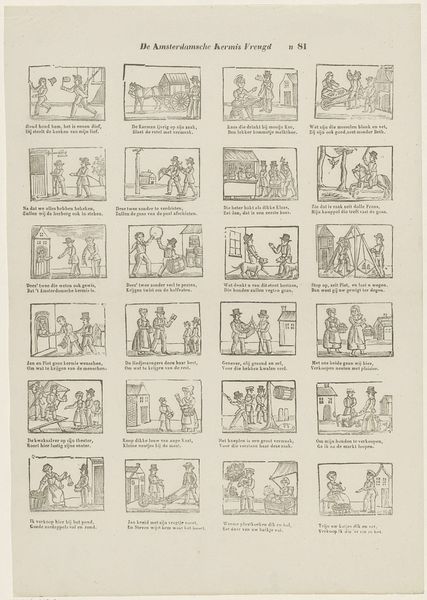
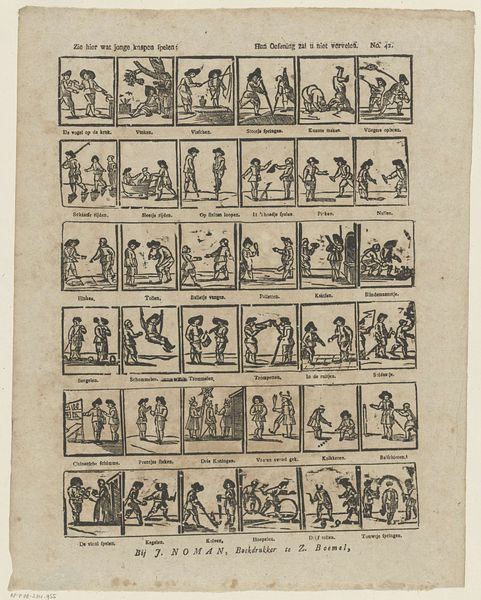
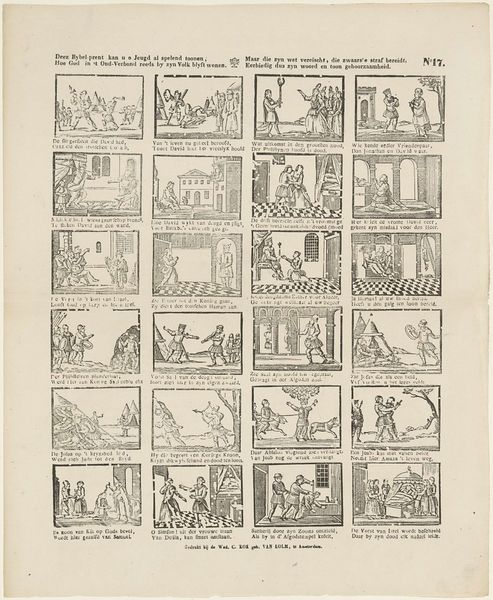
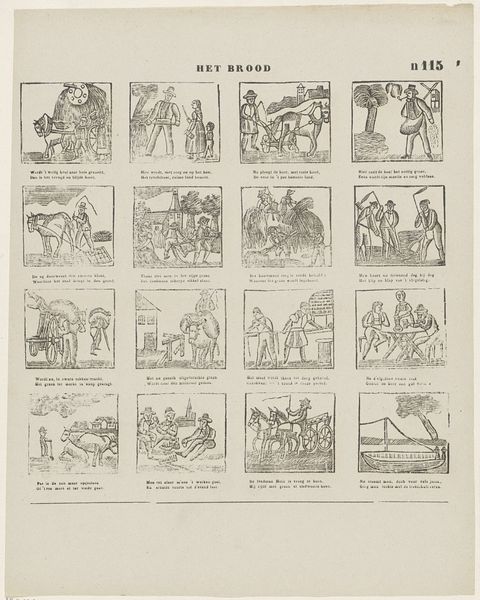
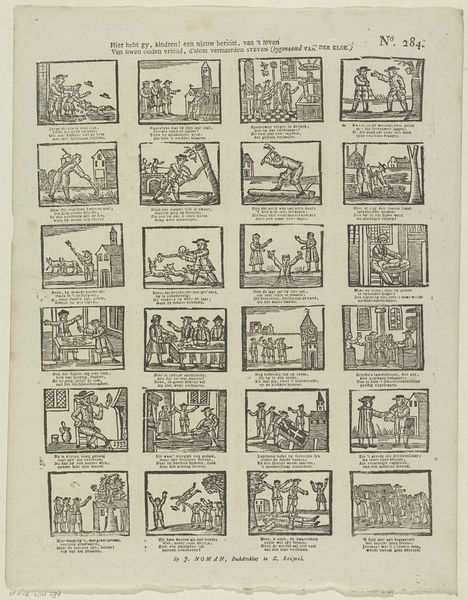
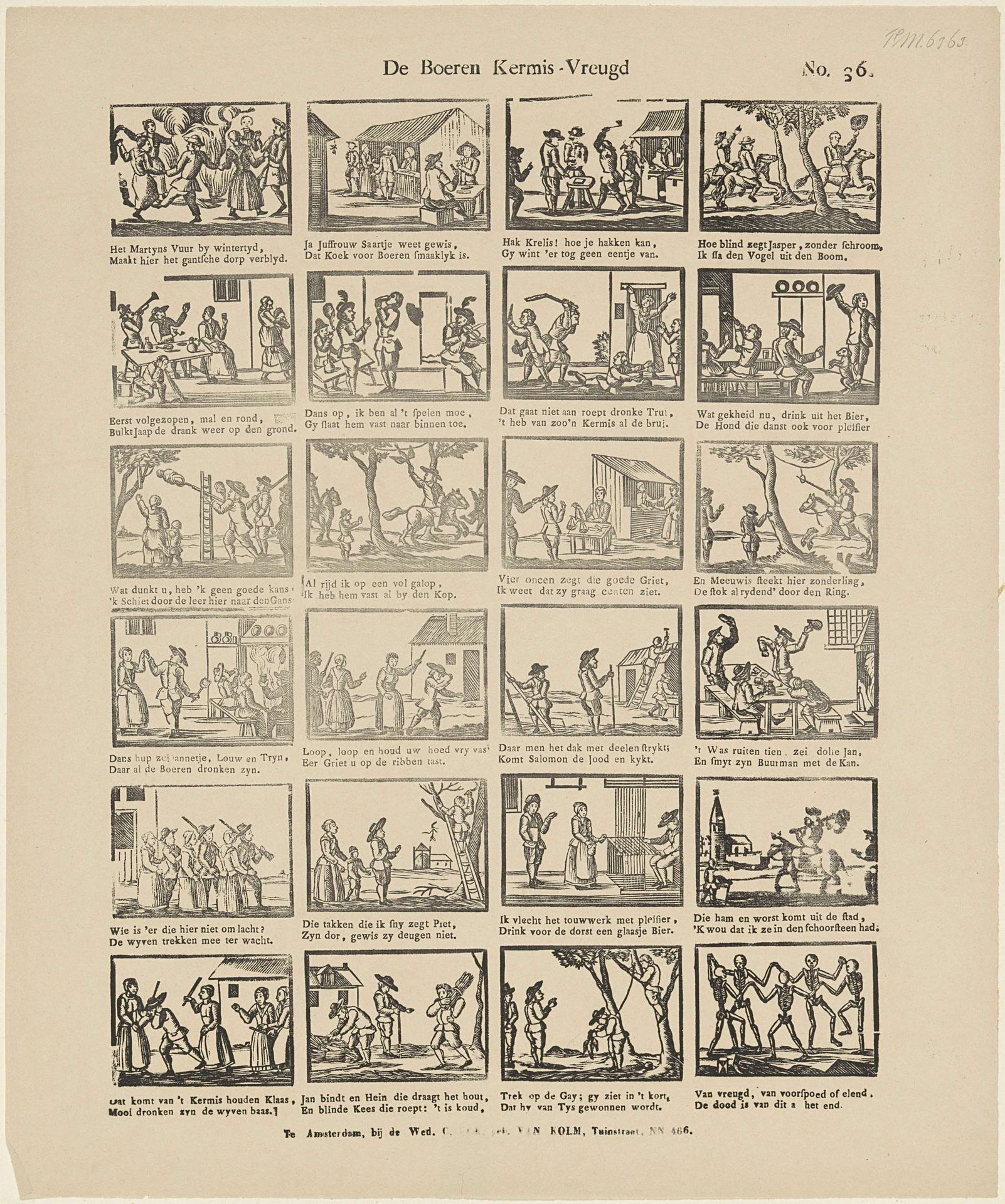
This print, "De boeren kermis-vreugd," was made by the widow C. Kok-van Kolm. The print is characterized by an elaborate mode of production and circulation. The material is humble: ink on paper. Yet, it is the printing process that gives it its power. Each of the scenes were likely incised into a copper plate through labor-intensive engraving. This allowed for the mass production of images, and, in turn, the transmission of cultural values. Note that these are scenes of peasant life: drinking, revelry, and occasional violence. By presenting this imagery in a format that could reach a wide audience, the artist tapped into a market for depictions of everyday life. The print becomes a form of cultural commentary. Ultimately, it's the combination of material, technique, and social context that allows us to fully appreciate the image and the cultural dynamics it represents.
De boeren kermis-vreugd
1842 - 1866

weduwe C. Kok-van Kolm
@weduweckokvankolmLocation
RijksmuseumArtwork details
- Medium
- print, woodcut
- Dimensions
- height 387 mm, width 321 mm
- Location
- Rijksmuseum
- Copyright
- Rijks Museum: Open Domain
Tags
Comments
Share your thoughts
About this artwork
This print, "De boeren kermis-vreugd," was made by the widow C. Kok-van Kolm. The print is characterized by an elaborate mode of production and circulation. The material is humble: ink on paper. Yet, it is the printing process that gives it its power. Each of the scenes were likely incised into a copper plate through labor-intensive engraving. This allowed for the mass production of images, and, in turn, the transmission of cultural values. Note that these are scenes of peasant life: drinking, revelry, and occasional violence. By presenting this imagery in a format that could reach a wide audience, the artist tapped into a market for depictions of everyday life. The print becomes a form of cultural commentary. Ultimately, it's the combination of material, technique, and social context that allows us to fully appreciate the image and the cultural dynamics it represents.
Comments
Share your thoughts