About this artwork
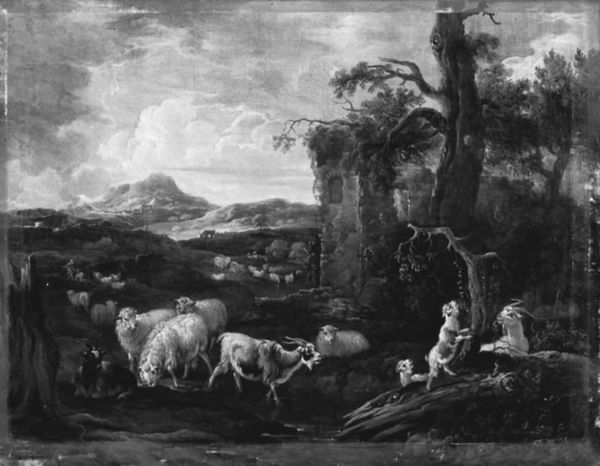
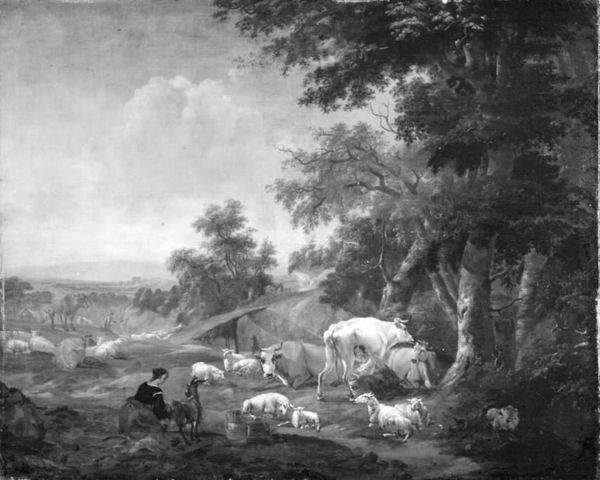
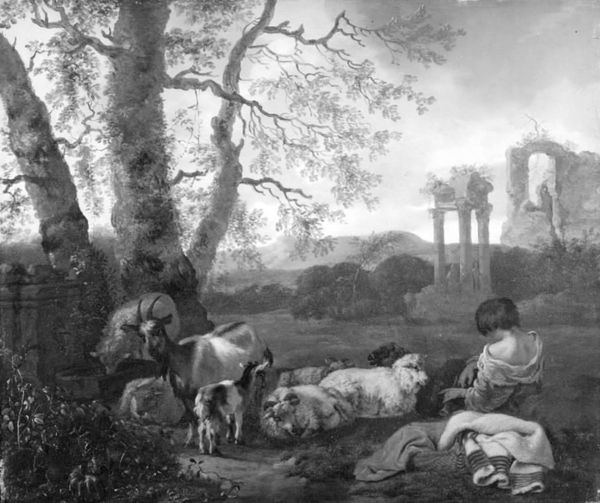
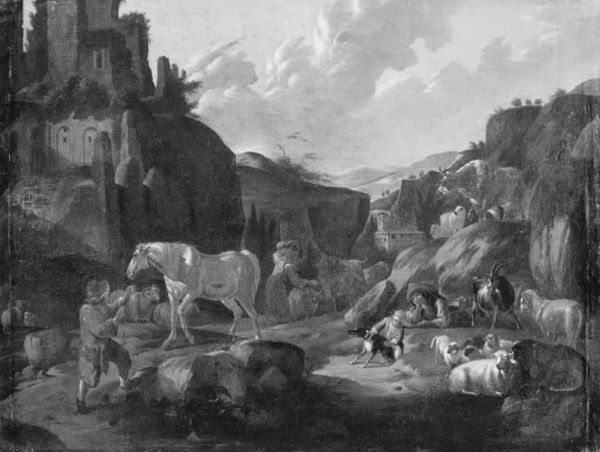
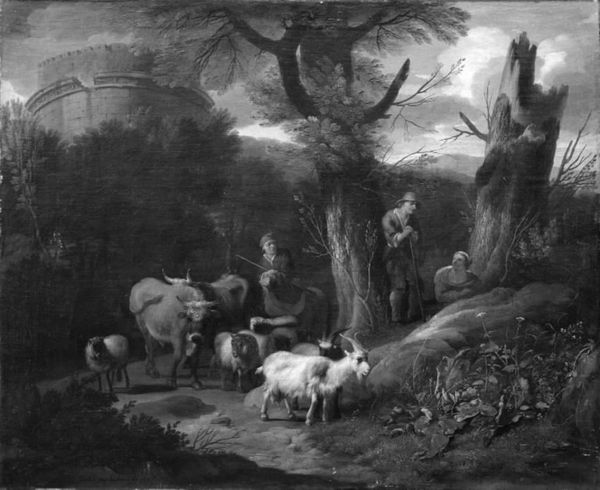
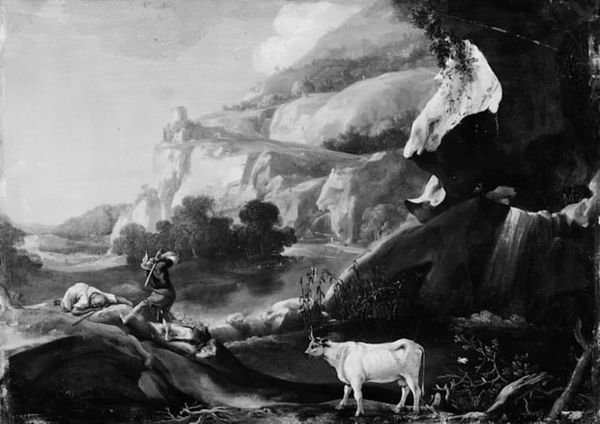
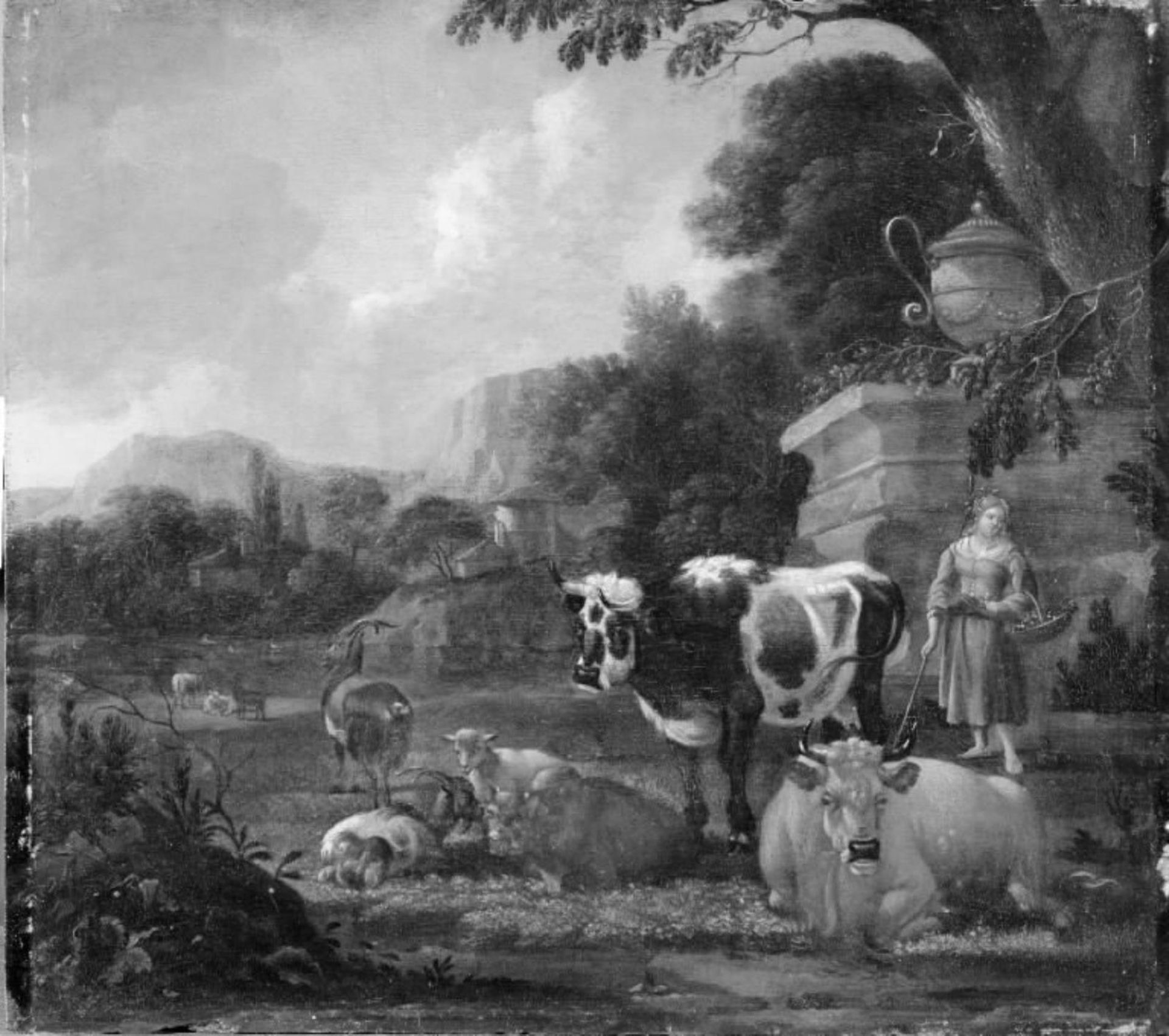
This painting, Shepherdess with her Cattle, Sheep and Goats, of unknown date and authorship, is made with oil paints on canvas. The way the paint is handled influences the appearance of the piece, especially the subtle gradations of light across the animals’ forms. The artist engaged with well-honed painting techniques, building up the image through layers of thin glazes and thicker impasto strokes, a skilled tradition belonging to the history of fine art. Yet, the subject matter pulls us in another direction. The artist invites us to reflect on the social context of agricultural labor. The work involved in shepherding, a timeless occupation tied to food production, contrasts with the refinement of the painting. The juxtaposition challenges traditional distinctions between the high art of landscape painting and the everyday realities of labor and sustenance. Through such unlikely pairings, we may come to understand the full meaning of an artwork.
Shepherdess with her Cattle, Sheep and Goats 1602 - 1809


Artwork details
- Medium
- painting, wood
- Dimensions
- 32 cm (height) x 35.5 cm (width) (Netto)
- Location
- SMK - Statens Museum for Kunst
Tags
baroque
painting
landscape
figuration
wood
genre-painting
monochrome
realism
monochrome
Comments
No comments
About this artwork
This painting, Shepherdess with her Cattle, Sheep and Goats, of unknown date and authorship, is made with oil paints on canvas. The way the paint is handled influences the appearance of the piece, especially the subtle gradations of light across the animals’ forms. The artist engaged with well-honed painting techniques, building up the image through layers of thin glazes and thicker impasto strokes, a skilled tradition belonging to the history of fine art. Yet, the subject matter pulls us in another direction. The artist invites us to reflect on the social context of agricultural labor. The work involved in shepherding, a timeless occupation tied to food production, contrasts with the refinement of the painting. The juxtaposition challenges traditional distinctions between the high art of landscape painting and the everyday realities of labor and sustenance. Through such unlikely pairings, we may come to understand the full meaning of an artwork.
Comments
No comments