c. 1900 - 1920
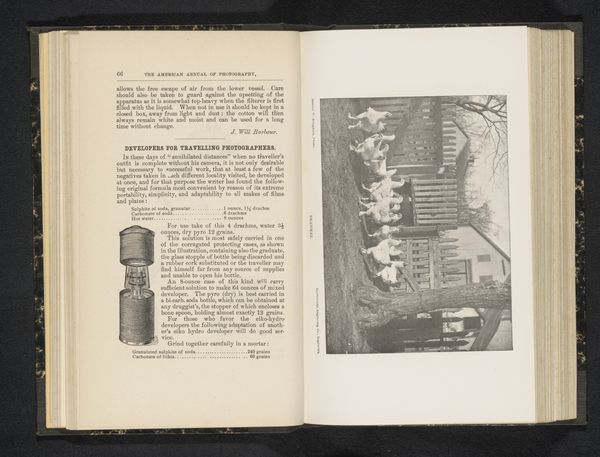
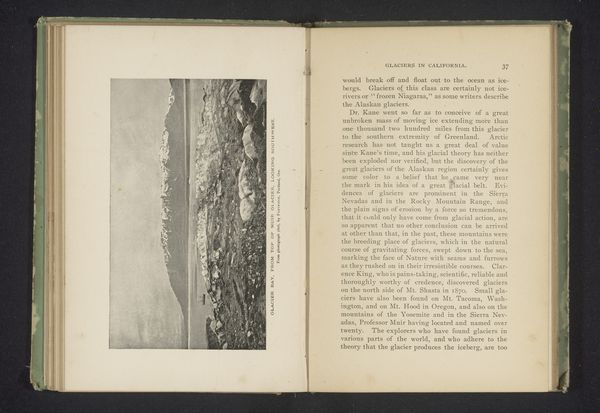
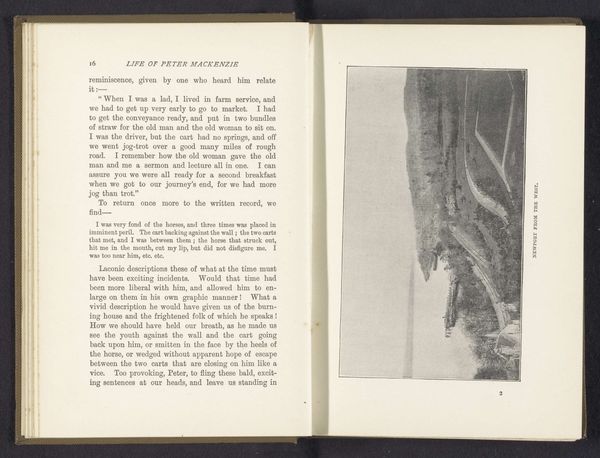
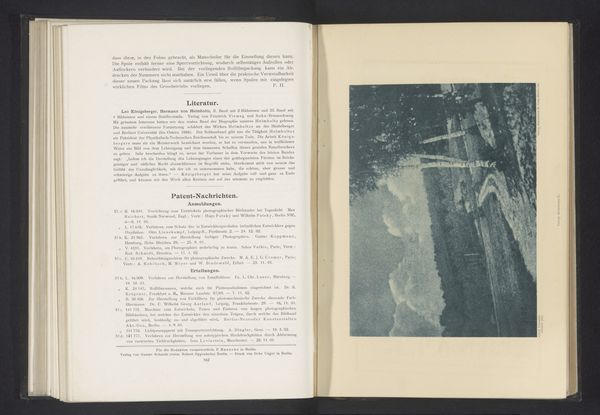
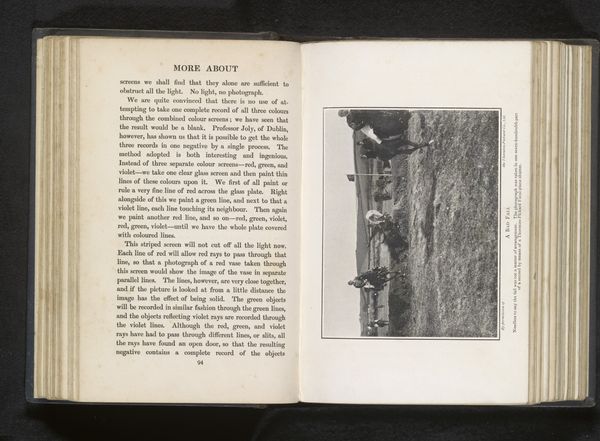
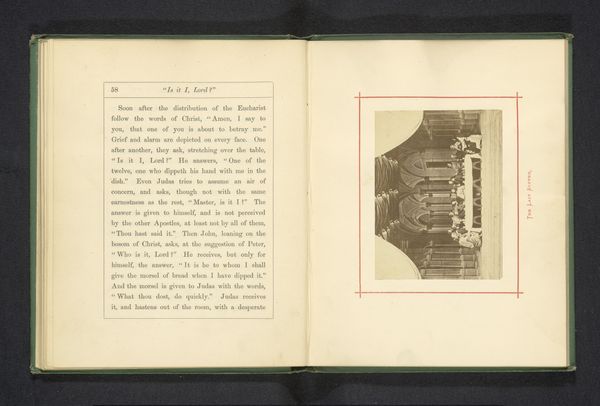
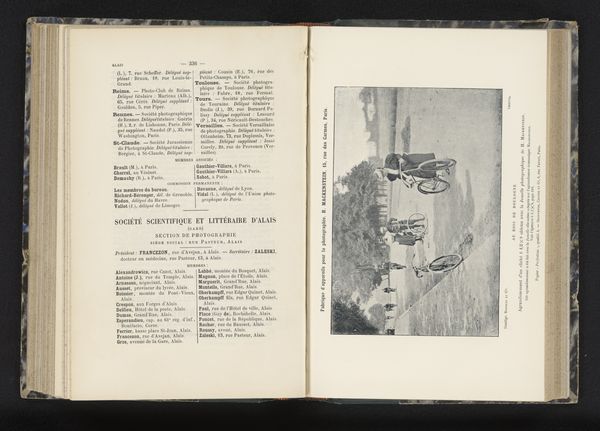
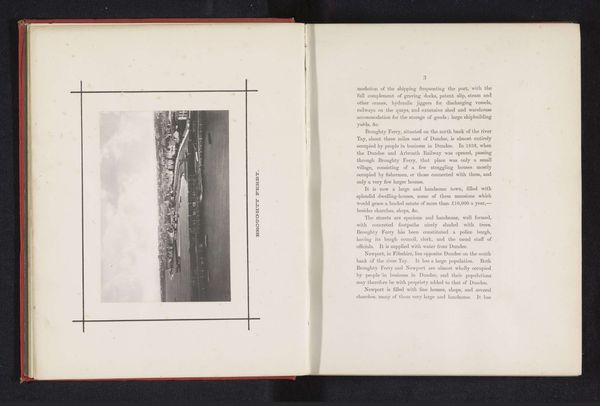
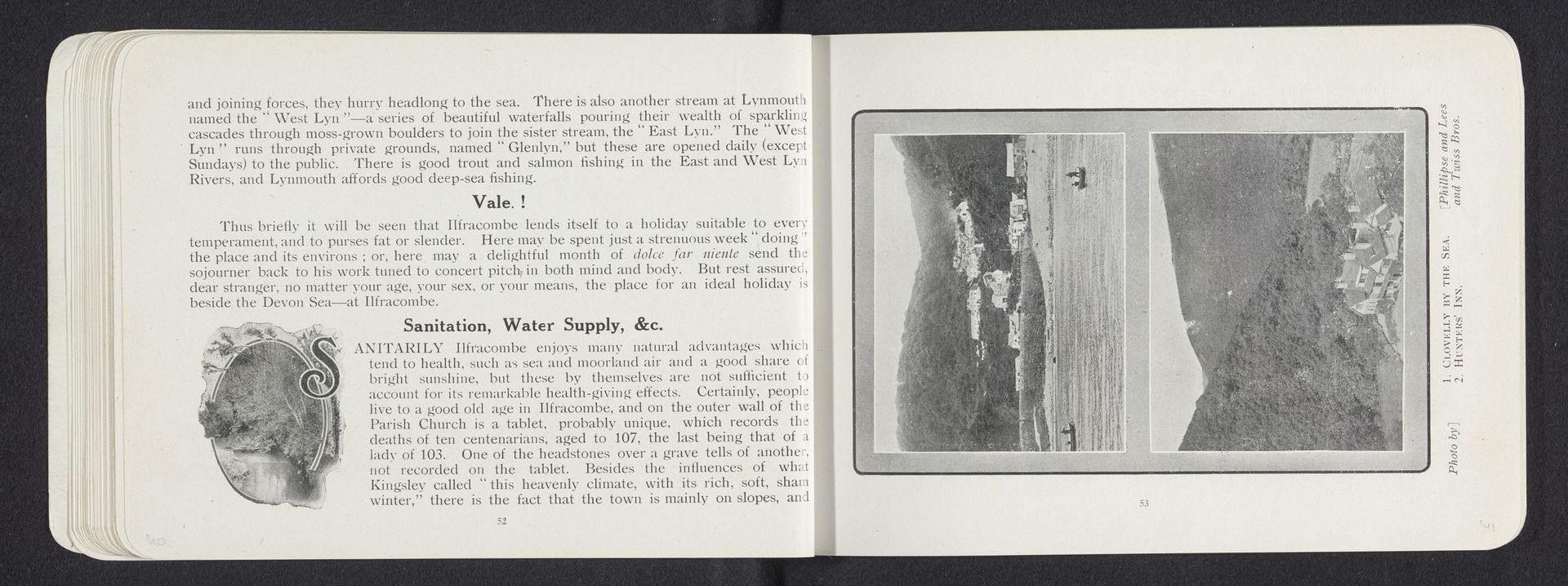
Gezicht op Clovelly en een gezicht op The Hunters Inn te Exmoor

Listen to curator's interpretation
Curatorial notes
Editor: This albumen print, titled "Gezicht op Clovelly en een gezicht op The Hunters Inn te Exmoor" by Phillipse & Lees, dates back to somewhere between 1900 and 1920. It shows two aerial views of landscape, and I’m immediately struck by the way it seems to idealize rural life. What deeper readings can we take from these landscape views? Curator: These images offer a compelling glimpse into early 20th-century notions of place and identity. Given the socio-political context of the time, how do you think the idealization of rural life might relate to broader questions of colonialism and national identity? Editor: That's a good question. I suppose that an idealized version of a landscape serves to encourage pride. Curator: Precisely. But let’s push a bit further. Consider the context of photographic production at this time. Who was likely consuming these images and what were the power dynamics inherent in that consumption? How does landscape photography of this type perpetuate a particular narrative about England and its relationship to the natural world and its resources? Editor: So, it is a selective representation of reality that catered to the interests and desires of a particular class, obscuring any uncomfortable truths about social inequality or the exploitation of land and labour. It's interesting how an apparently neutral landscape view is filled with deeper contextual ideas! Curator: Exactly. And how photography might subtly reinforce existing power structures. By considering its historical and cultural baggage, we start to recognize that it does more than simply depict; it actively shapes perceptions and perpetuates specific worldviews. This goes way beyond just pretty landscapes, don't you think? Editor: Absolutely! Thinking about these social contexts helps us understand the narratives behind this work. Thank you for sharing that! Curator: And thank you for being willing to see these prints through a critical lens.