About this artwork
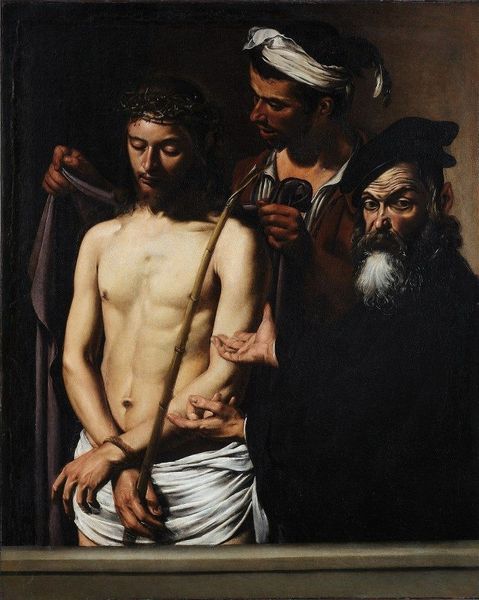
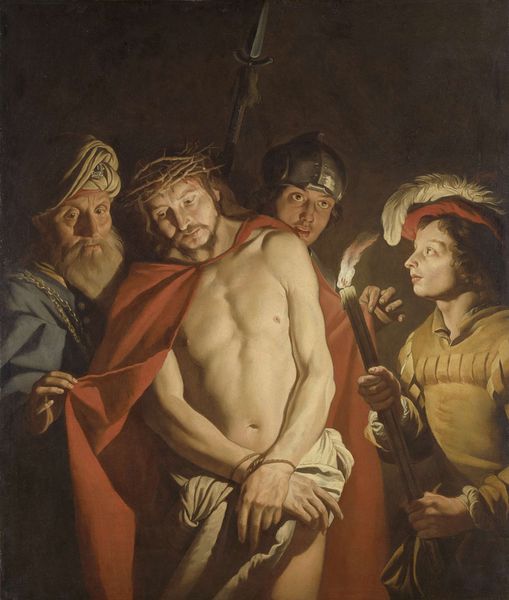
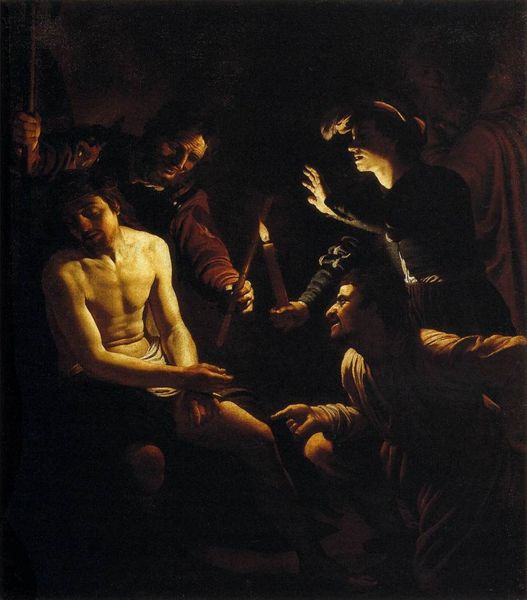
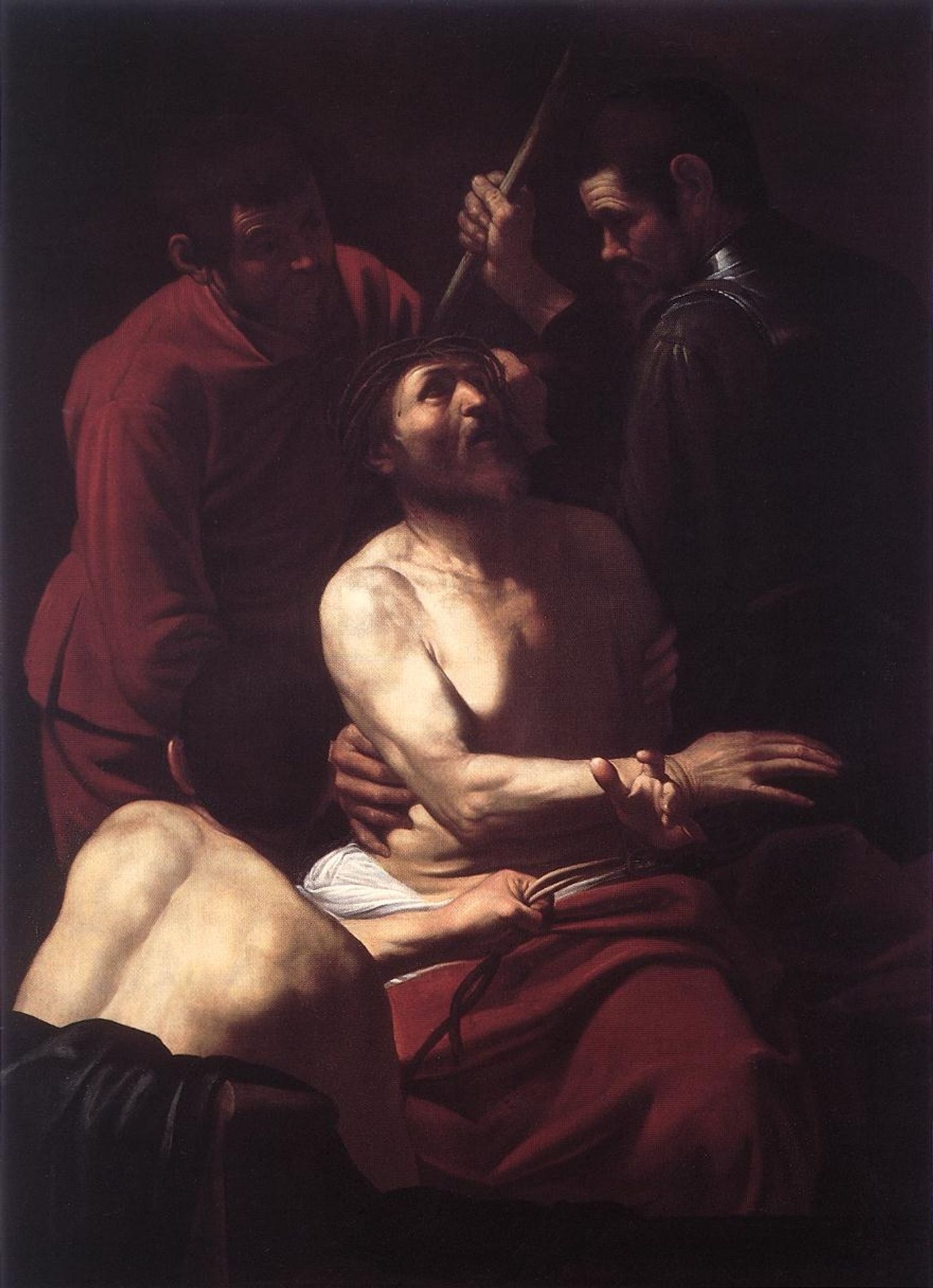
Caravaggio created this emotionally stirring oil on canvas, ‘Crowning with Thorns’, sometime around 1603-1604. The composition, dramatically lit, throws our focus onto Christ’s suffering face, surrounded by the dark figures of his tormentors. Caravaggio masterfully uses chiaroscuro to create a stark contrast between light and shadow, heightening the emotional intensity. This technique not only directs our gaze but also underscores the painting's thematic concerns. The figures, rendered with naturalistic detail, are cropped closely, pulling viewers into the scene's violent intimacy. This formal arrangement rejects the traditional Renaissance ideals of balance and harmony, opting instead for a raw, unfiltered depiction of human suffering. Through the painting's visceral realism, Caravaggio challenges the viewer to confront the brutal realities of human cruelty and the unsettling disruption of established spiritual narratives.
Crowning with Thorns 1603

Caravaggio
1571 - 1610Location
Cassa di Risparmio di Prato (Cariprato), Prato, Italy, Palazzo degli Alberti, Prato, ItalyArtwork details
- Medium
- painting, oil-paint
- Dimensions
- 125 x 178 cm
- Location
- Cassa di Risparmio di Prato (Cariprato), Prato, Italy, Palazzo degli Alberti, Prato, Italy
- Copyright
- Public domain
Tags
portrait
baroque
painting
oil-paint
figuration
jesus-christ
christianity
human
history-painting
christ
Comments
No comments
About this artwork
Caravaggio created this emotionally stirring oil on canvas, ‘Crowning with Thorns’, sometime around 1603-1604. The composition, dramatically lit, throws our focus onto Christ’s suffering face, surrounded by the dark figures of his tormentors. Caravaggio masterfully uses chiaroscuro to create a stark contrast between light and shadow, heightening the emotional intensity. This technique not only directs our gaze but also underscores the painting's thematic concerns. The figures, rendered with naturalistic detail, are cropped closely, pulling viewers into the scene's violent intimacy. This formal arrangement rejects the traditional Renaissance ideals of balance and harmony, opting instead for a raw, unfiltered depiction of human suffering. Through the painting's visceral realism, Caravaggio challenges the viewer to confront the brutal realities of human cruelty and the unsettling disruption of established spiritual narratives.
Comments
No comments