About this artwork
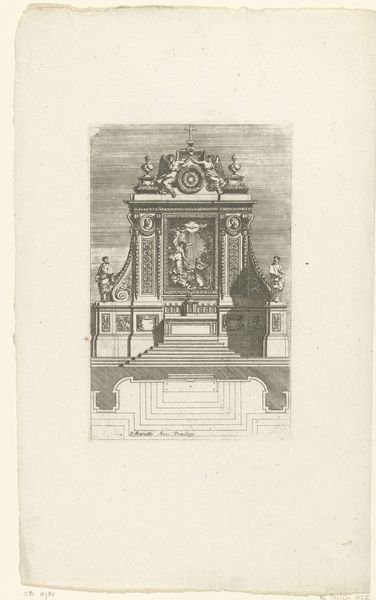
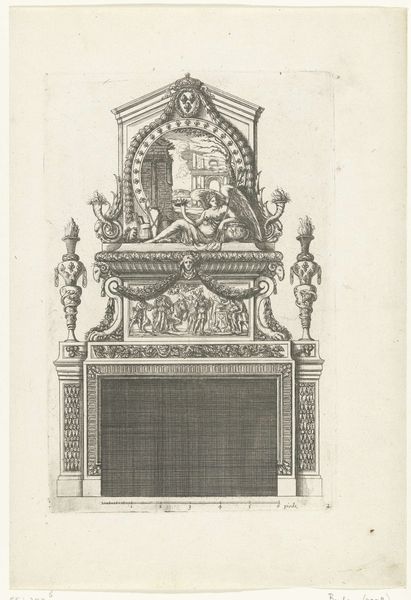
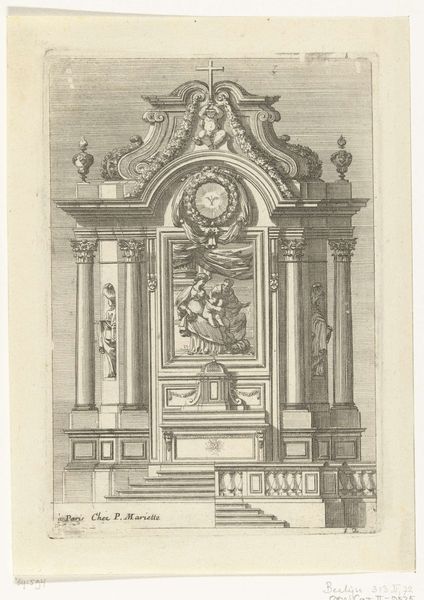
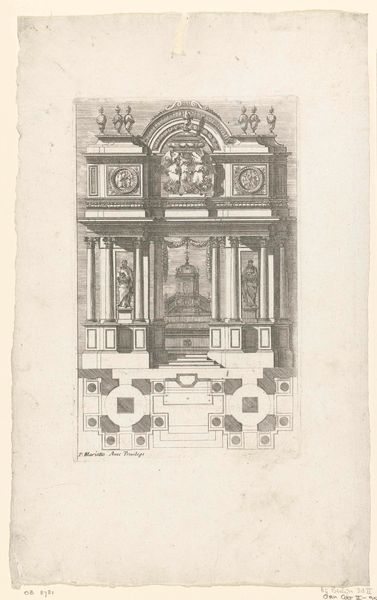
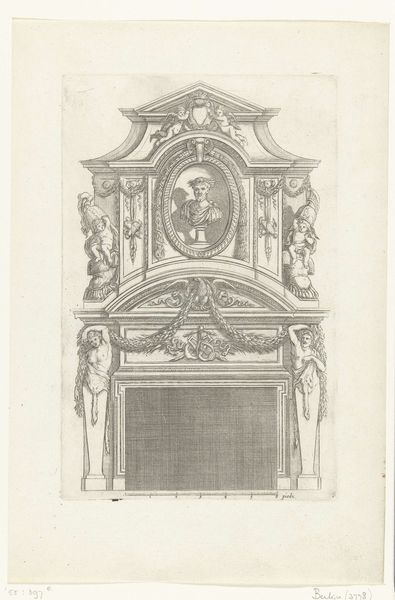
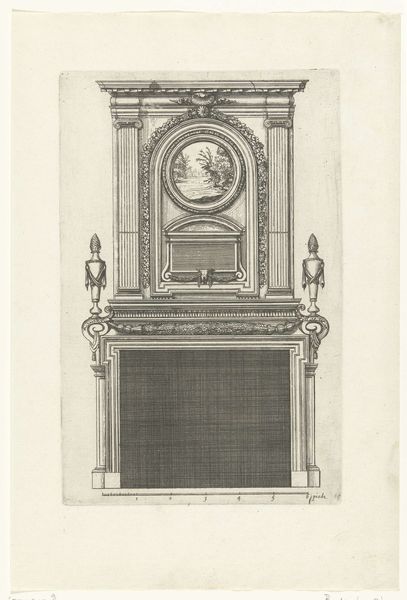
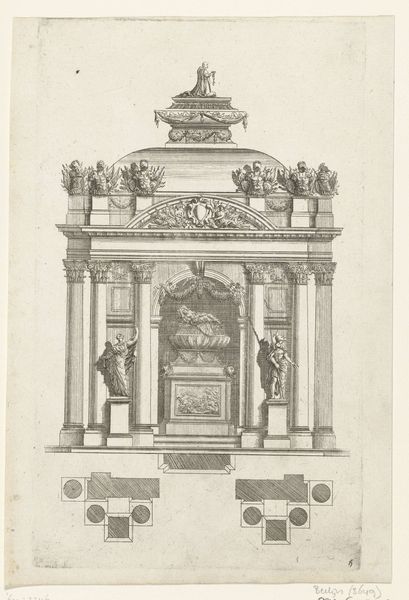
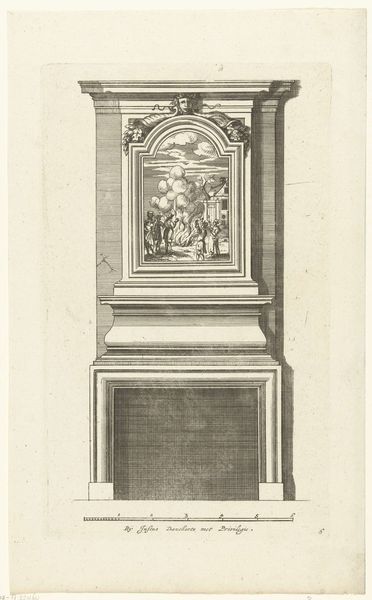
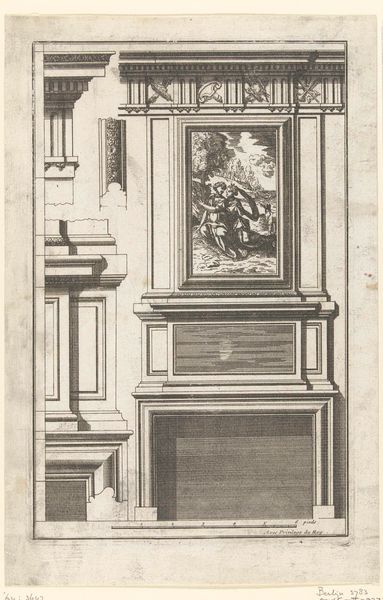
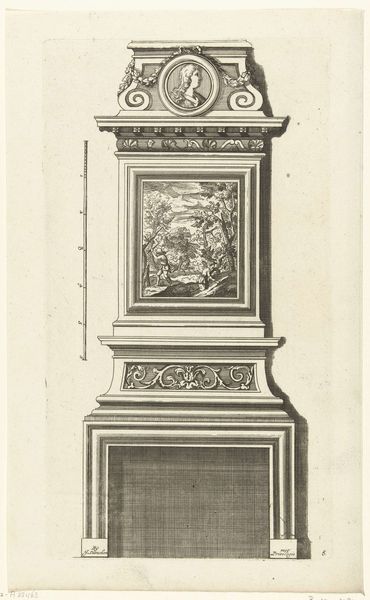
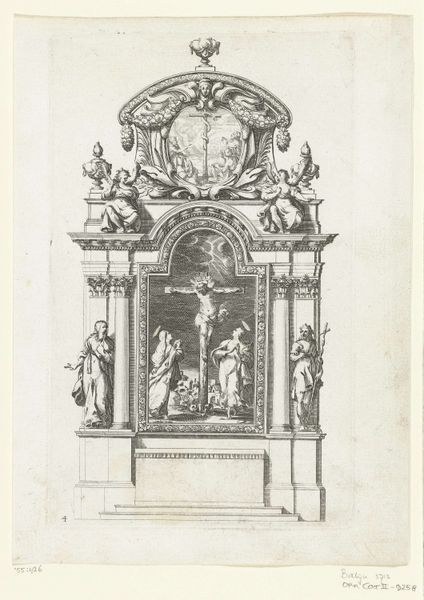
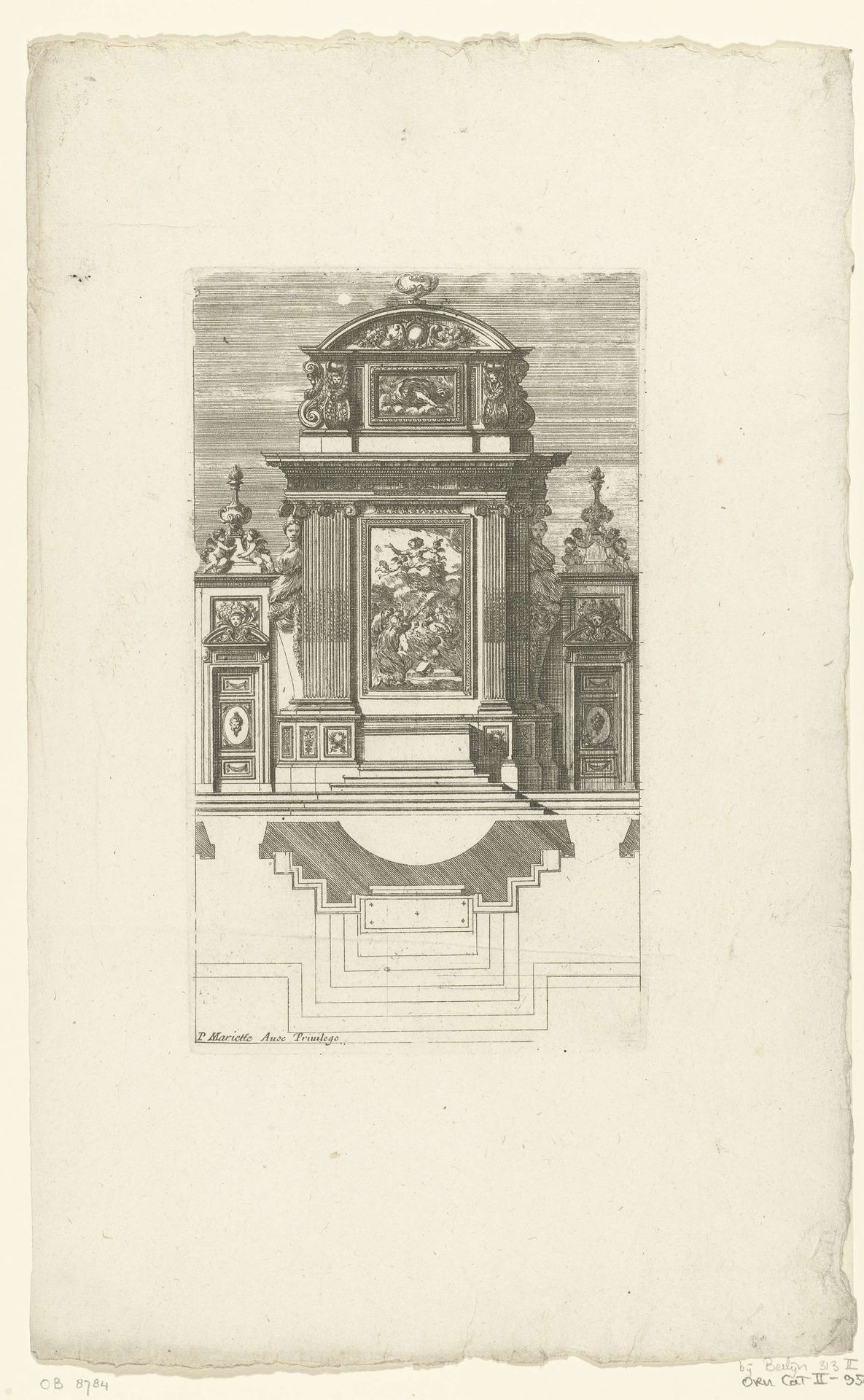
Jean Lepautre created this print of an altar with painting, in France in the 17th century. It’s an etching, a printmaking technique that allows for detailed and precise lines. The image offers a fascinating glimpse into the intersection of art, religion, and power. The altar, a central fixture in Catholic churches, was not just a place of worship but also a stage for displaying wealth and authority. Religious institutions commissioned artists to create elaborate altarpieces and decorations, in the service of theology. Lepautre's print provides a window into the visual codes of the time, which connected religious devotion to secular power. To truly understand this work, we need to delve into the social history of 17th-century France, examining the role of the Catholic Church, the patronage system, and the artistic conventions that shaped the production and reception of such images. We must explore the archives.

Artwork details
- Medium
- print, engraving, architecture
- Dimensions
- height 202 mm, width 119 mm
- Location
- Rijksmuseum
- Copyright
- Rijks Museum: Open Domain
Tags
aged paper
toned paper
light pencil work
baroque
pencil sketch
old engraving style
sketch book
form
personal sketchbook
geometric
pen-ink sketch
line
sketchbook drawing
history-painting
sketchbook art
engraving
architecture
Comments
No comments
About this artwork
Jean Lepautre created this print of an altar with painting, in France in the 17th century. It’s an etching, a printmaking technique that allows for detailed and precise lines. The image offers a fascinating glimpse into the intersection of art, religion, and power. The altar, a central fixture in Catholic churches, was not just a place of worship but also a stage for displaying wealth and authority. Religious institutions commissioned artists to create elaborate altarpieces and decorations, in the service of theology. Lepautre's print provides a window into the visual codes of the time, which connected religious devotion to secular power. To truly understand this work, we need to delve into the social history of 17th-century France, examining the role of the Catholic Church, the patronage system, and the artistic conventions that shaped the production and reception of such images. We must explore the archives.
Comments
No comments