About this artwork
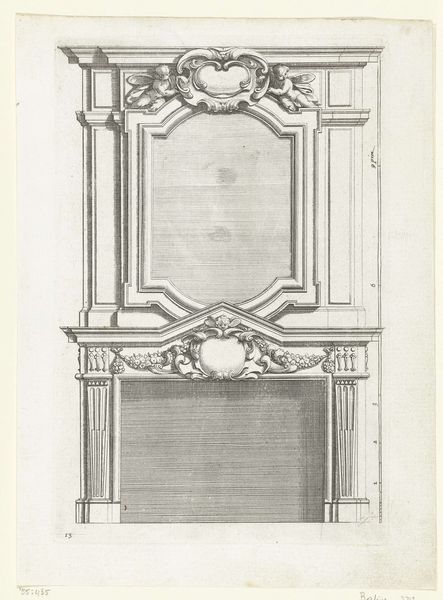
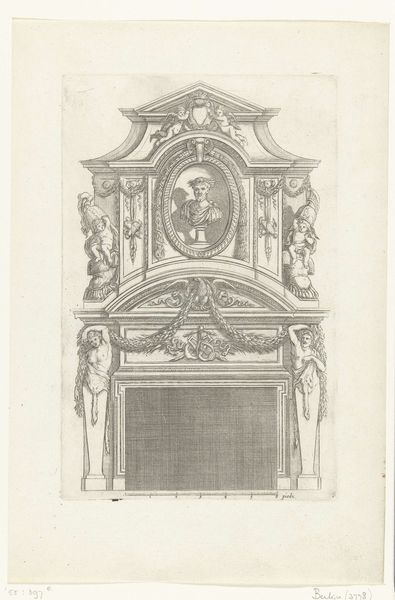
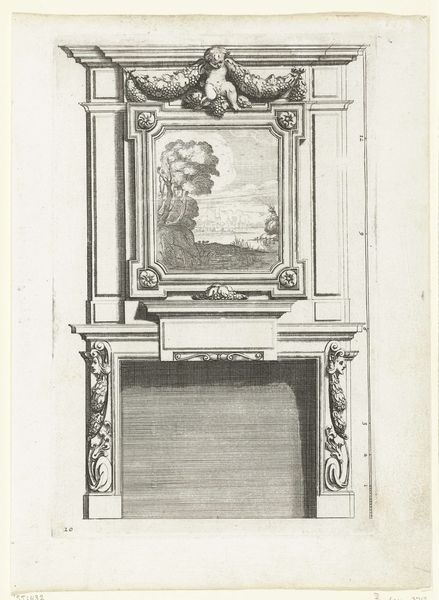
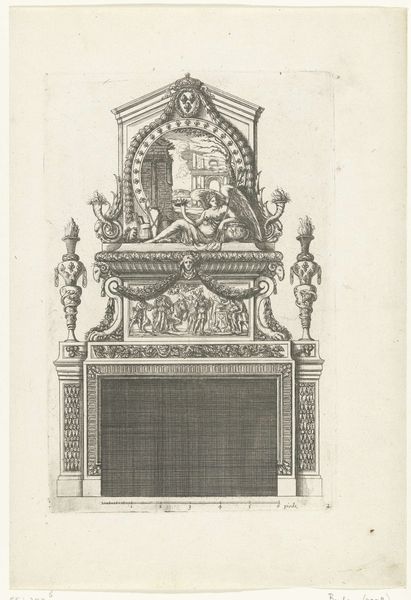
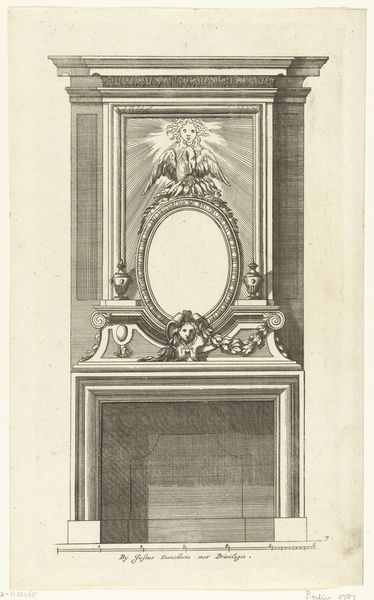
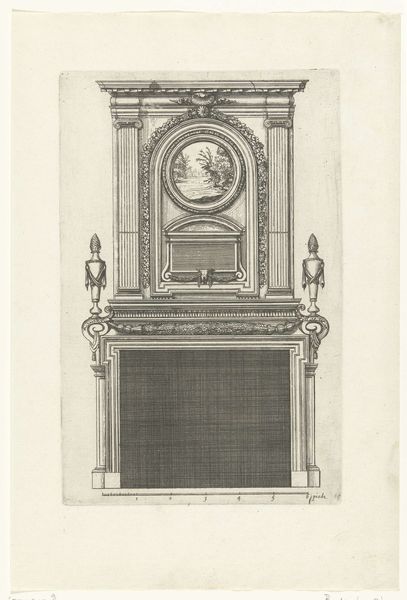
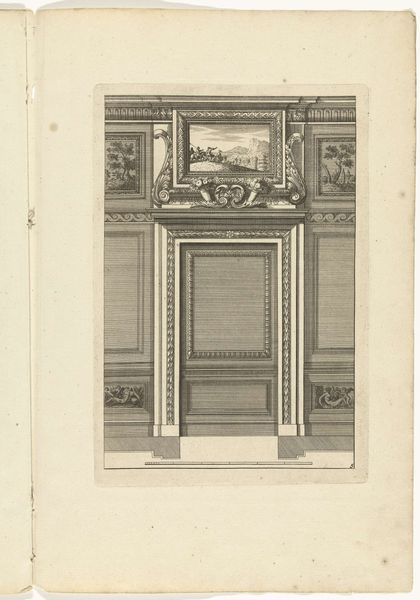
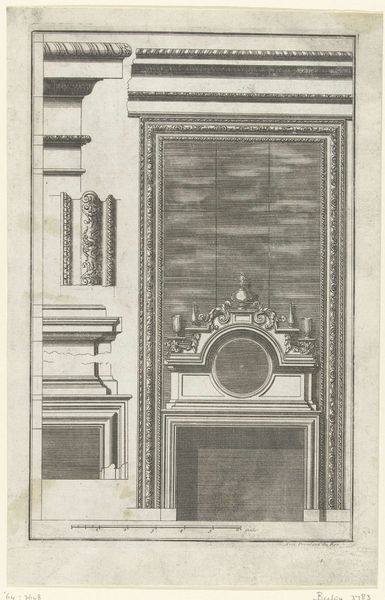
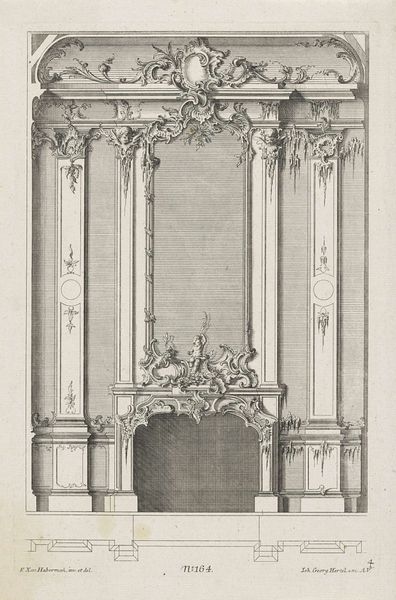
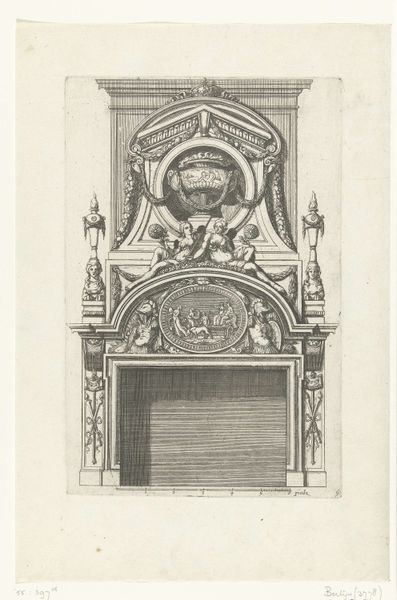
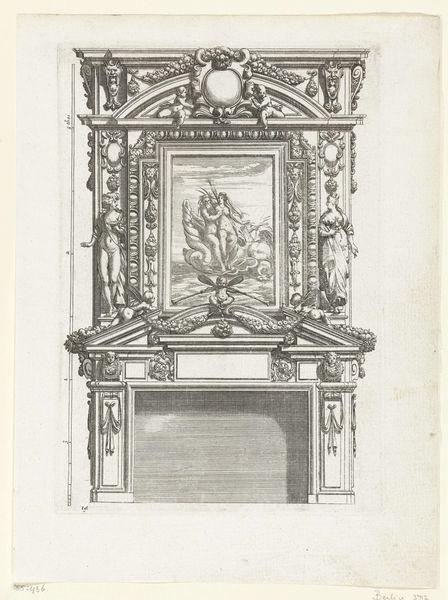
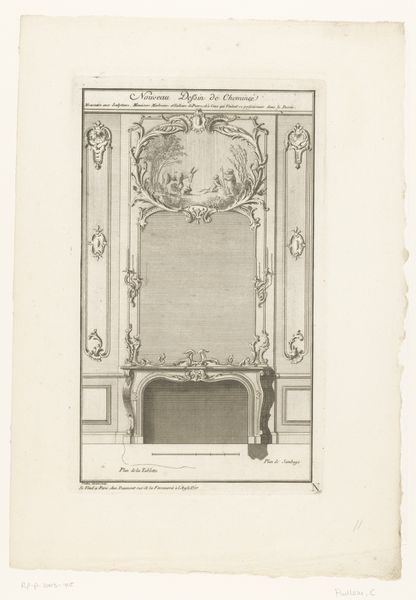
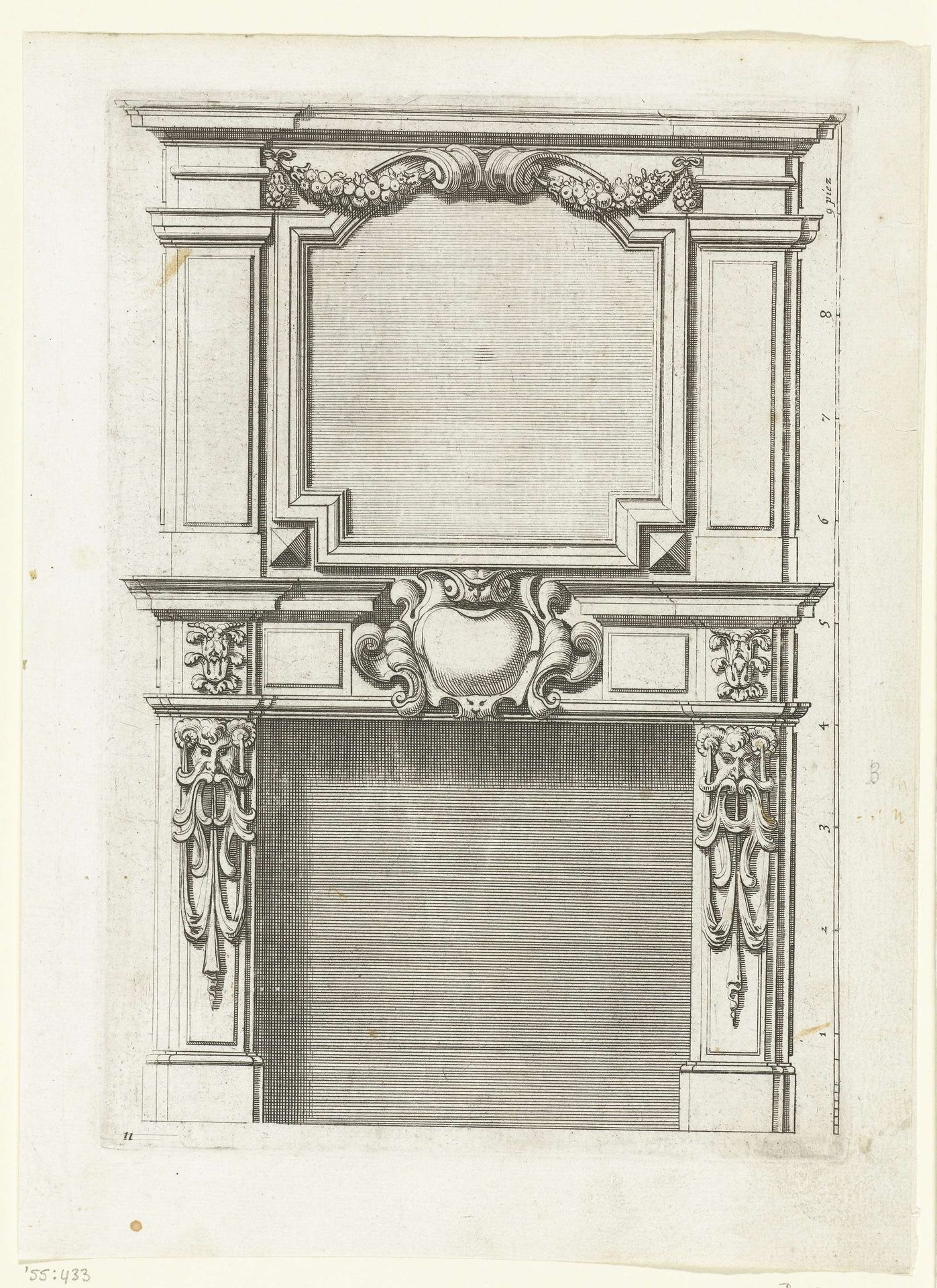
Abraham Bosse created this engraving of a chimneypiece decorated with a mirror at an unknown date. Bosse was a French artist, mainly active as a printmaker, and his engravings offer a fascinating glimpse into the material culture of 17th-century France. This design for a chimneypiece reflects the growing importance of domestic comfort and display in early modern Europe. The incorporation of a mirror above the fireplace not only served a practical function but also symbolized wealth and status. The fireplace itself was a focal point for social gatherings within the household, highlighting the performative aspects of domestic life. To understand this image fully, one might turn to period architectural treatises, inventories of household goods, and social histories of domestic life in 17th-century France. These resources help us interpret the visual codes, cultural references, and historical associations embedded in this intricate design, revealing the social and institutional contexts that shaped its creation and reception.
Onderboezem, schacht gedecoreerd met spiegel before 1643

Abraham Bosse
1602 - 1676Location
RijksmuseumArtwork details
- Medium
- drawing, print, paper, engraving, architecture
- Dimensions
- height 200 mm, width 141 mm
- Location
- Rijksmuseum
- Copyright
- Rijks Museum: Open Domain
Tags
drawing
baroque
paper
form
geometric
line
engraving
architecture
Comments
No comments
About this artwork
Abraham Bosse created this engraving of a chimneypiece decorated with a mirror at an unknown date. Bosse was a French artist, mainly active as a printmaker, and his engravings offer a fascinating glimpse into the material culture of 17th-century France. This design for a chimneypiece reflects the growing importance of domestic comfort and display in early modern Europe. The incorporation of a mirror above the fireplace not only served a practical function but also symbolized wealth and status. The fireplace itself was a focal point for social gatherings within the household, highlighting the performative aspects of domestic life. To understand this image fully, one might turn to period architectural treatises, inventories of household goods, and social histories of domestic life in 17th-century France. These resources help us interpret the visual codes, cultural references, and historical associations embedded in this intricate design, revealing the social and institutional contexts that shaped its creation and reception.
Comments
No comments