About this artwork
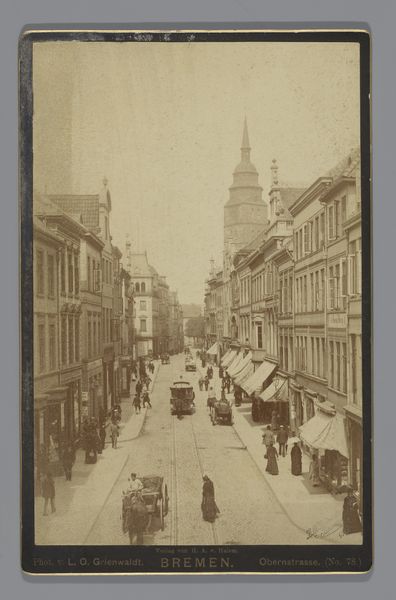
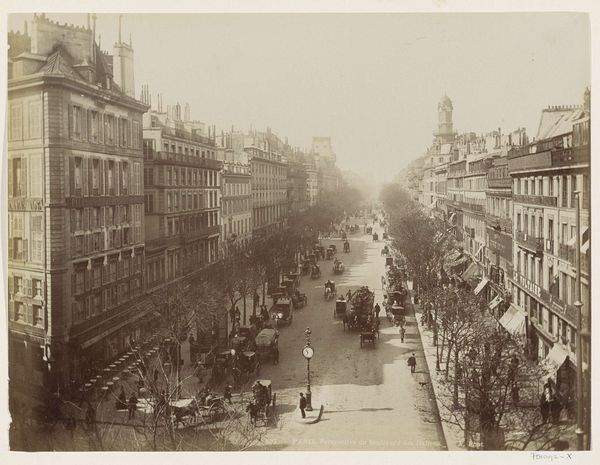
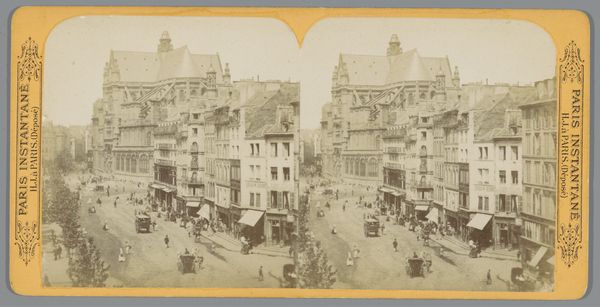
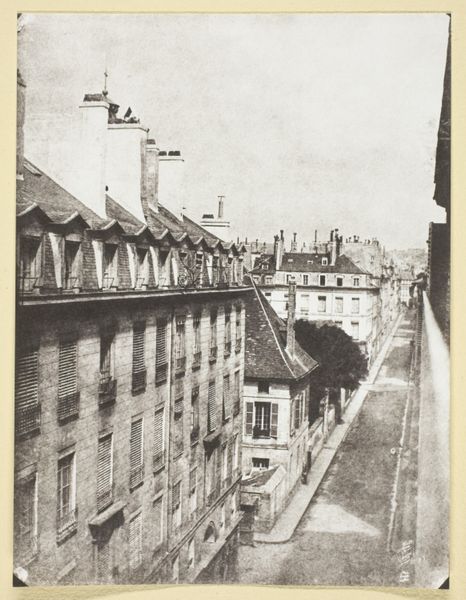
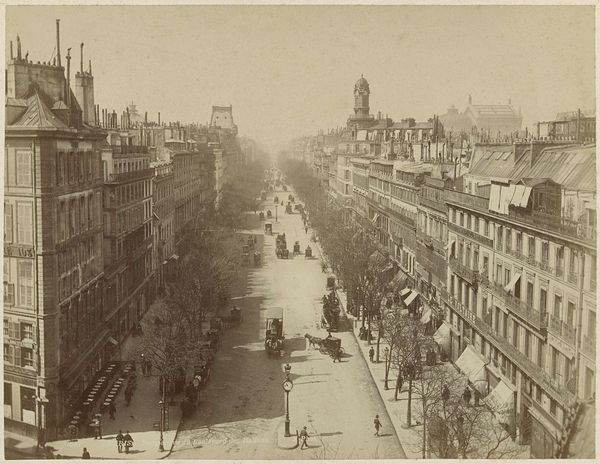
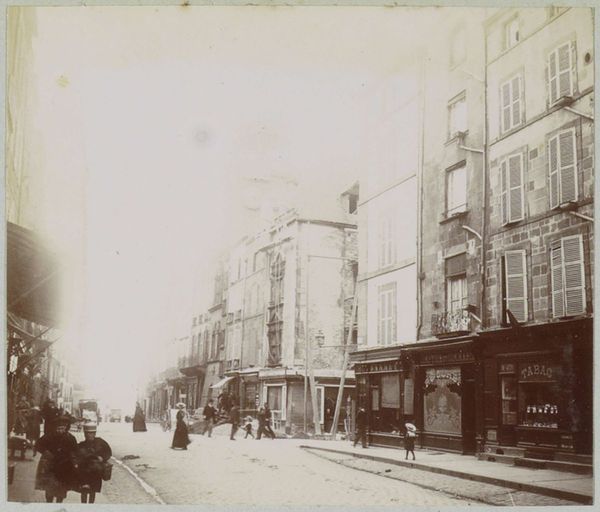
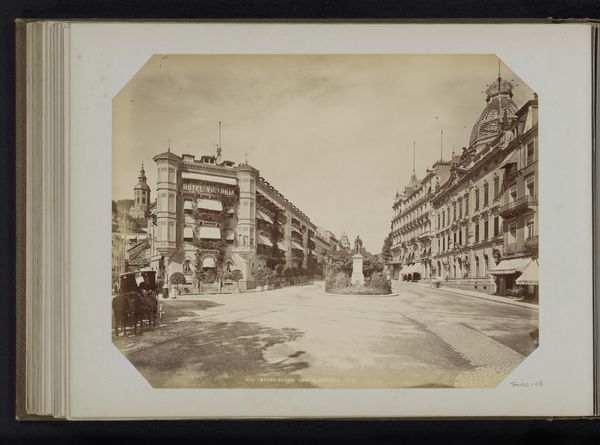
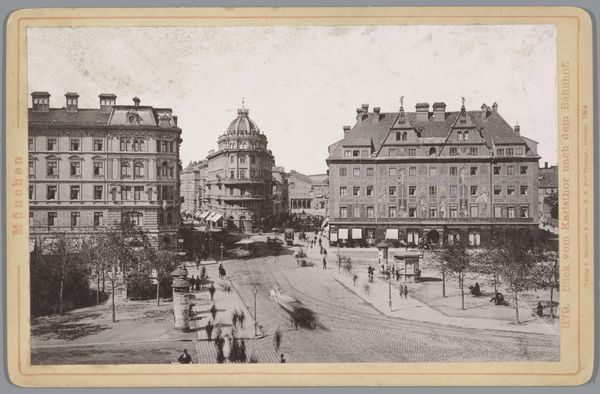
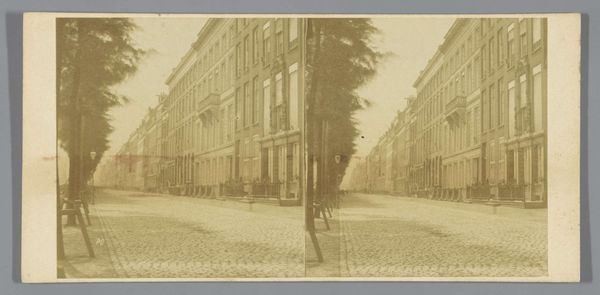
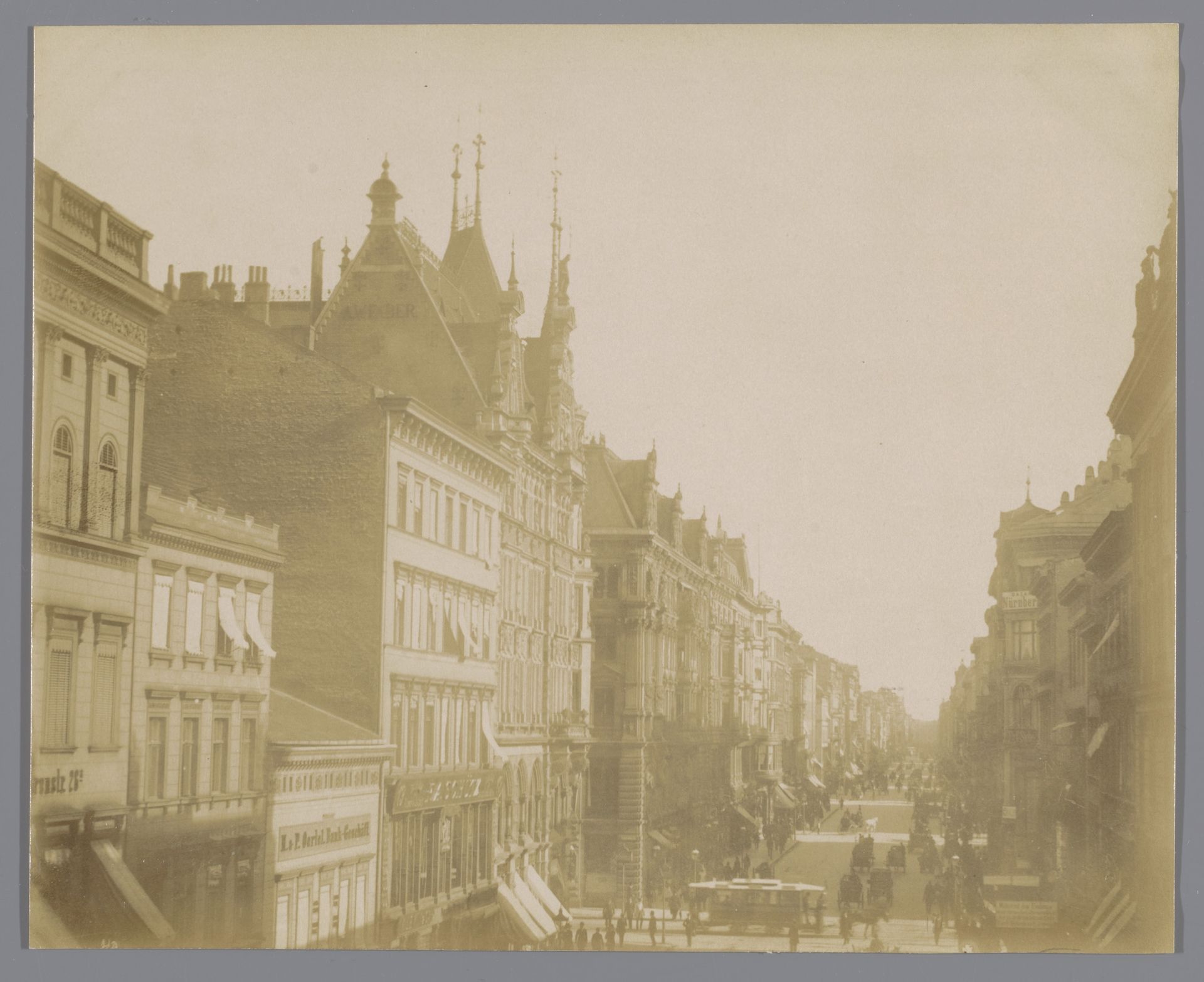
This sepia photograph by Friedrich Albert Schwartz captures a street view in Berlin's Friedrichstrasse. The perspective draws the eye down the long avenue, lined with grand buildings that demonstrate Berlin's rising status as a European capital. Produced in the late 19th century, this image offers insight into the cultural aspirations of the newly unified German Empire. The architecture evokes a sense of order, wealth, and progress, reflecting the era's belief in industrial and urban advancement. The street teems with people and horse-drawn trams, signs of a modern city geared towards economic growth. Photographs such as this, commissioned by city authorities or businesses, acted as promotional tools. They encouraged investment and immigration while projecting an image of imperial power. Understanding the photograph means delving into the urban planning documents and economic data of the time, alongside analyses of German nationalism and cultural history. The image becomes a rich source of information when we examine it in its historical context.
Gezicht in de Friedrichstrasse in Berlijn
1892

Friedrich Albert Schwartz
1836Location
RijksmuseumArtwork details
- Medium
- daguerreotype, photography
- Dimensions
- height 167 mm, width 206 mm
- Location
- Rijksmuseum
- Copyright
- Rijks Museum: Open Domain
Tags
Comments
Share your thoughts
About this artwork
This sepia photograph by Friedrich Albert Schwartz captures a street view in Berlin's Friedrichstrasse. The perspective draws the eye down the long avenue, lined with grand buildings that demonstrate Berlin's rising status as a European capital. Produced in the late 19th century, this image offers insight into the cultural aspirations of the newly unified German Empire. The architecture evokes a sense of order, wealth, and progress, reflecting the era's belief in industrial and urban advancement. The street teems with people and horse-drawn trams, signs of a modern city geared towards economic growth. Photographs such as this, commissioned by city authorities or businesses, acted as promotional tools. They encouraged investment and immigration while projecting an image of imperial power. Understanding the photograph means delving into the urban planning documents and economic data of the time, alongside analyses of German nationalism and cultural history. The image becomes a rich source of information when we examine it in its historical context.
Comments
Share your thoughts