About this artwork
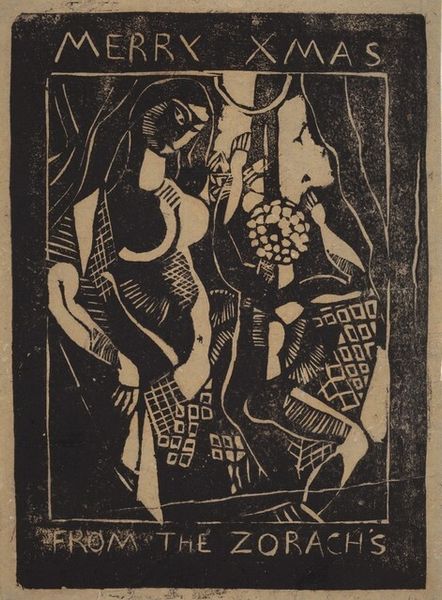
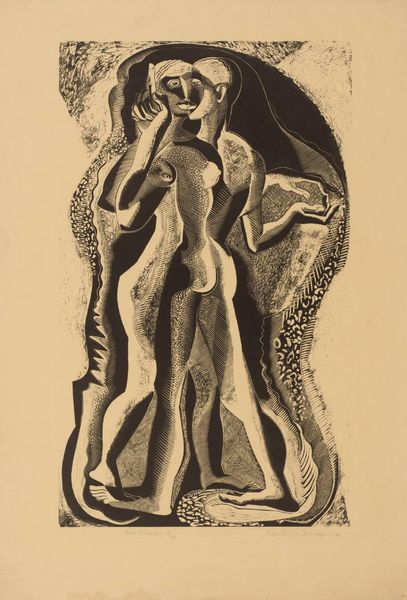
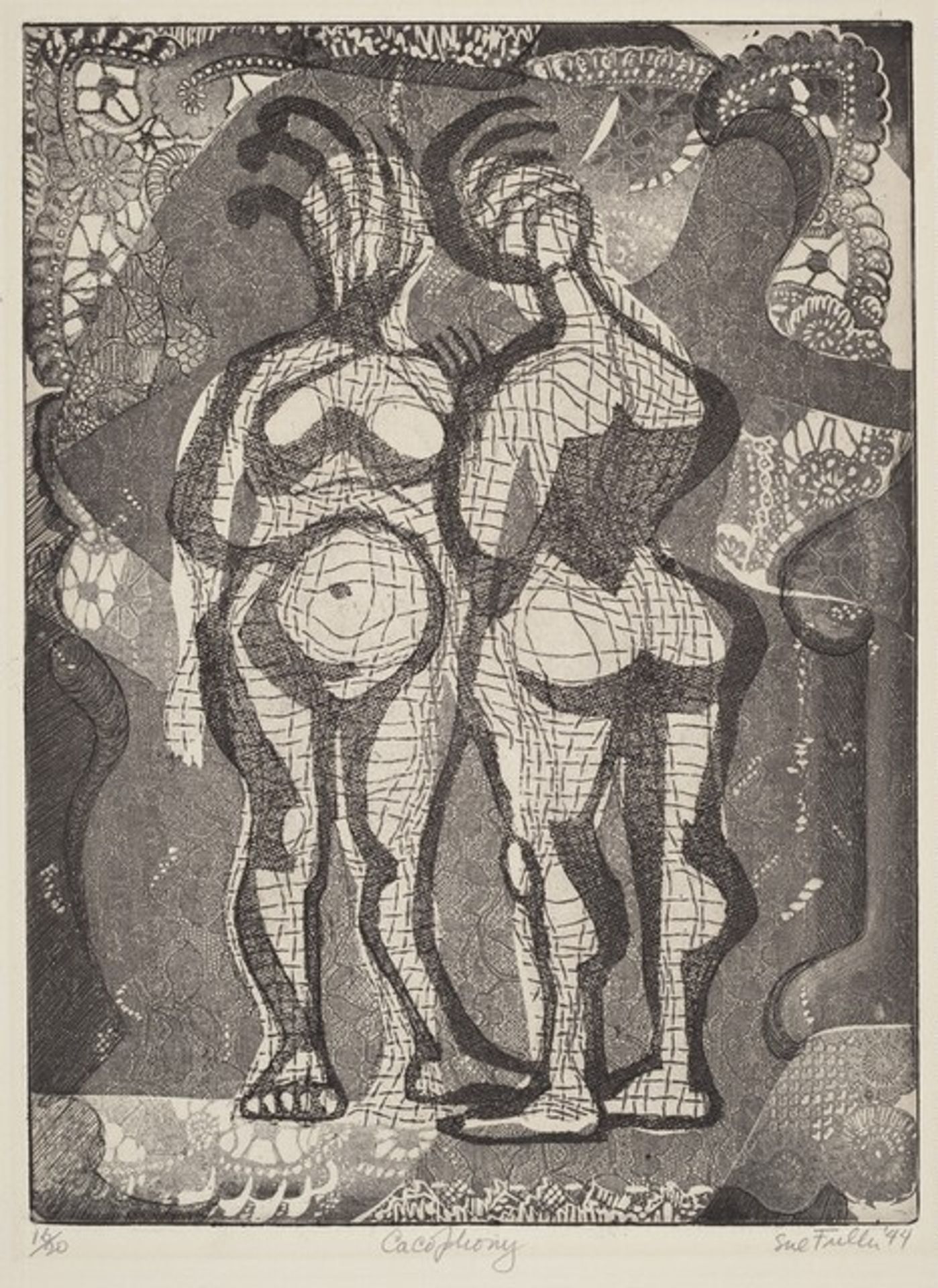
Sue Fuller created "Cacophony" in 1944 using engraving. It presents two figures, possibly women, rendered in a way that challenges traditional representations of the female form. Their bodies are outlined by a grid, which evokes a sense of fragmentation. Fuller made this print during the Second World War when social and cultural norms were being questioned and redefined, especially for women. The grid might reflect the constricting roles women faced or a desire to break free from these limitations. Surrounding the figures is a chaotic background, which echoes the 'cacophony' of the title and could be read as commentary on the disruptive impact of the war on society. By understanding the historical context and studying materials, we gain insight into the artist's intentions. Art becomes a powerful medium for commenting on social structures and reflecting on the complexities of its time.


Artwork details
- Medium
- print, etching
- Dimensions
- Image: 302 x 223 mm Sheet: 390 x 301 mm
- Copyright
- National Gallery of Art: CC0 1.0
Tags
portrait
etching
figuration
abstraction
line
surrealism
modernism
Comments
No comments
About this artwork
Sue Fuller created "Cacophony" in 1944 using engraving. It presents two figures, possibly women, rendered in a way that challenges traditional representations of the female form. Their bodies are outlined by a grid, which evokes a sense of fragmentation. Fuller made this print during the Second World War when social and cultural norms were being questioned and redefined, especially for women. The grid might reflect the constricting roles women faced or a desire to break free from these limitations. Surrounding the figures is a chaotic background, which echoes the 'cacophony' of the title and could be read as commentary on the disruptive impact of the war on society. By understanding the historical context and studying materials, we gain insight into the artist's intentions. Art becomes a powerful medium for commenting on social structures and reflecting on the complexities of its time.
Comments
No comments