About this artwork
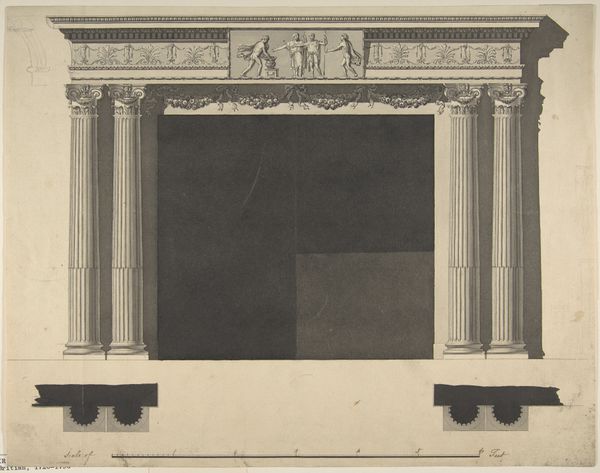
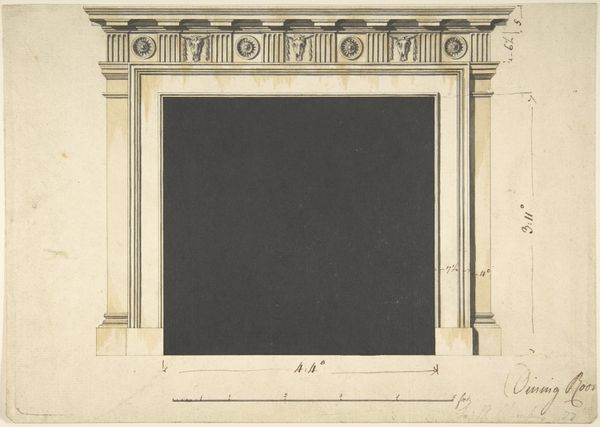
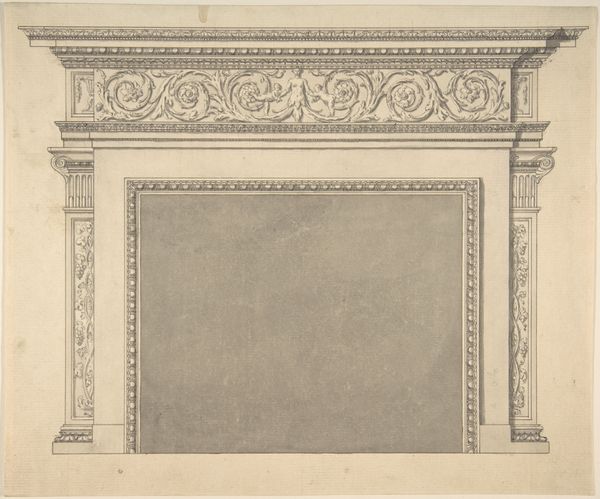
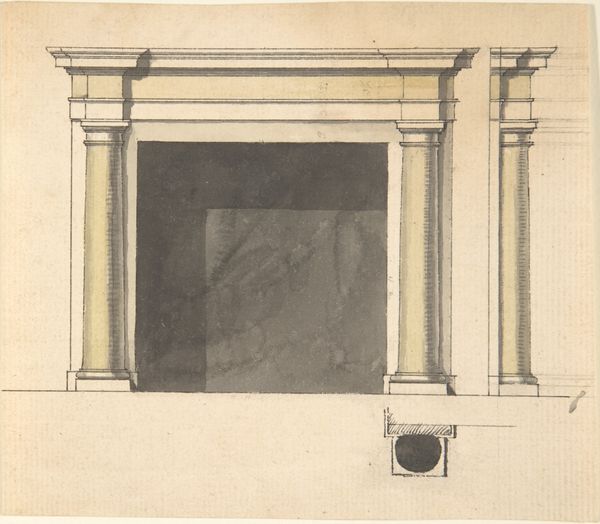
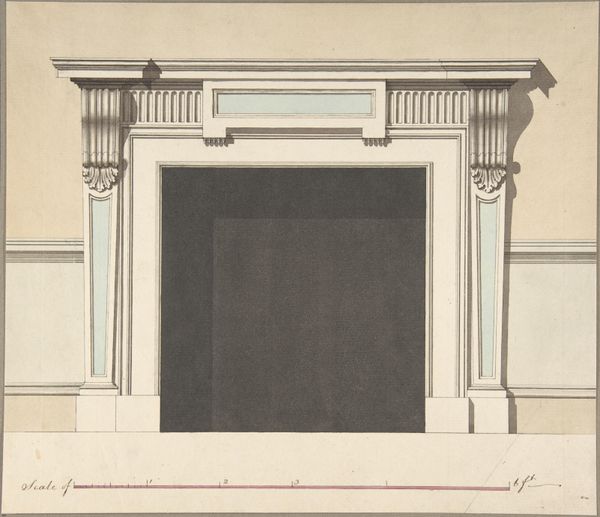
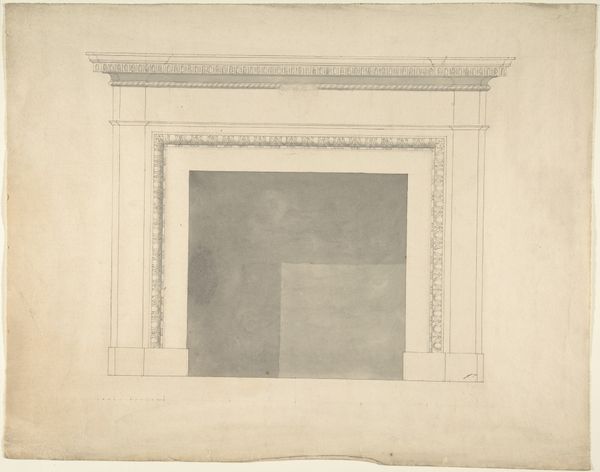
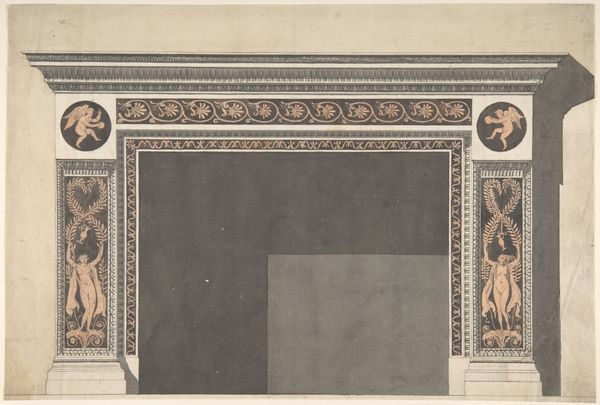
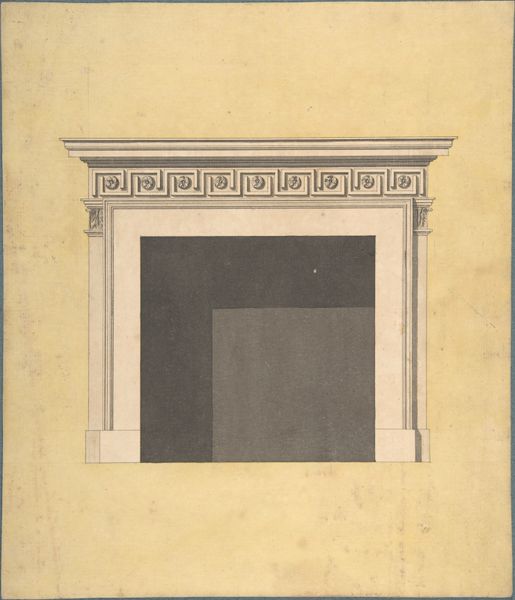
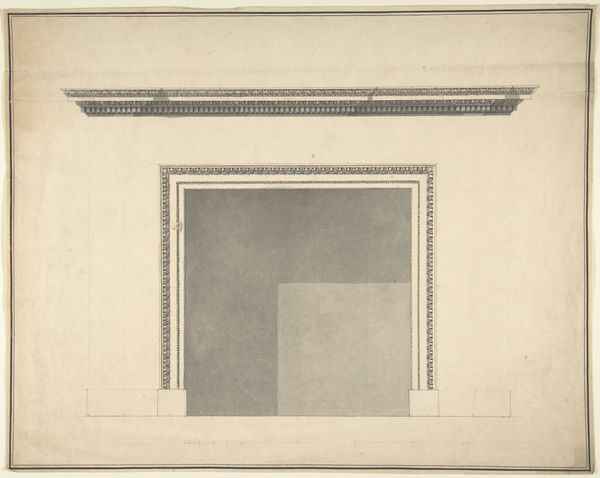
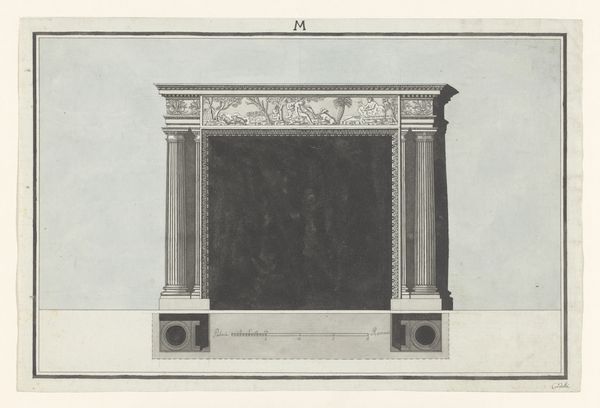
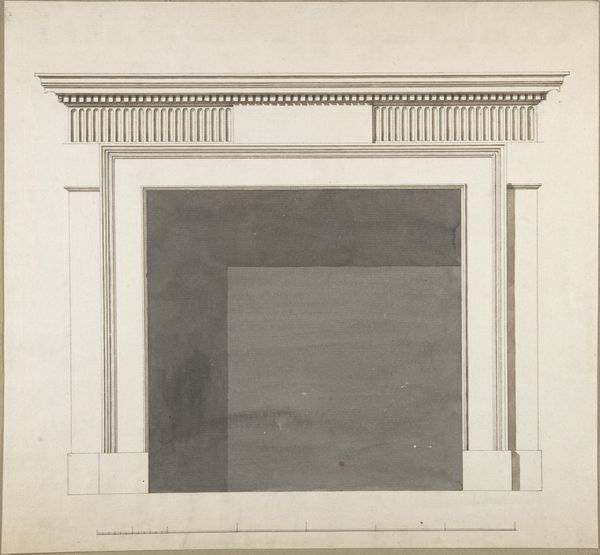
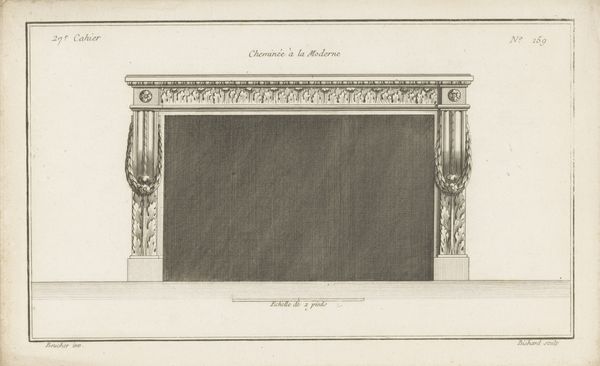
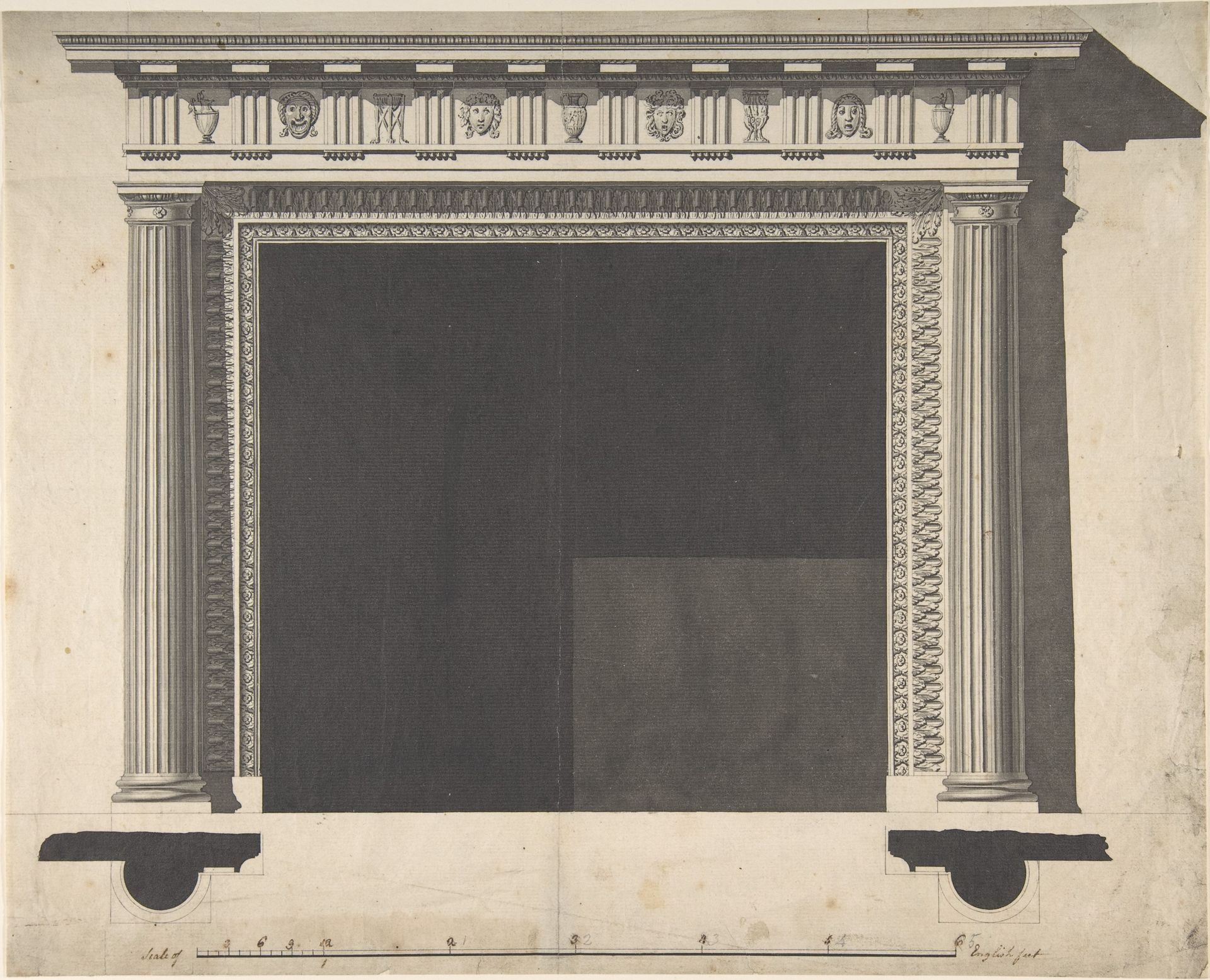
Here's a Design for a Chimney-piece, made on paper by Sir William Chambers. Chambers trained as an architect, learning the traditions of classical design, before putting pen to paper to create this drawing. The marks made on the page create this very formal design, which is all about proportion and balance, and the way the light would play across its surface. Look closely and you'll notice the classical columns and friezes adorned with masks, all rendered with precision and attention to detail. This drawing would have required considerable skill and knowledge of architectural principles. The finished chimneypiece in marble or stone would have required even more work, with teams of skilled masons involved in the carving and construction process. This drawing provides a glimpse into the world of 18th-century architecture, where design was a collaborative process involving architects, craftsmen, and patrons, all contributing to the creation of elegant and refined spaces. It challenges the notion of the architect as a solitary genius, emphasizing the importance of skilled labor in the realization of architectural visions.
Design for a Chimney-piece, for the Saloon, Milton Park, Northamptonshire
1770 - 1776

Sir William Chambers
1723 - 1796
The Metropolitan Museum of Art
Metropolitan Museum of Art, New York, NYArtwork details
- Medium
- drawing, print, engraving, architecture
- Dimensions
- sheet: 11 1/4 x 14 in. (28.5 x 35.5 cm)
- Location
- Metropolitan Museum of Art, New York, NY
- Copyright
- Public Domain
Tags
Comments
Share your thoughts
About this artwork
Here's a Design for a Chimney-piece, made on paper by Sir William Chambers. Chambers trained as an architect, learning the traditions of classical design, before putting pen to paper to create this drawing. The marks made on the page create this very formal design, which is all about proportion and balance, and the way the light would play across its surface. Look closely and you'll notice the classical columns and friezes adorned with masks, all rendered with precision and attention to detail. This drawing would have required considerable skill and knowledge of architectural principles. The finished chimneypiece in marble or stone would have required even more work, with teams of skilled masons involved in the carving and construction process. This drawing provides a glimpse into the world of 18th-century architecture, where design was a collaborative process involving architects, craftsmen, and patrons, all contributing to the creation of elegant and refined spaces. It challenges the notion of the architect as a solitary genius, emphasizing the importance of skilled labor in the realization of architectural visions.
Comments
Share your thoughts