About this artwork
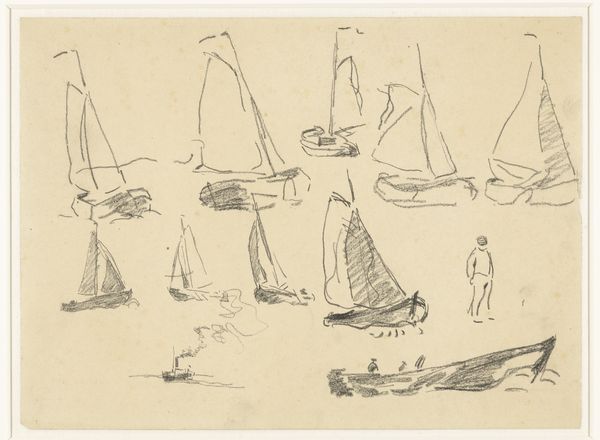
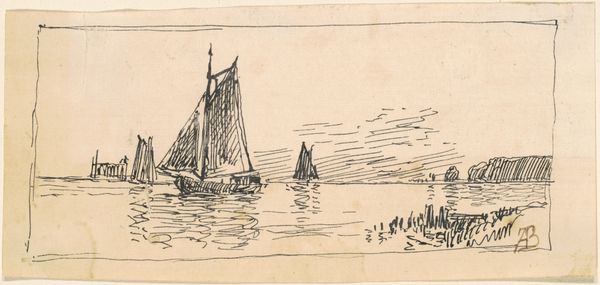
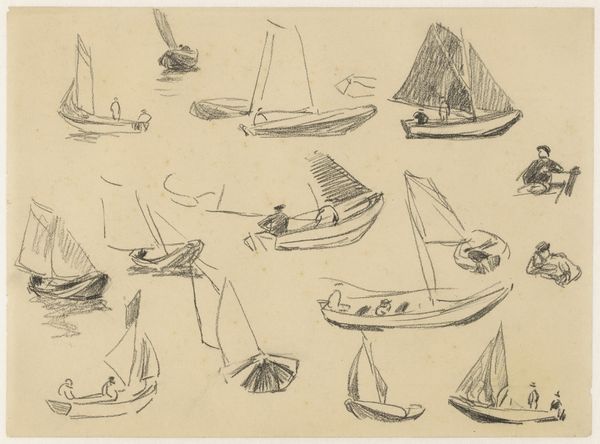
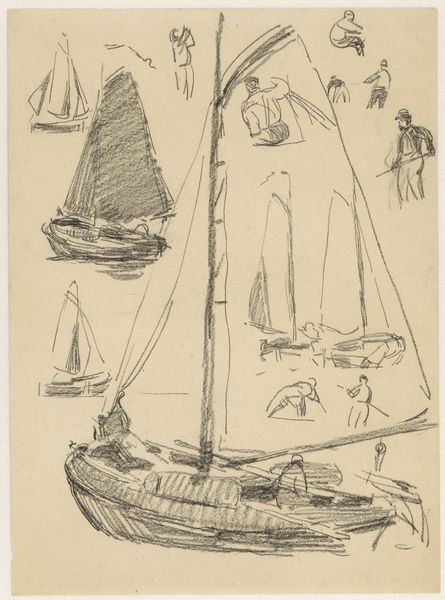
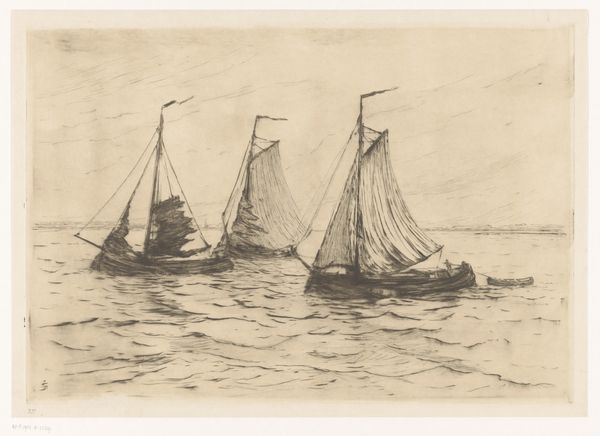
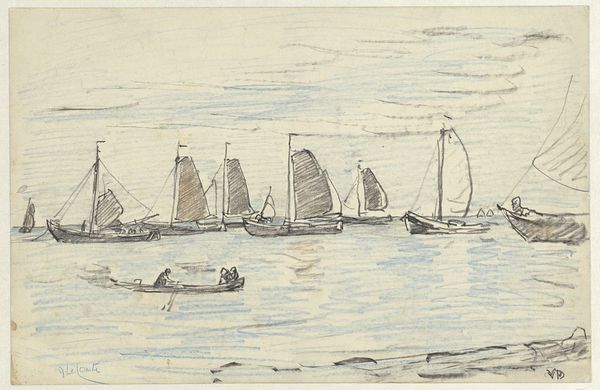
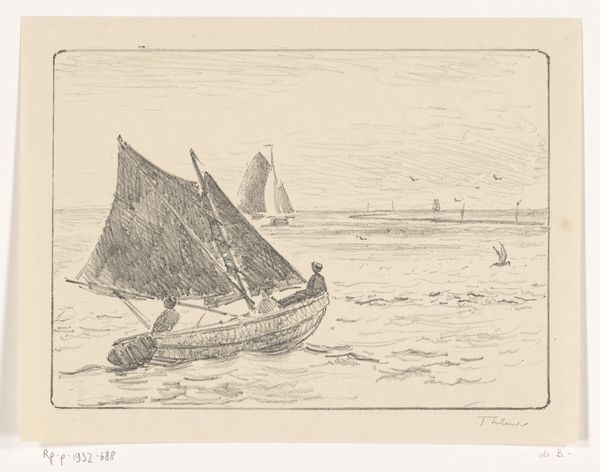
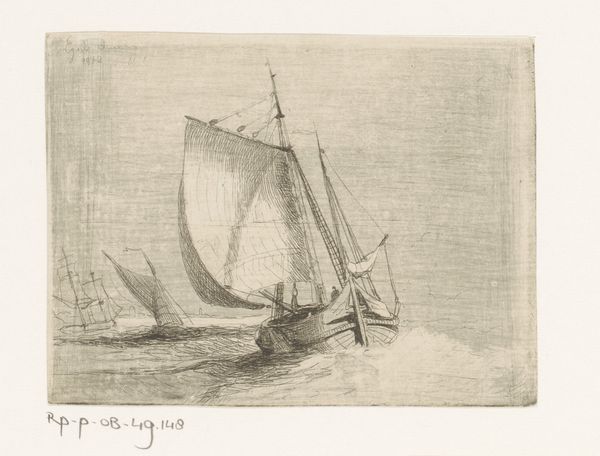
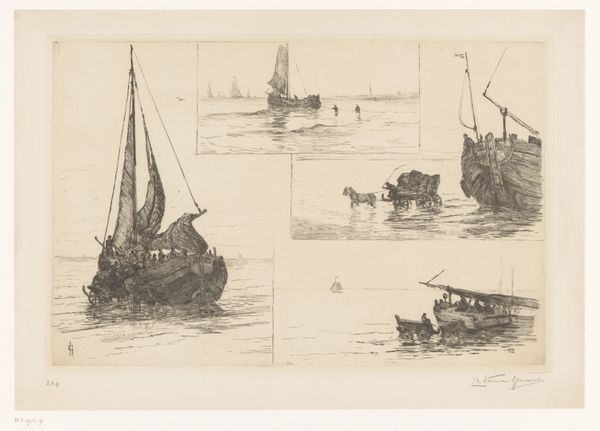
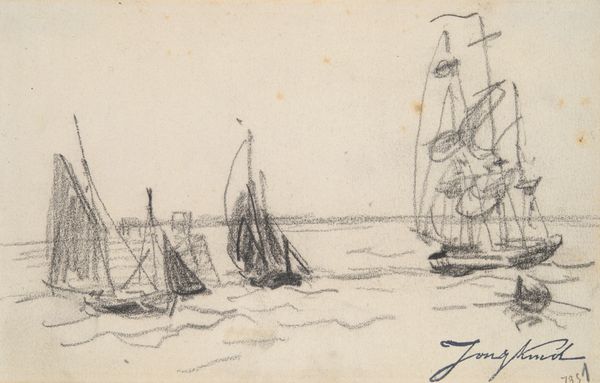
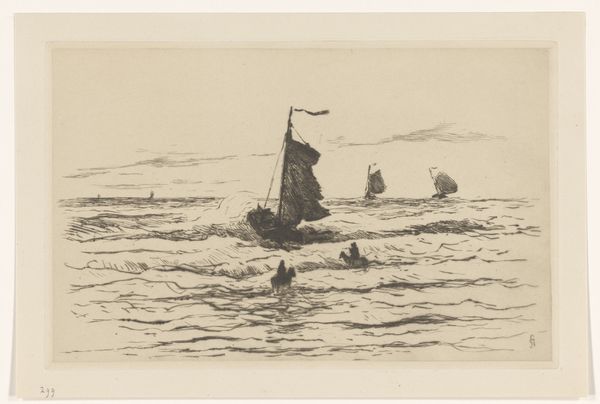
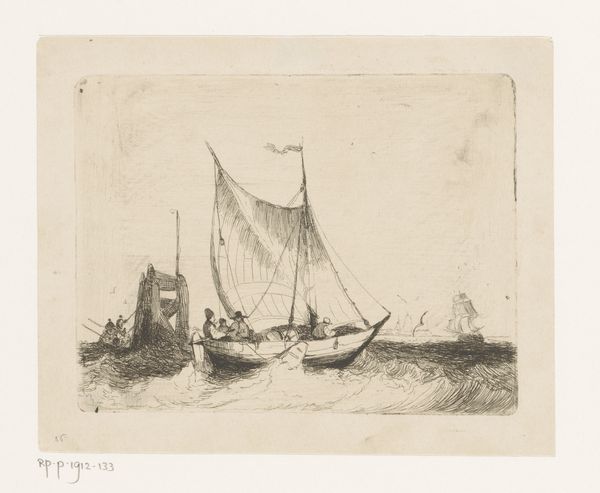
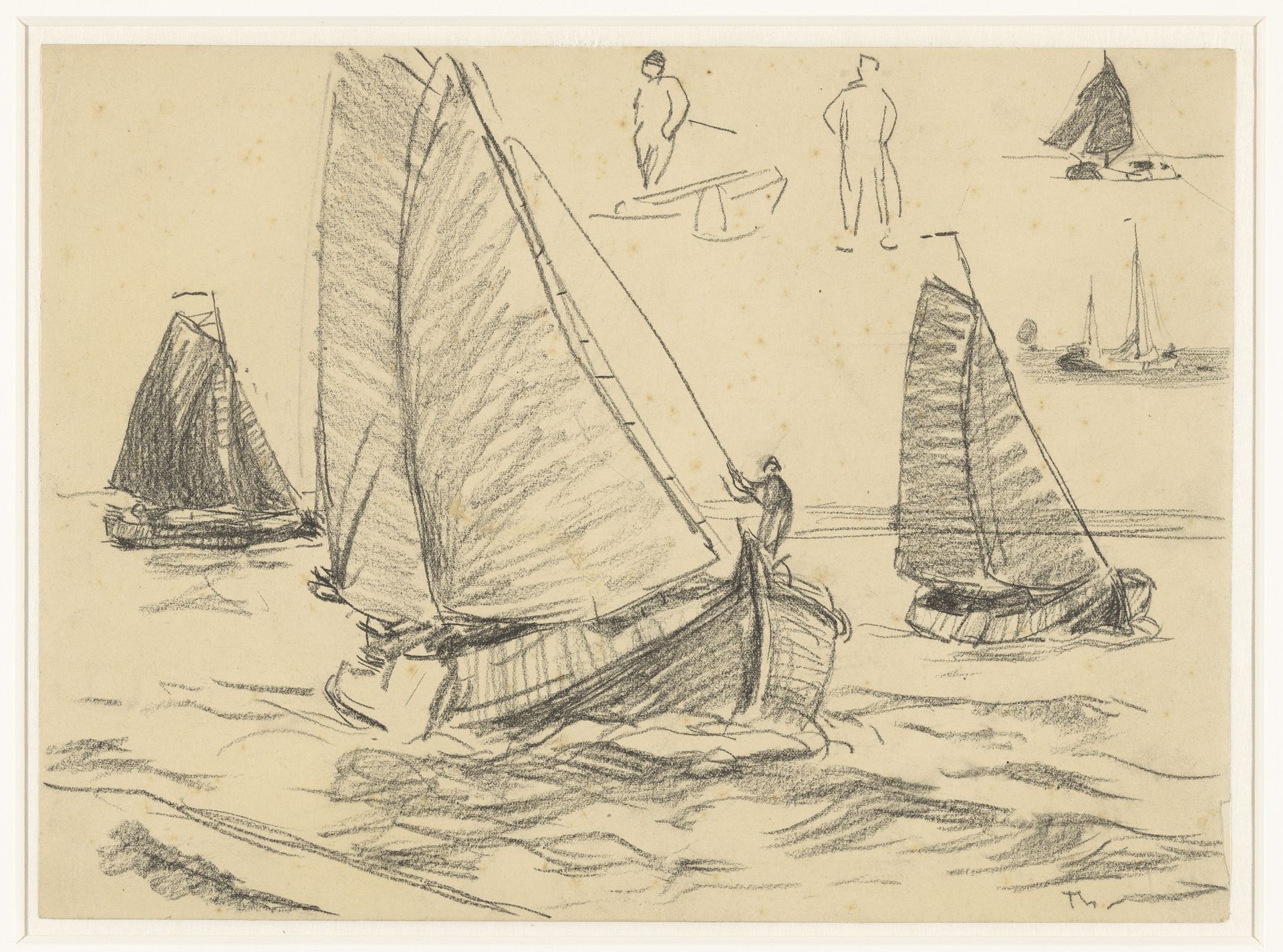
Willem Bastiaan Tholen made this sketch of sailing boats using graphite on paper. Graphite, in its raw form, is a soft, crystalline form of carbon, known for its dark color and ability to leave a mark on surfaces. The artist utilized the intrinsic qualities of the material. The softness allowed for a broad tonal range and the creation of nuanced textures. Notice how the strokes capture the movement of the water, and the dense shading of the sails. The artist expertly manipulates the pressure of the graphite to create depth and atmosphere. The medium of drawing on paper has a long history, but here, it's deployed in the service of capturing a fleeting moment, a scene of labor and leisure intertwined. The boats themselves, "botters," were work vessels but here they’re depicted in a light almost of recreation. The relative ease of the medium, compared to painting, allowed Tholen to quickly capture the scene, blurring the lines between work and art.
Zeilende Botters, met rechts boven enkele schetsen
1870 - 1931

Willem Bastiaan Tholen
1860 - 1931Location
RijksmuseumArtwork details
- Dimensions
- height 225 mm, width 308 mm
- Location
- Rijksmuseum
- Copyright
- Rijks Museum: Open Domain
Comments
Share your thoughts
About this artwork
Willem Bastiaan Tholen made this sketch of sailing boats using graphite on paper. Graphite, in its raw form, is a soft, crystalline form of carbon, known for its dark color and ability to leave a mark on surfaces. The artist utilized the intrinsic qualities of the material. The softness allowed for a broad tonal range and the creation of nuanced textures. Notice how the strokes capture the movement of the water, and the dense shading of the sails. The artist expertly manipulates the pressure of the graphite to create depth and atmosphere. The medium of drawing on paper has a long history, but here, it's deployed in the service of capturing a fleeting moment, a scene of labor and leisure intertwined. The boats themselves, "botters," were work vessels but here they’re depicted in a light almost of recreation. The relative ease of the medium, compared to painting, allowed Tholen to quickly capture the scene, blurring the lines between work and art.
Comments
Share your thoughts