1465
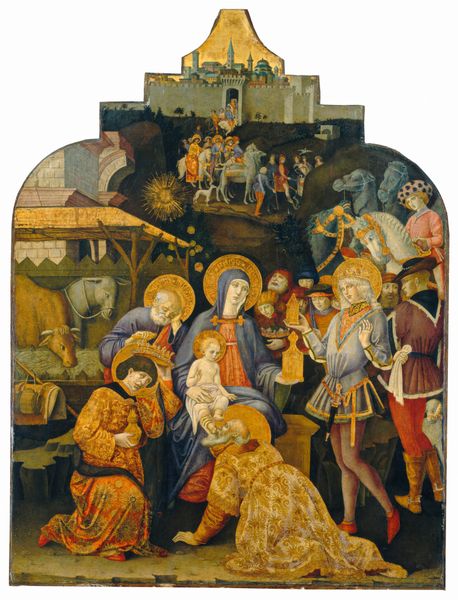
The Adoration of the Infant Jesus


Listen to curator's interpretation
Curatorial notes
Filippo Lippi painted The Adoration of the Infant Jesus in Florence during the Early Renaissance, a period where humanist values began to subtly challenge religious dogma. The painting depicts a tender scene as the Virgin Mary and other figures adore baby Jesus. Yet, it subtly reflects the changing role of women in society. Mary is not just a symbol of motherhood, but an individual with a gentle, but clear presence. Lippi seemed to anticipate a shift in the representation of women, portraying them with nuanced emotions and a sense of interiority that departs from purely symbolic portrayals. Notice too the naturalistic setting, the delicate rendering of the landscape. Lippi integrates the divine with the earthly, reflecting a growing interest in the human experience that characterizes Renaissance art. The painting invites us to consider the complex interplay between religious devotion and the emerging values of humanism.