About this artwork
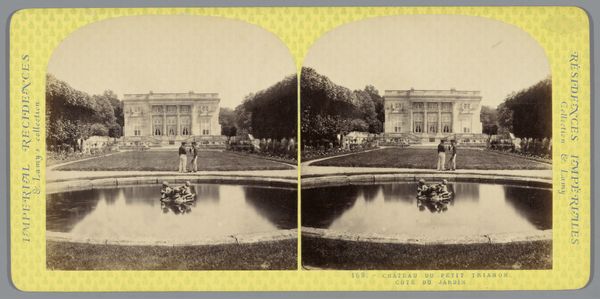
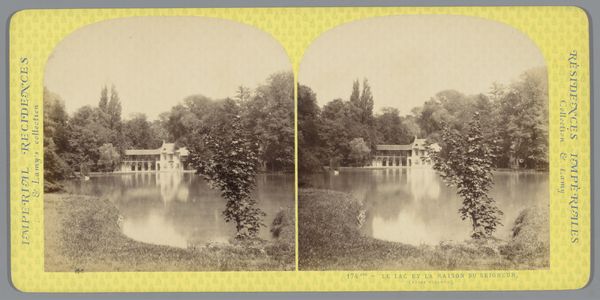
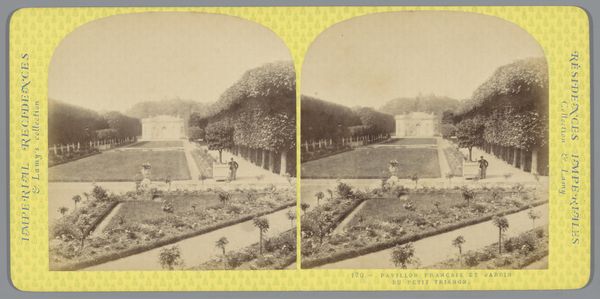
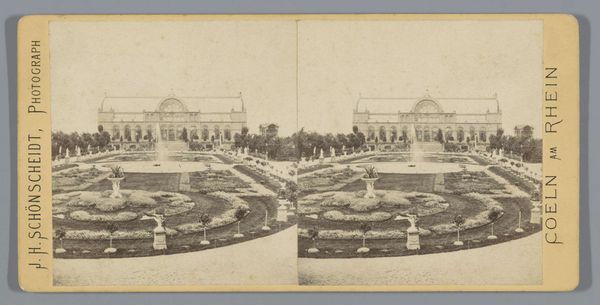
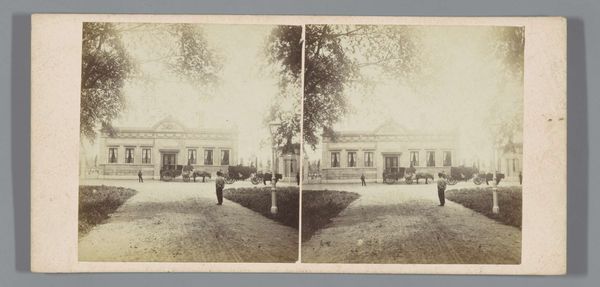
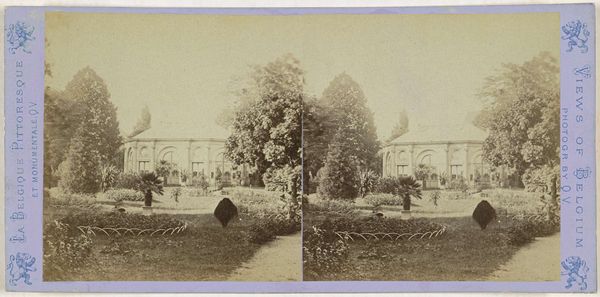
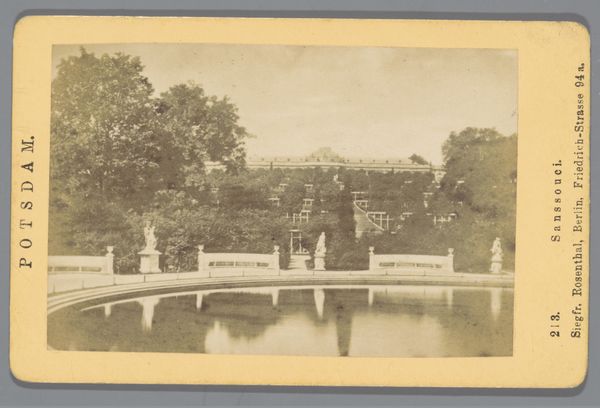
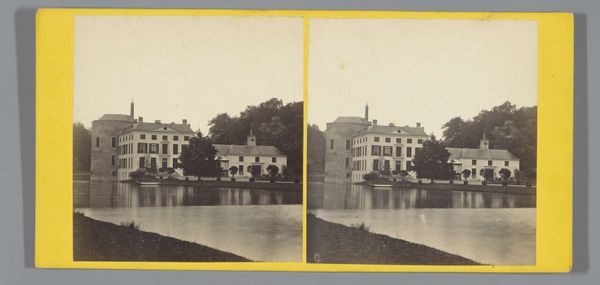
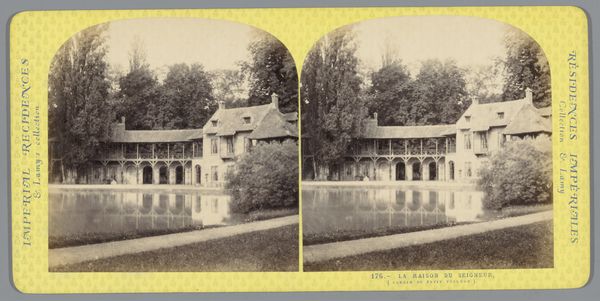
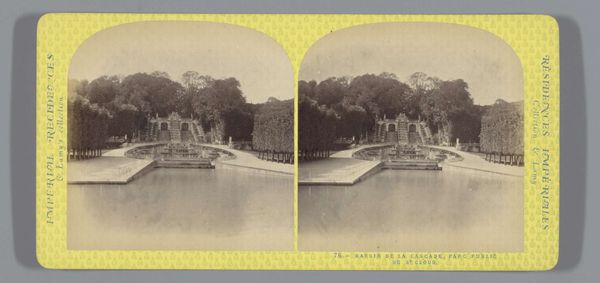
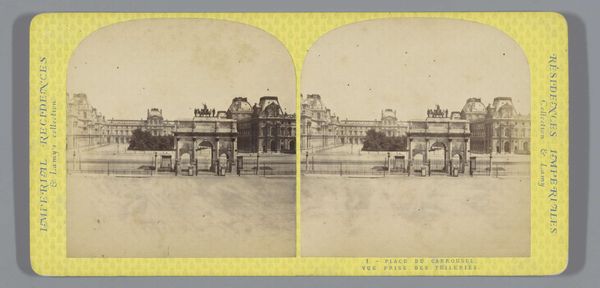
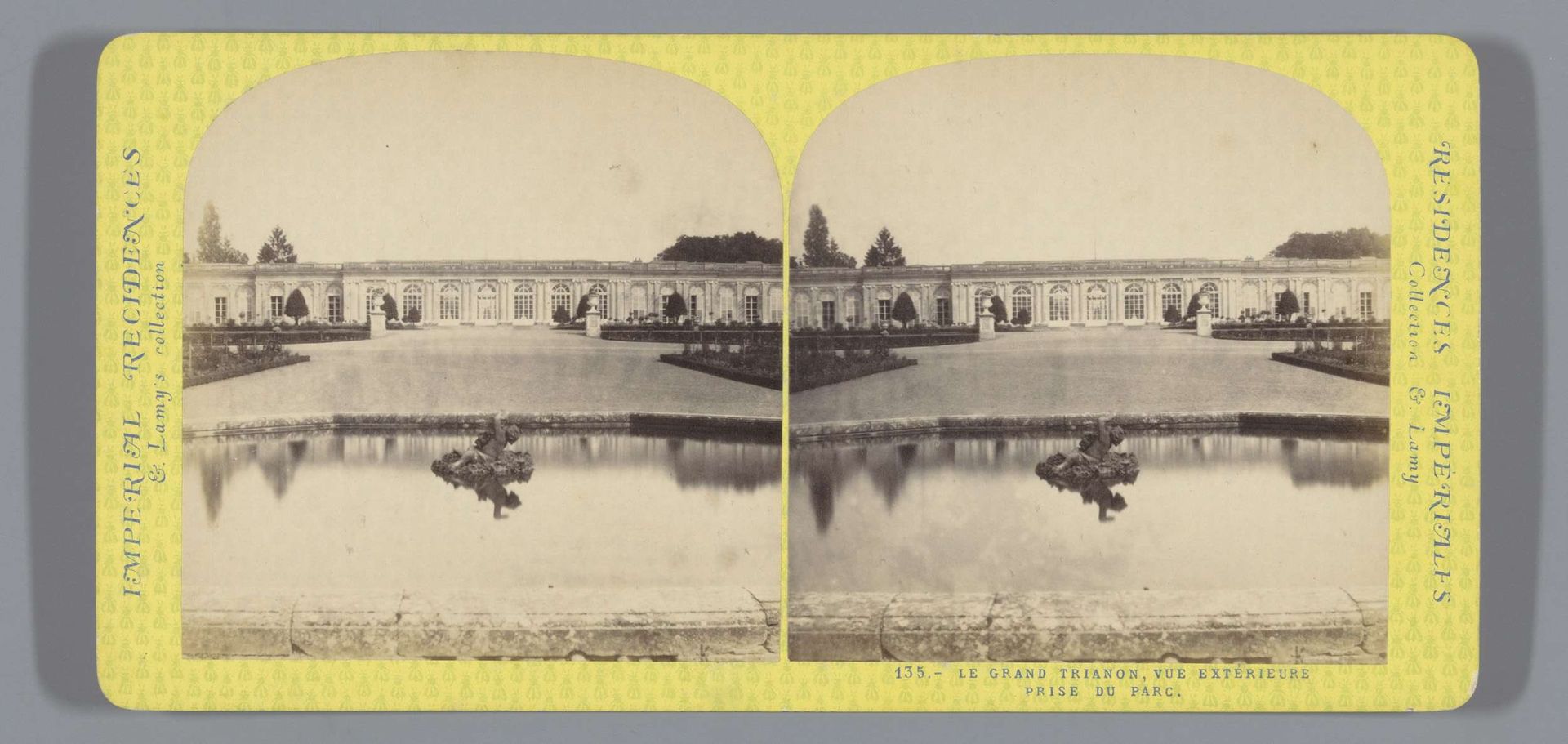
Ernest Eléonor Pierre Lamy created this stereoscopic photograph of the Grand Trianon in the gardens of Versailles. It gives us a glimpse into the culture of leisure and power in France, during a period of immense social change. Stereoscopic images like this were popular in the mid-19th century, offering a sense of depth and realism to viewers. The Grand Trianon, built by Louis XIV, symbolizes royal authority and the control over nature that Versailles embodied. The image is not just a record, but a carefully constructed view, emphasizing the palace's symmetry and grandeur, and the perfectly manicured gardens. The rise of photography coincided with increasing social and political upheaval in France. The Second Empire, under Napoleon III, sought to legitimize its rule through displays of imperial splendor and references to the past. Historical research, architectural studies, and popular entertainments like stereo cards, were tools used to shape public opinion. As historians, we can analyze this photograph by looking at its formal composition, its historical context, and its place within the broader visual culture of the time. Through this research, we can understand how art reflects and reinforces the structures of power in a society.
Gezicht op het Grand Trianon in de tuin van Versailles
c. 1860 - 1880

Artwork details
- Dimensions
- height 85 mm, width 170 mm
- Copyright
- Rijks Museum: Open Domain
Comments
Share your thoughts
About this artwork
Ernest Eléonor Pierre Lamy created this stereoscopic photograph of the Grand Trianon in the gardens of Versailles. It gives us a glimpse into the culture of leisure and power in France, during a period of immense social change. Stereoscopic images like this were popular in the mid-19th century, offering a sense of depth and realism to viewers. The Grand Trianon, built by Louis XIV, symbolizes royal authority and the control over nature that Versailles embodied. The image is not just a record, but a carefully constructed view, emphasizing the palace's symmetry and grandeur, and the perfectly manicured gardens. The rise of photography coincided with increasing social and political upheaval in France. The Second Empire, under Napoleon III, sought to legitimize its rule through displays of imperial splendor and references to the past. Historical research, architectural studies, and popular entertainments like stereo cards, were tools used to shape public opinion. As historians, we can analyze this photograph by looking at its formal composition, its historical context, and its place within the broader visual culture of the time. Through this research, we can understand how art reflects and reinforces the structures of power in a society.
Comments
Share your thoughts