About this artwork
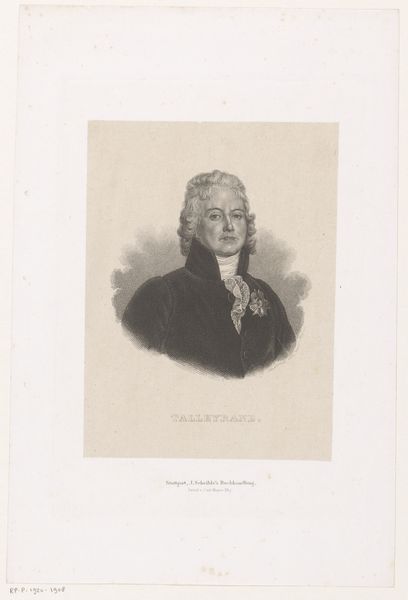
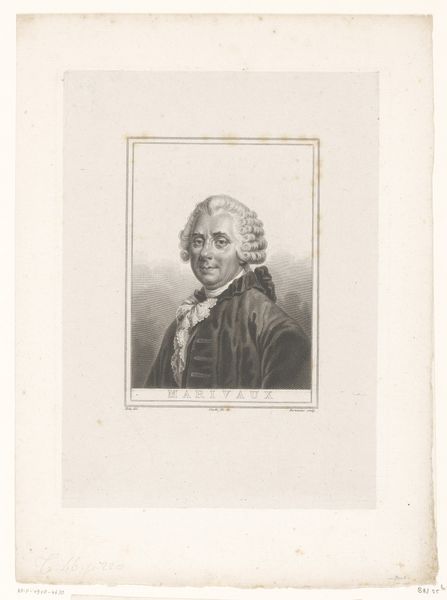
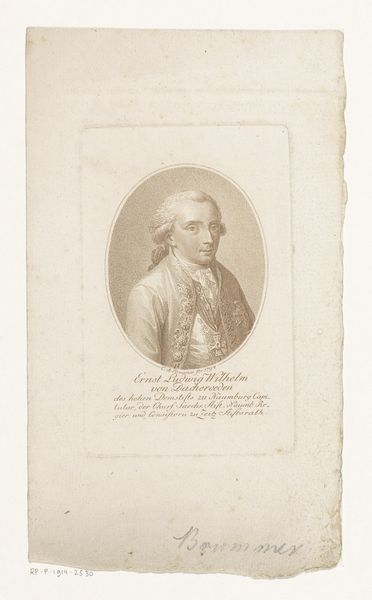
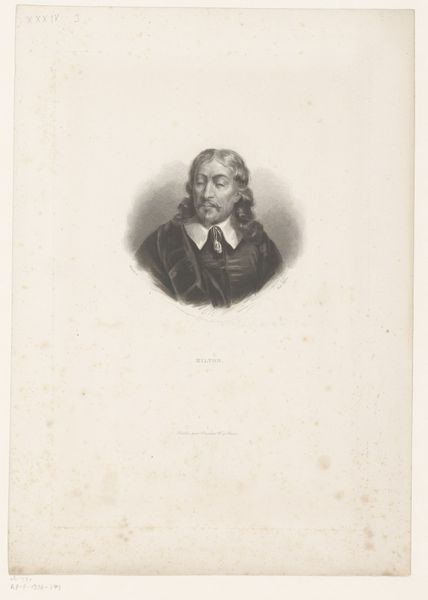
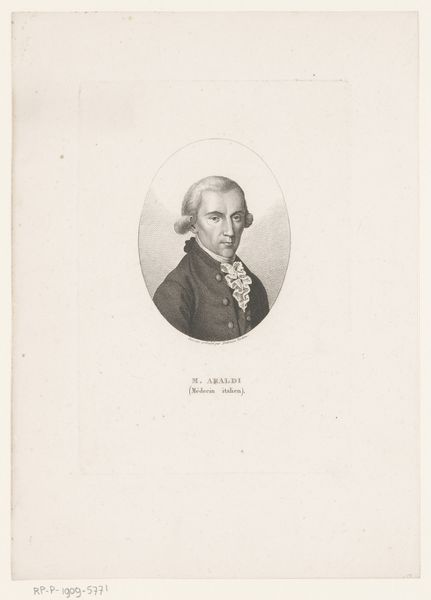
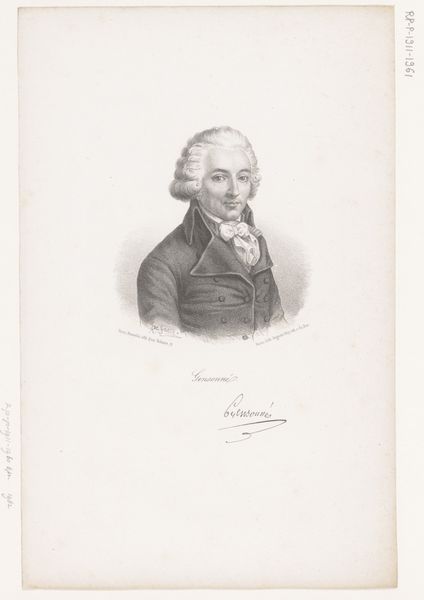
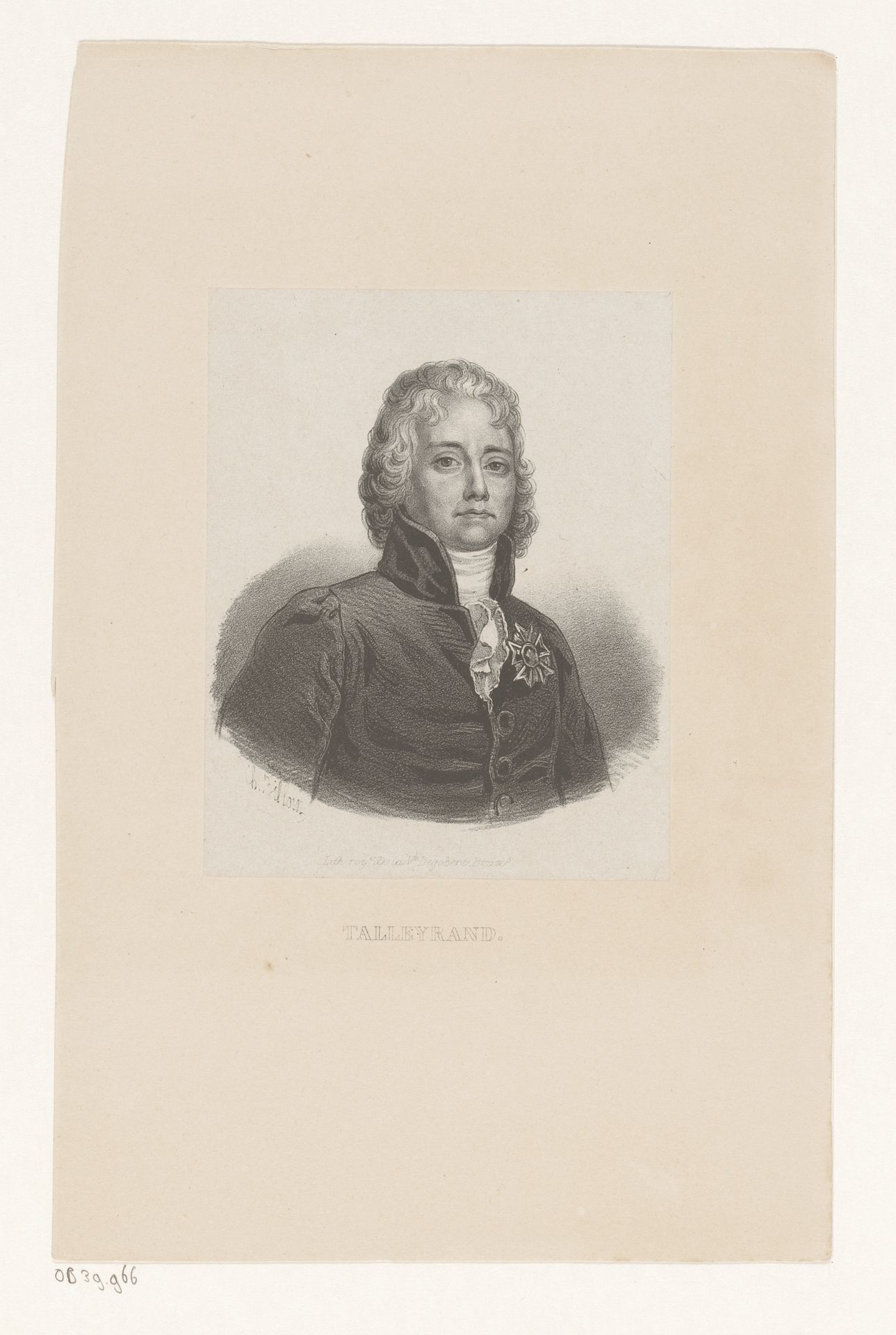
This print portrays Charles Maurice de Talleyrand-Périgord, and was made by Charles Billoin. Talleyrand was a key figure in French politics through the revolution, the Napoleonic era, and the restoration of the monarchy. Billoin's print offers a window onto the visual culture of 19th-century France, especially regarding the representation of political power. Talleyrand is depicted with the gravitas befitting his status, yet the print medium itself suggests a wider dissemination of his image, beyond the elite circles of power. Consider, too, that France was a society undergoing profound change, grappling with ideas of aristocracy, revolution, and empire. Prints like these played a role in shaping public perceptions of these figures, especially as older artistic institutions were in decline. To fully understand this work, scholars might consult archives of political prints, biographical accounts of Talleyrand, and studies of French society. These resources would help contextualize the image's role in shaping the historical memory of such a controversial figure.
Portret van Charles Maurice hertog van Talleyrand-Périgord
c. 1823 - 1850

Charles Billoin
1813 - 1869Location
RijksmuseumArtwork details
- Medium
- print, engraving
- Dimensions
- height 246 mm, width 159 mm
- Location
- Rijksmuseum
- Copyright
- Rijks Museum: Open Domain
Tags
portrait
neoclacissism
caricature
history-painting
engraving
Comments
Be the first to share your thoughts about this work.
About this artwork
This print portrays Charles Maurice de Talleyrand-Périgord, and was made by Charles Billoin. Talleyrand was a key figure in French politics through the revolution, the Napoleonic era, and the restoration of the monarchy. Billoin's print offers a window onto the visual culture of 19th-century France, especially regarding the representation of political power. Talleyrand is depicted with the gravitas befitting his status, yet the print medium itself suggests a wider dissemination of his image, beyond the elite circles of power. Consider, too, that France was a society undergoing profound change, grappling with ideas of aristocracy, revolution, and empire. Prints like these played a role in shaping public perceptions of these figures, especially as older artistic institutions were in decline. To fully understand this work, scholars might consult archives of political prints, biographical accounts of Talleyrand, and studies of French society. These resources would help contextualize the image's role in shaping the historical memory of such a controversial figure.
Comments
Be the first to share your thoughts about this work.