About this artwork
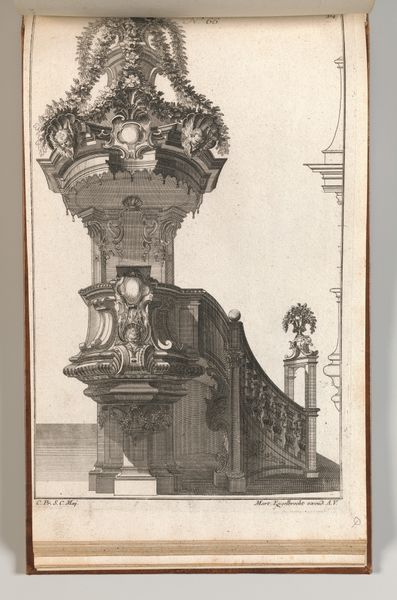
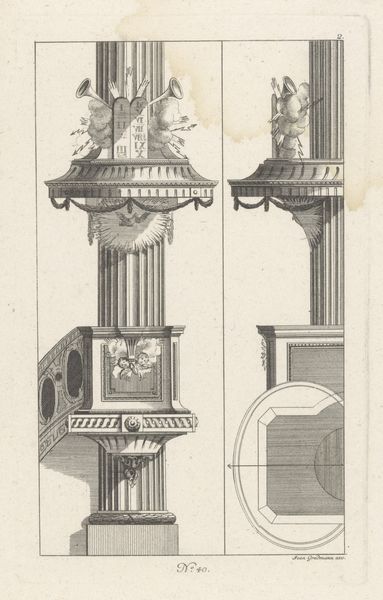
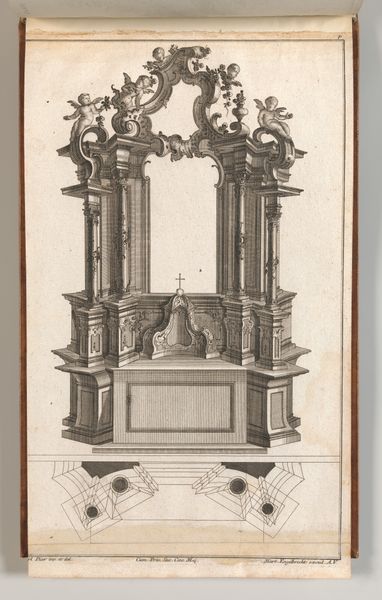
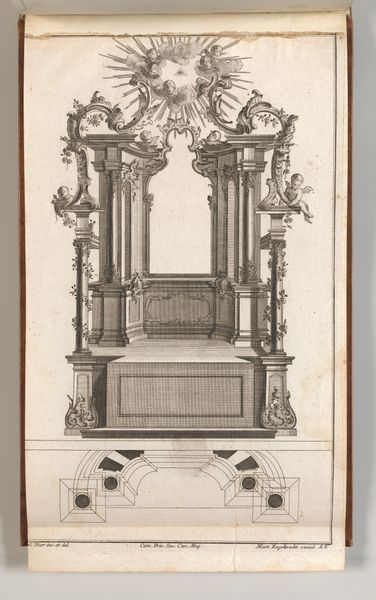
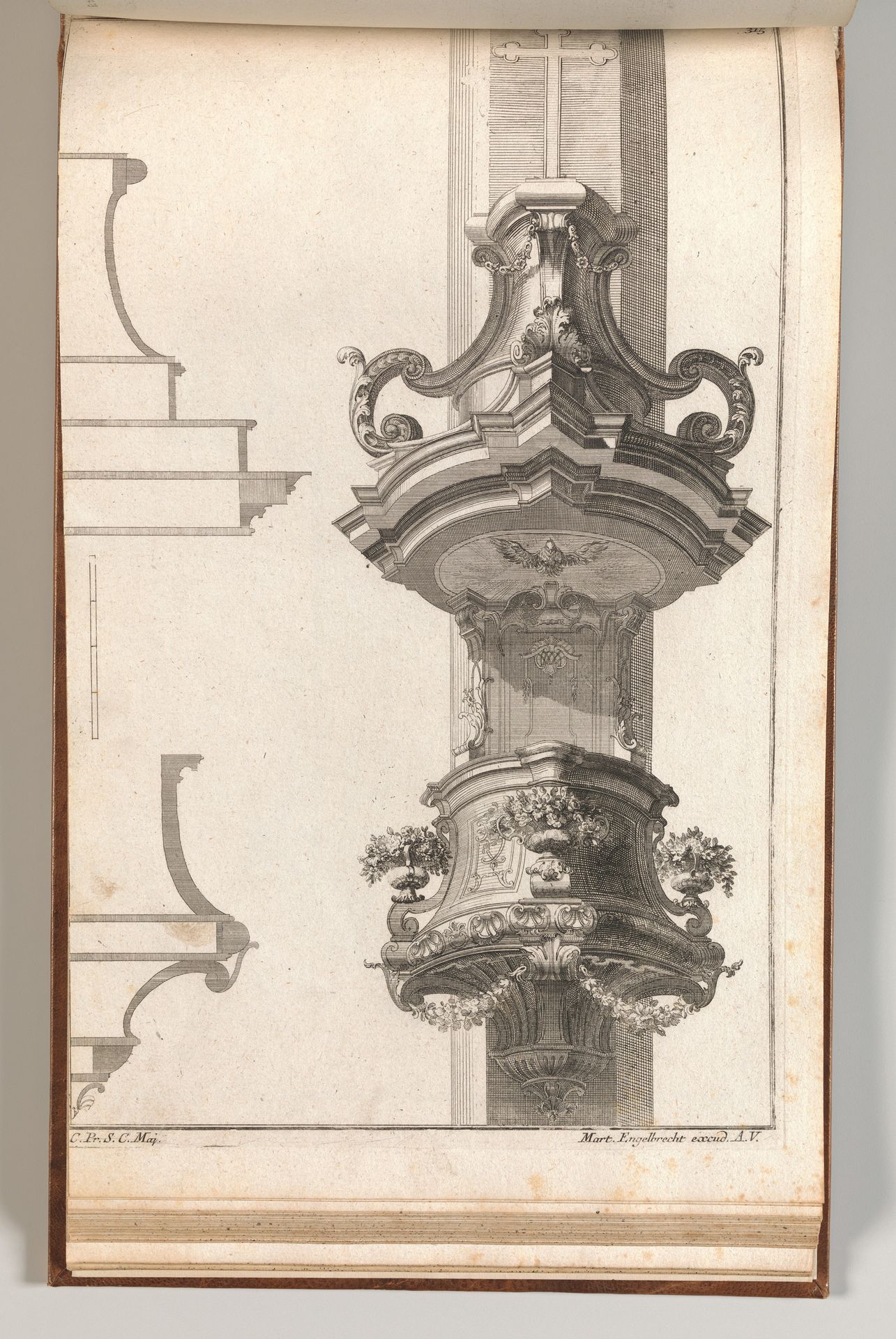
Martin Engelbrecht created this design for a pulpit as part of an untitled series, rendered in ink on paper. Engelbrecht lived in an era defined by rigid social hierarchies where religious institutions held considerable power, and this design provides a glimpse into the aesthetic values of the time. The elaborate ornamentation reflects the cultural significance of religion during the 17th and 18th centuries, yet it's hard not to consider the social stratification inherent to its design. A pulpit symbolizes authority and the dissemination of religious doctrine. As such it raises questions about who has a voice and who is silenced, who is elevated and who is below. The emotional impact of such spaces varies greatly, depending on one's position within that social structure. This pulpit is a cultural artifact that embodies both artistic expression and the complex power dynamics of its time.
Design for a Pulpit, Plate 2 from an Untitled Series of Pulpit Designs
1750 - 1756


Artwork details
- Medium
- drawing, print, etching, engraving, architecture
- Dimensions
- Overall: 8 7/16 × 13 3/4 in. (21.5 × 35 cm)
- Location
- Metropolitan Museum of Art, New York, NY
- Copyright
- Public Domain
Tags
Comments
Share your thoughts
About this artwork
Martin Engelbrecht created this design for a pulpit as part of an untitled series, rendered in ink on paper. Engelbrecht lived in an era defined by rigid social hierarchies where religious institutions held considerable power, and this design provides a glimpse into the aesthetic values of the time. The elaborate ornamentation reflects the cultural significance of religion during the 17th and 18th centuries, yet it's hard not to consider the social stratification inherent to its design. A pulpit symbolizes authority and the dissemination of religious doctrine. As such it raises questions about who has a voice and who is silenced, who is elevated and who is below. The emotional impact of such spaces varies greatly, depending on one's position within that social structure. This pulpit is a cultural artifact that embodies both artistic expression and the complex power dynamics of its time.
Comments
Share your thoughts